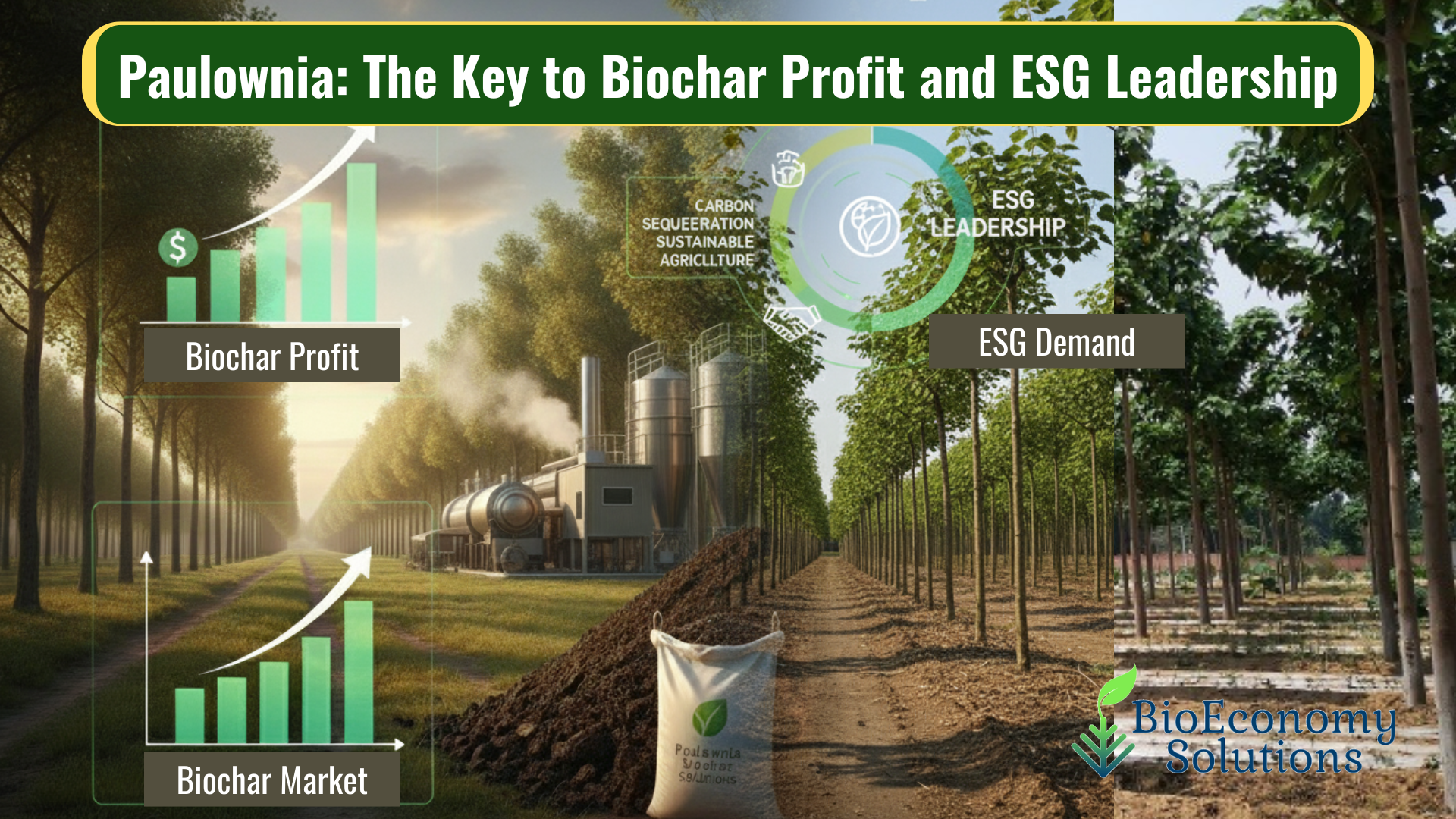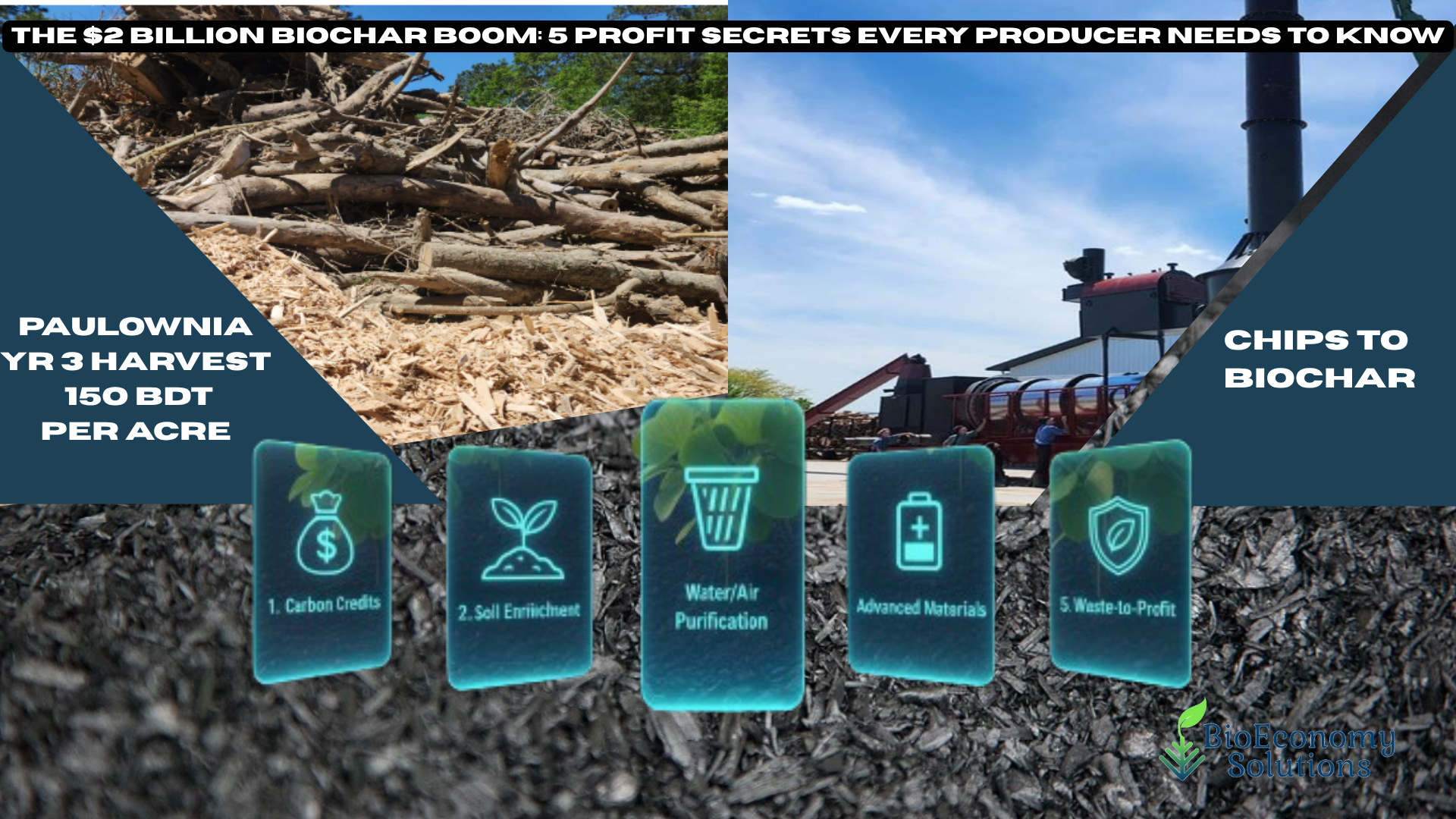
Most biochar companies are leaving money on the table.
Here’s how the smartest producers are turning waste into a goldmine—while everyone else is stuck chasing commodity prices.
The Profitability Crisis Nobody Talks About
You can have the best technology, the greenest mission, and the most passionate team—but if your biochar business isn’t profitable, it won’t last.
The brutal truth:
Most biochar startups struggle with high costs, inconsistent feedstock, and razor-thin margins.
But the market is exploding:
- $641M in 2022 → $2.1B by 2030
- Profit margins: 20% to 50%+
- Premium products: $2,000+/ton
So why are so many companies missing out?
The 5 Profit Levers That Separate Winners from Losers
1. Feedstock Sourcing: The 40% Cost Secret
- Smart producers co-locate near agricultural or forestry waste sources
- Tipping fees turn a cost into a revenue stream ($30-50/ton)
- Result: Up to 40% reduction in total feedstock costs
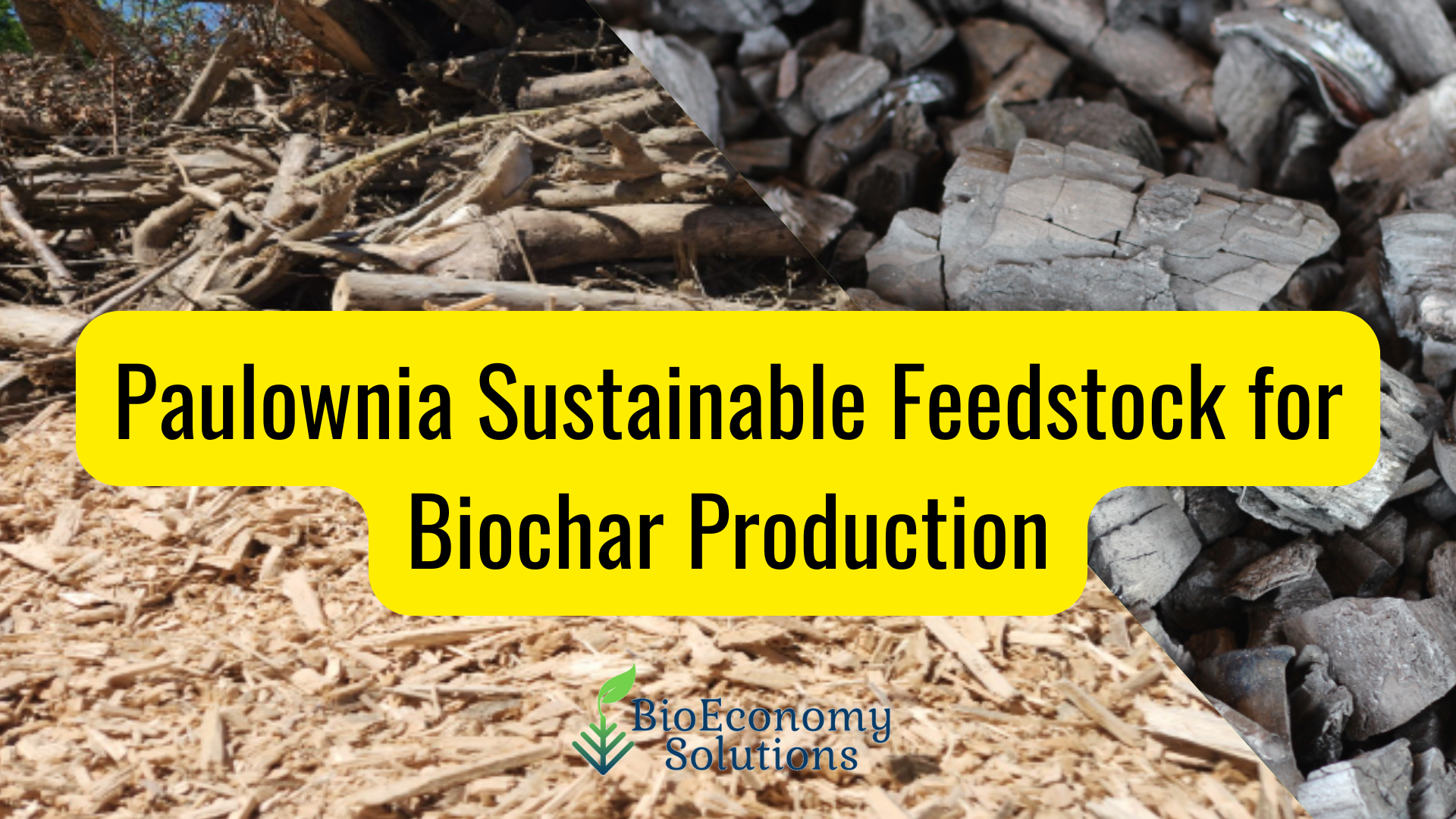
2. Energy Integration: Turn Waste Gas into Free Power
- Use syngas from pyrolysis to power your plant
- Eliminate external energy bills—save $50-100/ton
- Result: Lower operating costs, higher margins
3. Scale Up or Get Left Behind
- Bigger plants = lower costs: 20-30% per-ton savings at 10,000 tons/year vs. 2,000 tons/year
- Better labor and equipment utilization
- Result: Scale is the fastest path to profit
4. Specialize to Command Premiums
- Custom blends (compost, nutrients, fungi) sell for 50-150% more than raw biochar
- Target high-value markets: agriculture, horticulture, water treatment
- Result: Move from commodity to premium pricing
5. Make It Easy for Customers
- Pellets, granules, prills—user-friendly forms justify 20-40% price increases
- Easier transport, storage, and application
- Result: Higher sales, happier customers
The Playbook for Biochar Profitability
What the best producers do differently:
- Secure negative-cost feedstock (tipping fees, local partnerships)
- Integrate energy systems to cut costs and boost sustainability
- Invest in scale—don’t stay small and hope for the best
- Develop value-added products for premium markets
- Get certified (IBI, EBC) to unlock new customers and higher prices
The bonus revenue streams:
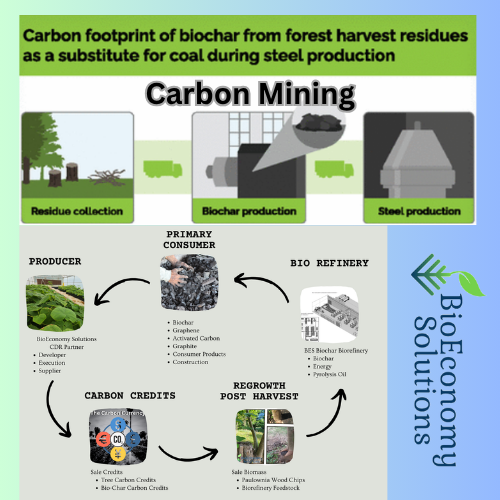
- Carbon credits: Monetize your climate impact
- Co-products: Bio-oil, syngas for energy or sale
- New markets: Construction, animal feed, industrial uses
The bottom line:
Biochar isn’t just about saving the planet—it’s about building a business that lasts.
Ready to turn your biochar operation into a profit engine?
Stop chasing commodity prices. Start building a premium, diversified, and scalable business.
Want the full playbook? Contact Us.
CONTACT US
Contact BioEconomy Solutions for a confidential biodiversity credit portfolio assessment.
Your next audit could be a profit opportunity instead of a compliance expense.
Visit our web “Paulownia Carbon Credits” page.
We’re happy to organize a time to speak with you about our paulownia trees and lumber we have for sale. Please book your preferred time to speak directly.
Here’s a link to my online calendar/schedule:
www.bioeconomysolutions.com/bookcall
BioEconomy Solutions
mail@BioEconomySolutions.com
Office: 843.305.4777
LIKE|SHARE|COMMENT
Join Our Newsletter – Get a FREE copy of Paulownia Carbon Report

#Biochar #Profitability #Sustainability #AgTech #CircularEconomy #StartupGrowth