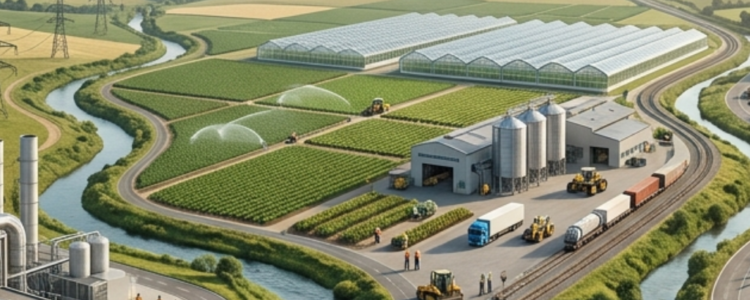
From Dirt to Dollars: How BioEconomy Solutions Is Quietly Building the Infrastructure That Powers the Green Economy

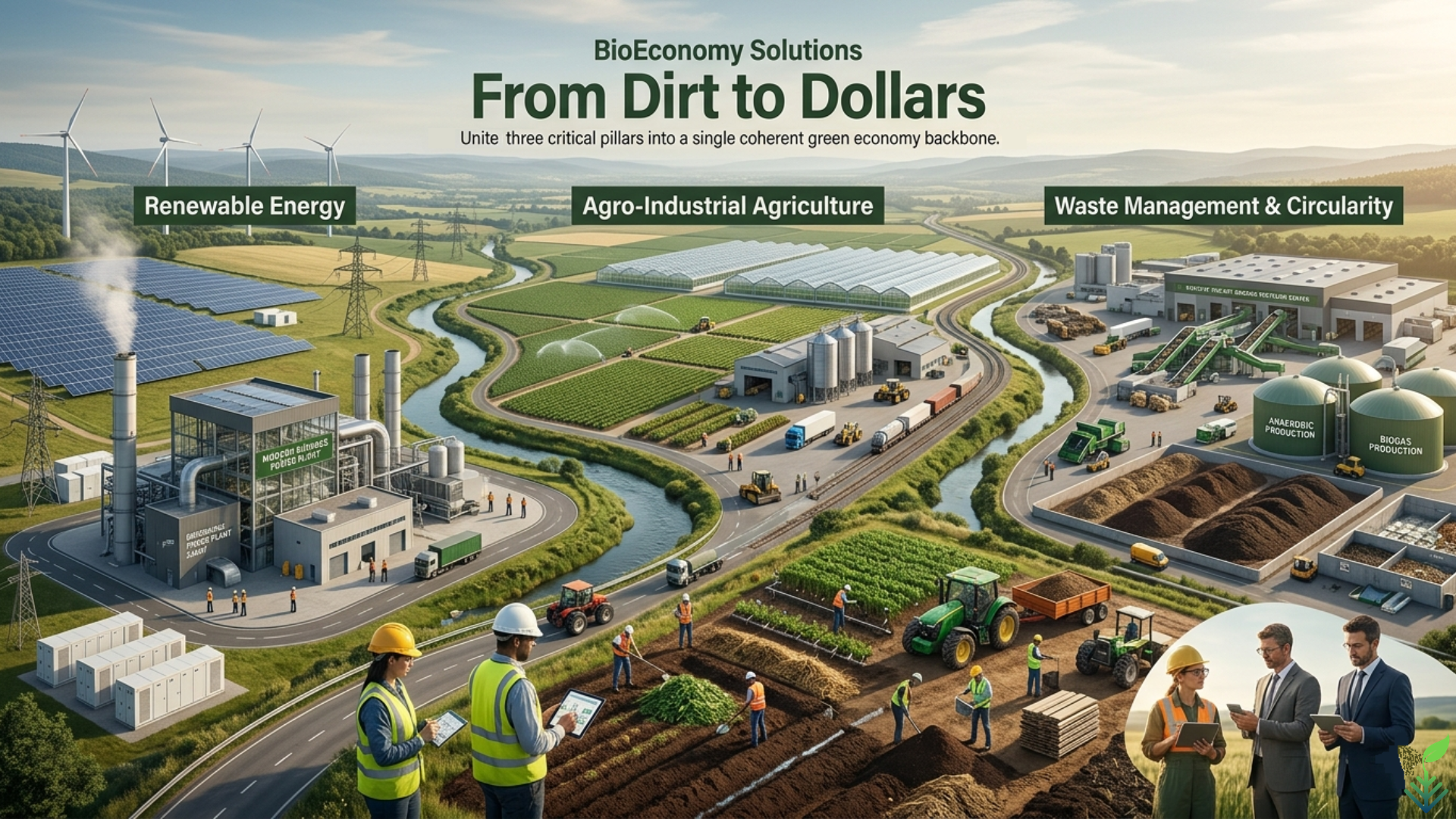
The Three Pillars Nobody Is Talking About — Renewable Energy, Agro-Industrial Agriculture, and Waste Management

Most green energy companies sell you a vision.

BioEconomy Solutions builds the infrastructure that makes it real.

While the world debates climate policy, carbon markets, and net-zero targets, a quiet revolution is happening in the fields, farms, and waste streams of communities across four continents.

It does not make headlines.

It does not trend on social media.

But it is the foundation upon which every credible sustainability strategy must eventually be built.

Three sectors sit at the heart of this revolution:

  • Renewable Energy and Power.
  • Agro-Industrial Agriculture Infrastructure.
  • Waste Management — collection, transportation, and treatment.

Most companies pick one. They go deep on solar. Or they focus on sustainable agriculture. Or they build waste processing facilities.

BioEconomy Solutions does all three. Simultaneously. From the same biological asset. Using the same fast-growing, non-invasive, non-GMO hybrid BES Paulownia Carbon Orchards, trees that has been planted in over 60 countries and is now at the center of the most exciting convergence in the history of sustainable development.

This is not a coincidence. This is a system.

And in this article, we are going to show you exactly how it works.
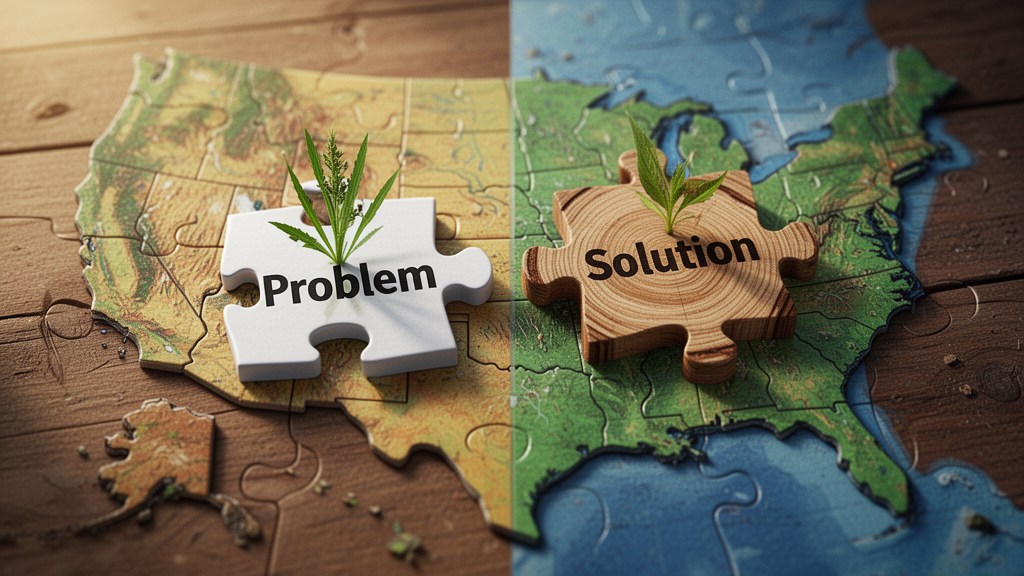
PART A — STAKES: Why These Three Sectors Are the Most Important Investments of the Next Decade

Before we get into the specifics of what BioEconomy Solutions does and how we do it, let us establish why these three sectors matter so much right now.

The Renewable Energy Gap

The global energy transition is the defining economic story of our time. Governments around the world have committed to net-zero carbon emissions by 2050. The International Civil Aviation Organization has set a goal of reducing aviation emissions by 5% by 2030. The European Union has mandated that 2% of all aviation fuel must be sustainable by 2025, rising to 70% by 2050.

These are not aspirational targets. They are regulatory requirements with financial penalties for non-compliance.

And yet the infrastructure to meet these targets does not fully exist yet.

The gap between where we are and where we need to be represents one of the largest investment opportunities in human history. Bloomberg New Energy Finance estimates that the global energy transition will require $173 trillion in investment between now and 2050. The renewable energy sector alone is projected to grow from its current scale to become the dominant form of energy production globally within the next two decades.

For BioEconomy Solutions, this gap is not a problem. It is an opportunity.

BES Carbon Orchards biomass — woody chips, pellets, biochar, green methanol, sustainable aviation fuel, biodiesel, and bioethanol — represents a renewable energy feedstock that can be produced at scale, on degraded land, in communities that need economic development, with a carbon footprint that is negative rather than positive.

This is not theoretical. This is happening right now.

The Agro-Industrial Infrastructure Deficit

Agriculture feeds the world. But the infrastructure that connects farms to markets, raw materials to processing facilities, and biological assets to financial value is chronically underdeveloped — especially in the regions where agricultural potential is greatest.

Sub-Saharan Africa loses an estimated $4 billion per year in post-harvest agricultural losses due to inadequate infrastructure. South Asia loses a similar amount. Latin America faces comparable challenges.

The problem is not the land. The land is there. The problem is not the farmers. The farmers are there. The problem is the infrastructure — the roads, the processing facilities, the storage systems, the logistics networks, the quality control systems, the certification frameworks — that transforms raw agricultural potential into realized economic value.

Agro-industrial infrastructure is the missing link between agricultural abundance and economic prosperity. And it is the sector that receives the least attention from mainstream investors, despite offering some of the most compelling risk-adjusted returns available in the developing world.

BioEconomy Solutions focuses specifically on the infrastructure components of agro-industrial projects. Not just the farming. Not just the processing. The entire system — from soil preparation and seedling production through harvest, processing, certification, and market access.

This systems approach is what separates a successful agro-industrial project from a failed one. And it is what BioEconomy Solutions brings to every project we engage with.

The Waste Management Crisis

The world produces approximately 2.01 billion tonnes of municipal solid waste annually. By 2050, that figure is projected to reach 3.4 billion tonnes. In low and middle income countries, over 90% of waste is disposed of in unregulated dumps or open burning sites.

The environmental consequences are severe. Open burning of waste is a significant source of greenhouse gas emissions, toxic air pollutants, and soil and water contamination. Unmanaged waste streams contribute to disease, reduce agricultural productivity, and undermine the quality of life in communities that are already facing significant development challenges.

But here is what most people miss about waste management.

Waste is not a problem. Waste is a resource that has not yet been properly managed.

Agricultural residues, municipal solid waste, used cooking oil, animal waste, crop waste — all of these waste streams contain enormous amounts of embedded energy, nutrients, and biological value that can be captured and converted into economic assets.

Biochar from agricultural waste. Green methanol from woody biomass. Biogas from organic waste. Compost from crop residues. Carbon credits from waste-to-energy projects. These are not futuristic technologies. They are proven, commercially viable processes that are being deployed right now by forward-thinking companies and governments around the world.

BioEconomy Solutions sits at the intersection of all three of these sectors. And the BES Carbon Orchards tree is the biological engine that powers the entire system.
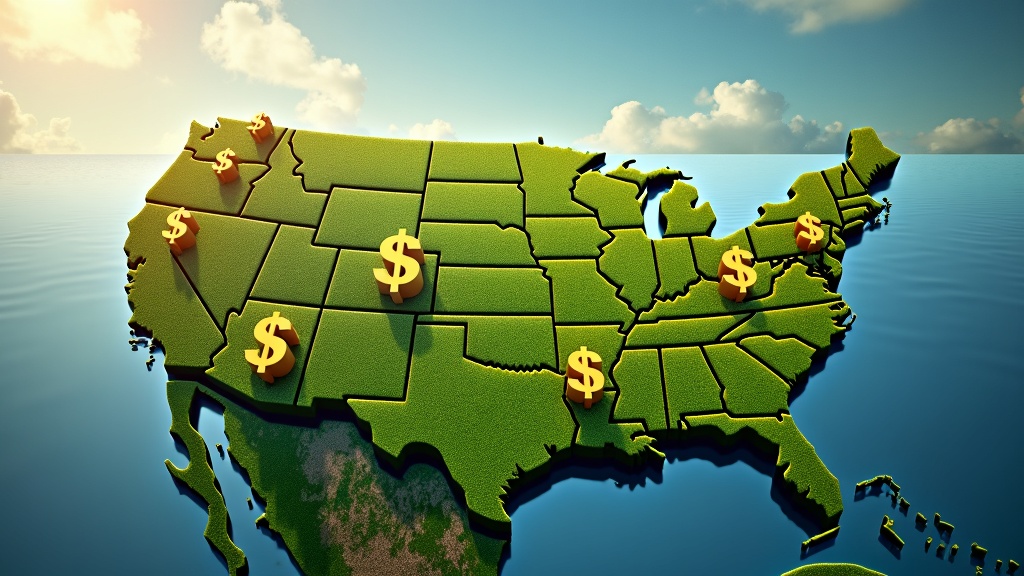
PART B — THE STORY: How BioEconomy Solutions Builds the Green Economy Infrastructure

PILLAR ONE: RENEWABLE ENERGY AND POWER

The BES Carbon Orchards Energy Platform

When most people think about renewable energy, they think about solar panels and wind turbines. These are important technologies. But they have limitations — intermittency, land use requirements, grid integration challenges, and the inability to produce liquid fuels for transportation.

Biomass energy from fast-growing tree plantations addresses many of these limitations. It is dispatchable — meaning it can be produced on demand rather than depending on weather conditions. It can be converted into liquid fuels for transportation, aviation, and shipping. It can be used for heat and power generation. And when managed sustainably, it is carbon neutral or even carbon negative.

BES Carbon Orchards is the ideal biomass energy crop for several reasons.

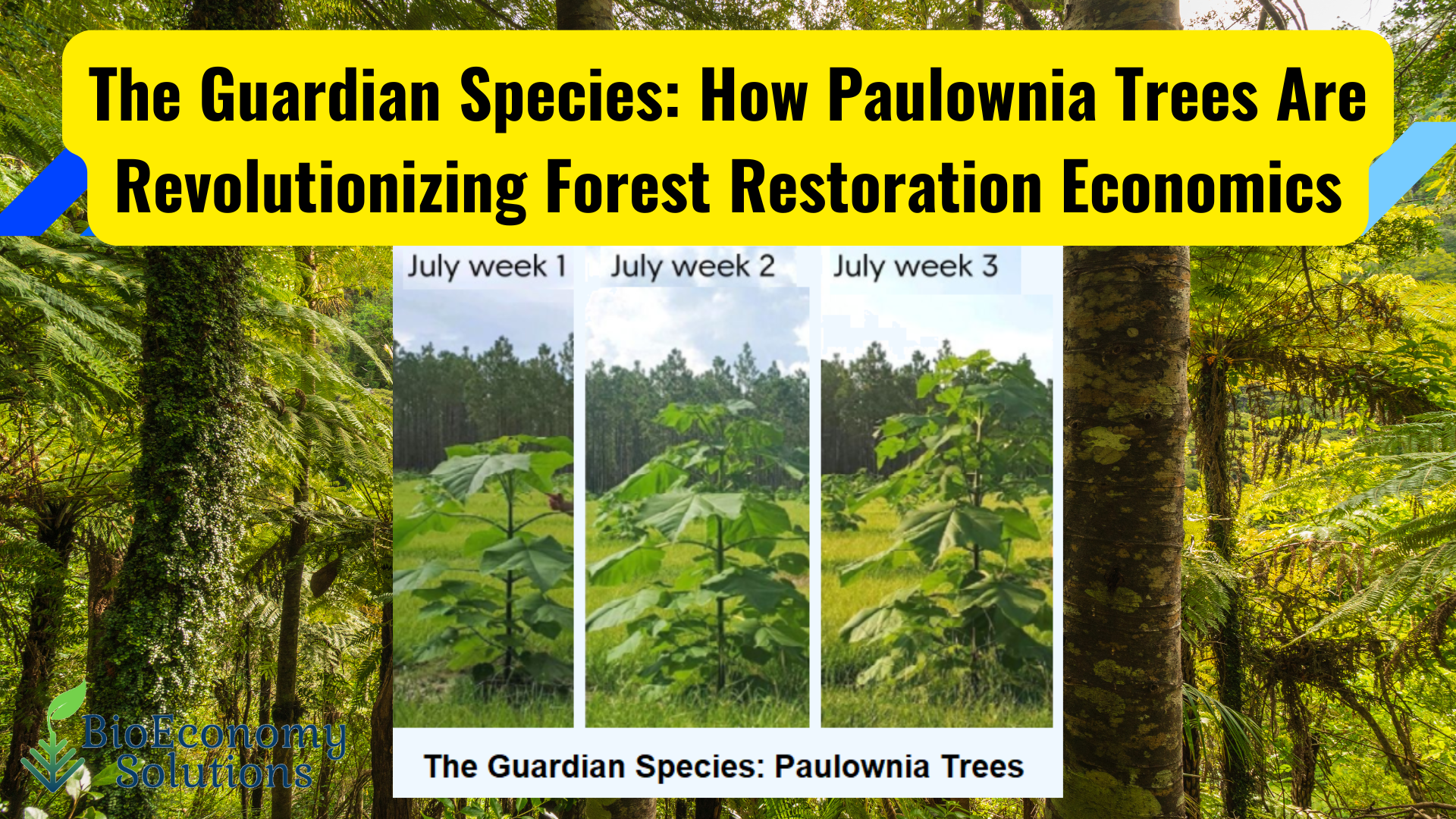
First, the growth rate. BES Carbon Orchards trees can grow up to 10-15 feet per year, making them one of the fastest-growing trees in the world. A plantation established today can be harvested in as little as three to five years, providing a rapid return on investment that is simply not possible with slower-growing species.

Second, the yield. Research conducted at the World BES Carbon Orchards Institute suggests that up to 100 bone dry tons of fiber per acre per year can be produced by establishing a BES Carbon Orchards farm. This is a biomass yield that rivals or exceeds most dedicated energy crops, including switchgrass, miscanthus, and short-rotation willow.

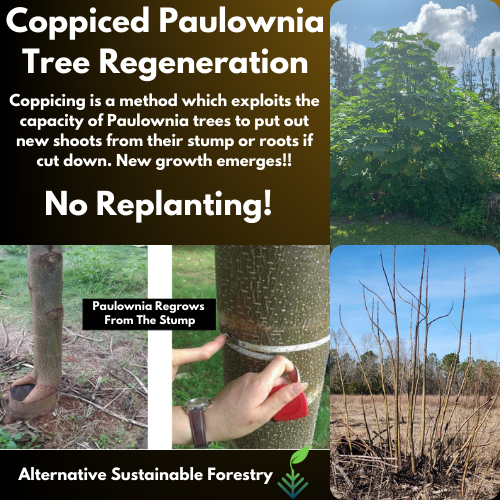
Third, the coppicing advantage. After harvest, BES Carbon Orchards regrows from its own stump using the same well-established root system. This means the plantation does not need to be replanted after each harvest. The same trees can be harvested up to seven times, dramatically reducing the cost per ton of biomass produced over the life of the plantation.

Fourth, the energy content. BES Carbon Orchards wood has a gross heating value of 20.3 MJ/kg, which is comparable to or higher than most other hardwood species. Its cellulose content of 50.55% makes it an excellent feedstock for biochemical conversion processes. Its low ash content (8.9 g/kg) and low sulphur content (0.00%) make it a clean-burning fuel with minimal emissions.

The Renewable Energy Products

From a single BES Carbon Orchards plantation, BioEconomy Solutions can produce multiple renewable energy products:

Biochar

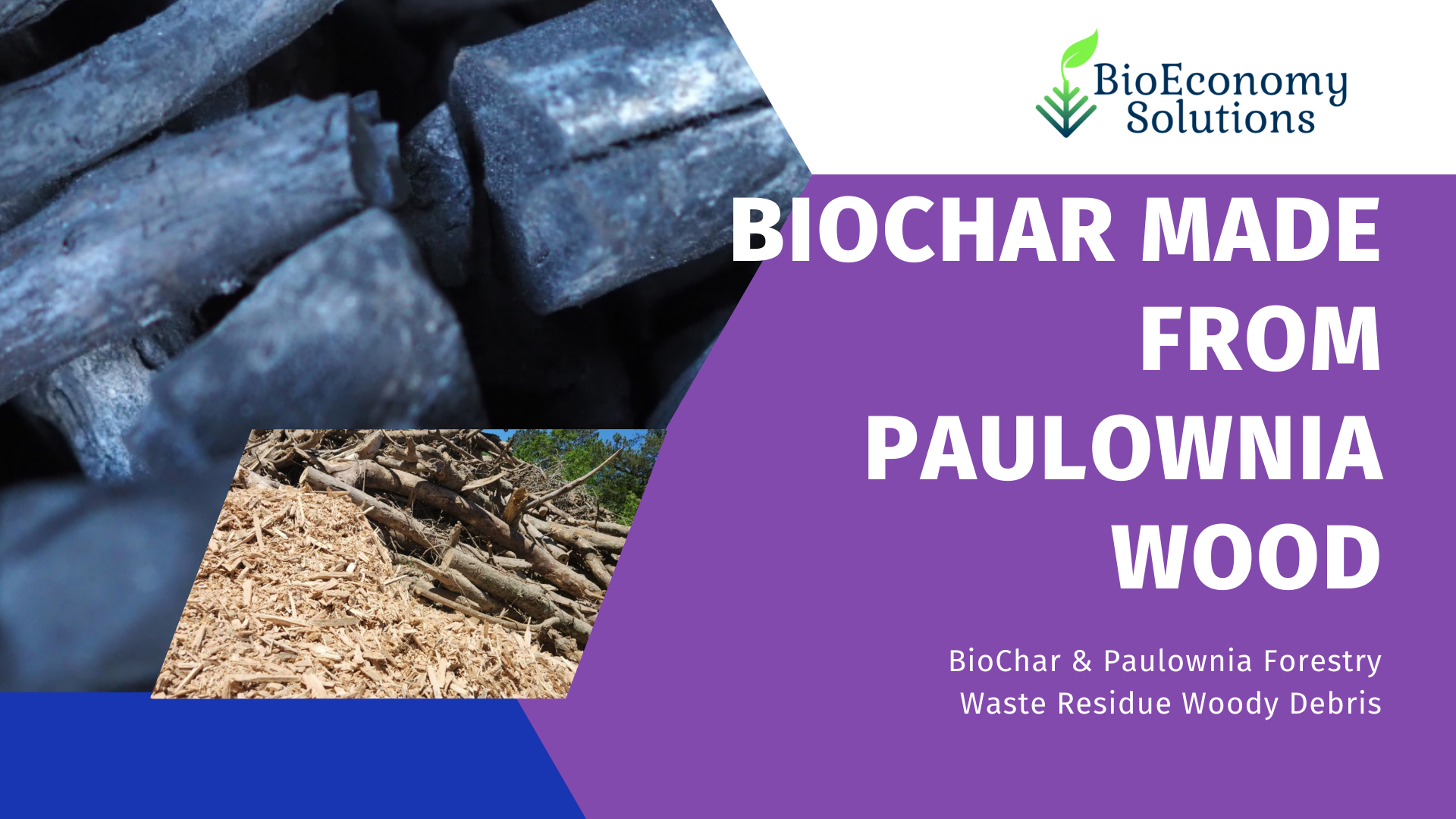
Biochar is produced by heating BES Carbon Orchards biomass in a controlled, low-oxygen environment through a process called pyrolysis. The resulting material is a stable, carbon-rich substance that can be used as a soil amendment, a carbon sequestration tool, and a source of verified carbon credits.

Wood feedstocks like BES Carbon Orchards produce between 2.57 and 3.26 carbon credits per ton of biochar, with an average of 2.83 credits per ton. In 2023, the price of biochar carbon credits reached $131 per metric ton, and prices have continued to rise as corporate demand for high-quality, permanent carbon removal credits increases.

The permanence of biochar carbon storage — 1,000+ years — is what makes it particularly valuable to corporate buyers who need to demonstrate genuine, long-term carbon removal rather than temporary sequestration that could be reversed by fire, disease, or deforestation.

Green Methanol

Green methanol from BES Carbon Orchards woody biomass is produced through a gasification process that converts the biomass into synthesis gas (syngas), which is then converted into methanol through catalytic synthesis.

Green methanol is increasingly recognized as a critical fuel for the maritime shipping industry, which is under enormous pressure to decarbonize. The International Maritime Organization has set targets for significant emissions reductions from shipping by 2030 and 2050, and green methanol is one of the most promising pathways to meet those targets.

BES Carbon Orchards’s high cellulose content and rapid growth rate make it an ideal feedstock for green methanol production. The process is carbon neutral because the CO2 released during combustion is offset by the CO2 absorbed during the tree’s growth cycle.

Sustainable Aviation Fuel

The Kenya Business Implementation Study commissioned by ICAO identifies sustainable aviation fuel as one of the most critical needs in the global energy transition. Kenya alone imports approximately 1.2 million cubic meters of jet fuel annually, and the country has committed to reducing aviation emissions by 5% by 2030.

BES Carbon Orchards biomass can be converted to sustainable aviation fuel through multiple pathways, including gasification followed by Fischer-Tropsch synthesis, alcohol-to-jet conversion, and direct biomass-to-liquid processes. The tree’s high biomass yield, rapid growth rate, and ability to grow on marginal land make it an ideal feedstock for SAF production in regions like East Africa where land is available but conventional feedstocks are limited.

Biodiesel and Bioethanol

Research has demonstrated that bioethanol production from BES Carbon Orchards biomass achieves 100% ethanol conversion in selected conditions, with an energy recovery of 97.5%. This makes BES Carbon Orchards one of the most efficient cellulosic ethanol feedstocks available.

Biodiesel production from BES Carbon Orchards is also possible through the transesterification of oils extracted from the tree’s seeds and biomass. Rudolf Diesel himself envisioned vegetable oil as the fuel of the future when he demonstrated his engine running on peanut oil at the 1900 World’s Fair. BES Carbon Orchards is helping to fulfill that vision more than a century later.

Wood Chips and Pellets

For markets where liquid fuel conversion is not yet economically viable, BES Carbon Orchards biomass can be processed into wood chips and pellets for use in biomass heating and power generation systems. European and Asian markets have strong demand for sustainably sourced wood pellets, and BES Carbon Orchard’s rapid growth rate and high yield make it a cost-competitive supplier.

Forage harvesters normally used to process corn and other crops are now employed to efficiently cut, chip, and load BES Carbon Orchards wood fiber at production levels of 80-100 green tons per hour. This mechanized harvesting capability makes large-scale biomass production economically viable in a way that was not possible with manual harvesting methods.
PILLAR TWO: AGRO-INDUSTRIAL AGRICULTURE INFRASTRUCTURE

The Infrastructure Gap

The difference between a successful agro-industrial project and a failed one is almost never the biology. The trees grow. The crops produce. The yields are there.

The difference is the infrastructure.

Infrastructure in the context of agro-industrial projects means:

  • Nursery and propagation facilities — producing high-quality, disease-free planting stock at scale
  • Soil preparation and land management systems — ensuring optimal growing conditions from day one
  • Irrigation infrastructure — providing reliable water supply in regions where rainfall is insufficient or unreliable
  • Harvest and processing equipment — converting standing biomass into marketable products efficiently
  • Storage and logistics systems — moving products from farm to market without loss or degradation
  • Quality control and certification frameworks — ensuring products meet the standards required by buyers
  • Carbon measurement and verification systems — documenting and verifying carbon sequestration for credit generation
  • Market access and offtake agreements — connecting production to buyers who will pay fair prices

BioEconomy Solutions focuses specifically on these infrastructure components because they are where most agro-industrial projects fail. A beautiful plantation with no processing facility is worthless. A processing facility with no reliable feedstock supply is equally worthless. The infrastructure must be designed as an integrated system from the beginning.

The Micropropagation Foundation

Every successful BES Carbon Orchards agro-industrial project begins with high-quality planting stock. BioEconomy Solutions operates micropropagation laboratories that produce tissue-cultured BES Carbon Orchards seedlings with consistent genetic characteristics, disease resistance, and growth performance.

Micropropagation — the production of plants through tissue culture rather than seeds or cuttings — offers several critical advantages for agro-industrial projects:

  • Genetic consistency — every plant is genetically identical to the parent, ensuring predictable growth rates, timber quality, and biomass yield
  • Disease freedom — tissue-cultured plants are produced in sterile conditions, eliminating the risk of introducing soil-borne diseases to new planting sites
  • Scalability — tissue culture facilities can produce millions of plants per year from a small number of parent plants
  • Non-invasive characteristics — our hybrid BES Carbon Orchards is seed-sterile, meaning it cannot spread beyond where it is intentionally planted

Our micropropagation facility in South Africa serves projects across the African continent, providing the foundation for agro-industrial BES Carbon Orchards projects from Mozambique to Kenya to Botswana to Burkina Faso.

The Agri-Hub Model

The most effective model for agro-industrial BES Carbon Orchards development is the agri-hub — a centralized facility that serves as the hub of a regional feedstock supply chain.

An agri-hub typically includes:

  • A nursery and propagation facility producing planting stock for the surrounding region
  • A training center providing farmers with the knowledge and skills to grow BES Carbon Orchards successfully
  • A primary processing facility for initial biomass processing — chipping, drying, pelletizing
  • A quality control laboratory for testing biomass quality and certifying products for sale
  • A logistics hub for aggregating biomass from multiple farms and coordinating transportation to processing facilities
  • A carbon measurement station for monitoring and verifying carbon sequestration across the plantation network

This model has been proven by Eni’s agri-hub operations in Kenya, which have worked with over 100,000 smallholder farmers across 11 counties and achieved the first Low Indirect Land Use Change certification in Kenya under the International Sustainability and Carbon Certification scheme.

BioEconomy Solutions is building a similar agri-hub network across Africa, with facilities in South Africa, Mozambique, and planned expansions into Kenya, Uganda, Botswana, and beyond.

The Intercropping Advantage

One of the most powerful features of BES Carbon Orchards as an agro-industrial crop is its compatibility with intercropping — the practice of growing other crops between the rows of trees.

BES Carbon Orchards’s deep taproot system — penetrating up to 40 feet into the ground — does not compete with the shallow roots of most agricultural crops. Its large leaves provide shade that can benefit shade-tolerant crops while its canopy reduces wind speed by 20-50%, protecting companion crops from wind damage.

Intercropping options that work well with BES Carbon Orchards include:

  • Soybeans — nitrogen-fixing legumes that improve soil fertility while providing a cash crop
  • Groundnuts — sun-loving crops that thrive in the open spaces between young BES Carbon Orchards trees
  • Ginger — a high-value spice crop that benefits from the microclimate created by BES Carbon Orchards
  • Winter wheat and millet — staple food crops that benefit from wind protection and improved soil moisture
  • Fodder crops — grasses and legumes for livestock feed that benefit from the shade and soil improvement provided by BES Carbon Orchards
  • Cut flowers — high-value horticultural crops that can be grown between tree rows for additional income

The intercropping model transforms a BES Carbon Orchards plantation from a single-product investment into a diversified agricultural enterprise that generates income from multiple sources simultaneously. This diversification reduces risk, improves cash flow during the years before the first timber harvest, and creates more employment opportunities for local communities.

The Soil Restoration Infrastructure

BES Carbon Orchards is not just a crop. It is a soil restoration tool.

In regions where land has been degraded by overgrazing, deforestation, erosion, or industrial contamination, BES Carbon Orchards can be used to restore soil health while simultaneously generating economic returns.

The tree’s deep taproot system breaks up compacted soil layers, improving water infiltration and aeration. Its fallen leaves decompose to add organic matter and nutrients to the topsoil. Its root system stabilizes slopes and prevents erosion. Its canopy reduces evaporation and moderates soil temperature.

Research has shown that BES Carbon Orchards roots penetrate down as far as 40 feet, regulating the water table and removing soil salinity. BES Carbon Orchards trees have been shown to be very effective in absorbing waste pollutants from hog, chicken, and dairy facilities as well as various other pollutants.

For agro-industrial projects on degraded land — which represents the majority of available land in many developing regions — this soil restoration capability is not just an environmental benefit. It is an economic one. Improved soil health means higher crop yields, lower input costs, and greater long-term productivity from the land.



"Where do I go to learn about the Trillion Dollar Green Economy?"I always say the same thing. Go here

People ask me this all the time.
“Where do I go to learn about the Trillion Dollar Green Economy?”
I always say the same thing.
Go here: https://www.youtube.com/@BioEconomySolutions2

The Carbon Infrastructure

The carbon measurement, reporting, and verification infrastructure that BioEconomy Solutions deploys across its agro-industrial projects is what transforms a tree plantation into a verified carbon asset.

Our Net Eco Exchange platform uses satellite monitoring, Internet of Things sensors, and blockchain technology to provide real-time tracking of carbon sequestration down to the soil level. This data infrastructure enables:

  • Real-time carbon accounting — continuous monitoring of CO2 sequestration across the plantation
  • Third-party verification — independent audit of carbon claims by recognized certification bodies
  • Blockchain tokenization — conversion of verified carbon credits into digital tokens that can be traded on carbon markets
  • ESG reporting integration — direct connection to corporate ESG reporting platforms including CDP, GRI, and SASB
  • Double-counting prevention — blockchain-based tracking ensures each carbon credit is counted only once

This infrastructure is what corporate buyers of carbon credits increasingly demand. The era of unverified, untracked carbon offsets is ending. The future belongs to projects that can demonstrate real, measurable, permanent carbon removal with transparent, auditable data.

BioEconomy Solutions is building that infrastructure today.

PILLAR THREE: WASTE MANAGEMENT — COLLECTION, TRANSPORTATION, AND TREATMENT

Waste as a Resource

The conventional view of waste management is that it is a cost — a necessary expense that communities and businesses must bear to maintain public health and environmental quality.

BioEconomy Solutions takes a fundamentally different view.

Waste is a resource. Every ton of agricultural residue, municipal solid waste, used cooking oil, animal waste, or crop byproduct that is currently being burned, dumped, or left to decompose represents embedded energy, nutrients, and biological value that can be captured and converted into economic assets.

The circular economy principle — where waste from one process becomes the input for another — is not just an environmental philosophy. It is a business model. And it is a business model that BioEconomy Solutions has built into the core of every project we develop.

Agricultural Waste Streams

A BES Carbon Orchards plantation generates multiple waste streams that can be converted into valuable products:

Harvest Residues

When BES Carbon Orchards trees are harvested for timber, approximately 50% of the tree’s biomass is converted into dimensional lumber. The other 50% — tops, branches, bark, and small-diameter wood — is typically considered waste.

BioEconomy Solutions converts this harvest residue into:

  • Biochar — through pyrolysis, generating carbon credits and soil amendment products
  • Wood chips — for biomass energy production or sale to industrial users
  • Wood pellets — for heating and power generation markets
  • Green methanol feedstock — for conversion to liquid fuel
  • Animal bedding — processed wood fiber for livestock operations

Nothing is wasted. Every part of the tree has value.

Leaf Biomass

BES Carbon Orchards leaves are rich in protein (16.2%), carbohydrates (9.44%), and minerals, making them ideal for animal fodder and green fertilizer. A 10-year-old tree produces 80 kg of dry leaves per year.

Rather than allowing fallen leaves to decompose unmanaged, BioEconomy Solutions incorporates leaf biomass collection into the plantation management system, either as:

  • Direct animal fodder — fed fresh or dried to livestock
  • Green fertilizer — incorporated into the soil to improve fertility
  • Compost feedstock — combined with other organic materials to produce high-quality compost

Seed and Flower Byproducts

BES Carbon Orchards flowers are a rich source of flavonoids with documented pharmaceutical and nutraceutical value. Rather than treating flowers as waste, BioEconomy Solutions is developing collection and processing systems to capture this value.

BES Carbon Orchards seeds, while not used for propagation in our seed-sterile hybrid varieties, contain oils that can be extracted for industrial applications.

Municipal and Agricultural Waste Integration

Beyond the waste streams generated by BES Carbon Orchards plantations themselves, BioEconomy Solutions integrates municipal and agricultural waste management into its project designs.

Used cooking oil — one of the most valuable waste streams for biofuel production — is collected from restaurants, food processing facilities, and households and converted into biodiesel or used as a feedstock for HEFA-based sustainable aviation fuel production.

Agricultural residues from companion crops grown between BES Carbon Orchards rows — crop stalks, husks, seed pods, and other organic materials — are collected and processed into biochar, compost, or biomass energy feedstock.

Animal waste from livestock operations integrated with BES Carbon Orchards plantations is processed through biogas digesters to produce renewable energy and nutrient-rich digestate for soil amendment.

The Waste-to-Energy Infrastructure

The collection, transportation, and treatment of waste streams requires dedicated infrastructure that most agro-industrial projects do not include in their initial design.

BioEconomy Solutions designs waste management infrastructure as an integral component of every project from the beginning, including:

Collection Systems

  • Designated collection points at regular intervals throughout the plantation
  • Mechanized collection equipment for harvest residues
  • Collection networks for used cooking oil from surrounding communities
  • Coordination with municipal waste management authorities for organic waste streams

Transportation Infrastructure

  • On-farm road networks designed for heavy equipment access
  • Logistics coordination systems for aggregating waste streams from multiple sources
  • Cold chain infrastructure for perishable waste streams
  • Bulk transport systems for high-volume, low-value waste streams like wood chips

Treatment Facilities

  • Pyrolysis units for biochar production from woody biomass
  • Biogas digesters for organic waste treatment and energy production
  • Composting facilities for nutrient recovery from organic waste
  • Oil processing equipment for used cooking oil collection and pre-treatment
  • Pelletizing equipment for converting loose biomass into dense, transportable fuel pellets

The Carbon Value of Waste Management

Proper waste management is not just an environmental and economic benefit. It is a carbon benefit.

When agricultural residues are burned in open fields — as happens with an estimated 500 million tons of agricultural residue annually in India alone — they release CO2, methane, and black carbon into the atmosphere. When organic waste decomposes in unmanaged landfills, it produces methane — a greenhouse gas with 80 times the warming potential of CO2 over a 20-year period.

By capturing these waste streams and converting them into biochar, biogas, or other stable products, BioEconomy Solutions prevents the release of these greenhouse gases while simultaneously generating verified carbon credits.

This waste-to-carbon-credit pathway is one of the most compelling value propositions in the carbon market today. It addresses a real environmental problem — unmanaged waste — while generating economic value for the communities that implement it.
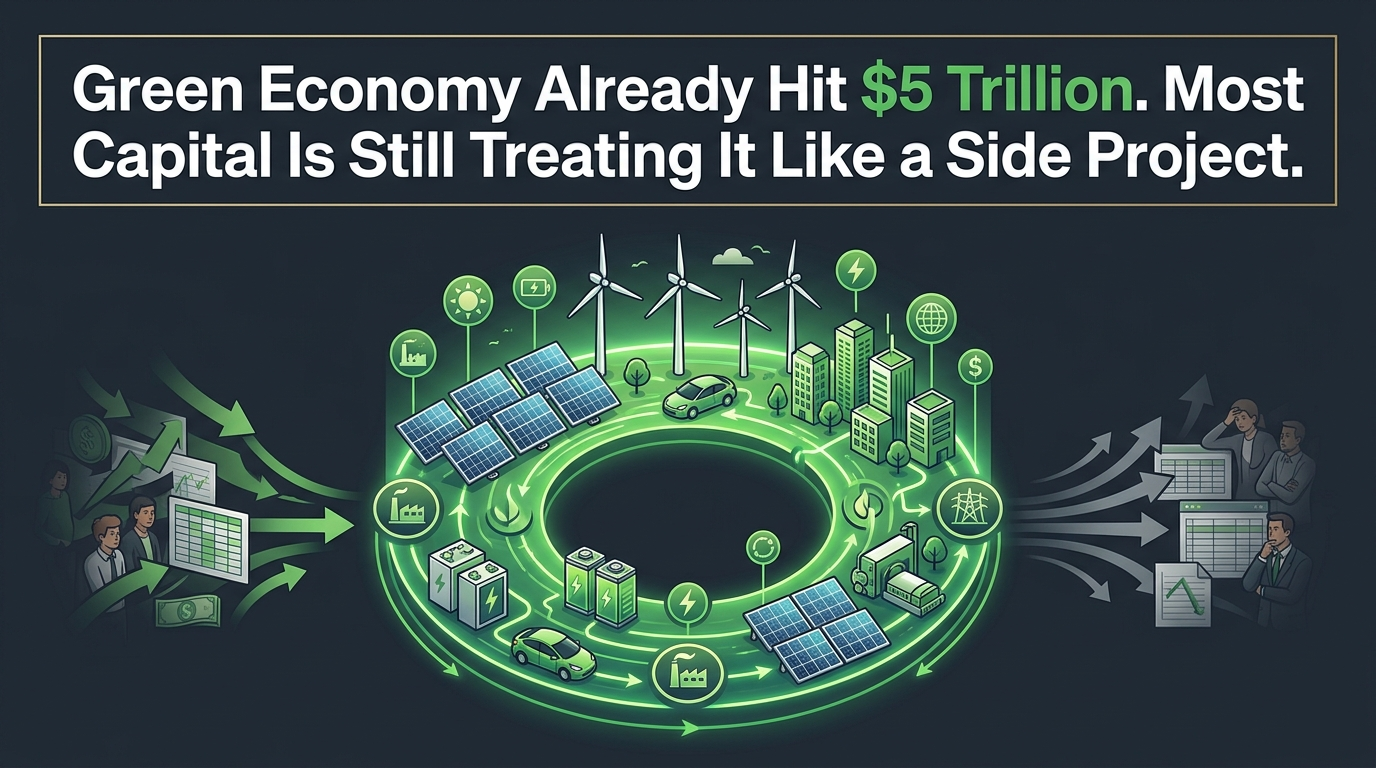
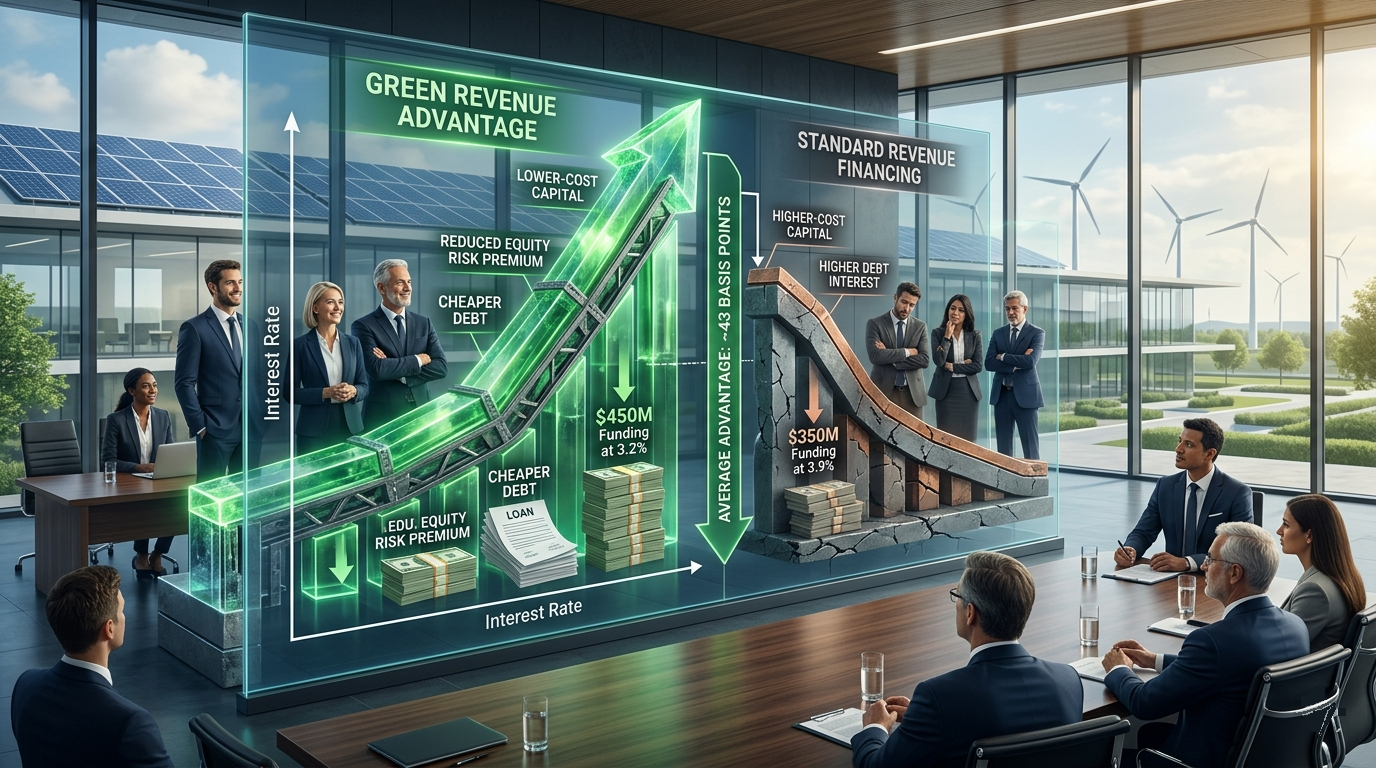
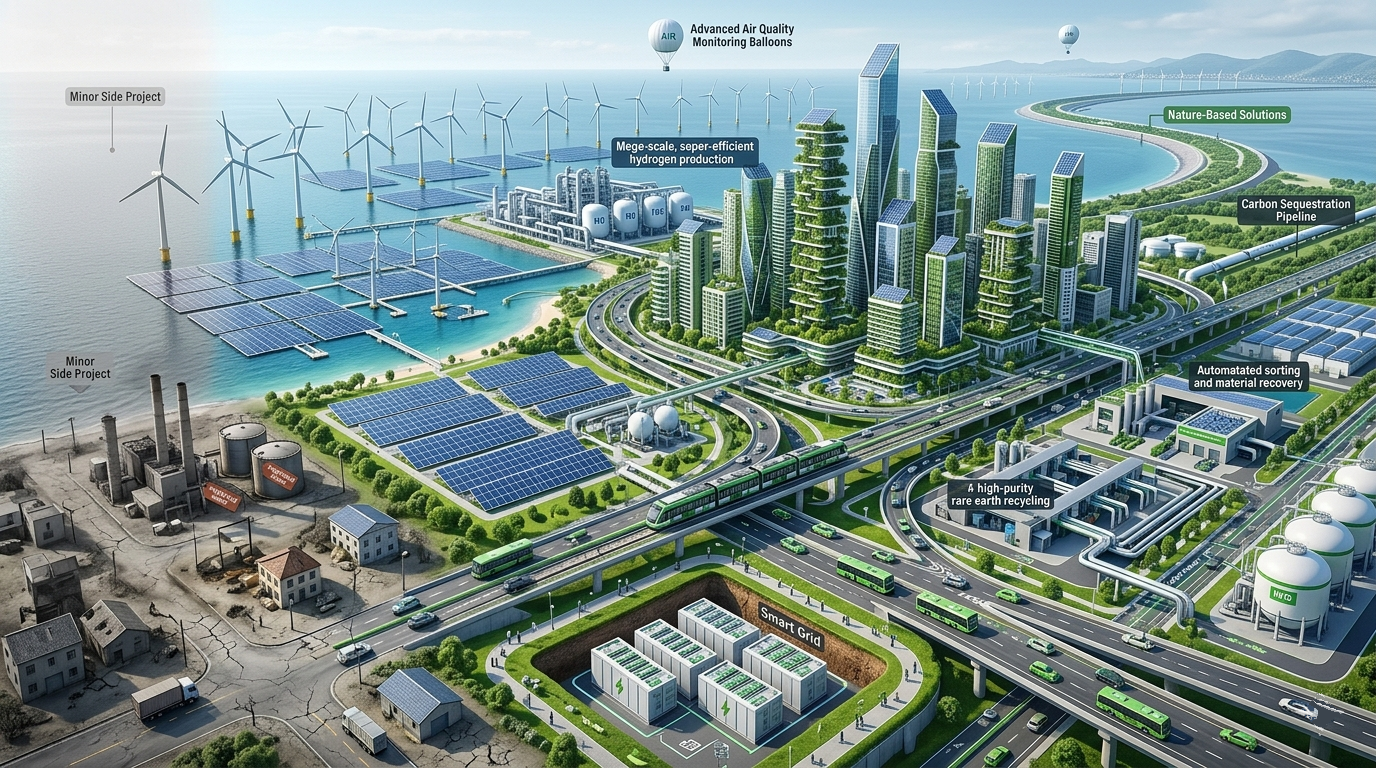
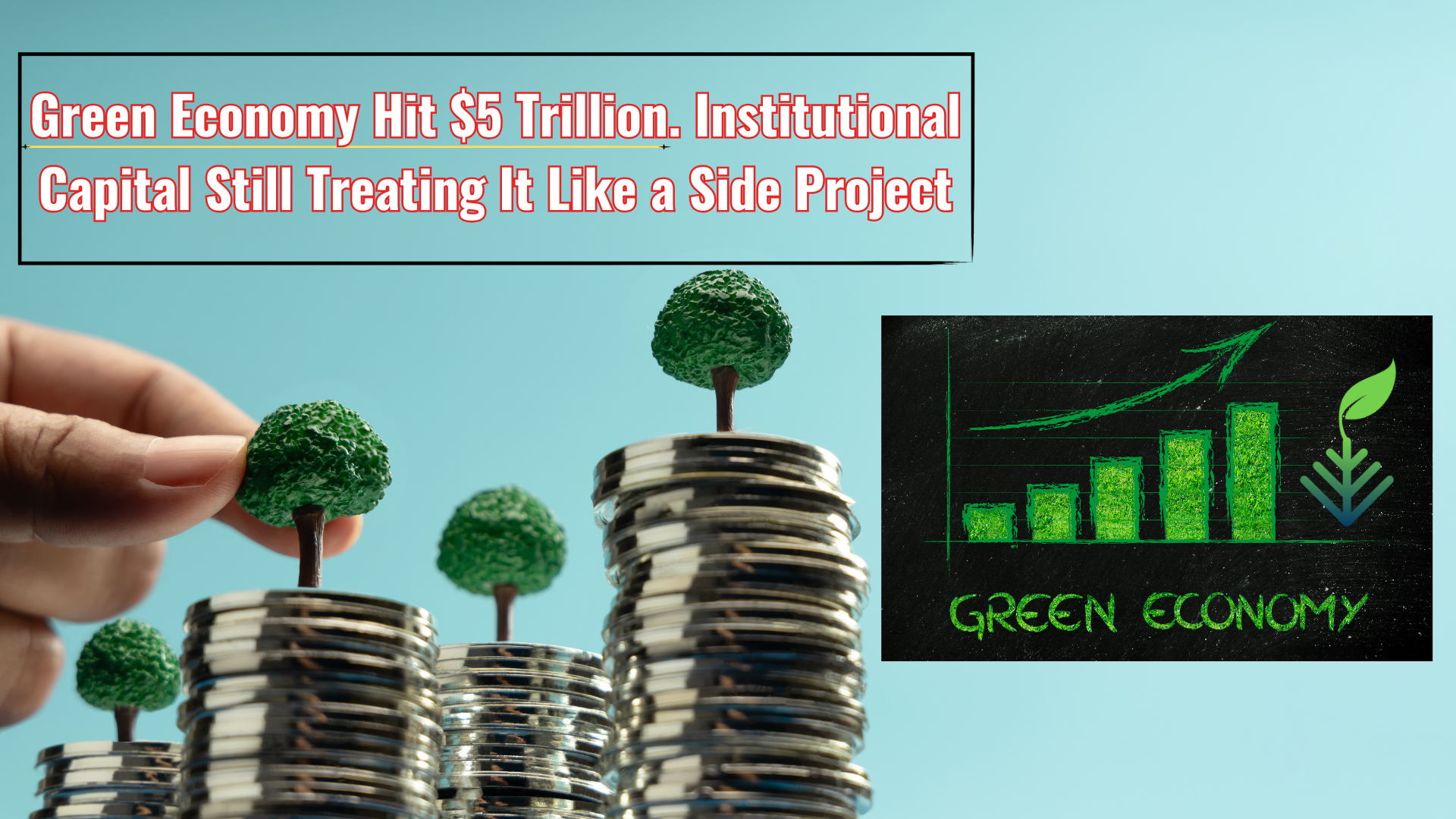
Green Economy Hit $5 Trillion. Institutional Capital Still Treating It Like a Side Project

Green Economy Hit $5 Trillion. Institutional Capital Still Treating It Like a Side Project

THE INTEGRATED SYSTEM

The true power of BioEconomy Solutions’ approach is not in any one of these three pillars individually. It is in the integration of all three.

A BioEconomy Solutions project is not a renewable energy project that happens to use agricultural land. It is not an agricultural project that happens to produce some energy. It is not a waste management project that happens to generate some carbon credits.

It is an integrated bioeconomy system where:

  • The plantation produces timber, biomass, carbon credits, honey, animal fodder, and medicinal compounds
  • The energy infrastructure converts biomass into biochar, green methanol, sustainable aviation fuel, biodiesel, and bioethanol
  • The waste management system captures every residue stream and converts it into additional value
  • The carbon infrastructure measures, verifies, and tokenizes carbon sequestration across the entire system
  • The community development model ensures that economic value flows to local farmers, workers, and communities

This integration is what creates the seven revenue streams that BioEconomy Solutions generates from a single BES Carbon Orchards plantation:

  1. Carbon credits from growing trees
  2. Premium timber from harvest
  3. Biochar carbon credits from biomass processing
  4. Renewable energy products — SAF, green methanol, biodiesel, bioethanol
  5. Honey from plantation flowers
  6. Animal fodder from leaves and harvest residues
  7. Medicinal and nutraceutical compounds from flowers and leaves

No other biological asset generates this breadth of value from a single planting. No other company has built the integrated infrastructure to capture all seven streams simultaneously.

BOOST THE SHARE

THE SHIFT: What This Means for Investors, Landowners, and Communities

The convergence of renewable energy, agro-industrial agriculture, and waste management is not a future trend. It is happening right now.

The companies and investors who recognize this convergence early — who understand that the most valuable assets in the green economy are not solar panels or wind turbines but biological systems that produce energy, sequester carbon, restore soil, manage waste, and create community wealth simultaneously — will be the ones who capture the greatest returns from the energy transition.

BioEconomy Solutions is not waiting for the future. We are building it.

For Investors

The integrated bioeconomy model that BioEconomy Solutions has developed offers a risk-adjusted return profile that is difficult to match in any other asset class. Multiple revenue streams reduce dependence on any single market. The coppicing model reduces capital requirements for replanting. The carbon credit revenue provides a floor price that supports project economics even when commodity prices are volatile. The community development model creates social license and reduces operational risk.

For Landowners

If you have land — degraded land, marginal land, agricultural land that is not performing — BES Carbon Orchards offers a pathway to transform that land into a productive, multi-revenue bioeconomy asset. You do not need perfect soil. You do not need abundant rainfall. You need the right species, the right infrastructure, and the right partner.

For Communities

The agro-industrial infrastructure that BioEconomy Solutions builds does not just create economic value for investors and landowners. It creates jobs, skills, and economic opportunity for the communities where our projects are located. From nursery workers and plantation managers to processing facility operators and logistics coordinators, every BioEconomy Solutions project creates a cascade of employment and economic activity that extends far beyond the plantation fence.

THE BOTTOM LINE

Renewable energy. Agro-industrial agriculture infrastructure. Waste management.

Three sectors. One integrated system. One biological engine.

The BES Carbon Orchards tree is not just a fast-growing hardwood. It is the foundation of a new bioeconomy — one that generates energy, sequesters carbon, restores soil, manages waste, and creates community wealth simultaneously.

BioEconomy Solutions has spent years building the infrastructure, the knowledge, and the partnerships to make this vision a reality. We are not selling a concept. We are delivering results — in South Carolina, in South Africa, in Mozambique, in Botswana, in Kenya, in Togo, in Burkina Faso, and in dozens of other locations across four continents.

The green economy is not coming. It is here.

The question is not whether you will be part of it.

The question is whether you will be part of it early enough to capture the full opportunity.

Are you ready to build something that lasts?

BEGIN THE CONVERSATION

What is the biggest infrastructure gap you see in your region’s transition to renewable energy and sustainable agriculture?

Drop a comment below. We read every one.

Visit us: bioeconomysolutions.com

Book a call: bioeconomysolutions.com/bookcall

Email: mail@bioeconomysolutions.com

Phone: 843.305.4777

♻️ Repost this if you believe the green economy must be built on integrated biological systems — not just solar panels and wind turbines.

Share with an investor, landowner, or sustainability leader who needs to see the full picture.

Tag someone who is building the infrastructure of the future.

#BioEconomy #RenewableEnergy #AgroIndustrial #WasteManagement #BES Carbon Orchards #CarbonCredits #SustainableAgriculture #Biochar #GreenMethanol #SAF #CircularEconomy #ESG #NatureBasedSolutions #AfricaInvestment #RegenerativeAgriculture

BioEconomy Solutions | South Carolina, USA | Serving projects in 60+ countries

© 2025 BioEconomy Solutions. All rights reserved.
Download Your FREE COPY of The G.U.A.R.D.I.A.N. Framework™ E-BOOK - 58pages

The G.U.A.R.D.I.A.N. Framework™ E-BOOK – 58pages

Download your FREE E-Book Copy:

The G.U.A.R.D.I.A.N. Framework™
Growing sustainable biomass at scale
Unifying industry, farmers, and environment
Achieving net-zero operations
Regenerating degraded landscapes
Diversifying rural income streams
Integrating carbon credit economies
Accelerating climate solutions
Nurturing 35+ year supply chains

BioEconomy Solutions (BES) is pioneering the transition from extractive to regenerative industrial operations through The G.U.A.R.D.I.A.N. Framework™ https://bioeconomy-solutions.kit.com/020c5628ce
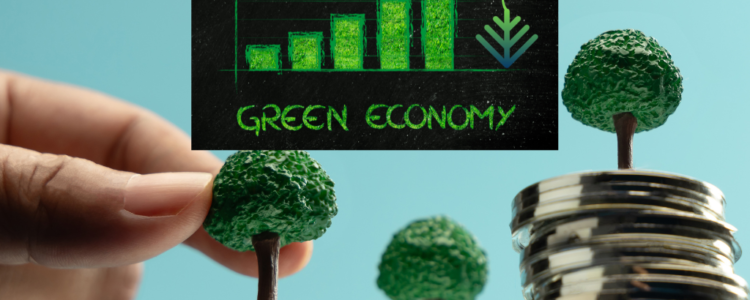
The biggest wealth transfer in modern industrial history is happening right now. Here’s what the data says — and what it means for where capital should be moving.

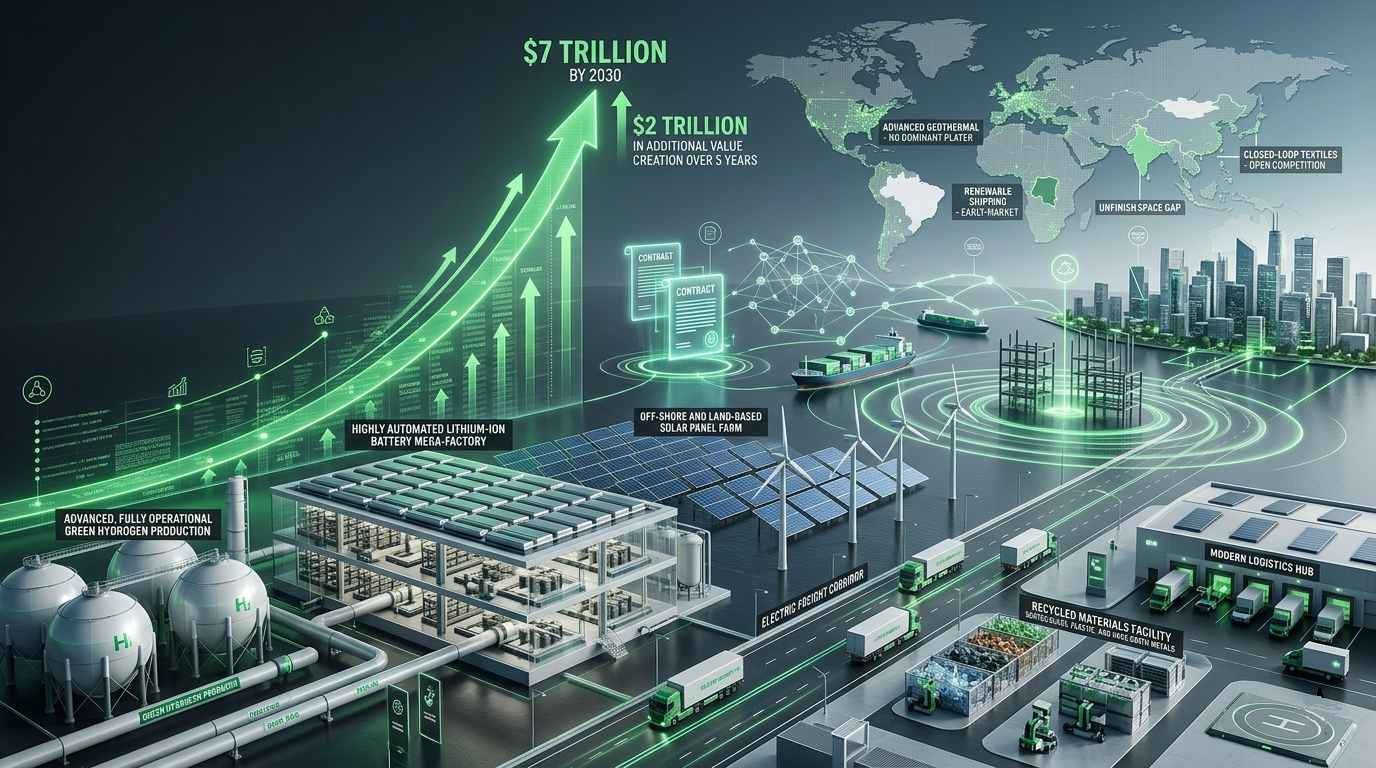
So the data confirms it! The World Economic Forum (WEF), in collaboration with BCG, confirmed in late 2025 that the global green economy surpassed $5 trillion in annual value, with projections to exceed $7 trillion by 2030.

So The Green Economy Hit $5 Trillion. Most People Are Still Treating It Like a Side Project, why is that?

Let’s start with a number that should stop you mid-scroll.

$5 trillion. 💲💲💲💲💲⬅️

That is the current annual value of the global green economy as of 2025. Not projected. Not aspirational. Not a climate activist’s wish list. Current. Verified. And growing at twice the rate of conventional business revenues.

The World Economic Forum (WEF), in collaboration with BCG, confirmed in late 2025 that the global green economy surpassed $5 trillion in annual value, with projections to exceed $7 trillion by 2030.

Growing twice as fast as traditional industries, this sector is now the second-fastest growing area after:

  1. Technology
  2. Green Economy

The green economy is now the second-fastest growing market on the planet — behind only the technology sector. It is outpacing traditional industry driven by energy and transport. It is attracting premium capital. And it is reshaping global trade in ways that most operators, investors, and business leaders are still not fully pricing into their decisions.

This is not an environmental story. This is an economic story. And if you’re not reading it as one, you’re already behind.


What $5 Trillion Actually Means

Numbers at this scale are easy to dismiss. They feel abstract. So let’s make it concrete.

The global green economy generating $5 trillion annually means it is larger than the entire GDP of Japan — the third-largest economy in the world. It means it is larger than the combined GDP of every country in Africa. It means that the companies, operators, and capital allocators who have positioned themselves inside this market are not operating in a niche. They are operating in a core industrial sector creating infrastructure to support its growth.

And here is the part that matters most for anyone thinking about where to deploy capital or build a business over the next five years:

Green revenues are currently expanding at twice the rate of conventional business revenues.

That is not a marginal advantage. That is a structural one. When a sector grows at double the rate of the broader economy, compounded over five years, the gap between those who are positioned inside it and those who are not becomes very difficult to close.

The projection to $7 trillion by 2030 represents $2 trillion in additional value creation over five years. That is $2 trillion in new contracts, new supply chains, new infrastructure, new materials markets, and new business models — most of which do not yet have dominant players.

The window is open. But windows close.

Why This Is Happening Now — The Three Pillars Driving the Surge

Understanding why the green economy has reached this scale is not just academic. It tells you where the durable value is — and where the speculative froth is.

Global industry leaders have identified three operational pillars driving the surge to $5 trillion. Each one has direct implications for where capital should be positioned.

Pillar 1: Technology Maturity

The first wave of the green economy was built on promises. Solar would get cheap. Wind would scale. Electric vehicles would become mainstream. Battery storage would solve the intermittency problem.

Those promises have been kept. The technologies matured. The levelized costs came down. And what was once a subsidized experiment is now a cost-competitive industrial reality.

But here is what most people miss about technology maturity cycles: the biggest returns don’t come from the technology itself. They come from the:

  1. Infrastructure
  2. Materials
  3. Supply chains

that the technology requires at scale.

When solar manufacturing scaled, the demand for industrial-grade silicon, aluminum framing, and specialized coatings scales with it. When electric vehicle production scales, the demand for battery-grade lithium, cobalt, and manganese scales with it. When green construction scales, the demand for certified sustainable building materials scales with it.

The technology is the headline. The supply chain is where the money is made.

The implication: The most durable positions in the green economy right now are not in the technologies themselves — they are in the certified, industrial-grade inputs those technologies require to operate at scale.

Pillar 2: Regulatory Navigation

The second pillar is the one that separates operators who understand this market from those who are still treating it as optional.

The regulatory environment around green economy participation is not softening. It is accelerating.

The Inflation Reduction Act in the United States has deployed hundreds of billions of dollars in subsidies, tax credits, and incentives tied to domestic green manufacturing and clean energy deployment. The Green Deal Industrial Plan in Europe is doing the same across the EU. International climate disclosure frameworks — including mandatory Scope 3 emissions reporting — are moving from voluntary to required in jurisdiction after jurisdiction.

What this means in practice: companies that cannot document the sustainability credentials of their supply chains are going to face increasing friction in accessing capital, winning contracts, and operating in regulated markets. Companies that can document those credentials — with certified, verifiable data — are going to command a premium.

This is not a compliance cost. It is a competitive advantage. And the organizations that understand the difference are the ones building positions right now.

The implication: Regulatory alignment is not a legal department problem. It is a strategy problem. The companies that build regulatory navigation into their core operating model — rather than treating it as a cost center — are going to have structurally lower costs of capital and structurally higher valuations than their peers.

Pillar 3: Industrial Feedstocks

This is the pillar that is least understood — and where some of the most significant near-term opportunity exists.

As the green economy has scaled from theoretical models to practical industrial applications, the demand for certified, industrial-grade sustainable inputs has become a critical bottleneck.

The technologies exist. The regulatory frameworks exist. The capital exists. What is increasingly scarce is the high-quality, verifiable, sustainable raw material that large-scale green manufacturing requires. This is where BioEconomy Solutions exist.

The report is specific about this: high-yield biomass and bio-based materials are transitioning from specialized applications into essential industrial feedstock supply chains. High-density cultivation models producing over 100 to 150 bone dry tons per acre within two to three years are no longer forestry projects. They are industrial supply chain assets.

The language in the report is precise and worth noting: these inputs are becoming essential for meeting the “gold standard” requirements of large-scale green manufacturing.

That language tells you everything about where the pricing power is going to sit in this market over the next five years.

The implication: The scarcest and most valuable resource in the green economy over the next five years is not capital. It is not technology. It is certified, high-quality, industrial-grade sustainable feedstock. The operators who control that supply — with verified credentials, documented yield data, and established supply chain relationships — are going to be in an extraordinarily strong negotiating position.

The Shift That Changes Everything: From Commitments to Execution

Here is the single most important strategic insight in the entire report — and it is stated plainly enough that it is easy to read past it without fully absorbing it.

The market is shifting its focus from “climate commitments” to “operational execution.”

Read that again.

For the past decade, the green economy has been largely driven by commitments. Net zero pledges. Carbon neutrality targets. ESG frameworks. Sustainability reports. The language of intention.

That era is ending.

On page 8 of the report reads:

Growth follows public and private momentum in climate action and adaptation over the last decade The sector’s expansion reflects a sustained momentum in climate action in both national and private spheres.

Today, 142 countries, covering more than 76% of global emissions, have a net-zero commitment in place – up from virtually zero in 2016. Many have implemented regulatory frameworks with increasingly strict emissions standards or have pushed the expansion of low-carbon technologies. Over the same period, corporate decarbonization target-setting has grown exponentially.

By mid-2025, the number of companies with science-based emission reduction targets, or a commitment to set such a target, had surged to 10,949 from just 116 in 2015.9 These companies now represent more than 40% of global market capitalization and approximately 25% of global revenue.

The $2 trillion in additional value projected between now and 2030 is not going to be captured by organizations that make better commitments. It is going to be captured by organizations that execute. That build. That deliver verifiable, measurable, documented results.

This shift has profound implications for every participant in the market — from large corporations to small operators to capital allocators.

For corporations: The ESG report is no longer sufficient. Investors, regulators, and counterparties are demanding operational proof. Supply chain documentation. Verified emissions data. Certified material sourcing. The organizations that can provide that documentation are going to access capital at lower cost and win contracts that their competitors cannot.

For operators and suppliers: The premium is moving to certification and verification. A sustainable material without documentation is worth market price. The same material with certified, verifiable credentials — traceable origin, documented yield, third-party verified sustainability metrics — commands a significant market premium. The report is explicit: certified industrial-grade sustainable materials will command a significant market premium as Scope 3 reporting becomes mandatory.

For capital allocators: The deals worth doing in this market are not the ones with the best climate story. They are the ones with the best operational infrastructure. Verified feedstock supply. Documented performance data. Regulatory alignment. Scalable execution capacity. The capital that flows to those deals is going to generate returns that the commitment-era investments cannot match.

BioEconomy Solutions has produced a standalone platform that offers The ESG Market! (3 T’s) Traceability, Transparency and Trust. Using real-time telemetry and real-time-data.


Where the $2 Trillion Is Going — Sector by Sector

The report identifies specific areas where the expansion from $5 trillion to $7 trillion is expected to concentrate. Understanding the distribution matters for positioning.

Energy and Transport

These remain the largest segments of the green economy and will continue to attract the largest absolute capital flows. But the growth story in energy and transport is increasingly about infrastructure and supply chain rather than technology. The technologies are proven. The bottleneck is execution — grid infrastructure, charging networks, manufacturing capacity, and the certified materials those systems require.

Green Construction

This is an emerging growth area that is significantly underappreciated in most market analyses. As building codes tighten, as embodied carbon becomes a regulated metric, and as green building certifications move from premium to standard, the demand for certified sustainable construction materials is going to accelerate sharply. This is a market that is large, fragmented, and in the early stages of consolidation around quality and certification standards.

Circular Waste Management

The transition from linear to circular material flows is creating new business models across virtually every industrial sector. The value in this space is in the infrastructure — collection systems, processing capacity, certified recycled material supply chains — not in the concept.

Regenerative Agriculture

This is the sector with perhaps the longest runway and the most significant near-term supply-demand imbalance. As Scope 3 emissions reporting becomes mandatory, the demand for verified carbon sequestration, certified sustainable agricultural inputs, and documented regenerative practices is going to exceed supply for the foreseeable future. The operators who are building verified, scalable regenerative agriculture systems right now are building assets that are going to be extraordinarily valuable in a mandatory reporting environment.

Biomass and Carbon Sequestration

The report is specific and worth quoting directly: “There is an increasing demand for verifiable, high-efficiency biological sources.”

Verifiable. High-efficiency. Biological.

Those three words define the quality standard that the market is moving toward. Not biomass. Verifiable biomass. Not carbon sequestration. High-efficiency carbon sequestration. The premium is in the verification and the efficiency — not just the existence of the resource.

High-density cultivation models producing 100 to 150 bone dry tons per acre within two to three years are explicitly identified as transitioning from specialized forestry into essential industrial feedstock supply chains. That transition is happening now. The supply chain infrastructure to support it is being built now. The operators who are positioned inside that transition — with verified yield data, certified sustainable practices, and established offtake relationships — are building positions that are going to be very difficult to replicate in three to five years.

BioEconomy Solutions provides traceability and feedstock security to all of these sectors.


The Capital Advantage Nobody Is Talking About Loudly Enough

The Lower Cost Capital Advantage

  • Capital Advantage: Companies operating within the green sector are increasingly benefiting from “smart capital,” enjoying lower costs of debt and premium valuations on capital markets compared to carbon-intensive peers.

Companies in the green economy typically obtain access to cheaper capital Companies with green revenues can benefit both when raising equity and borrowing capital. They often enjoy better financing terms, including lower weighted average cost of capital (WACC).

BCG analysis found a correlation consistent across all industries that companies with green revenues secure a lower cost of capital at an average of~43 basis points (bps) less than companies without green revenues (see Figure 15 for detailed WACC discounts on selected industries) on page 26 of the report.

Notably, new debt financing vehicles often offer lower-cost financing to companies funding green projects (e.g. green bonds). A lower risk profile of companies in green markets can also justify a lower cost of debt. Leading financial institutions highlight that companies with access to cheaper capital can often generate higher share prices.

This means that secondary share issues and mergers and acquisitions transactions are less dilutive. A better valuation may support lower interest rates, lowering overall capital costs. As a result, companies with access to cheaper capital can invest in green growth opportunities more easily and efficiently – creating a virtuous cycle that improves revenues, overall financial performance and market valuations.

This is not a soft benefit. This is a hard financial advantage that compounds over time.

Lower cost of debt means that green economy operators can finance growth at lower rates than their conventional competitors. Over a five-year capital deployment cycle, that difference in financing cost translates directly into competitive advantage — the ability to bid more aggressively, invest more heavily, and scale faster than competitors who are paying higher rates for the same capital.

Premium valuations mean that when green economy operators access equity markets — whether through private investment rounds, strategic partnerships, or public markets — they are receiving higher multiples for the same earnings than carbon-intensive peers. That premium valuation is not just a paper gain. It is a real cost-of-capital advantage that affects every subsequent financing decision.

The organizations that understand this dynamic are not just building green businesses because they believe in the mission. They are building green businesses because the financial structure of the green economy is fundamentally more advantageous than the financial structure of conventional industry — and that advantage is growing, not shrinking, as regulatory pressure increases and capital markets continue to price carbon risk into valuations.

The BioEconomy Solutions “Industrial-Scale Biogenic Carbon Infrastructure” projects benefit directly from this capital market environment.

The Red Team View — What Could Go Wrong

Any honest analysis of a $5 trillion market opportunity has to include the failure modes. Here are the ones worth taking seriously.

Policy Reversal Risk: Green economy growth has been significantly accelerated by policy support — the IRA, the Green Deal Industrial Plan, and similar frameworks. Policy environments can change. Organizations that are building businesses entirely dependent on subsidy structures rather than underlying economic fundamentals are exposed to policy reversal risk in ways that operators with genuine cost competitiveness are not.

Certification Inflation: As the premium for certified sustainable materials grows, the pressure to dilute certification standards grows with it. The organizations that are building positions based on genuinely rigorous certification — not the minimum viable standard — are going to be better protected against the devaluation of weaker certifications.

Execution Gap: The shift from commitments to execution is real — but execution is hard. The green economy is full of organizations that have made compelling commitments and are struggling to deliver operational results. The capital that flows to this market is going to become increasingly sophisticated about distinguishing between organizations that can execute and organizations that can only communicate.

Supply Chain Concentration: As demand for certified sustainable feedstocks grows faster than supply, there is a real risk of supply chain concentration — a small number of verified suppliers controlling access to materials that large-scale green manufacturing requires. This is a risk for buyers and an opportunity for suppliers who move early to establish verified, scalable supply.


What This Means If You’re Building or Investing Right Now

Let’s bring this to ground level.

If you are a developer, operator, or capital allocator trying to figure out where to position over the next three to five years, the report points to a clear set of principles:

Move toward verification. The premium in this market is moving to certified, documented, verifiable performance. Whatever you are building — whether it is a material supply chain, an infrastructure project, or a manufacturing operation — the investment in rigorous certification and documentation is not a cost. It is a value creation activity.

Think supply chain, not technology. The technologies are largely proven. The supply chains that those technologies require at scale are still being built. The most durable positions in the green economy over the next five years are in the certified inputs, the industrial feedstocks, and the supply chain infrastructure — not in the technologies themselves.

Treat regulatory alignment as strategy. The organizations that are building regulatory navigation into their core operating model — rather than reacting to regulatory changes as they come — are going to have structural advantages in accessing capital, winning contracts, and operating in regulated markets.

Execute, don’t just commit. The market is done rewarding commitments. The $2 trillion in value creation between now and 2030 is going to flow to organizations that can demonstrate operational results — verified data, documented performance, scalable execution capacity.


The Bottom Line

The global green economy is a $5 trillion reality. It is growing at twice the rate of conventional industry. It is attracting premium capital at lower cost. And it is projected to add $2 trillion in additional value by 2030.

The era of climate commitments is over. The era of operational execution has begun.

The organizations that are going to capture disproportionate value in this market over the next five years are not the ones with the best sustainability reports. They are the ones with the best supply chains, the most rigorous certifications, the most verifiable performance data, and the most disciplined execution capacity.

The window is open. The supply chains are being built. The specifications are being written. The capital is moving.

The question is not whether the green economy is real. That question has been answered.

The question is whether you are positioned inside it — with verified assets, certified materials, and operational infrastructure — before the window closes.


Ready to Map Your Position in the Green Economy?

At BioEconomy Solutions, we work with operators, developers, and capital allocators who are building positions in the green economy infrastructure — in biomass supply chains, sustainable infrastructure, carbon sequestration assets, and certified material markets — before they become obvious.

If you are serious about understanding where your specific business, project, or capital fits inside the $5 trillion green economy — and you want a clear strategy mapped around your actual situation, not a generic framework — let’s talk and see if we are aligned.

The market is moving from commitments to execution. The operators who move now build positions that are very difficult to replicate in three years.

Book a strategy call with the BioEconomy Solutions team.

♻️ Share This Post

📢 Comment Below / What are your thoughts?

👉 Follow BioEconomy Solutions for more

🌍 If you found this helpful, “Join my newsletter for deeper insights”. Link in my featured section.

♻️ Repost if you believe profitable reforestation is the future.

👉 Learn More About: Paulownia “G.U.A.R.D.I.A.N. Framework™”: https://www.linkedin.com/pulse/guardian-sustainability-operating-system-bioeconomy-victor-garlington-2dcke/

👉 This Is How We Grow Paulownia: https://bioeconomy-solutions.kit.com/products/paulownia-growers-manual-bio-econom

📧 Email: Mail@BioEconomySolutions.com

📅 Book a consultation 📞call: www.BioEconomySolutions.com/bookcall


Source: WEF Report on Already a MultiTrillion-Dollar Market: CEO Guide to Growth in the Green Economy Dec 2025


#GreenEconomy #Sustainability #ESG #CapitalStrategy #GreenInfrastructure #Biomass #CarbonSequestration #IndustrialFeedstocks #ClimateEconomy #BioEconomySolutions

The G.U.A.R.D.I.A.N. Framework™

Growing sustainable biomass at scale

Unifying industry, farmers, and environment

Achieving net-zero operations

Regenerating degraded landscapes

Diversifying rural income streams

Integrating carbon credit economies

Accelerating climate solutions

Nurturing 35+ year supply chains

BioEconomy Solutions (BES) is pioneering the transition from extractive to regenerative industrial operations through The G.U.A.R.D.I.A.N. Framework™ https://www.linkedin.com/pulse/guardian-sustainability-operating-system-bioeconomy-victor-garlington-2dcke/

Download Your FREE COPY of The G.U.A.R.D.I.A.N. Framework™ E-BOOK - 58pages

The G.U.A.R.D.I.A.N. Framework™ E-BOOK – 58pages

Your Net-Zero strategy is only as strong as your carbon credits.

For: CFOs, Chief Sustainability Officers (CSOs), and Chief Risk Officers (CROs) at Fortune 500 companies.

Here’s Your Supplier Carbon Credit Audit CHECK LIST ✅

The market has shifted: risk management now outweighs lowest price considerations. Your Net-Zero strategy is under scrutiny, and the goal is no longer just to buy credits, but to buy verifiable integrity to protect your company from greenwashing and reputational risk.

Here is an executive guide to auditing your carbon credit suppliers based on the three pillars of a high-integrity asset:


1. Audit Supplier Integrity & Alignment (Partner vs. Broker)

Focus on eliminating middlemen and securing long-term supply.

  • Direct Partnership: Does the supplier own or directly control the core asset and project development, eliminating all brokers?
  • Supply Security: Are they able to offer multi-year forward contracts backed by performance bonds?
  • ICP Focus: Is their business model structured to serve high-volume corporate buyers, not commodity traders?
  • Reputational Risk: Does the supplier have a public track record free of “Greenwashing” allegations or retracted credits?

2. Audit Verification & Transparency Rigor (The Data Standard)

Demand the highest global standards for measurement and auditability—your legal compliance depends on it.

  • ISO Standard: Is the verification process based on international standards for GHG statements, such as ISO 14064-3?
  • Third-Party VVB: Is the project verified by a globally recognized, independent Verification Body (SGS, DNV or Other)?
  • Digital Monitoring (dMRV): Do they use Digital Monitoring, Reporting, and Verification systems (like Flux Towers, Satellite, and AI modeling)?
  • Blockchain/DLT: Is the final, verified carbon data recorded on an immutable ledger to prevent double-counting?

3. Audit Biological & Climate Performance (Real-World Impact)

Ensure the environmental impact is demonstrably superior and the CO2 permanence is durable.

  • 10x CO2 Removal: Does the project achieve CO2 removal rates demonstrably 5x or more than traditional forestry (e.g., BES achieves 33.15 tons/ha vs. 3−5 tons)?
  • Durable C-Sink: Is the sequestered CO2 stored in durable products (e.g., quality timber), not just short-lived vegetation?
  • Coppicing Ability: Does the tree species regenerate from the stump, ensuring continuous forest cover and supply without costly replanting?

Quick Tip for Executives: If your current carbon supplier scores below 50 on an audit across these criteria, STOP BUYING. You are exposed to High Reputational and Compliance Risk. Pivot immediately to a direct-partnership model.

Ready to De-Risk Your 2025 Carbon Strategy?

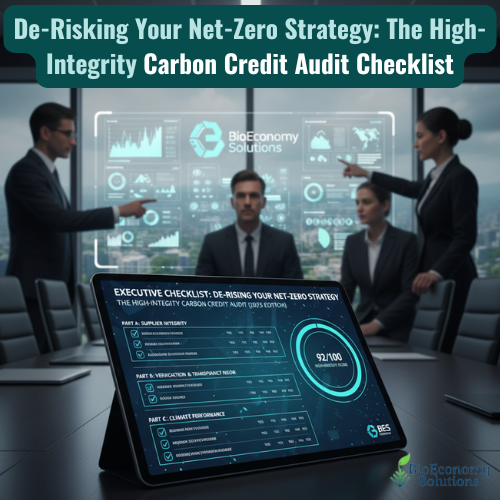
Get a FREE copy of Executive Checklist: De-Risking Your Net-Zero Strategy

Get a FREE copy of Carbon Executive Checklist: De-Risking Your Net-Zero Strategy:

Checklist: De-Risking Your Net-Zero Strategy:

Want more information on BioEconomy Solutions Nature-Based High Integrity Carbon Credits?

Click Here to Schedule Your Confidential Briefing: https://bioeconomysolutions.com/bookcall

What BioEconomy Solutions (BES) Uniquely Offers:

✅ Direct plantation ownership (1M+ hectare capacity)

✅ Real-time MRV systems (flux towers, satellite, IoT)

✅ Blockchain verification (Compliance)

✅ Multi-year contracts (3-7 year forward agreements)

✅ Premium performance (10x sequestration vs. competitors)

CONTACT US

Contact BioEconomy Solutions for a carbon portfolio assessment.

Your next audit could be a profit opportunity instead of a compliance expense.

Visit our web page. https://bioeconomysolutions.com

We’re happy to organize a time to speak with you about our nature-based carbon solutions. Please book your preferred time to speak directly.

Book a Conversation: Here’s a link to my online calendar/schedule:

www.bioeconomysolutions.com/bookcall

BioEconomy Solutions

mail@BioEconomySolutions.com

Office: 843.305.4777

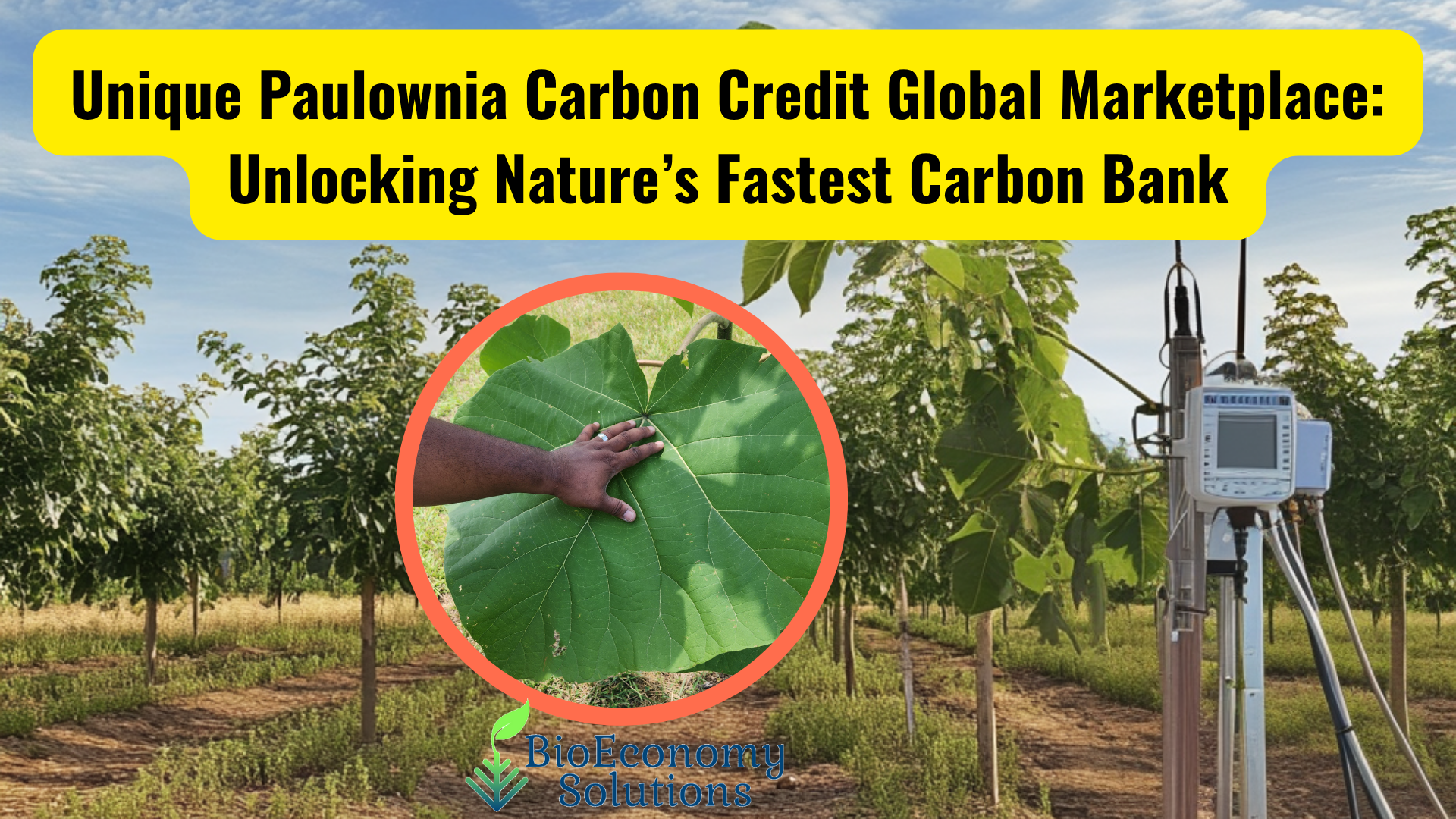
Did You enjoy this article? You may also enjoy “Unique Paulownia Carbon Credit Global Marketplace: Unlocking Nature’s Fastest Carbon Bank

https://www.linkedin.com/pulse/unique-paulownia-carbon-credit-global-marketplace-bank-garlington-jnpwe/?lipi=urn%3Ali%3Apage%3Ad_flagship3_pulse_read%3BeP8PR0mlR8i5uHWmJ3hQgA%3D%3D

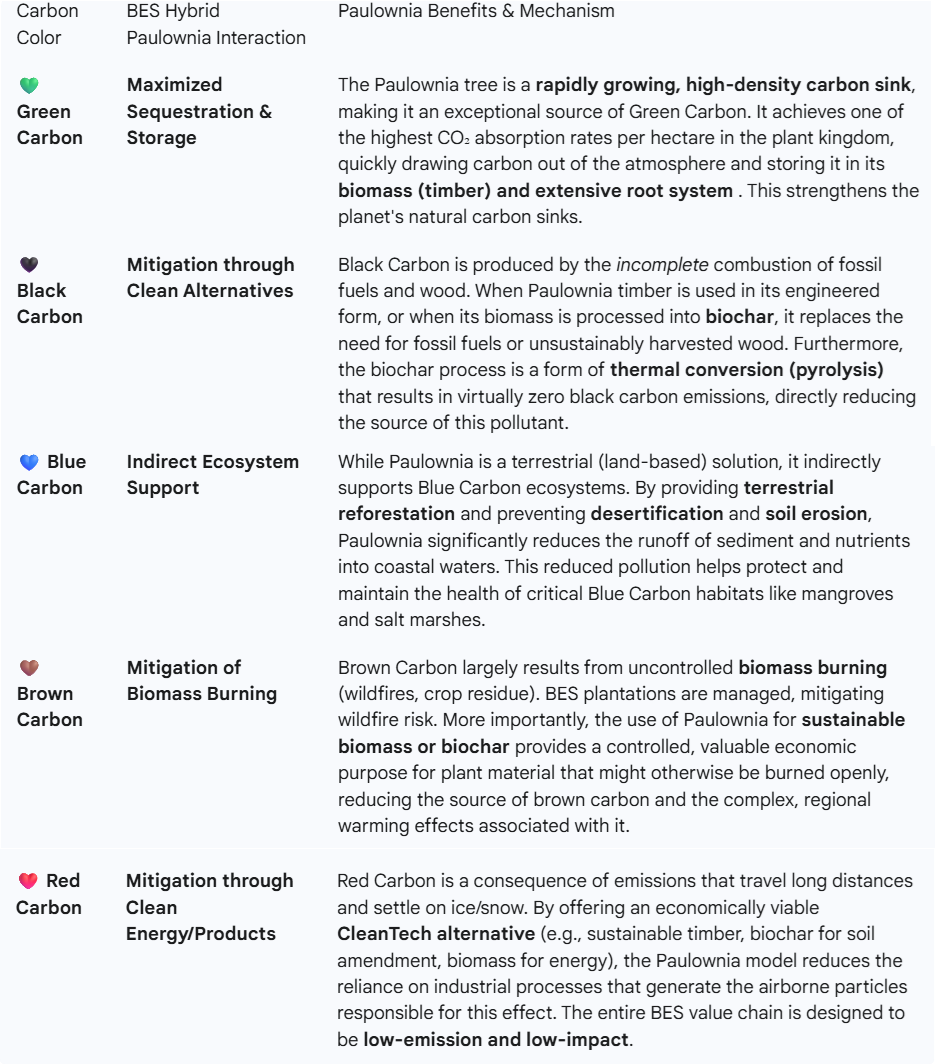
The BES hybrid Paulownia model directly and positively interacts with these “Colors of Carbon” primarily through its highly efficient Green Carbon sequestration, while also offering solutions that mitigate the negative effects of Black, Brown, and Red Carbon by providing a clean, sustainable alternative to traditional industrial practices.

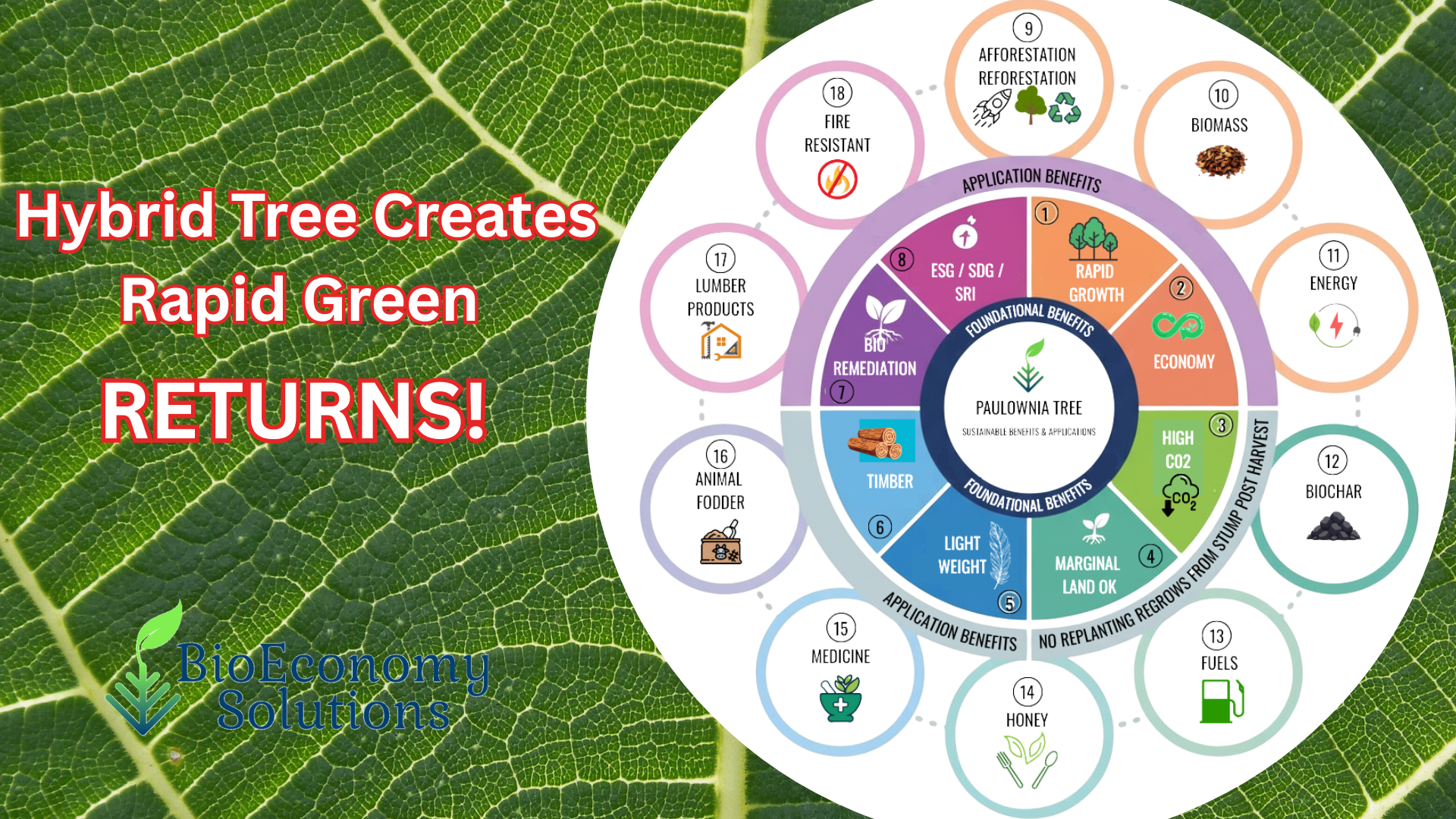
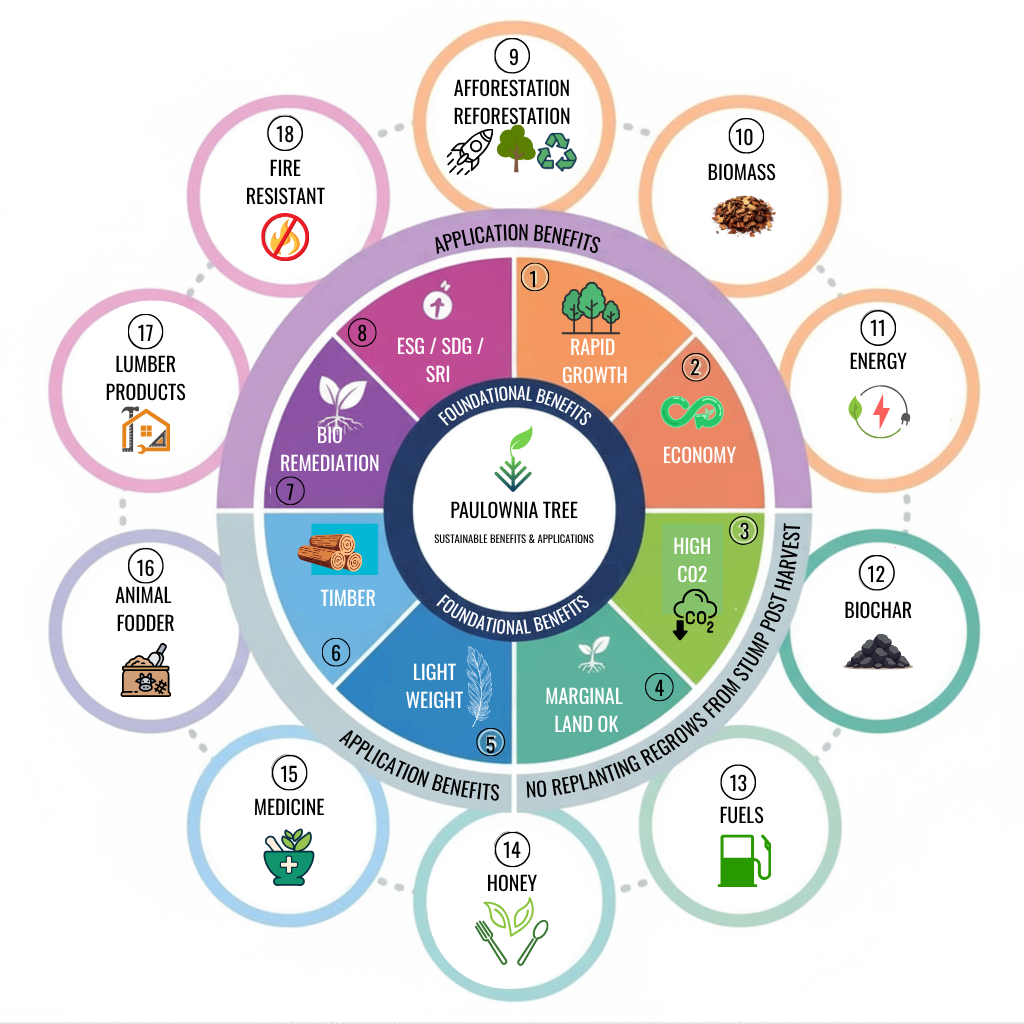
The Paulownia tree is a unique asset for ESG-aligned investment due to its rapid growth and wide-ranging environmental and social benefits. It directly addresses key risks and opportunities across all three ESG pillars.

Here is how the BES hybrid Paulownia trees interact with each carbon source:

Key Hybrid Paulownia Benefits

Paulownia: The Fast-Track to ESG Alpha in Sustainable Investing

In today’s market, Environmental, Social, and Governance (ESG) performance isn’t just a compliance issue—it’s a leading indicator of long-term value. For investors seeking tangible, nature-based solutions, the Paulownia (or “Empress”) tree is becoming a vital asset, fundamentally reshaping forestry and land use.

Here’s a breakdown of how Paulownia plantations can positively affect all three ESG factors in your investment portfolio:

E – Environmental: Carbon & Circular Economy

Paulownia sequesters large amounts of CO₂, restores degraded land, improves soil health, and supports biodiversity. Its rapid growth and ability to regrow after harvest (coppicing) make it ideal for sustainable forestry and carbon credit generation.

  • Hyper-Efficient Carbon Sequestration: Paulownia is one of the fastest-growing trees globally. Its rapid growth cycle means it sequesters $\text{CO}_2$ at a rate significantly higher than many other species, offering a powerful, verifiable asset for Carbon Credit generation.
  • Sustainable Timber: The wood is lightweight, durable, and naturally fire/pest-resistant. It matures in 5-10 years (vs. 25-50+ for conventional hardwoods), providing a highly renewable raw material that reduces pressure on old-growth forests and supports the circular economy.
  • Soil and Land Remediation: Its deep, extensive root system fights soil erosion, improves water infiltration, and can even be used for bioremediation on degraded or copper contaminated land brownfield / superfund sites, turning “stranded assets” into productive, green capital.

S – Social: Community & Development

Paulownia projects create rural jobs, support local communities, enable farmer partnerships, and can be integrated with food crops (intercropping), enhancing food security and livelihoods.

  • Agroforestry & Food Security: Paulownia’s unique canopy structure and deep roots make it ideal for intercropping, allowing food crops to grow between the trees. This diversifies income for farmers and enhances food security in local communities.
  • Job Creation: Fast-cycle forestry creates predictable, long-term employment in rural economies, covering plantation management, harvesting, and wood processing.
  • Community Resilience: Plantations can be structured to support local cooperatives, providing economic opportunities that are fundamentally linked to positive environmental stewardship.

G – Governance: Transparency & Risk Mitigation

Paulownia-based projects can be tracked and verified using real-time MRV (Measurement, Reporting, Verification) systems, ISO certification, and blockchain, ensuring transparency, auditability, and compliance with global ESG standards (CSRD, SEC, GRI).

  • Verifiable Metrics: The rapid, measurable growth of Paulownia makes it excellent for establishing clear, auditable metrics for ESG reporting, which is essential for compliance (e.g., CSRD, SFDR).
  • Supply Chain Stability: Investing in domestic or local Paulownia plantations diversifies and shortens the timber supply chain, mitigating risks associated with volatile global imports and geopolitical instability.
  • Climate Resilience: The tree’s tolerance for various climates and poor soils reduces operational risk compared to more sensitive mono-cultures, ensuring a more stable return on capital for investors.

Download The Carbon Credit Audit Checklist

Get your FREE copy here

Key Hybrid Paulownia Benefits Details

The BES Paulownia model goes beyond simple sequestration, creating a multi-faceted solution often referred to as a Carbon Stack due to its numerous co-benefits:

Soil Restoration: The deep, fast-growing roots stabilize soil, prevent erosion, and promote microbial life, making it a powerful tool for reversing desertification .

Economic Yield: The wood is light, strong, and highly valued (like balsa wood), maturing in just 5–7 years, offering a significantly faster return on investment than conventional forestry (which can take 40–80 years).

Revenue Stacking: It creates multiple income streams (timber, high-quality carbon credits, biochar, biomass energy, and even honey), which de-risks the investment compared to single-product forestry.

Air and Water Purification: The large leaves and high photosynthetic efficiency act as natural air filters, while the dense root structure is excellent at phytoremediation (removing toxins from the soil), improving local water quality.

Conclusion: This explains how Paulownia trees are positioned as a nature-based solution for ESG (Environmental, Social, and Governance) goals.

For investors prioritizing both impact and return, Paulownia is not just a tree—it’s an infrastructure asset. It aligns capital with the future of sustainable material science, verifiable climate action, and equitable rural development.

CONTACT US

Contact BioEconomy Solutions for a carbon portfolio assessment.

Your next audit could be a profit opportunity instead of a compliance expense.

Visit our web page. https://bioeconomysolutions.com

We’re happy to organize a time to speak with you about our paulownia trees and lumber we have for sale. Please book your preferred time to speak directly.

Book a Conversation: Here’s a link to my online calendar/schedule:

www.bioeconomysolutions.com/bookcall

BioEconomy Solutions

mail@BioEconomySolutions.com

Office: 843.305.4777

LIKE|SHARE|COMMENT

Join Our Newsletter – Get a FREE copy of Paulownia Carbon Report

Subscribe to our newsletter

Subscribe to our newsletter

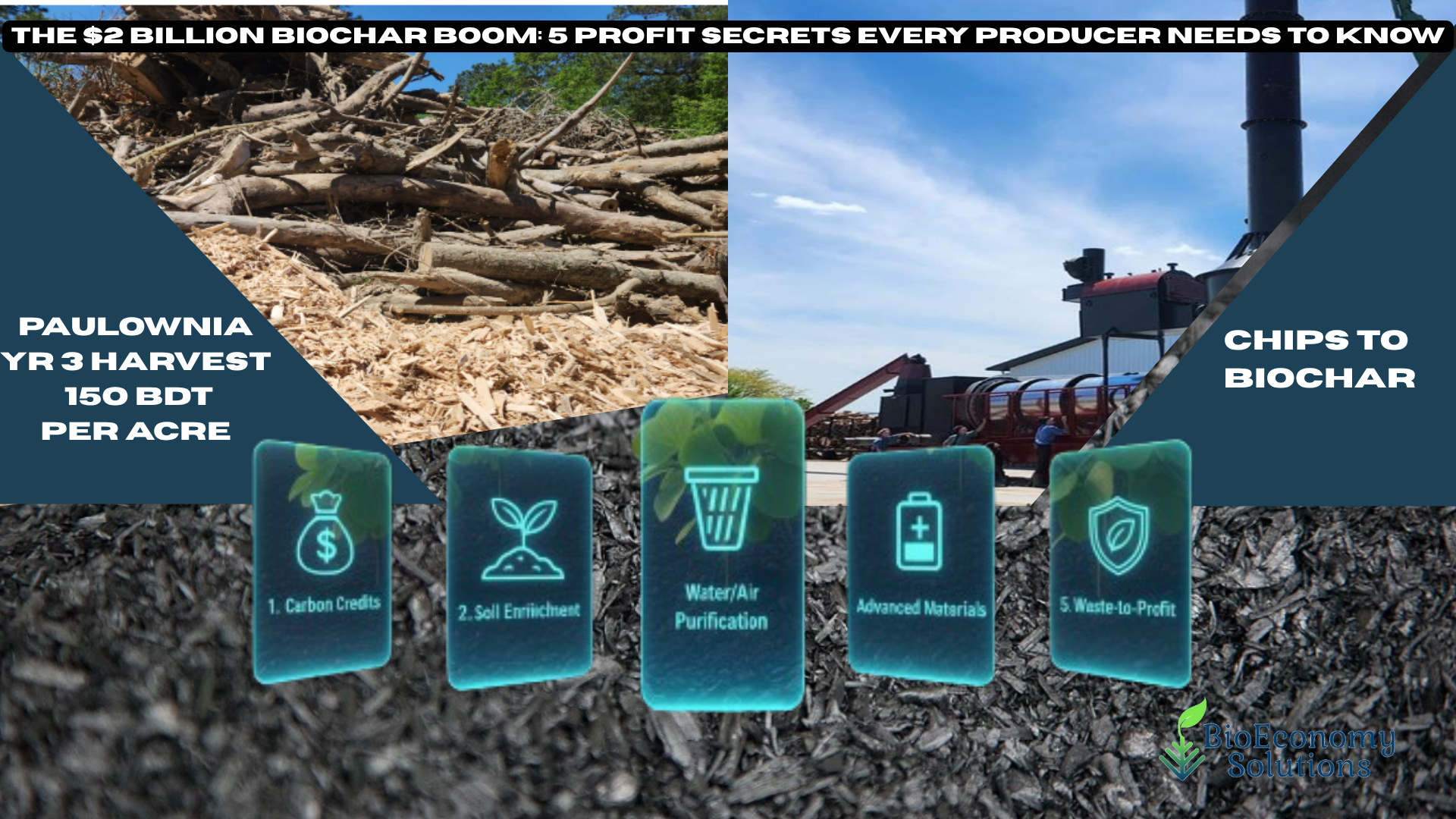
Most biochar companies are leaving money on the table.

Here’s how the smartest producers are turning waste into a goldmine—while everyone else is stuck chasing commodity prices.


The Profitability Crisis Nobody Talks About

You can have the best technology, the greenest mission, and the most passionate team—but if your biochar business isn’t profitable, it won’t last.

The brutal truth:
Most biochar startups struggle with high costs, inconsistent feedstock, and razor-thin margins.

But the market is exploding:

  • $641M in 2022 → $2.1B by 2030
  • Profit margins: 20% to 50%+
  • Premium products: $2,000+/ton

So why are so many companies missing out?


The 5 Profit Levers That Separate Winners from Losers

1. Feedstock Sourcing: The 40% Cost Secret

  • Smart producers co-locate near agricultural or forestry waste sources
  • Tipping fees turn a cost into a revenue stream ($30-50/ton)
  • Result: Up to 40% reduction in total feedstock costs

2. Energy Integration: Turn Waste Gas into Free Power

  • Use syngas from pyrolysis to power your plant
  • Eliminate external energy bills—save $50-100/ton
  • Result: Lower operating costs, higher margins

3. Scale Up or Get Left Behind

  • Bigger plants = lower costs: 20-30% per-ton savings at 10,000 tons/year vs. 2,000 tons/year
  • Better labor and equipment utilization
  • Result: Scale is the fastest path to profit

4. Specialize to Command Premiums

  • Custom blends (compost, nutrients, fungi) sell for 50-150% more than raw biochar
  • Target high-value markets: agriculture, horticulture, water treatment
  • Result: Move from commodity to premium pricing

5. Make It Easy for Customers

  • Pellets, granules, prills—user-friendly forms justify 20-40% price increases
  • Easier transport, storage, and application
  • Result: Higher sales, happier customers

The Playbook for Biochar Profitability

What the best producers do differently:

  • Secure negative-cost feedstock (tipping fees, local partnerships)
  • Integrate energy systems to cut costs and boost sustainability
  • Invest in scale—don’t stay small and hope for the best
  • Develop value-added products for premium markets
  • Get certified (IBI, EBC) to unlock new customers and higher prices

The bonus revenue streams:

  • Carbon credits: Monetize your climate impact
  • Co-products: Bio-oil, syngas for energy or sale
  • New markets: Construction, animal feed, industrial uses

The bottom line:
Biochar isn’t just about saving the planet—it’s about building a business that lasts.


Ready to turn your biochar operation into a profit engine?

Stop chasing commodity prices. Start building a premium, diversified, and scalable business.

Want the full playbook? Contact Us.


CONTACT US
Contact BioEconomy Solutions for a confidential biodiversity credit portfolio assessment.

Your next audit could be a profit opportunity instead of a compliance expense.

Visit our web “Paulownia Carbon Credits” page.

We’re happy to organize a time to speak with you about our paulownia trees and lumber we have for sale. Please book your preferred time to speak directly.

Here’s a link to my online calendar/schedule:

www.bioeconomysolutions.com/bookcall 

BioEconomy Solutions

mail@BioEconomySolutions.com

Office: 843.305.4777

LIKE|SHARE|COMMENT

Join Our Newsletter – Get a FREE copy of Paulownia Carbon Report

#Biochar #Profitability #Sustainability #AgTech #CircularEconomy #StartupGrowth

ESG vs CSR vs Sustainability — The Truth About Corporate Buzzwords
These terms get thrown around like confetti. But most people use them wrong.

Here’s what they actually mean:
🌱 Sustainability = The Goal
Balance people, planet, profit
Long-term thinking
Applies to everyone (not just companies)

📊 ESG = The Measurement
Environmental, Social, Governance metrics
Investment decisions
Risk management
Data-driven approach

🤝 CSR = The Action
Corporate giving
Community programs
Ethical business practices
“Doing good” initiatives

Think of it this way:
Sustainability is the destination.
ESG is the GPS.
CSR is the vehicle.

The problem?
Most companies treat them as separate things.
Smart companies connect them:
✅ Use ESG data to guide CSR programs
✅ Align CSR actions with sustainability goals
✅ Measure everything for investor transparency

Real example:
Our company BioEconomy Solutions plants trees (CSR action) → Tracks carbon sequestration (ESG metric) → Contributes to net-zero goals (Sustainability outcome).

👉 LEARN MORE HERE: https://bioeconomysolutions.com/esg-vs-csr-vs-sustainability-the-corporate-buzzword-confusion-thats-costing-you-money/

👉 Get a FREE copy of Paulownia Carbon Report: https://bioeconomysolutions.com/carbonreport
————————————
LIKE | SHARE | SUBSCRIBE | FOLLOW | COMMENT

How Paulownia Trees Capture the $340M European Biochar Boom and $20B ESG Market.

The numbers are staggering:

European biochar market: $340M by 2030 US biochar market: $1.3B by 2033 European ESG market: $20.48B by 2030

But here’s what most people miss:

The feedstock bottleneck is about to choke growth.

The Supply Crisis Nobody’s Talking About

Current biochar production relies on:

  • Agricultural waste (seasonal, inconsistent)
  • Forest residues (limited, transportation costs)
  • Energy crops (compete with food production)

Result: 180+ European biochar plants by 2023, but feedstock shortages limiting scale.

Enter Paulownia: The Biochar Game-Changer

Why Paulownia solves the feedstock crisis:

🌱 Consistent Supply:Coppices every 3-5 years, predictable biomass

🌱 High Yield:80-100 green tons per hectare annually

🌱 Purpose-Grown:Dedicated energy crops, not competing with food

🌱 Marginal Land:Grows on degraded soil, doesn’t displace agriculture

🌱 Mechanized Harvest: 80-100 tons/hour processing capacity

The Perfect Market Timing

European Biochar Drivers = Paulownia Advantages:

Sustainable Agriculture ✅

  • Paulownia biochar improves soil structure and nutrient retention
  • Intercropping capabilities support regenerative farming
  • Grows on marginal land, restores degraded soils

Climate Mitigation ✅

  • 2.5-3.3 carbon credits per ton of biochar produced
  • Permanent carbon storage (1,000+ years)
  • Dual sequestration: growth phase + biochar storage

Technological Advancement ✅

  • Optimized for pyrolysis (low ash, high carbon content)
  • Consistent feedstock quality for industrial-scale production
  • Integrated biorefinery potential (biochar + biofuels + chemicals)

Regulatory Support ✅

  • EU Taxonomy alignment for sustainable activities
  • CSRD reporting requirements favor verifiable carbon removal
  • Article 6 carbon market opportunities

ESG Market Integration Strategy

How Paulownia captures the $20B ESG opportunity:

Environmental (E)

  • Verified Carbon Removal: Blockchain-tracked from tree to biochar
  • Biodiversity Enhancement: Habitat corridors, pollinator support
  • Soil Restoration: Degraded land rehabilitation, erosion control
  • Water Management: Improved infiltration, reduced runoff

Social (S)

  • Rural Development: Farmer partnerships, local job creation
  • Community Investment: Processing facilities in rural areas
  • Food Security: Intercropping capabilities, soil improvement
  • Environmental Justice: Restoration of underserved communities

Governance (G)

  • Transparency: Crystal Validator™ compliance controls
  • Traceability: Registry serialization through Xpansiv
  • Risk Management: Diversified revenue streams, climate resilience
  • Stakeholder Engagement: Community-based growing programs

The Competitive Advantage

Traditional Biochar Feedstock:

❌ Seasonal availability

❌ Quality inconsistency

❌ Transportation costs

❌ Competing uses

Paulownia Biochar Feedstock:

✅ Year-round production planning

✅ Consistent quality parameters

✅ Local production networks

✅ Purpose-grown for biochar

Market Capture Strategy

Phase 1: European Market Entry (2025-2026)

  • Partner with existing biochar producers facing feedstock shortages
  • Establish 5,000-hectare demonstration plantations
  • Secure offtake agreements with industrial biochar facilities
  • Target €125-145/ton biochar credit pricing (current CORCCHAR index)

Phase 2: Scale-Up (2027-2029)

  • Expand to 50,000+ hectares across multiple EU countries
  • Develop integrated biorefineries (biochar + biofuels + chemicals)
  • Launch direct ESG partnerships with Fortune 500 companies
  • Capture 5-10% of European biochar feedstock market

Phase 3: Market Leadership (2030+)

  • Achieve 100,000+ hectare production network
  • Establish Paulownia as premium biochar feedstock standard
  • Export model to US market ($1.3B opportunity)
  • Lead consolidation of fragmented biochar supply chains

Financial Projections

Conservative Market Capture (5% of European biochar market by 2030):

  • Market opportunity: $17M annually (5% of $340M)
  • Feedstock premium: 20-30% above agricultural waste
  • Carbon credit revenue: Additional $50-75M annually
  • Total addressable revenue: $67-92M from European market alone

ESG Integration Multiplier:

  • Premium pricing for verified ESG impact: +25-40%
  • Long-term offtake agreements: Reduced market risk
  • Diversified revenue streams: Timber, carbon, biochar, data

The Regulatory Tailwind

EU Taxonomy Alignment:

  • Climate change mitigation (carbon sequestration)
  • Climate change adaptation (soil restoration)
  • Sustainable use of water and marine resources
  • Transition to circular economy (waste-to-value)
  • Pollution prevention and control (soil remediation)
  • Protection of healthy ecosystems (biodiversity enhancement)

CSRD Reporting Benefits:

  • Quantifiable environmental impact metrics
  • Verifiable carbon removal documentation
  • Supply chain sustainability evidence
  • Stakeholder engagement proof points

The Bottom Line

The biochar market is exploding, but feedstock supply is the bottleneck.

The ESG market demands verifiable impact, but most solutions lack transparency.

Paulownia solves both problems:

  • Reliable, scalable biochar feedstock
  • Integrated ESG impact with audit-grade documentation
  • Multiple revenue streams reducing investment risk
  • Regulatory alignment across EU frameworks

While competitors struggle with feedstock shortages and ESG compliance, Paulownia-based solutions capture both the $340M biochar opportunity and the $20B ESG market through integrated, verifiable impact.

The question isn’t whether these markets will grow—it’s whether you’ll be positioned to capture them.


Ready to explore how Paulownia can position your organization in the biochar and ESG growth markets? Contact BioEconomy Solutions to learn how purpose-grown feedstock and integrated ESG solutions create competitive advantages in rapidly expanding markets.

The biochar boom needs feedstock. The ESG market needs proof. Paulownia delivers both.

Contact Us for paulownia saplings and planning assistance.

Where To Buy Paulownia? Paulownia For Sale – QUESTIONS?

Learn more about paulownia carbon projects here: https://bioeconomysolutions.com/paulownia-carbon-credits/

We’re happy to organize a time to speak with you about our paulownia trees and lumber we have for sale. Please book your preferred time to speak directly.

Here’s a link to my online calendar/schedule:

www.bioeconomysolutions.com/bookcall

BioEconomy Solutions

mail@BioEconomySolutions.com

Office: 843.305.4777


Download FREE Paulownia Carbon REPORT

Subscribe to our newsletter

Subscribe to our newsletter & get FREE Paulownia Carbon Report

The $50 Billion Carbon Credit Rush

The $50 Billion Carbon Credit Rush: Why Smart Money Is Buying Trees (Before It’s Too Late)

The market that’s about to explode from $8 billion to $200 billion in the next 6 years – and 99% of people have no idea it exists.

While everyone’s chasing crypto and AI stocks, the smartest investors are quietly buying something that literally grows money from dirt. And the supply is running out faster than anyone expected.

Here’s exactly what’s happening in the carbon credit market and how you can position yourself before this opportunity disappears forever.

SECTION 1: The Market Explosion Nobody Sees Coming

Right now, only 537 companies globally are buying carbon removal credits. But over 10,000 companies have committed to net-zero targets by 2030.

The Math Is Staggering:

  • If just 10% start buying, the market needs to scale 25 times overnight

  • New regulations force companies to buy starting in 2026

  • Current market: $8 billion → Projected: $200+ billion

The Clear Winner: Biochar dominates everything:

  • 86% of all carbon removal deliveries in 2024

  • 80% of buyers choose biochar over other solutions

  • Delivers credits in 1-3 years vs. 20+ years for traditional forestry

But here’s the problem that’s about to make early investors very wealthy..

SECTION 2: The Supply Crisis Creating Millionaires

Supply Is Disappearing Before Our Eyes:

  • 62% of high-quality biochar capacity for 2025: SOLD OUT

  • 28% of 2026 supply: LOCKED UP in contracts

  • Only 30% of biochar projects meet institutional quality standards

Smart Money Strategy: While most people buy carbon credits at market price, companies like Microsoft, Google, and Stripe are signing “offtake agreements” – pre-ordering years in advance at massive discounts.

The Results Speak for Themselves:

  • 15-30% discounts compared to spot prices

  • One company saved $918,750 on a single 3-year deal

  • Historical example: $125/tonne (2022 offtake) vs. today’s $165/tonne

SECTION 3: The Price Explosion That’s Already Started

Why Prices Will Skyrocket:

  • Biochar prices already grew 29.2% annually for 4 consecutive years

  • By 2030, demand could be 6 times larger than available supply

  • 70% of new biochar capacity fails quality standards

The Perfect Storm Is Brewing:

  • 10,000+ companies must start buying by 2026 (regulatory requirements)

  • Each biochar facility caps at 100,000 tonnes/year maximum

  • Less than half of 2030 demand is currently financed

Reality Check: Companies without secured supply contracts risk missing their climate targets entirely due to supply shortages.

SECTION 4: How to Position Yourself in This Rush

Your Investment Options:

1. Direct Offtake Agreements

  • 15-30% discounts vs. spot market

  • 1,000+ ton minimums required

  • Multi-year contracts lock in favorable pricing

2. Carbon Credit Investment Funds

  • Lower minimums for smaller investors

  • Professional management handles sourcing and verification

  • Diversified exposure across multiple projects

3. Biochar Production Investment

  • Highest potential returns (supply-constrained market)

  • Significant capital requirements

  • Direct ownership of production assets

The Critical Timeline:

  • 2025: Last chance for favorable offtake terms

  • 2026: Regulatory requirements kick in, demand surge begins

  • 2027+: Spot market chaos, premium pricing becomes the norm

The Numbers Don’t Lie: This Is Bigger Than Anyone Realizes

Market Reality Check:

  • Current CDR capacity: 0.003% of what’s needed by 2050

  • Demand growth: 78% in 2024 while broader carbon markets contracted 61%

  • Supply concentration: Only 36% of CDR suppliers have registered any sales

  • Quality crisis: 70% of expected biochar capacity by 2026 fails standards

What the Smart Money Knows: Microsoft, Google, and Stripe drove 80% of all CDR purchases in 2024. They’re not buying on the spot market—they’re locking up supply years in advance through offtake agreements.

Why This Opportunity Won’t Last

The biochar landgrab is already underway. Here’s what’s happening behind closed doors:

  • Major corporations are signing exclusive multi-year supply deals

  • High-quality producers are getting locked up by early movers

  • Spot market buyers will be left competing for scraps at premium prices

The window to act is measured in months, not years.

Your Next Move

The carbon credit market is moving from speculation to necessity. In 5 years, you’ll either thank yourself for understanding this early, or watch others profit from the biggest commodity rush of our lifetime.

The facts are clear:

  • Supply is disappearing faster than new capacity comes online

  • Prices are rising at 29%+ annually with no ceiling in sight

  • Regulatory requirements will force 10,000+ companies to become buyers

  • Early movers are securing 15-30% discounts while latecomers pay premiums

This isn’t about saving the planet anymore—it’s about positioning yourself in a supply-constrained market before everyone else figures it out.


Ready to explore your options in the carbon credit rush?

Contact BioEconomySolutions.com and book your private strategy session today. We’ll show you exactly how to position yourself in this market before the opportunity disappears.

The carbon credit landgrab is happening now. The question isn’t whether you’ll participate—it’s whether you’ll be early or late.

Contact Us

BioEconomy Solutions is a Carbon Dioxide Removal (CDR) Project Developer. Talk to us about our TREE PLANTING strategies with Paulownia trees.

We’re happy to organize a time to speak with you about our paulownia trees and lumber we have for sale. Please book your preferred time to speak directly.

Here’s a link to my online calendar/schedule:

www.bioeconomysolutions.com/bookcall

BioEconomy Solutions

mail@BioEconomySolutions.com

Office: 843.305.4777

Visit us at: https://bioeconomysolutions.com/paulownia-carbon-credits/ Let’s chat about paulownia tree solutions for sustainable Forest carbon credits projects.

LIKE|SHARE|COMMENT

Enjoy this article? You may also enjoy “Carbon Developers Choose Paulownia Trees” https://www.linkedin.com/pulse/carbon-developers-choose-paulownia-trees-victor-garlington-imh4e/

Download FREE Guide on “Carbon Credits & Paulownia Trees”

Subscribe to our newsletter

Subscribe to our newsletter

The world has moved toward decarbonization and sustainable land use practices, Paulownia treesare emerging as a powerful tool in the fight for positive ecosystem restoration, economic advancement and against climate change.

Paulownia trees are known for their exceptionally fast growth, lightweight, durable wood, and high commercial value, Paulownia trees are being reconsidered not just for timber, but as a promising feedstock biomass source for biochar production, where diversification of biomass sources is a growing need.

What Is Paulownia?

What Is BioChar?

Why Paulownia Trees?

Paulownia’s biological traits make it uniquely suited for biomass applications:

  • Rapid Growth: Capable of reaching maturity in as little as 7–10 years, Paulownia yields significantly more biomass per hectare than many native or commonly grown species.
  • Efficient Nutrient Use: Its extensive root system excels at absorbing nutrients, including from marginal or degraded soils, making it an ideal candidate for bioremediation.
  • Drought Tolerance & Regrowth: Once established, Paulownia coppices vigorously, offering repeated harvests without replanting.
  • Intercropping Compatibility: Its canopy allows light penetration, supporting dual-use land systems.

Paulownia for Biochar: Technical and Environmental Advantages

1. High Drying Efficiency

Paulownia wood air drys quickly, which drastically reduces the energy inputs typically required for biomass processing:

  • Air-drying Lumber: As little as 30–39 days to reach <20% moisture content.
  • Drying Biomass Chips: Down to 10–12% moisture in 48 hours with air only.
  • The Contrast: With willow, which often requires energy-intensive drying.
  • Cost Reduction: Eliminates the need for expensive drying equipment.

Implication: Lower energy input means a higher net carbon benefit during biochar production, making Paulownia more climate-positive.

2. Ideal Physical Properties

Paulownia’s low density (14–19 lb/ft³) and stable dimensional shrinkage (2.2% radial, 4% tangential) allow easy handling and consistent biochar quality. The specific gravity of 0.23–0.30 means it is nearly one-third the weight of oak, facilitating logistics and reducing processing wear-and-tear.


3. High-Yield Carbon Removal

Paulownia enables robust carbon sequestration during pyrolysis. When converted to biochar, its structure:

  • Stabilizes carbon in soils for hundreds of years
  • Improves soil fertility and water retention
  • Can be integrated into carbon credit schemes for Carbon Dioxide Removal (CDR)

Additional Benefits

  • Leaf Use as Fodder: Paulownia leaves are high in protein and low in lignin,great as livestock fodder—adding economic value to the biomass system.
  • Bioremediation Potential: Its rapid nutrient uptake may help remediate land contaminated with excess nitrogen, phosphorus, or even heavy metals.

Opportunity for Biochar Biomass Feedstock

Despite its absence from most forestry portfolios, Paulownia offers a novel biomass solution. It could:

  • Diversify woody biomass sources beyond willow
  • Enable low-energy biochar production aligned with net-zero targets
  • Create value through timber, carbon credits, fodder, and soil health

Paulownia aligns well with agroforestry & permaculture, offering income diversification for farmers and landowners while supporting national climate goals.


Contact Us – Carbon Dioxide Removal (CDR) Project Developer

Paulownia’s combination of fast growth, low energy processing, and carbon sequestration potential makes it an ideal feedstock for biochar production. Its integration into sustainable land use strategies can create a circular economy model linking biomass, biochar, and carbon removal finance—a win for farmers, ecosystems, economies, people, and the climate.

BioEconomy Solutions is a Carbon Dioxide Removal (CDR) Project Developer. Talk to us about our biochar processing technology.

We’re happy to organize a time to speak with you about our paulownia trees and lumber we have for sale. Please book your preferred time to speak directly.

Here’s a link to my online calendar/schedule:

www.bioeconomysolutions.com/bookcall

BioEconomy Solutions

mail@BioEconomySolutions.com

Office: 843.305.4777

Visit us at: https://bioeconomysolutions.com/paulownia-carbon-credits/ Let’s chat about paulownia tree solutions for sustainable Forest carbon credits projects.

LIKE|SHARE|COMMENT

Enjoy this article? You may also enjoy “Carbon Developers Choose Paulownia Trees” https://www.linkedin.com/pulse/carbon-developers-choose-paulownia-trees-victor-garlington-imh4e/

The steel industry is one of the largest industrial emitters of carbon dioxide, accounting for approximately 7–9% of global CO₂ emissions. At the heart of its carbon footprint is coal, used not only as a fuel but also as a chemical input in key processes. But what if we could replace that fossil carbon with a renewable, carbon-negative alternative?

Biochar Forging a Greener Future

What’s biochar? — a carbon-rich, plant-based material produced through pyrolysis. Already gaining attention for its role in soil enhancement and carbon sequestration, biochar is now being explored as a sustainable substitute for coal in steelmaking — and the implications are enormous.

Coke-Making: Replacing Fossil Carbon With Biochar Source

Coke, produced from metallurgical coal, is traditionally the primary carbon source in blast furnace operations. Biochar can be blended into the coking process to partially replace this fossil carbon:

  • Biochar as a co-carbon in coke ovens improves reactivity while reducing overall CO₂ emissions.
  • ✅ Reduces dependency on imported coking coal, improving supply chain resilience.

Ongoing trials suggest up to 20% biochar substitution is feasible without compromising coke quality.

Sintering: Cleaner Agglomeration for Iron Ores
In sintering, iron ore fines are agglomerated into porous lumps using coke breeze. This step emits significant particulates and CO₂.

🌱 Biochar can replace up to 40% of coke breeze without harming sinter strength or productivity (per studies on ScienceDirect).

🧪 Its higher porosity also supports better combustion efficiency and lower emissions of SOx and NOx.

Blast Furnaces: Biochar Injection and Coke Replacement

The blast furnace is where most emissions occur in steelmaking — and it’s also where biochar shines:

  • 🌬️ Pulverized Biochar Injection (PBI) into the blast furnace air inlets, offers a direct, drop-in substitute for pulverized coal injection (PCI).
  • 🌱 Partial coke replacement with dense, high-carbon biochar is under advanced testing — it supports iron ore reduction while releasing less CO₂.

Early data shows up to 28% CO₂ reduction potential when biochar replaces both PCI and part of the coke input.


Direct Reduction: A Future-Forward Path

Biochar is being explored as a renewable reducing agent in Direct Reduced Iron (DRI) processes — an alternative to blast furnaces:

  • 🔁 Combines well with hydrogen or natural gas for low-emission DRI production.
  • ♻️ Can serve as the sole solid reductant in emerging rotary kiln technologies.

As green hydrogen scales, biochar-enhanced DRI could become a key player in near-zero-emission steel.


Electric Arc Furnaces (EAF): Slag Foaming & Carbon Additives

In EAFs — where scrap metal is melted using electricity — biochar can also replace traditional carbon sources:

  • 🌋 Used to enhance slag foaming, critical for thermal efficiency and protecting furnace linings.
  • 🌱 Biochar’s light density and high carbon content make it a strong candidate for carbon injection in EAFs.

Replacing Fossil Carbon With Green Carbon

Replacing fossil coal with biochar could cut steelmaking emissions by up to 28%, according to recent studies.

Net Benefits:

✅ Lower carbon footprint

✅ Renewable feedstock

✅ Cleaner air and water

✅ Supports regenerative agriculture

Our company offers:

  • Direct Biochar production feedstock supply chain contracts.
  • Quality and consistency that matches your industrial standards.
  • Biochar & cost-competitive supply chain over traditional coal.
  • Direct carbon credit purchases for carbon offsets.

From Black Coal to Black Gold

Biochar offers more than just a coal alternative — it offers a blueprint for regenerative industry. It supports climate goals, strengthens supply chains, and enables a circular approach to carbon — all while producing the steel that still forms the backbone of modern civilization.

As the world demands climate-smart industry, biochar may well be the key to unlocking net-zero steel.


Dedicated Biochar Feedstock Supply Chain

Contact Us For Details

BioEconomy Solutions is a BIOCHAR Carbon Dioxide Removal (CDR) Project Developer. Talk to us about our biochar processing technology.

We’re happy to organize a time to speak with you about our high carbon biochar we have for sale. Please book your preferred time to speak directly.

Here’s a link to my online calendar/schedule:

www.bioeconomysolutions.com/bookcall

BioEconomy Solutions

mail@BioEconomySolutions.com

Office: 843.305.4777

Visit us at: https://bioeconomysolutions.com/paulownia-carbon-credits/ Let’s chat about paulownia tree solutions for sustainable Forest carbon credits projects