Paulownia lumber just leveled up with the introduction of its Class A ASTM E84 Flame Spread Rating—a significant milestone that opens the door for its wider use in fire-resistant, sustainable construction.

Why Is This Important?

Here’s how this new rating ties into the bigger picture of reducing embodied carbon emissions while providing safe, eco-friendly alternatives to traditional building materials.


1. 🔥 Class A Flame Spread Rating: A Major Safety Upgrade

  • Fire-Resistant and Safe: The Class A flame spread rating from ASTM E84 places Paulownia lumber among the most fire-resistant materials available on the market. This rating indicates that the wood exhibits minimal flame spread and smoke development during fire testing—key safety considerations for buildings, especially in commercial or high-density residential spaces.

  • Safer High-Rise and Commercial Builds: With this fire safety certification, Paulownia wood is now a viable candidate for high-rise buildings, commercial spaces, and other fire-sensitive areas. In a post-Grenfell world, fire safety is a critical concern, and this certification makes Paulownia lumber a strong alternative to more traditional, carbon-intensive materials like steel and concrete, without compromising safety.


2. 🌱 Lower Embodied Carbon, Higher Safety Standards

  • Carbon-Friendly, Flame-Smart: Paulownia is already known for its rapid growth and carbon sequestration, absorbing CO₂ from the atmosphere as it matures. Now, with the Class A flame spread rating, it offers the best of both worlds: a low-carbon footprint and enhanced fire safety. This makes it an even more compelling choice for sustainable construction.

  • Carbon Savings with Safety: By using Paulownia lumber, builders can lower the embodied carbon emissions of their projects while adhering to safety regulations that are becoming stricter in fire-prone regions. It’s not just about carbon credits anymore—it’s about eco-friendly, fire-resistant materials that meet the highest safety standards.


3. 💡 Increasing Demand for Low-Carbon, Fire-Safe Alternatives

  • A Solution for “Buy Clean” Policies: With more and more cities and governments enforcing “buy clean” policies—which prioritize the use of low-carbon, environmentally friendly materials in public procurement—Paulownia lumber’s new flame rating positions it as a top-tier choice for government projects, school buildings, hospitals, and other public structures.

  • Enhanced Market Appeal: This development will attract builders and developers looking to meet green building certification standards (e.g., LEED, WELL), especially when combined with its rapid growth and carbon sequestration. With an increased demand for sustainable and fire-safe building materials, Paulownia’s Class A rating gives it a major competitive edge.


4. 🛠 A Game-Changer for Mass Timber and Sustainable Structures

  • Mass Timber with Safety and Sustainability: Paulownia’s strength-to-weight ratio, coupled with its fire-resistant properties, makes it an ideal choice for mass timber construction. Whether in glulam beams, cross-laminated timber (CLT), or timber-frame construction, the Class A flame rating adds an extra layer of confidence in projects where fire safety is a priority.

  • Sustainability Meets Structural Integrity: Builders can now use Paulownia mass timber in large structural components of buildings without compromising on safety. This allows for the reduction of steel and concrete—the most carbon-intensive materials—while ensuring that buildings are safe, durable, and compliant with fire safety standards.


5. 🌍 Paulownia Lumber: A Catalyst for Carbon Markets & Financial Incentives

  • Carbon Credits for Low-Carbon Builds: As Paulownia trees sequester significant amounts of CO₂, landowners and developers involved in Paulownia plantations can earn carbon credits for the environmental benefits of the wood. This makes the transition to sustainable, low-carbon materials more financially appealing, with the added incentive of earning revenue from carbon markets.

  • Class A + Carbon Credits = Double Benefit: Now, with Paulownia lumber’s Class A flame spread rating, builders can tap into both safety and carbon reduction benefits. They can reduce embodied carbon in their buildings, earn carbon credits, and enhance the financial returns of their projects while contributing to sustainability goals.


6. 🏗 Impact on the U.S. Construction Industry

  • Boosting Local Timber Economies: As the demand for fire-safe, sustainable materials increases, Paulownia lumber can become a key driver of economic growth in timber-producing regions of the U.S. This creates new opportunities for local farmers and foresters, boosting job creation in sustainable timber production and carbon management.

  • Alignment with U.S. Green Building Initiatives: The Class A flame rating aligns perfectly with the U.S. Green Building Council’s (USGBC) goals of promoting safe, low-carbon materials in construction. Paulownia lumber now has the necessary credentials to participate in green certifications, federal procurement, and net-zero initiatives across the country.


7. 📊 Setting the Stage for Future Innovation in Sustainable Building

  • Incentivizing R&D in Fire-Resistant, Low-Carbon Materials: As fire-resistant Paulownia lumber becomes more widely accepted, it will likely spark additional research and development into even more advanced low-carbon and fire-resistant building materials. This could lead to the creation of new construction systems that use even less carbon-intensive material without compromising safety.

  • Attracting Investment: The combination of sustainability, fire resistance, and carbon credits makes Paulownia lumber an attractive investment opportunity for venture capitalists and sustainability-focused funds. As demand for eco-friendly and safe materials rises, Paulownia lumber is positioned to be a key player in the construction sector’s green revolution.


Conclusion: Paulownia Lumber’s Class A Rating Is a Game-Changer for Sustainable Construction

With the new Class A ASTM E84 Flame Spread Rating, Paulownia lumber has cemented its role as a fire-safe, low-carbon building material for the future. Builders and developers now have a safer, eco-friendly alternative to traditional construction materials like steel and concrete—allowing them to meet green building certifications, reduce carbon emissions, and increase fire safety.

As the construction industry pushes toward net-zero emissions and carbon-neutral goals, Paulownia lumber offers a powerful solution that meets both environmental and safety standards—making it a game changer for sustainable construction and a low-carbon economy.


Bottom Line

A Class A ASTM E84 rating positions Paulownia as a safe, sustainable, and high-performance alternative in interior and potentially structural applications in the U.S. market. This could accelerate its adoption in architectural design, commercial construction, and green building sectors, provided it clears structural grading and durability hurdles.

Download: Flame-Retardancy-of-Paulownia-Wood-and-Its-Mechanism.pdf

🌿Where To Buy USA Paulownia Lumber?

Need paulownia for your next project?

Where to buy paulownia? We’re harvesting our mature U.S. South Carolina Paulownia Timber and have millions of board foot available. We can mill lumber for your business needs. Contact Us for detailsOffice: 843.305.4777 | Email: mail@bioeconomysolutions.com Here’s a link to our online calendar, schedule a conference call with us:

https://info586.youcanbook.me

USA Paulownia Wood Lumber For Sale – Need paulownia wood lumber for your next project? https://bioeconomysolutions.com/paulownia-lumber/

You will discover that paulownia wood is the “Light Strong Alternative Wood” used in many processes to obtain many types of products.

Weather you are a hobbyist or full time manufacturing company, paulownia wood grown in South Carolina USA may be a new expression of your talent.

We sell Custom Paulownia boards: rough sawn or planed, we offer various sizes and thicknesses. Our Paulownia boards are processed using sustainable Paulownia hardwood grown right here in South Carolina USA.

👉 If you’re interested in paulownia, want to grow or currently growing, Subscribe to our newsletter: https://bioeconomysolutions.com/carbonreport

LIKE|SHARE|COMMENT

If you enjoyed this article, you may also like “Do Wood Carvers Use Paulownia Wood?”

Join Our News Letter

Subscribe Right Here

Get a FREE copy of Paulownia Carbon Report

Get a FREE copy of Paulownia Carbon Report

U.S. Paulownia Hardwood Lumber

Paulownia USA Hardwood Lumber has officially achieved a “Class A” ASTM E84 Flame Spread Rating.

USA Paulownia Lumber now has “Class A” ASTM E84 Flame Spread Rating.
Download: Flame-Retardancy-of-Paulownia-Wood-and-Its-Mechanism.pdf

A Class A ASTM E84 flame spread rating for Paulownia lumber is highly significant for its advancement in the U.S. structural lumber and interior building materials market. Here’s why:


1. Compliance with Building Codes

  • Many U.S. building codes (e.g., International Building Code, NFPA standards) require interior wall and ceiling finishes to meet Class A or Class B flame spread ratings in commercial and residential structures.

  • Class A (0–25 FSI) allows Paulownia to be used in interior applications such as wall panels, ceilings, trim, and even in fire-sensitive areas, without requiring additional treatments.

  • This certification can reduce or eliminate the need for costly fire-retardant coatings or treatments, which are often necessary for traditional softwoods.


2. Competitive Positioning Against Other Woods

  • Most common U.S. lumber species like pine, fir, and spruce generally have Class C ratings (FSI 76–200) unless treated.

  • Paulownia achieving Class A naturally or with minimal treatment positions it as a premium, safer alternative for interior applications.

  • It offers an edge in markets that prioritize fire safety + sustainability, such as commercial buildings, schools, and multi-family housing.


3. Increased Acceptance in LEED and Green Building Markets

  • Paulownia is fast-growing, lightweight, and renewable, making it attractive for sustainable construction.

  • When combined with a Class A rating, it appeals to architects and developers aiming for LEED certification or other green building standards, as it reduces reliance on chemical fire retardants.


4. Potential for Structural Applications

  • While ASTM E84 addresses surface burning characteristics, structural use is governed by strength grading and code approvals (e.g., ASTM D245, D2555).

  • If Paulownia meets strength, dimensional stability, and durability requirements, its Class A rating could help it break into:

    • Glue-laminated beams

    • CLT (Cross-Laminated Timber) panels

    • Hybrid structural systems

  • Fire safety is a major barrier to wood in large-scale construction, so Paulownia’s rating provides a marketing advantage in mass timber projects.


5. Market Expansion Opportunities

  • Interior design: Wall panels, acoustic panels, cabinetry, decorative beams.

  • Public spaces: Hotels, offices, educational facilities where fire safety regulations are strict.

  • Prefab and modular construction: Class A rating simplifies compliance for off-site fabrication.

Challenges to Overcome

  • Need for code listing and ICC-ES approval for structural applications.

  • Market education about Paulownia’s properties (lightweight but strong enough | decay resistance).

  • Supply chain scaling to ensure availability and competitive pricing versus domestic species.


Bottom Line

A Class A ASTM E84 rating positions Paulownia as a safe, sustainable, and high-performance alternative in interior and potentially structural applications in the U.S. market. This could accelerate its adoption in architectural design, commercial construction, and green building sectors, provided it clears structural grading and durability hurdles.

Download: Flame-Retardancy-of-Paulownia-Wood-and-Its-Mechanism.pdf

🌿Where To Buy USA Paulownia Lumber?

Need paulownia for your next project?

Where to buy paulownia? We’re harvesting our mature U.S. South Carolina Paulownia Timber and have millions of board foot available. We can mill lumber for your business needs. Contact Us for detailsOffice: 843.305.4777 | Email: mail@bioeconomysolutions.com Here’s a link to our online calendar, schedule a conference call with us:

https://info586.youcanbook.me

USA Paulownia Wood Lumber For Sale – Need paulownia wood lumber for your next project? https://bioeconomysolutions.com/paulownia-lumber/

You will discover that paulownia wood is the “Light Strong Alternative Wood” used in many processes to obtain many types of products.

Weather you are a hobbyist or full time manufacturing company, paulownia wood grown in South Carolina USA may be a new expression of your talent.

We sell Custom Paulownia boards: rough sawn or planed, we offer various sizes and thicknesses. Our Paulownia boards are processed using sustainable Paulownia hardwood grown right here in South Carolina USA.

👉 If you’re interested in paulownia, want to grow or currently growing, Subscribe to our newsletter: https://bioeconomysolutions.com/carbonreport

LIKE|SHARE|COMMENT

If you enjoyed this article, you may also like “Do Wood Carvers Use Paulownia Wood?”

Join Our News Letter

Subscribe Right Here

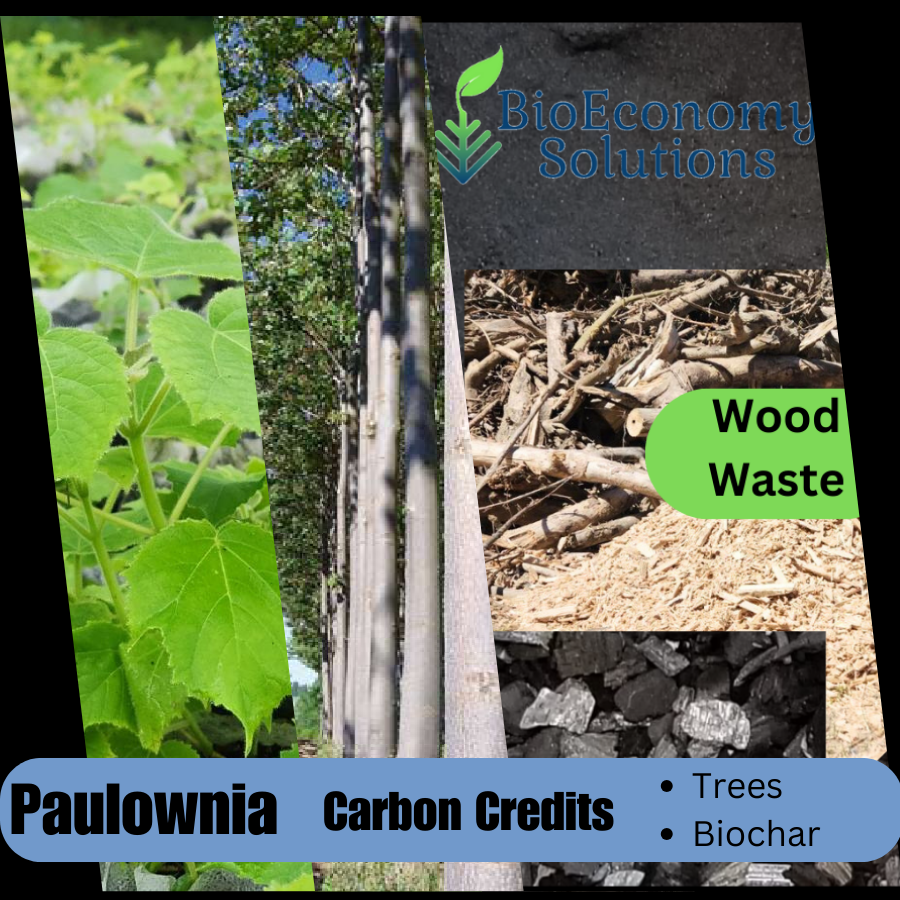
The world has moved toward decarbonization and sustainable land use practices, Paulownia treesare emerging as a powerful tool in the fight for positive ecosystem restoration, economic advancement and against climate change.

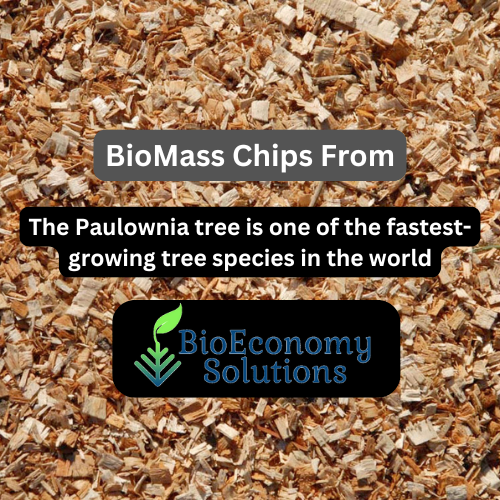
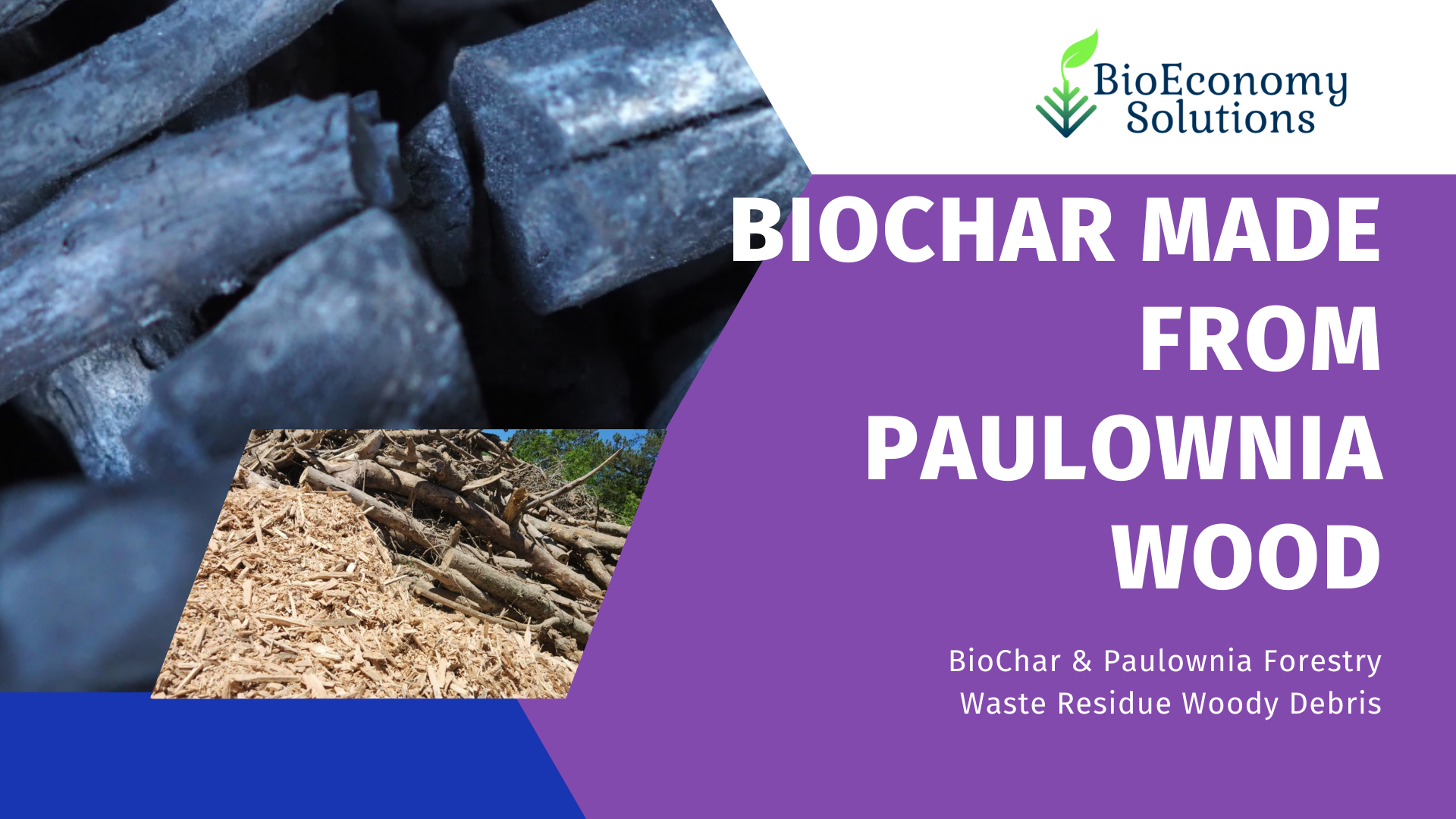
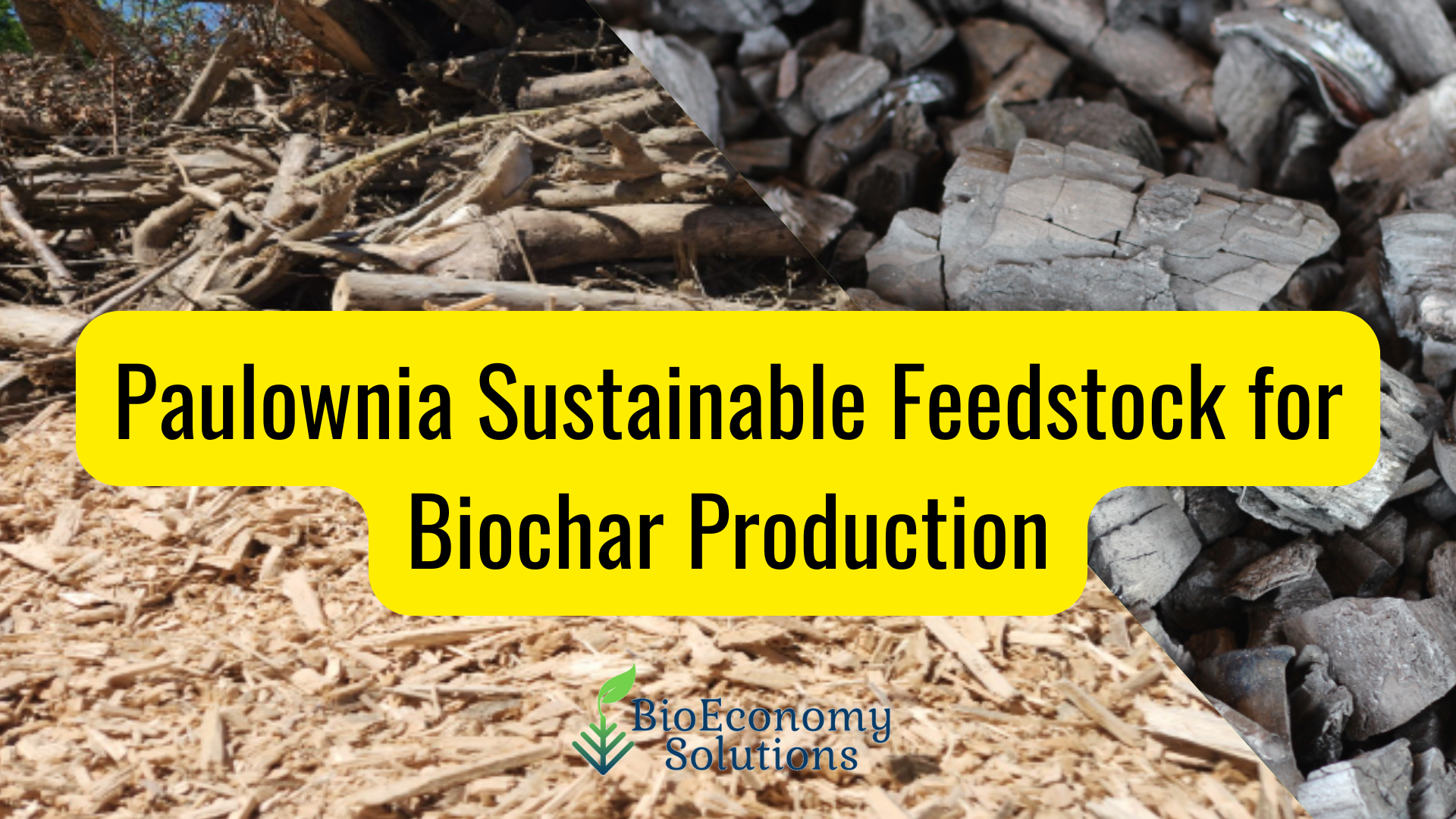
Paulownia trees are known for their exceptionally fast growth, lightweight, durable wood, and high commercial value, Paulownia trees are being reconsidered not just for timber, but as a promising feedstock biomass source for biochar production, where diversification of biomass sources is a growing need.

What Is Paulownia?

What Is BioChar?

Why Paulownia Trees?

Paulownia’s biological traits make it uniquely suited for biomass applications:

  • Rapid Growth: Capable of reaching maturity in as little as 7–10 years, Paulownia yields significantly more biomass per hectare than many native or commonly grown species.
  • Efficient Nutrient Use: Its extensive root system excels at absorbing nutrients, including from marginal or degraded soils, making it an ideal candidate for bioremediation.
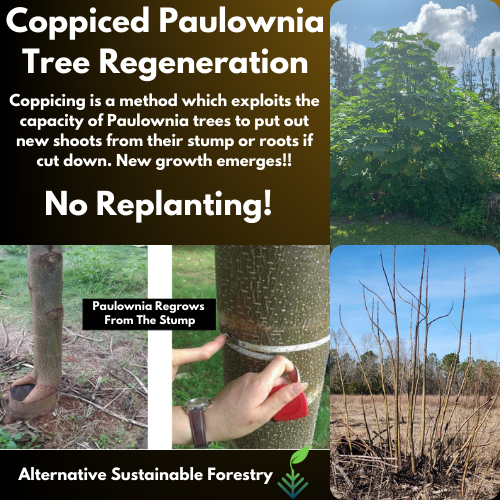
  • Drought Tolerance & Regrowth: Once established, Paulownia coppices vigorously, offering repeated harvests without replanting.
  • Intercropping Compatibility: Its canopy allows light penetration, supporting dual-use land systems.

Paulownia for Biochar: Technical and Environmental Advantages

1. High Drying Efficiency

Paulownia wood air drys quickly, which drastically reduces the energy inputs typically required for biomass processing:

  • Air-drying Lumber: As little as 30–39 days to reach <20% moisture content.
  • Drying Biomass Chips: Down to 10–12% moisture in 48 hours with air only.
  • The Contrast: With willow, which often requires energy-intensive drying.
  • Cost Reduction: Eliminates the need for expensive drying equipment.

Implication: Lower energy input means a higher net carbon benefit during biochar production, making Paulownia more climate-positive.

2. Ideal Physical Properties

Paulownia’s low density (14–19 lb/ft³) and stable dimensional shrinkage (2.2% radial, 4% tangential) allow easy handling and consistent biochar quality. The specific gravity of 0.23–0.30 means it is nearly one-third the weight of oak, facilitating logistics and reducing processing wear-and-tear.


3. High-Yield Carbon Removal

Paulownia enables robust carbon sequestration during pyrolysis. When converted to biochar, its structure:

  • Stabilizes carbon in soils for hundreds of years
  • Improves soil fertility and water retention
  • Can be integrated into carbon credit schemes for Carbon Dioxide Removal (CDR)

Additional Benefits

  • Leaf Use as Fodder: Paulownia leaves are high in protein and low in lignin,great as livestock fodder—adding economic value to the biomass system.
  • Bioremediation Potential: Its rapid nutrient uptake may help remediate land contaminated with excess nitrogen, phosphorus, or even heavy metals.

Opportunity for Biochar Biomass Feedstock

Despite its absence from most forestry portfolios, Paulownia offers a novel biomass solution. It could:

  • Diversify woody biomass sources beyond willow
  • Enable low-energy biochar production aligned with net-zero targets
  • Create value through timber, carbon credits, fodder, and soil health

Paulownia aligns well with agroforestry & permaculture, offering income diversification for farmers and landowners while supporting national climate goals.


Contact Us – Carbon Dioxide Removal (CDR) Project Developer

Paulownia’s combination of fast growth, low energy processing, and carbon sequestration potential makes it an ideal feedstock for biochar production. Its integration into sustainable land use strategies can create a circular economy model linking biomass, biochar, and carbon removal finance—a win for farmers, ecosystems, economies, people, and the climate.

BioEconomy Solutions is a Carbon Dioxide Removal (CDR) Project Developer. Talk to us about our biochar processing technology.

We’re happy to organize a time to speak with you about our paulownia trees and lumber we have for sale. Please book your preferred time to speak directly.

Here’s a link to my online calendar/schedule:

www.bioeconomysolutions.com/bookcall

BioEconomy Solutions

mail@BioEconomySolutions.com

Office: 843.305.4777

Visit us at: https://bioeconomysolutions.com/paulownia-carbon-credits/ Let’s chat about paulownia tree solutions for sustainable Forest carbon credits projects.

LIKE|SHARE|COMMENT

Enjoy this article? You may also enjoy “Carbon Developers Choose Paulownia Trees” https://www.linkedin.com/pulse/carbon-developers-choose-paulownia-trees-victor-garlington-imh4e/

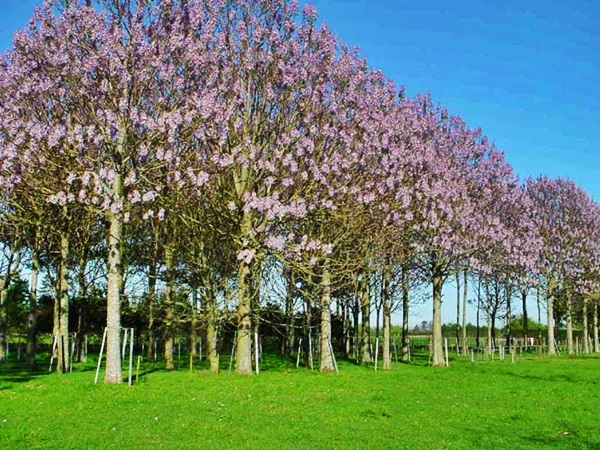
While a “pretty tree” might first catch our eye with its vibrant flowers or majestic canopy, its true power lies in the silent, tireless work it does for the environment.

Let’s break down the environmental contributions of trees, even (or especially) the “pretty” ones, beyond their aesthetic appeal:

Ecosystem Services: Beauty in Functionality

The visual appeal of trees often correlates with their health and vitality, which are directly linked to the ecosystem services they provide:

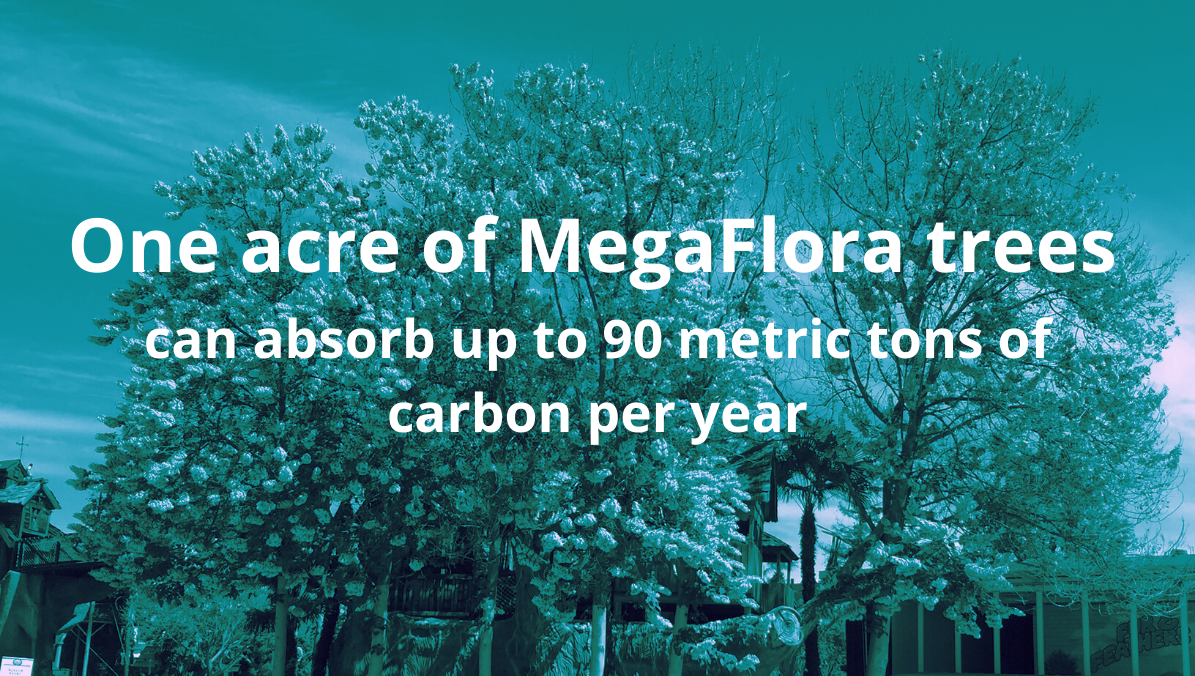
  • Improving Air Quality: Trees are natural air filters. Their leaves, with their vast surface area and tiny pores (stomata), absorb gaseous pollutants like carbon dioxide (), ozone (), nitrogen oxides (), sulfur dioxide (), and carbon monoxide (). Particulate matter (dust, pollen, smoke) also gets trapped on leaf surfaces and is later washed away by rain. This direct removal of pollutants is supplemented by trees’ ability to reduce air temperatures, which in turn lowers the formation of ground-level ozone. One large tree can provide a day’s supply of oxygen for up to four people, and an acre of forest can absorb six tons of carbon dioxide annually.

  • Moderating Temperatures: Trees are nature’s air conditioners. They reduce ambient temperatures through two primary mechanisms:

    • Shade: Their canopies block solar radiation, directly cooling surfaces below and reducing heat absorption by buildings, pavement, and other urban infrastructure.
    • Evapotranspiration: This process involves trees absorbing water through their roots and releasing it as water vapor through their leaves. This evaporation cools the surrounding air, much like a natural evaporative cooler. Urban forests can be significantly cooler (e.g., 3.0°F or 1.6°C) than non-green urban areas, reducing the “urban heat island” effect.
  • Supporting Biodiversity: A beautiful, healthy tree is a bustling apartment building for countless species. They provide:

    • Habitat: Branches and hollows offer shelter and nesting sites for birds, squirrels, insects, and other small mammals.
    • Food Sources: Flowers provide nectar and pollen for pollinators (bees, butterflies), while fruits, nuts, and leaves offer sustenance for a wide array of wildlife.
    • Microclimates: The shade and moisture provided by trees create cooler, more stable microclimates, allowing a greater diversity of understory plants and ground-dwelling organisms to thrive.
  • Preventing Soil Erosion: The extensive root systems of trees act as natural anchors, binding soil particles together and preventing them from being washed away by rain or blown away by wind. Their canopies also intercept rainfall, reducing the direct impact of raindrops on the soil surface, which can lead to erosion. This helps maintain soil quality and prevents sediment runoff into waterways.

  • Sequestering Carbon: Trees are powerful carbon sinks. Through photosynthesis, they absorb atmospheric carbon dioxide () and convert it into organic compounds, storing carbon in their leaves, branches, trunks, and roots. This process is critical in mitigating climate change by reducing greenhouse gas concentrations in the atmosphere. A healthy tree can store approximately 13 pounds of carbon annually.

Urban Green Spaces: Beyond the Postcard

Aesthetically pleasing trees in urban environments offer more than just a pretty view; they are fundamental to creating livable, healthy cities:

  • Improved Quality of Life: The presence of trees contributes to a sense of calm and well-being. Studies show that access to green spaces reduces stress, lowers blood pressure, improves mood, and can even shorten hospital stays.
  • Promoting Physical Activity: Attractive, tree-lined streets and parks encourage people to walk, jog, or cycle, leading to increased physical activity and reduced risk of obesity and related health issues.
  • Fostering Community Well-being: Green spaces with trees often become natural gathering places, promoting social interaction, fostering a sense of community pride, and reducing feelings of isolation.
  • Noise Reduction: Dense tree canopies can absorb and block urban noise, creating quieter and more serene environments, which is particularly beneficial near busy roads or industrial areas.
  • Economic Benefits: Trees can increase property values due to their aesthetic appeal and the environmental benefits they provide. They also contribute to energy savings by reducing the need for air conditioning in shaded buildings and acting as windbreaks in winter.

Conservation and Preservation: Beauty as a Call to Action

The inherent beauty of trees often serves as a powerful motivator for their conservation. When people are captivated by the grandeur of an ancient forest or the delicate beauty of a blooming cherry tree, they are more likely to support efforts to protect them. This emotional connection then translates into understanding their vital ecological roles.

The United Nations Convention to Combat Desertification (UNCCD), while not solely focused on trees, plays a critical role in their conservation, especially in dryland ecosystems. As the only legally binding international agreement addressing desertification and drought, the UNCCD:

  • Promotes Sustainable Land Management: It advocates for practices like agroforestry (integrating trees into agricultural systems), conservation agriculture, and sustainable grazing, all of which often involve tree planting and protection to prevent soil degradation.
  • Restores Degraded Land: The UNCCD actively supports efforts to restore degraded lands, often through reforestation and afforestation initiatives, recognizing that trees are essential for rebuilding healthy ecosystems, combating erosion, and enhancing water retention.
  • Addresses Climate Change and Biodiversity Loss: By tackling desertification, the UNCCD indirectly contributes to climate change mitigation (through carbon sequestration by trees) and biodiversity conservation (by restoring habitats that support a wide range of species).
  • Aims for Land Degradation Neutrality (LDN): A core target of the UNCCD is to achieve a land degradation neutral world by 2030, meaning that the amount of healthy and productive land remains stable or increases. Trees are a crucial component of achieving LDN, as increasing tree cover is a key strategy for restoring degraded land and improving its productivity.
  • Mobilizes Resources and Raises Awareness: The UNCCD facilitates international cooperation and financial support for projects that involve tree planting and sustainable land management, and it raises global awareness about the importance of trees in combating desertification and improving livelihoods, especially in vulnerable communities.

In essence, the beauty of trees is not just skin deep; it’s a testament to their incredible functionality and a powerful reminder of why their protection and conservation are paramount for a sustainable future.

Learn More About Paulownia Trees

Contact Us For Details

BioEconomy Solutions is a BIOCHAR Carbon Dioxide Removal (CDR) Project Developer. Talk to us about our biochar processing technology.

We’re happy to organize a time to speak with you about our high carbon biochar we have for sale. Please book your preferred time to speak directly.

Here’s a link to my online calendar/schedule:

www.bioeconomysolutions.com/bookcall

BioEconomy Solutions

mail@BioEconomySolutions.com

Office: 843.305.4777

Visit us at: https://bioeconomysolutions.com/paulownia-carbon-credits/ Let’s chat about paulownia tree solutions for sustainable Forest carbon credits projects.


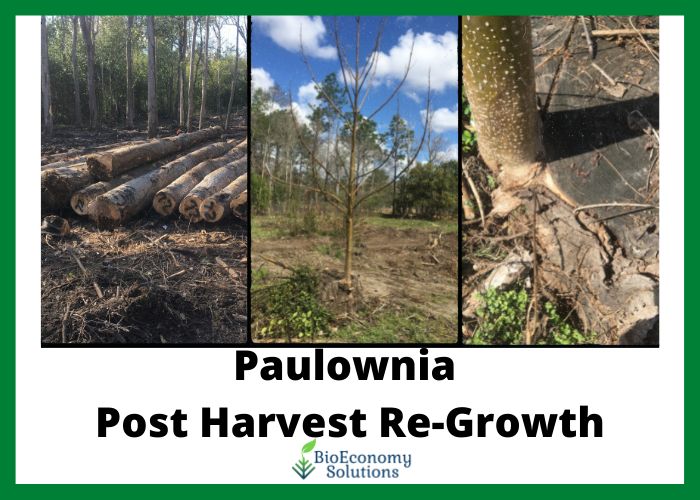
In the world of sustainable forestry, few trees offer the impressive regenerative capabilities of the Paulownia species. Often dubbed the t, a practice known as coppicing, makes it an exceptionally valuable asset for timber production, biomass generation, and environmental restoration.

Coppicing is an ancient woodland management technique that harnesses a tree’s natural tendency to sprout new shoots from its base or root collar when its main stem is harvested. For Paulownia, this characteristic is particularly pronounced. Unlike many trees that require replanting after each harvest, Paulownia’s established root system remains intact, ready to fuel rapid new growth.

The Power of the Established Root System

The secret to Paulownia’s phenomenal regrowth lies in its extensive and mature root system. When a young Paulownia tree is cut back, especially in its dormant phase (typically one to three years after initial planting), the robust roots, which have been developing for years, provide an immediate and abundant supply of nutrients and energy to the new sprouts. This allows the fresh shoots to grow at an astonishing rate, sometimes reaching several feet in a single growing season.

Advantages of Coppicing Paulownia

  • Accelerated Growth Cycles: Coppicing significantly reduces the time between harvests. Paulownia can reach harvestable size in as little as 5-7 years, and after coppicing, subsequent rotations can be even quicker, often ready for cutting in 3-5 years. This rapid turnaround maximizes productivity from the same land area.
  • Reduced Reforestation Costs: Eliminating the need for replanting after each harvest dramatically cuts down on labor, seedling costs, and the associated environmental impact of site preparation. This makes Paulownia plantations highly economical and efficient.
  • Continuous Timber Supply: The consistent regeneration ensures a steady and predictable supply of wood, supporting a more stable timber market and reducing pressure on natural, old-growth forests.
  • Enhanced Carbon Sequestration: Paulownia’s rapid growth translates to impressive carbon sequestration rates. The continuous cycle of growth and regrowth means these trees are constantly absorbing atmospheric CO2, contributing significantly to climate change mitigation efforts.
  • Soil Stabilization and Health: The deep and widespread root system of Paulownia helps prevent soil erosion, especially on degraded or vulnerable lands. As the tree regrows, it continues to improve soil structure and enrich it with organic matter.
  • Multi-Cycle Harvesting: A single Paulownia root system can support multiple harvest cycles, often as many as 4 to 8 times over its lifespan, providing decades of continuous yield from the same planting.

Managing for Optimal Regrowth

To maximize Paulownia’s coppicing potential, careful management practices are crucial. This typically involves:

  • Initial Coppicing: Often, growers will coppice young Paulownia trees (1-3 years old) to encourage a single, straight, and vigorous stem for high-quality timber. This initial cut allows the root system to develop fully before focusing energy on a primary trunk.
  • Selective Sprout Management: After coppicing, multiple sprouts will emerge. For timber production, growers often select the strongest, straightest shoot and remove the others, directing all the root’s energy into developing a single, high-quality trunk. For biomass, multiple shoots may be allowed to grow for maximum yield.
  • Dormant Season Harvesting: Harvesting during the dormant season (winter) is generally recommended, as the tree’s energy reserves are concentrated in the roots, optimizing the subsequent spring’s regrowth.

A Sustainable Solution

Paulownia’s exceptional ability to regrow post-harvest solidifies its position as a leading species for sustainable forestry and renewable resource management. This inherent regenerative power offers a compelling solution for meeting the growing demand for timber and biomass while simultaneously contributing to environmental conservation and a more circular economy. As the world increasingly seeks eco-friendly alternatives, the “Phoenix tree” stands tall as a testament to nature’s remarkable capacity for renewal.


Contact Us

Where To Buy Paulownia Core Materials? QUESTIONS?

Visit our web page. https://bioeconomysolutions.com/paulownia-lumber/

What is paulownia wood? https://bioeconomysolutions.com/what-is-paulownia-wood/

We’re happy to organize a time to speak with you about our paulownia trees and lumber we have for sale. Please book your preferred time to speak directly.

Here’s a link to my online calendar/schedule:

www.bioeconomysolutions.com/bookcall

BioEconomy Solutions

mail@BioEconomySolutions.com

Office: 843.305.4777

Visit us at: https://bioeconomysolutions.com/paulownia-carbon-credits/ Let’s chat about paulownia tree solutions for sustainable Forest carbon credits projects.

LIKE|SHARE|COMMENT

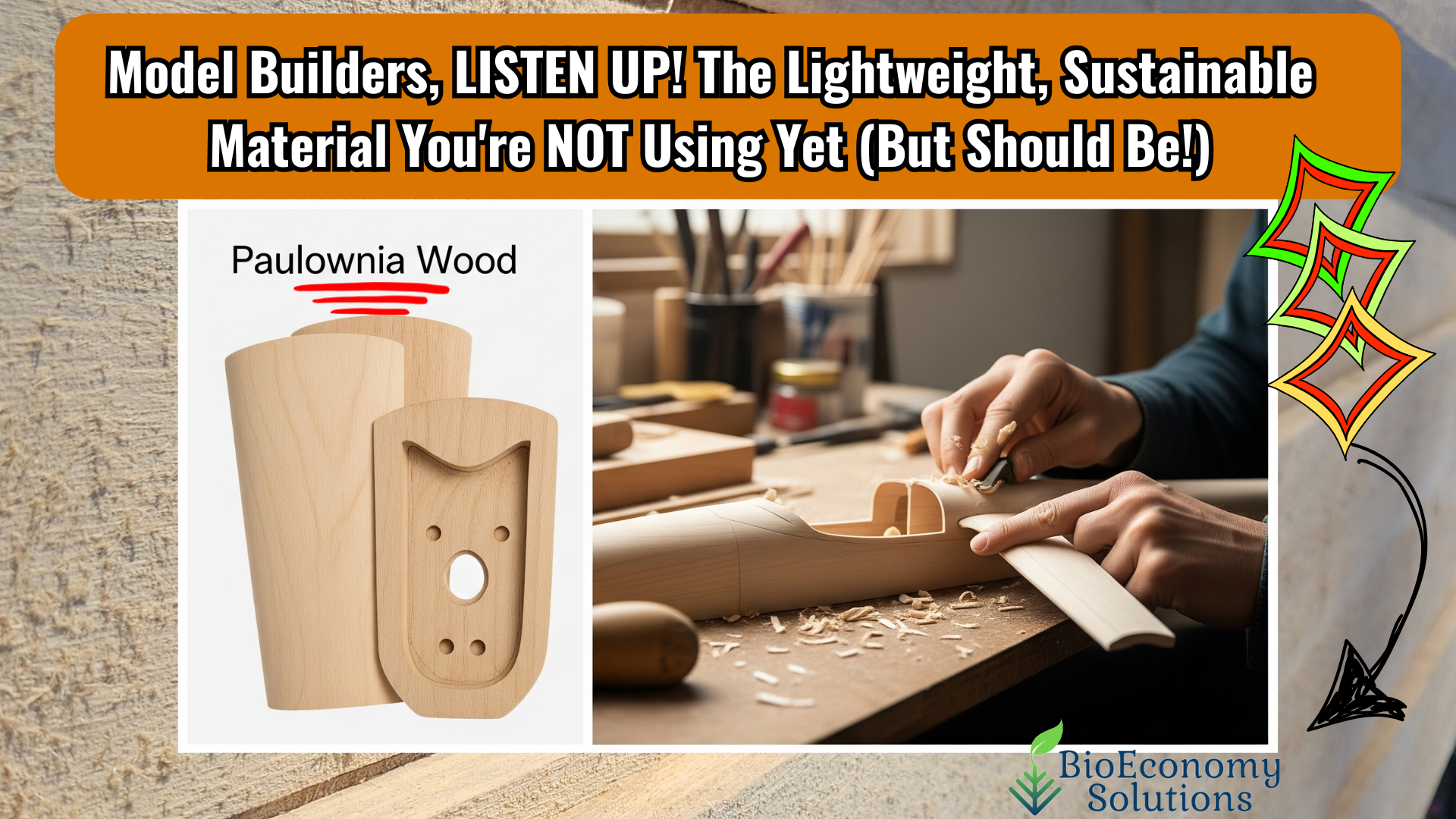
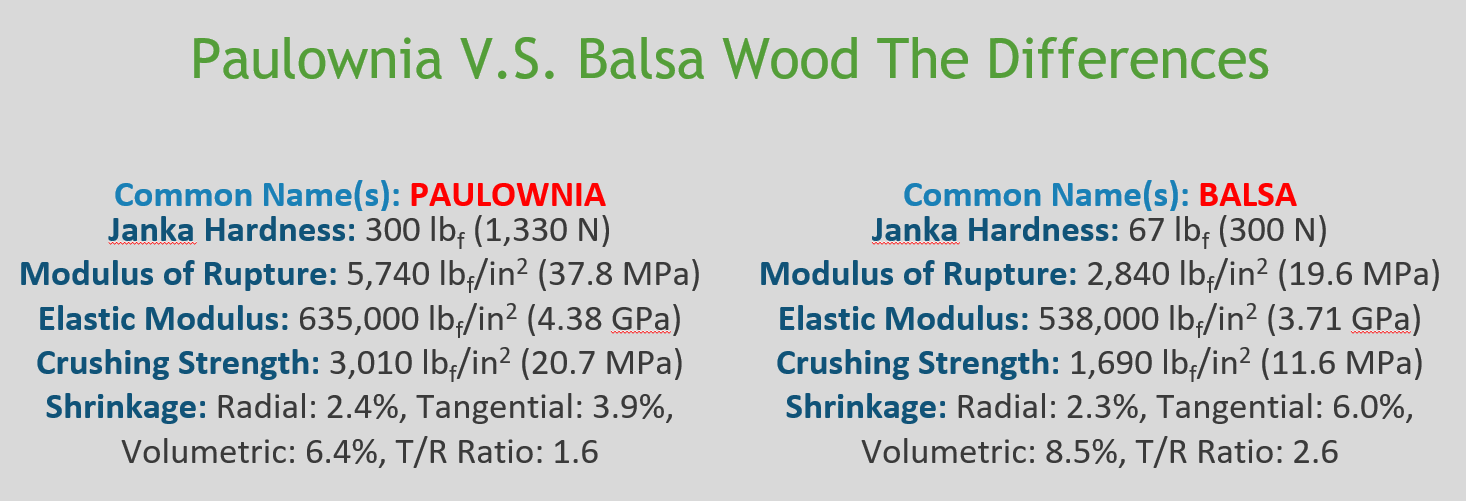
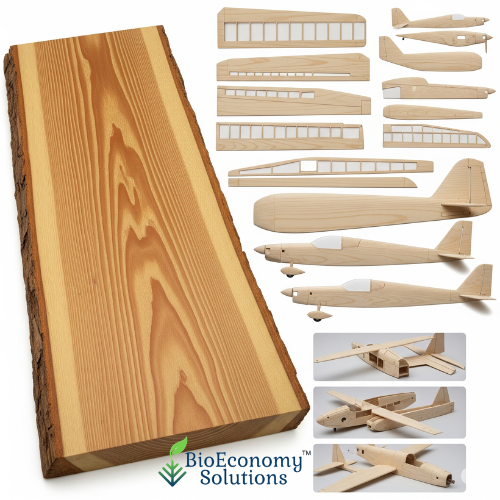
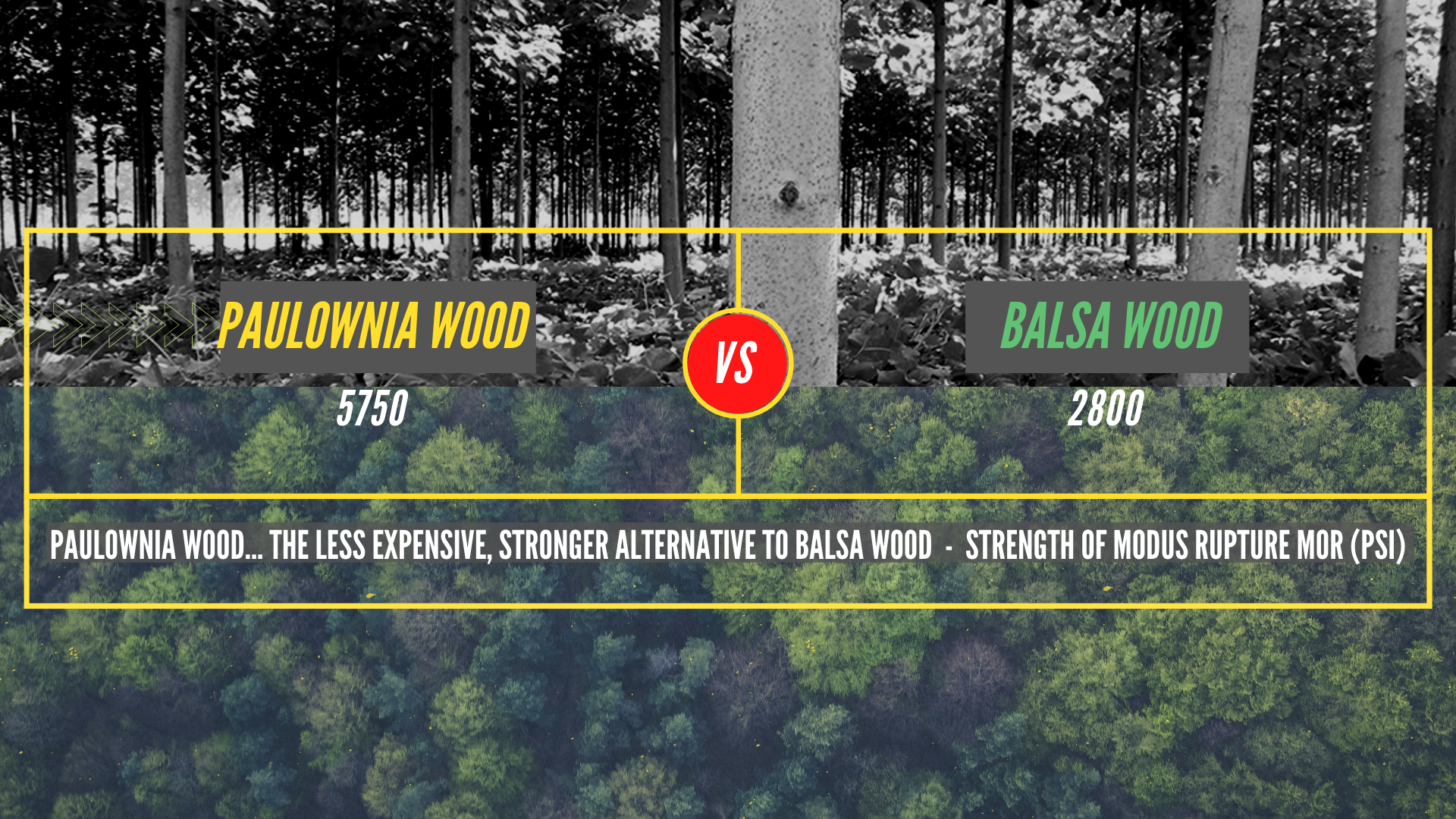
While Balsa wood has traditionally been the go-to material for aircraft models due to its exceptionally low density, Paulownia wood is gaining traction and is often considered a desirable alternative, particularly for its favorable strength-to-weight ratio.

The Difference

Here’s why some modelers might prefer Paulownia over Balsa:

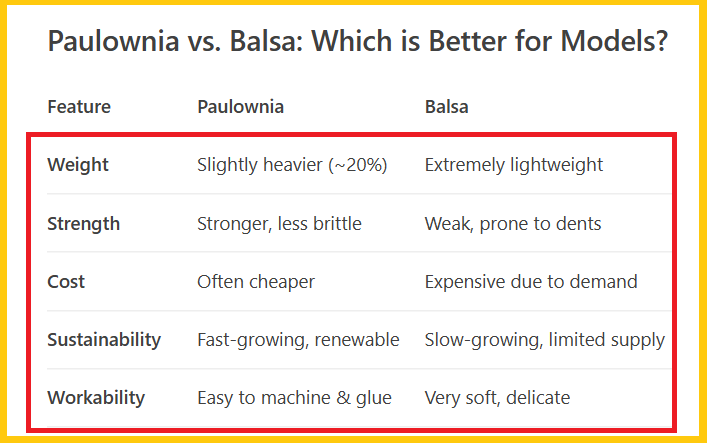
  • Higher Strength-to-Weight Ratio: Paulownia generally offers a better strength-to-weight ratio compared to Balsa, particularly at comparable densities. This means that while Paulownia might be slightly denser than Balsa, it can offer greater strength and structural integrity for its weight.
  • Increased Strength: Paulownia is demonstrably stronger than Balsa wood. One source mentions that while Balsa’s Brinell hardness was significantly lower than Paulownia’s, it was only 22.8% lower, suggesting that Paulownia’s strength is notably higher.
  • Reduced Resin Absorption: Paulownia has a less open grain than Balsa, meaning it absorbs less resin during construction. This can result in a lighter model overall, as resin contributes to weight.
  • Space-Saving Benefit: Due to its inherent strength, Paulownia can be used in thinner sections compared to Balsa to achieve similar structural integrity. This can lead to space savings in the model’s design.

Also known as the “empress tree,” paulownia offers a unique blend of strength, lightness, and eco-friendliness—making it an excellent alternative for model manufacturers and hobbyists alike. In this post, we’ll explore:

What makes paulownia special
How it compares to balsa
Its growing role in model aviation
Where to find paulownia kits and materials

What is Paulownia Wood?
Paulownia (Paulownia tomentosa) is a fast-growing hardwood native to China but cultivated worldwide. Known for its rapid growth (up to 10 feet per year!), it’s a sustainable choice compared to slow-growing balsa.

Key Properties:
✔ Lightweight – Only slightly heavier than balsa, but stronger.

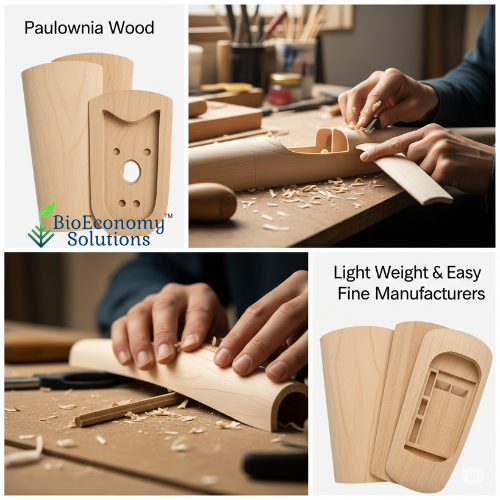
✔ Workability – Easy to cut, sand, and shape with hand tools.

✔ Stability – Resists warping and cracking better than balsa.

✔ Sustainability – Grows quickly, making it eco-friendly.

Best Uses for Paulownia:
Structural parts (spars, fuselage frames)
Foam-composite models (as a durable sheeting material)
Large-scale models (where extra strength is needed)

How Model Manufacturers Are Using Paulownia
While balsa still dominates traditional kits, paulownia is gaining traction in:

1. ARF (Almost-Ready-to-Fly) Kits
Companies like TW Models (The World Models) and HobbyKing now use paulownia in some ARFs to reduce costs while maintaining durability.

2. DIY & Scratch-Building
Experimental builders (e.g., Experimental Airlines on YouTube) use paulownia in foam-core designs.
Plans websites (AeroFred, RCGroups) feature user-designed paulownia models.

3. Laser-Cut Short Kits
Some small manufacturers offer paulownia laser-cut parts for custom builds, though availability is still limited compared to balsa.

The Future of Paulownia in Model Aviation

As balsa becomes scarcer and more expensive, paulownia is poised to become a mainstream alternative. Innovations in laser-cutting and hybrid designs (e.g., paulownia-foam composites) could make it even more popular.

For builders, the benefits are clear:

✅ More durable than balsa

✅ Better for the environment

✅ Cost-effective for large projects

The Choice

Paulownia is becoming a popular choice for aircraft modelers due to its superior strength-to-weight ratio and ability to save space while still maintaining structural integrity.However, Balsa’s lightweight nature and ease of use ensure its continued prominence in the hobby. The choice between the two often comes down to the specific requirements of the model being built and the preferences of the modeler.


Where to Buy Paulownia Wood for Model Building

Where to buy paulownia? We’re harvesting our mature U.S. South Carolina Paulownia Timber and have millions of board foot available. We can mill lumber for your business needs. Contact Us for details. Office: 843.305.4777 | Email: mail@bioeconomysolutions.com Here’s a link to our online calendar, schedule a conference call with us:

https://info586.youcanbook.me

USA Paulownia Wood Lumber For Sale – Need paulownia wood lumber for your next project? https://bioeconomysolutions.com/paulownia-lumber/

You will discover that paulownia wood is the “Light Strong Alternative Wood” used in many processes to obtain many types of products.

Weather you are a hobbyist or full time manufacturing company, paulownia wood grown in South Carolina USA may be a new expression of your talent.

We sell Custom Paulownia boards: rough sawn or planed, we offer various sizes and thicknesses. Our Paulownia boards are processed using sustainable Paulownia hardwood grown right here in South Carolina USA.

LIKE|SHARE|COMMENT

Want more information on the Paulownia vs. Balsa? You may also enjoy this article: “Paulownia Wood v.s. Balsa Wood

Recently we had some visitors to our paulownia plantation. It was their first time with paulownia wood and as always if you place
a dried plank of paulownia in their hands their faces change as if they had seen a magic trick, because of the lightness of the paulownia wood plank.

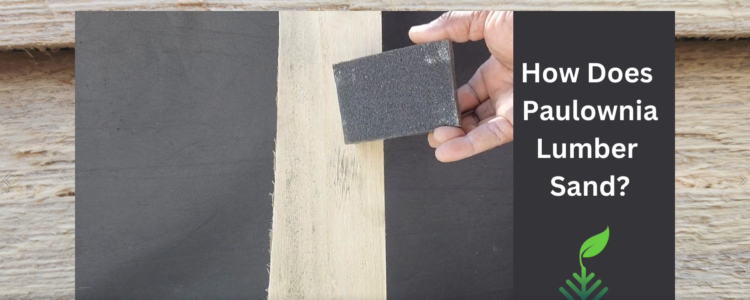
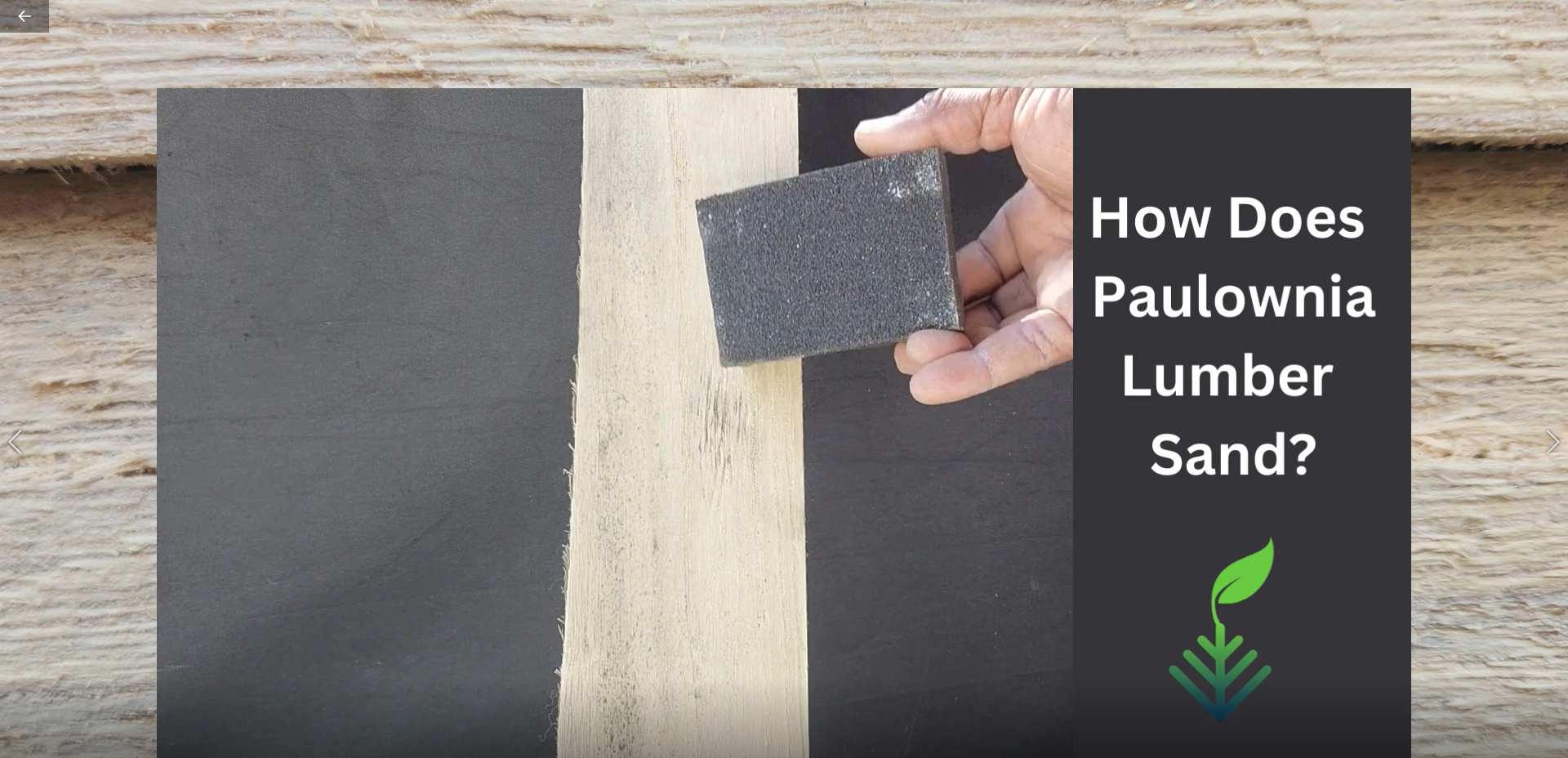
So the questions begin and this post is about one question that we are asked quite often… How does paulownia wood lumber sand?

This is part of our video short takes on the process of sanding paulownia tree wood lumber.

Video Link: https://youtu.be/hIuKduwqzvc

Paulownia wood takes nails easily, and no it did not split or crack.

Finishing – The sap of Paulownia is not gum or resinous based, thus the application of finishing products with various solvents as carriers does not risk any interaction with the timber, contributing to the very good finishing properties of Paulownia products. The timber readily takes stains, estapols and paints with excellent finished surfaces.

Workability – All aspects of carpentry such as machining, nailing, screwing, gluing, sanding, sawing and handling are very user friendly with no splinters, cracking or splitting and excellent take-up of glues and finishes.

***

Where To Buy Paulownia? Paulownia Wood For Sale – QUESTIONS?

What is paulownia wood? https://bioeconomysolutions.com/what-is-paulownia-wood/

Visit our web page. https://bioeconomysolutions.com/paulownia-lumber/

We’re happy to organize a time to speak with you about our paulownia trees and lumber we have for sale. Please book your preferred time to speak directly.

Here’s a link to my online calendar/schedule:

www.bioeconomysolutions.com/bookcall

BioEconomy Solutions

mail@BioEconomySolutions.com

Office: 843.305.4777

Recently we had some visitors to our paulownia plantation. It was their first time with paulownia wood and as always if you place
a dried plank of paulownia in their hands their faces change as if they had seen a magic trick, because of the lightness of the paulownia wood plank.

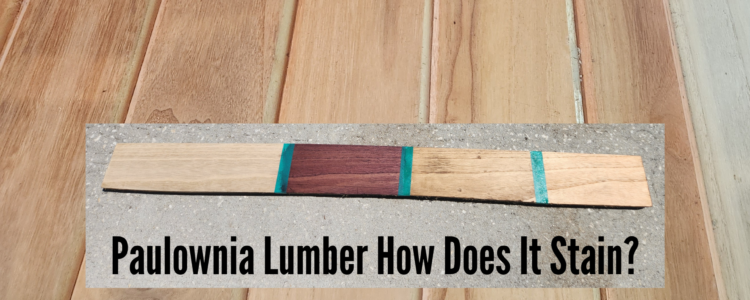
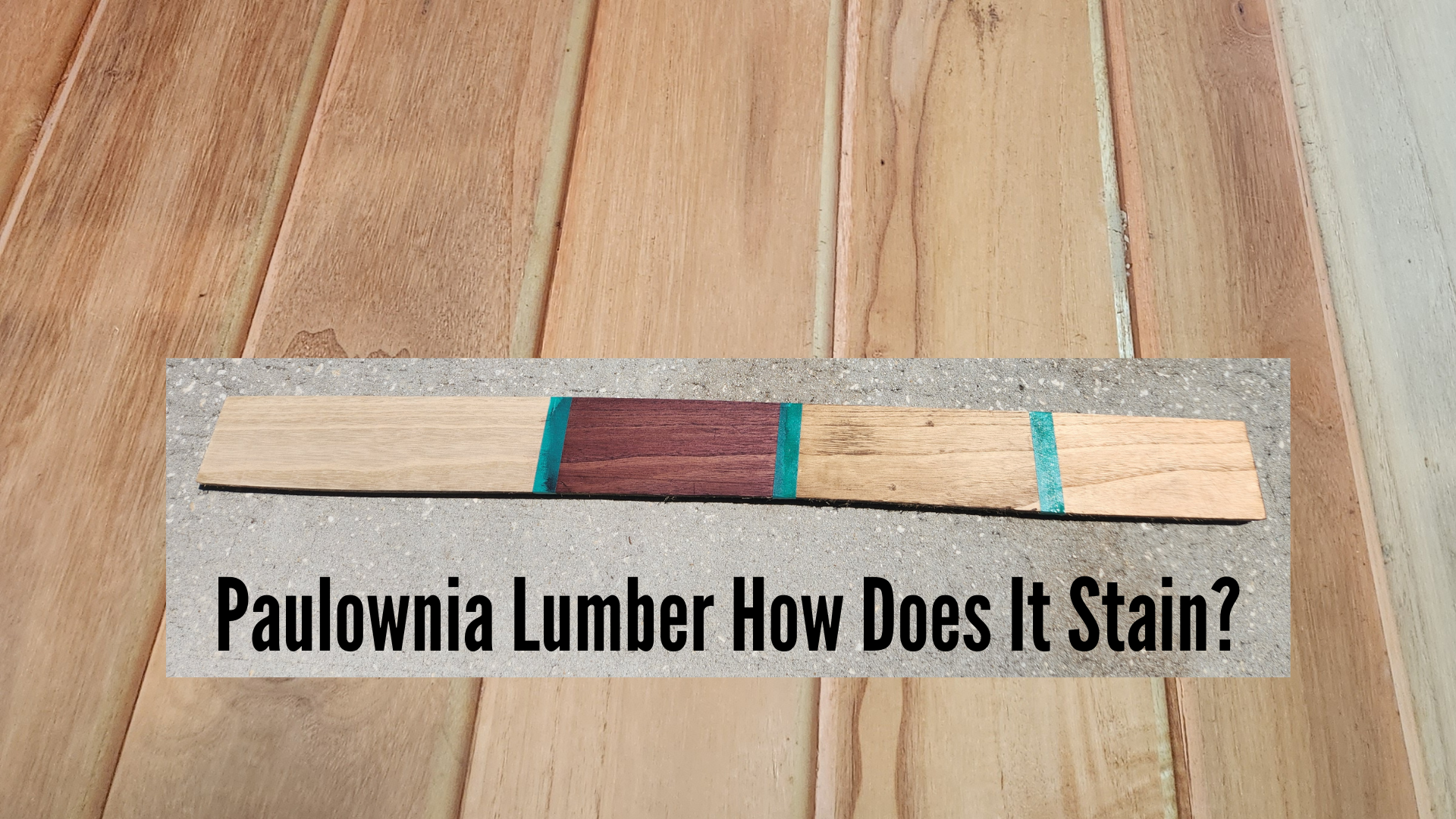
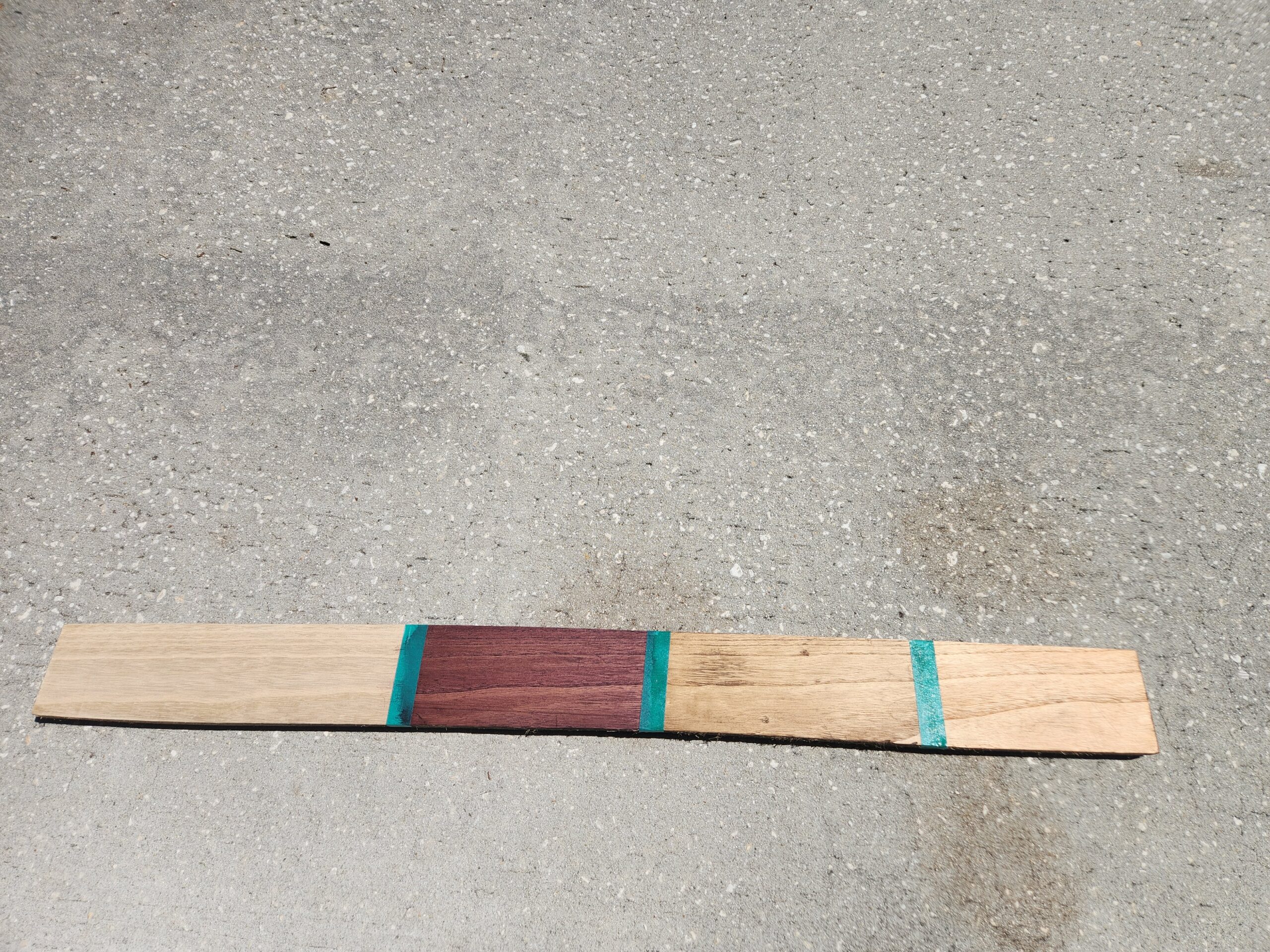
So the questions begin and this post is about one question that we are asked quite often… How does paulownia wood lumber take varnish or wood stain?

This is part of our “video short takes” on the process of staining paulownia tree wood lumber.

Video – https://youtu.be/dM7uztxipyY


Paulownia wood takes nails easily, and no it did not split or crack.

Finishing – The sap of Paulownia is not gum or resinous based, thus the application of finishing products with various solvents as carriers does not risk any interaction with the timber, contributing to the very good finishing properties of Paulownia products. The timber readily takes stains, estapols and paints with excellent finished surfaces.

Workability – All aspects of carpentry such as machining, nailing, screwing, gluing, sanding, sawing and handling are very user friendly with no splinters, cracking or splitting and excellent take-up of glues and finishes.

***

Where To Buy Paulownia? Paulownia Wood For Sale – QUESTIONS?

What is paulownia wood? https://bioeconomysolutions.com/what-is-paulownia-wood/

Visit our web page. https://bioeconomysolutions.com/paulownia-lumber/

We’re happy to organize a time to speak with you about our paulownia trees and lumber we have for sale. Please book your preferred time to speak directly.

Here’s a link to my online calendar/schedule:

www.bioeconomysolutions.com/bookcall

BioEconomy Solutions

mail@BioEconomySolutions.com

Office: 843.305.4777