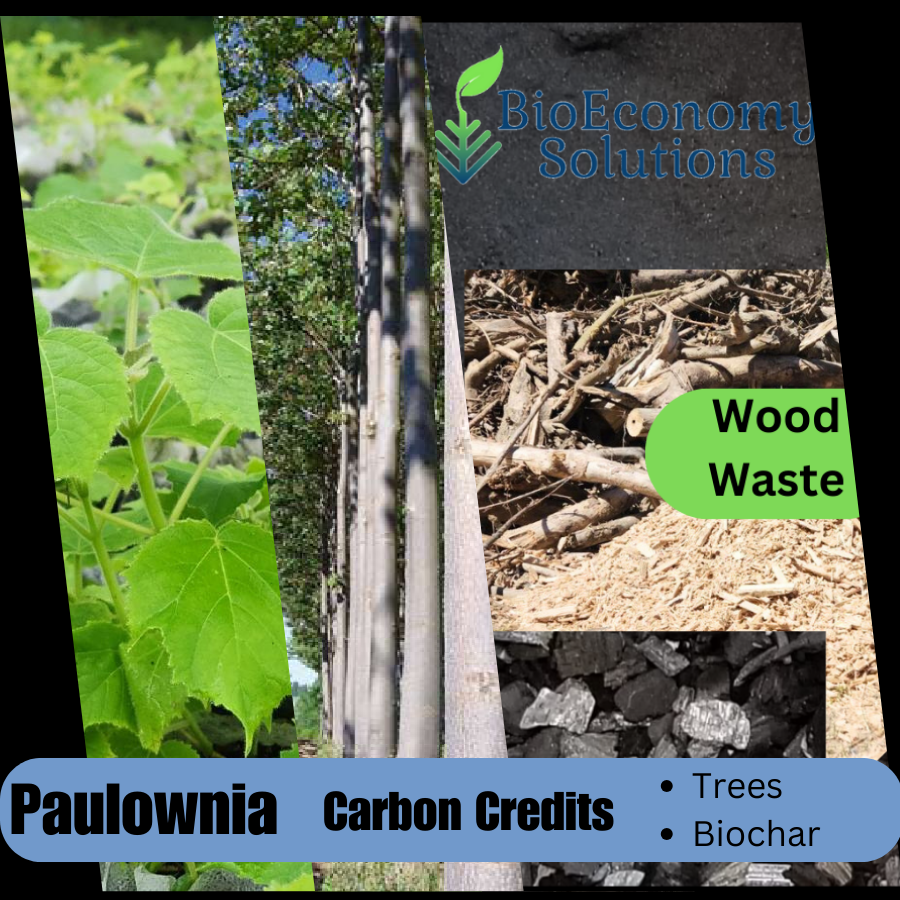
USA Paulownia Lumber now has “Class A” ASTM E84 Flame Spread Rating.

Download: Flame-Retardancy-of-Paulownia-Wood-and-Its-Mechanism.pdf

A Class A ASTM E84 flame spread rating for Paulownia lumber is highly significant for its advancement in the U.S. structural lumber and interior building materials market. Here’s why:


1. Compliance with Building Codes

  • Many U.S. building codes (e.g., International Building Code, NFPA standards) require interior wall and ceiling finishes to meet Class A or Class B flame spread ratings in commercial and residential structures.

  • Class A (0–25 FSI) allows Paulownia to be used in interior applications such as wall panels, ceilings, trim, and even in fire-sensitive areas, without requiring additional treatments.

  • This certification can reduce or eliminate the need for costly fire-retardant coatings or treatments, which are often necessary for traditional softwoods.


2. Competitive Positioning Against Other Woods

  • Most common U.S. lumber species like pine, fir, and spruce generally have Class C ratings (FSI 76–200) unless treated.

  • Paulownia achieving Class A naturally or with minimal treatment positions it as a premium, safer alternative for interior applications.

  • It offers an edge in markets that prioritize fire safety + sustainability, such as commercial buildings, schools, and multi-family housing.


3. Increased Acceptance in LEED and Green Building Markets

  • Paulownia is fast-growing, lightweight, and renewable, making it attractive for sustainable construction.

  • When combined with a Class A rating, it appeals to architects and developers aiming for LEED certification or other green building standards, as it reduces reliance on chemical fire retardants.


4. Potential for Structural Applications

  • While ASTM E84 addresses surface burning characteristics, structural use is governed by strength grading and code approvals (e.g., ASTM D245, D2555).

  • If Paulownia meets strength, dimensional stability, and durability requirements, its Class A rating could help it break into:

    • Glue-laminated beams

    • CLT (Cross-Laminated Timber) panels

    • Hybrid structural systems

  • Fire safety is a major barrier to wood in large-scale construction, so Paulownia’s rating provides a marketing advantage in mass timber projects.


5. Market Expansion Opportunities

  • Interior design: Wall panels, acoustic panels, cabinetry, decorative beams.

  • Public spaces: Hotels, offices, educational facilities where fire safety regulations are strict.

  • Prefab and modular construction: Class A rating simplifies compliance for off-site fabrication.

Challenges to Overcome

  • Need for code listing and ICC-ES approval for structural applications.

  • Market education about Paulownia’s properties (lightweight but strong enough | decay resistance).

  • Supply chain scaling to ensure availability and competitive pricing versus domestic species.


Bottom Line

A Class A ASTM E84 rating positions Paulownia as a safe, sustainable, and high-performance alternative in interior and potentially structural applications in the U.S. market. This could accelerate its adoption in architectural design, commercial construction, and green building sectors, provided it clears structural grading and durability hurdles.

Download: Flame-Retardancy-of-Paulownia-Wood-and-Its-Mechanism.pdf

🌿Where To Buy USA Paulownia Lumber?

Need paulownia for your next project?

Where to buy paulownia? We’re harvesting our mature U.S. South Carolina Paulownia Timber and have millions of board foot available. We can mill lumber for your business needs. Contact Us for detailsOffice: 843.305.4777 | Email: mail@bioeconomysolutions.com Here’s a link to our online calendar, schedule a conference call with us:

https://info586.youcanbook.me

USA Paulownia Wood Lumber For Sale – Need paulownia wood lumber for your next project? https://bioeconomysolutions.com/paulownia-lumber/

You will discover that paulownia wood is the “Light Strong Alternative Wood” used in many processes to obtain many types of products.

Weather you are a hobbyist or full time manufacturing company, paulownia wood grown in South Carolina USA may be a new expression of your talent.

We sell Custom Paulownia boards: rough sawn or planed, we offer various sizes and thicknesses. Our Paulownia boards are processed using sustainable Paulownia hardwood grown right here in South Carolina USA.

👉 If you’re interested in paulownia, want to grow or currently growing, Subscribe to our newsletter: https://bioeconomysolutions.com/carbonreport

LIKE|SHARE|COMMENT

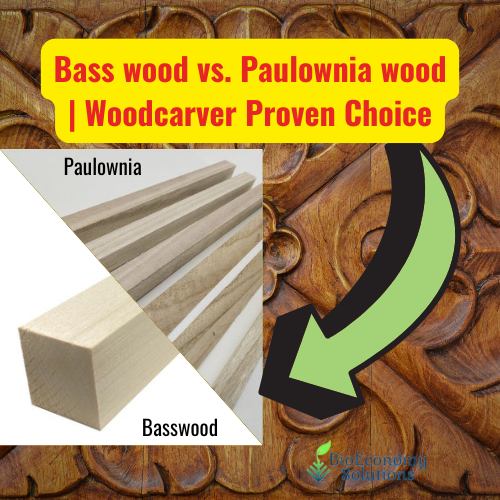
If you enjoyed this article, you may also like “Do Wood Carvers Use Paulownia Wood?”

Join Our News Letter
Subscribe Right Here

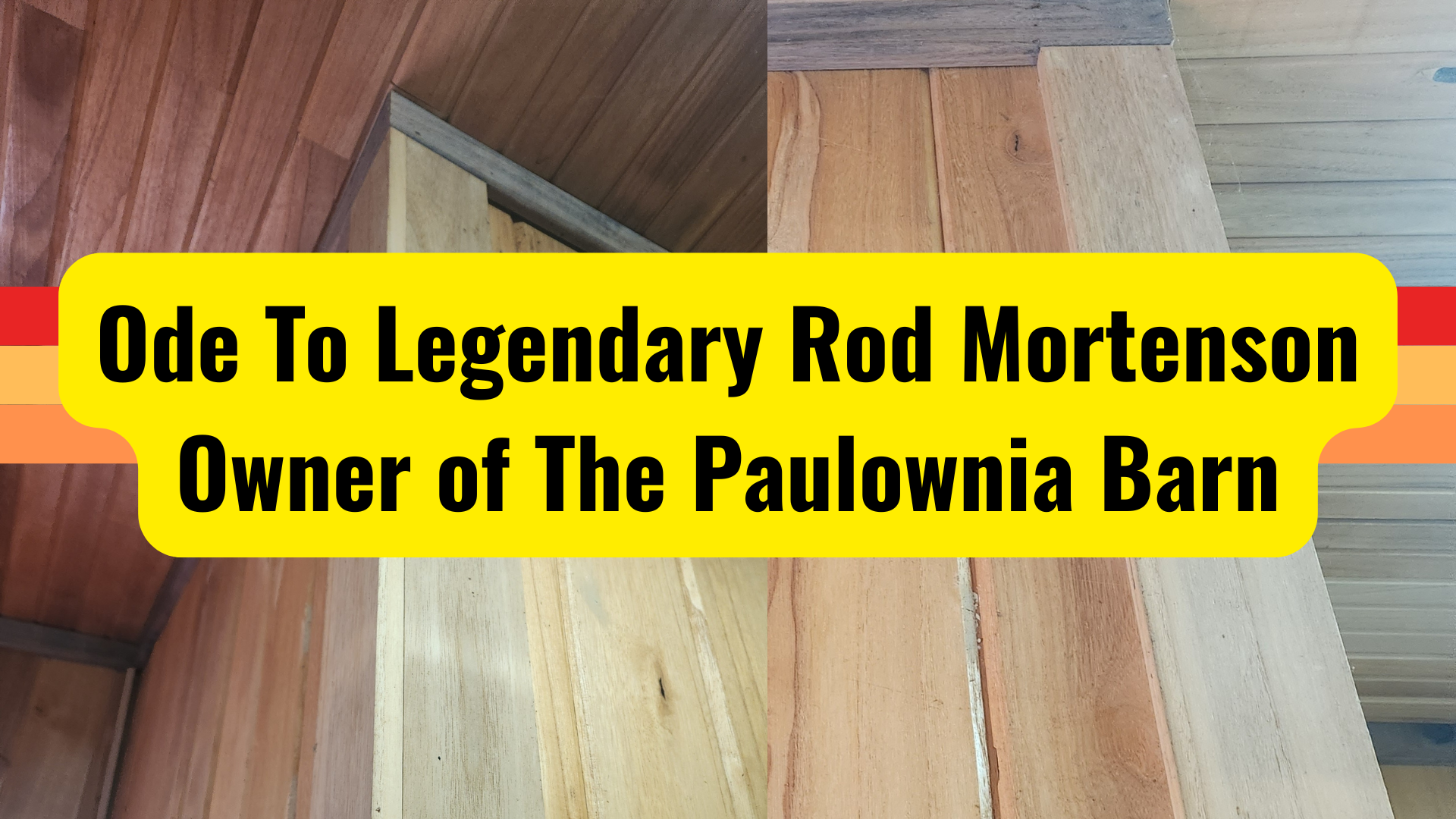
Ode To Legendary Rod Mortenson Owner of The Paulownia Barn.

Who Is Rod and what has he done single handedly for the USA Paulownia Lumber Scene? Rod Mortenson is the RETIRED owner of “The Paulownia Barn”. 

Rod’s Paulownia Quick Wood Working Summary

He sent this out for inquiries:

Working With Paulownia

Introduction: Although Paulownia is relatively new to the U.S. it has been cultivated in Japan and China for many centuries. The Paulownia tree is a very fast-growing hardwood that has a very negative carbon footprint and is quite possibly the most sustainable tree on earth-and it produces beautiful lumber.

Lumber Characteristics: At only 14-19 pounds per cubic foot, the density of Paulownia is only about 1/3 the density of oak and half the density of pine. And, though it is light, it has a modulus of rupture roughly equivalent to Western Red Cedar-giving it one of the highest known strength to weight ratios for any wood. It is quite stable dimensionally after drying and is both weather and bug resistant. The lumber has a beautiful light color and open grain-somewhat like ash. When it is dry, it is very easily machined (and easy on your tools) and it takes fasteners well without the need to drill pilot holes. Paulownia is resistant to splitting when fastening, even near the end of a board. It glues very well and takes finishes and stains equally well. It is, however, a soft hardwood and will dent if subjected to sharp impact.

Paulownia Uses: For centuries, Japanese craftsmen have considered Paulownia to be the wood of choice for crafting fine furniture, musical instruments and carvings. Increasingly, American craftsmen are choosing Paulownia lumber for those and other purposes. It has been used for furniture, solid-body electric guitars, dulcimers, harpsichords and other musical instruments. It is also excellent for use in marine applications, including; boats, canoes, kayaks, paddles and surfboards. Scroll-saw hobbyists have learned that Paulownia can be sawn into intricate patterns almost effortlessly and turners have found that Paulownia makes beautiful (and incredibly light) bowls, pepper mills and spindle works.

Working With Paulownia

In over 30 years of woodworking, I have never found a wood more pleasurable to work with than Paulownia. However, as with any wood, knowing what makes the wood happy (and unhappy) will make your woodworking experience much more fun and profitable. Here are some things I have learned:

  1. ✅ Paulownia machines very easily-however, your cutting tools (including sandpaper) must be sharp.


  1. ✅ When turning or carving the wood, always make sure that you are cutting against supported fibers-in other words, always cut downhill and, again, make sure that your tools are sharp.


  1. ✅ When sanding, let the sandpaper do the work. Because the inter-annular (early growth) rings are much softer than the annular (late growth) rings, it is best to avoid soft foam-backed sanding pads. Using flexible sand paper holders (including your hand) will often result in the “starved horse effect.” For flatwork, a hard rubber sanding pad or a scrap block of wood works just fine. For sanding on the lathe, power sanding with a drill, a sanding pad and a light touch will give excellent results. Properly sanded Paulownia has a smooth, satiny feeling like no other wood that I know of.


  1. ✅ Paulownia takes stains and dyes incredibly well. However, water-base stains and dyes should not be applied without pre-sealing the wood because they will raise the grain. I have used water-base stains with the manufacturer’s pre-sealer with good results, but I prefer to simply stick with oil-based stains and alcohol-based (aniline) dyes.


  1. ✅ As with many open-grained woods, it is best to seal the wood before finishing it. Any finish that produces a nice finish on other open-grained woods will work well with Paulownia.


  1. ✅ Paulownia is somewhat easily dented. If you want a finish that will take abuse, simply apply a low-viscosity marine epoxy for your first two coats of finish with a wet 320 or 400 grit sanding after each coat. Then apply your finish of choice over the epoxy. If your project will be exposed to much sunlight, it is best to use a final finish with UV inhibitors to keep UV from degrading the epoxy.


  1. ✅ Paulownia is wonderful wood to work with….SO ENJOY IT!!

About The Paulownia Barn

About the author. Rod Mortenson is a retired engineer, avid woodworker and the RETIRED owner of the Paulownia Barn, LLC.

Rod is an amazing guy that really loves his work and his product. More importantly to us at BioEconomy Solutions, Rod is a friend, mentor and “Christian” brother.

Where To Buy USA Paulownia Lumber?

Need paulownia for your next project?

Where to buy paulownia? We’re harvesting our mature U.S. South Carolina Paulownia Timber and have millions of board foot available. We can mill lumber for your business needs. Contact Us for details. Office: 843.305.4777 | Email: mail@bioeconomysolutions.com Here’s a link to our online calendar, schedule a conference call with us:

https://info586.youcanbook.me

USA Paulownia Wood Lumber For Sale – Need paulownia wood lumber for your next project? https://bioeconomysolutions.com/paulownia-lumber/

You will discover that paulownia wood is the “Light Strong Alternative Wood” used in many processes to obtain many types of products.

Weather you are a hobbyist or full time manufacturing company, paulownia wood grown in South Carolina USA may be a new expression of your talent.

We sell Custom Paulownia boards: rough sawn or planed, we offer various sizes and thicknesses. Our Paulownia boards are processed using sustainable Paulownia hardwood grown right here in South Carolina USA.

If you’re interested in paulownia, want to grow or currently growing, Subscribe to our newsletter:https://bioeconomysolutions.com/carbonreport

LIKE|SHARE|COMMENT

Paulownia Powder + Rice Glue Paste in Dollmaking

rooted in traditional and practical craft techniques — particularly within certain circles of Japanese ball-jointed doll (BJD) or art doll making.

✅ Paulownia Powder + Rice Glue Paste in Dollmaking

This mixture is used as a strengthening and lightweight base layer when building larger BJD or art doll bodies, particularly in regions where traditional materials and methods are blended with modern art forms.

🟫 Why It’s Used:

  1. Lightweight Strength:
    Paulownia wood is very light but has strong structural integrity. The powdered form, when combined with rice glue, creates a sturdy but flexible filler or shell.

  2. Compatibility:
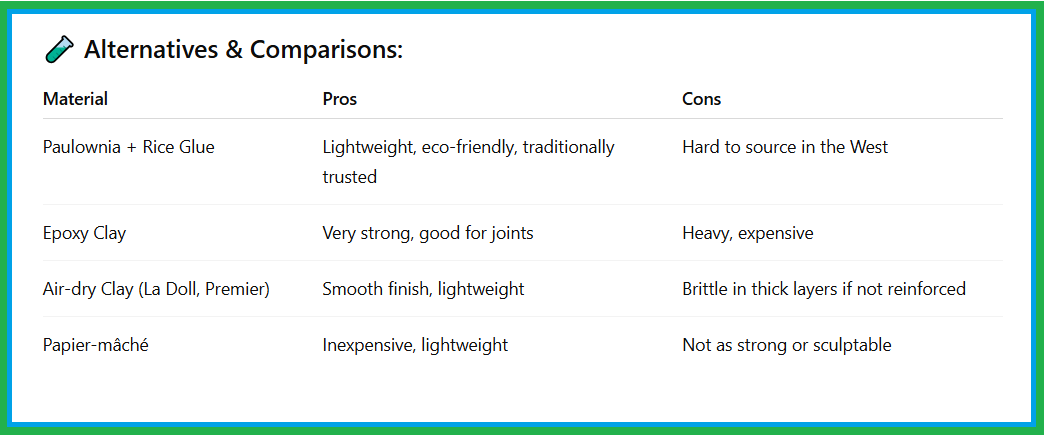
    Paulownia paste is chemically and physically compatible with clays like La Doll, Premier, and Papier-mâché, providing a base that won’t warp or overly contract.

  3. Cultural Precedent:
    In traditional Japanese woodworking and crafts (e.g., kimekomi dolls, kokeshi, and noh masks), rice glue + wood powder is used to fill gaps, build contours, and reinforce forms — this technique migrated to more contemporary applications like BJDs.


⚒️ How It’s Typically Used:

  • Paulownia powder is mixed with rice glue (shokunin nori) into a thick, clay-like paste.

  • The paste is applied over an armature (like aluminum foil or wire), often as a base coat or inner core.

  • Once dried and hardened, artists sculpt or refine the shape, then apply La Doll, stone clay, or epoxy putty over the surface for finer detail.

Sourcing:

  • Paulownia powder is sometimes sold as kiri powder in Japanese woodwork or craft shops.

  • Rice glue can be homemade (rice flour paste) or bought as nori paste used in washi/paper crafts.


Final Thought:

Using paulownia powder + rice glue is a smart, heritage-informed technique for larger BJD projects — especially if you’re aiming for a balance of strength, weight, and capability of being sculpted. It can reduce cracking and improve structure under air-dry clays like La Doll.

❎ 🤲🏽 Want to get your hands on some paulownia wood powder? 👉 Paulownia Wood For Sale

Where To Buy USA Paulownia Lumber?

Need paulownia for your next project?

Where to buy paulownia? We’re harvesting our mature U.S. South Carolina Paulownia Timber and have millions of board foot available. We can mill lumber for your business needs. Contact Us for details. Office: 843.305.4777 | Email: mail@bioeconomysolutions.com Here’s a link to our online calendar, schedule a conference call with us:

https://info586.youcanbook.me

USA Paulownia Wood Lumber For Sale – Need paulownia wood lumber for your next project? https://bioeconomysolutions.com/paulownia-lumber/

You will discover that paulownia wood is the “Light Strong Alternative Wood” used in many processes to obtain many types of products.

Weather you are a hobbyist or full time manufacturing company, paulownia wood grown in South Carolina USA may be a new expression of your talent.

We sell Custom Paulownia boards: rough sawn or planed, we offer various sizes and thicknesses. Our Paulownia boards are processed using sustainable Paulownia hardwood grown right here in South Carolina USA.

If you’re interested in paulownia, want to grow or currently growing, Subscribe to our newsletter:https://bioeconomysolutions.com/carbonreport

LIKE|SHARE|COMMENT

If you enjoyed this article, you may also like “Do Wood Carvers Use Paulownia Wood?

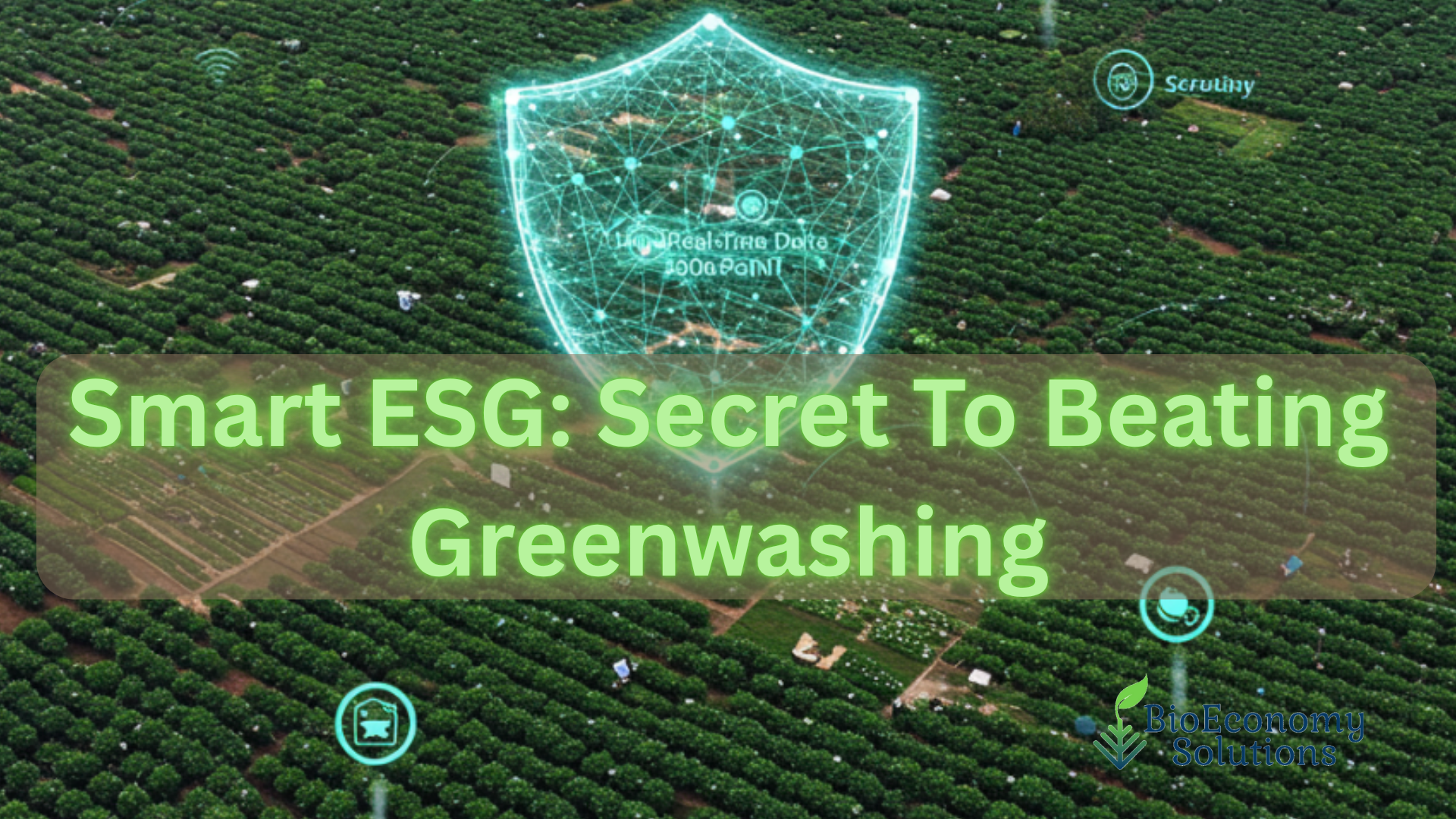
ESG Compliance in the Age of Scrutiny: Why Real-Time Data Is Your Best Defense Against Greenwashing.

In today’s sustainability-conscious marketplace, Environmental, Social, and Governance (ESG) performance isn’t just a buzzword — it’s a business imperative. But as ESG strategies grow more common, so too does the risk of greenwashing — the act of misleading stakeholders about a company’s environmental or social credentials. In 2023 alone, regulators in the U.S. and Europe levied tens of millions in fines for ESG misstatements, with firms like DWS, Invesco, and BNY Mellon under the microscope.

So how can companies stay compliant, credible, and competitive in an increasingly transparent world? The answer lies in real-time ESG data.


💡 What’s the Problem with Traditional ESG Reporting?

Traditional ESG reporting has a few fatal flaws:

  • Lagging data: ESG reports are typically published annually or quarterly — far too slow in a world of real-time disclosures and instant media.

  • Manual processes: Data is often collected through surveys, spreadsheets, and self-reported disclosures, which are prone to bias or error.

  • Lack of verification: Claims about carbon neutrality, sustainable sourcing, or social impact often lack third-party validation or audit trails.

These gaps don’t just raise reputational risk — they’re becoming compliance risks.


🧯 Greenwashing Enforcement Is Rising

Global regulators are cracking down hard on ESG misstatements:

  • SEC: Fined DWS $25M in 2023 for exaggerating its ESG investment practices.

  • FTC (U.S.): Penalized Kohl’s and Walmart for falsely marketing rayon products as bamboo.

  • EU: Found that over 40% of green claims were unsubstantiated and is introducing a Green Claims Directive to require evidence for all environmental claims.

Investors are also paying attention. Fund managers face growing pressure to demonstrate ESG integration with clear metrics, not marketing.


🛰️ Real-Time ESG Data: The Game-Changer

Real-time data empowers companies to track, validate, and communicate ESG performance in a transparent and dynamic way. Here’s how:

1. Live Monitoring of Emissions and Energy

  • Use IoT sensors and digital twins to measure Scope 1 & 2 emissions in real time.

  • Track energy use by facility or process to identify inefficiencies instantly.

2. Supply Chain Traceability

  • Use blockchain or API-connected platforms to verify sourcing, labor practices, and supplier sustainability credentials.

  • Real-time alerts if suppliers breach ESG requirements.

3. Automated ESG Dashboards

  • Integrate internal and third-party data to feed dashboards that show real-time ESG performance vs. targets.

  • Great for internal decision-making and external transparency.

4. Dynamic ESG Reporting

  • Move from static annual reports to interactive sustainability dashboards, updated monthly or even weekly.

  • Enables investors and consumers to see progress (or problems) without delay.


🎯 Benefits of Real-Time ESG Compliance

  • Avoid penalties and investigations: Proactive monitoring catches issues before regulators do.

  • Build investor confidence: Transparent, data-backed ESG performance is a competitive advantage.

  • Enhance brand trust: Consumers are more loyal to brands that show — not just say — they’re doing good.

  • Adapt faster: Real-time data lets you pivot operations, suppliers, or products when ESG risks emerge.


🧭 Key Takeaways

In the age of ESG scrutiny, greenwashing isn’t just unethical — it’s legally and financially dangerous. Relying on outdated, self-reported ESG data is no longer tenable.

Real-time ESG data isn’t just a tool for compliance — it’s a foundation for sustainable leadership.

Companies that invest in transparent, verifiable, and real-time ESG systems are far more likely to:

  • Avoid fines,

  • Attract long-term investors,

  • And stay ahead of regulatory and market expectations.


Next Steps Schedule Conversation

Want to see what real-time ESG compliance looks like in action? Or need help building your ESG tech stack? Let’s talk.

Today’s Real World Asset – Paulownia Trees

By converting its carbon, growth, and timber value into blockchain-based tokens, Paulownia creates a transparent, inclusive, and sustainable financial model that aligns with the goals of the UNCCD, Paris Agreement, and global reforestation efforts.

Contact Us

Where To Buy Paulownia Core Materials? QUESTIONS?

We’re happy to organize a time to speak with you about our paulownia trees and lumber we have for sale. Please book your preferred time to speak directly.

Here’s a link to our online calendar/schedule:

www.bioeconomysolutions.com/bookcall

BioEconomy Solutions

mail@BioEconomySolutions.com

Office: 843.305.4777

Visit us at: https://bioeconomysolutions.com/paulownia-carbon-credits/ Let’s chat about paulownia tree solutions for sustainable Forest carbon credits projects.

LIKE|SHARE|COMMENT

Enjoy this article? You may also enjoy “Carbon Developers Choose Paulownia Treeshttps://www.linkedin.com/pulse/carbon-developers-choose-paulownia-trees-victor-garlington-imh4e/

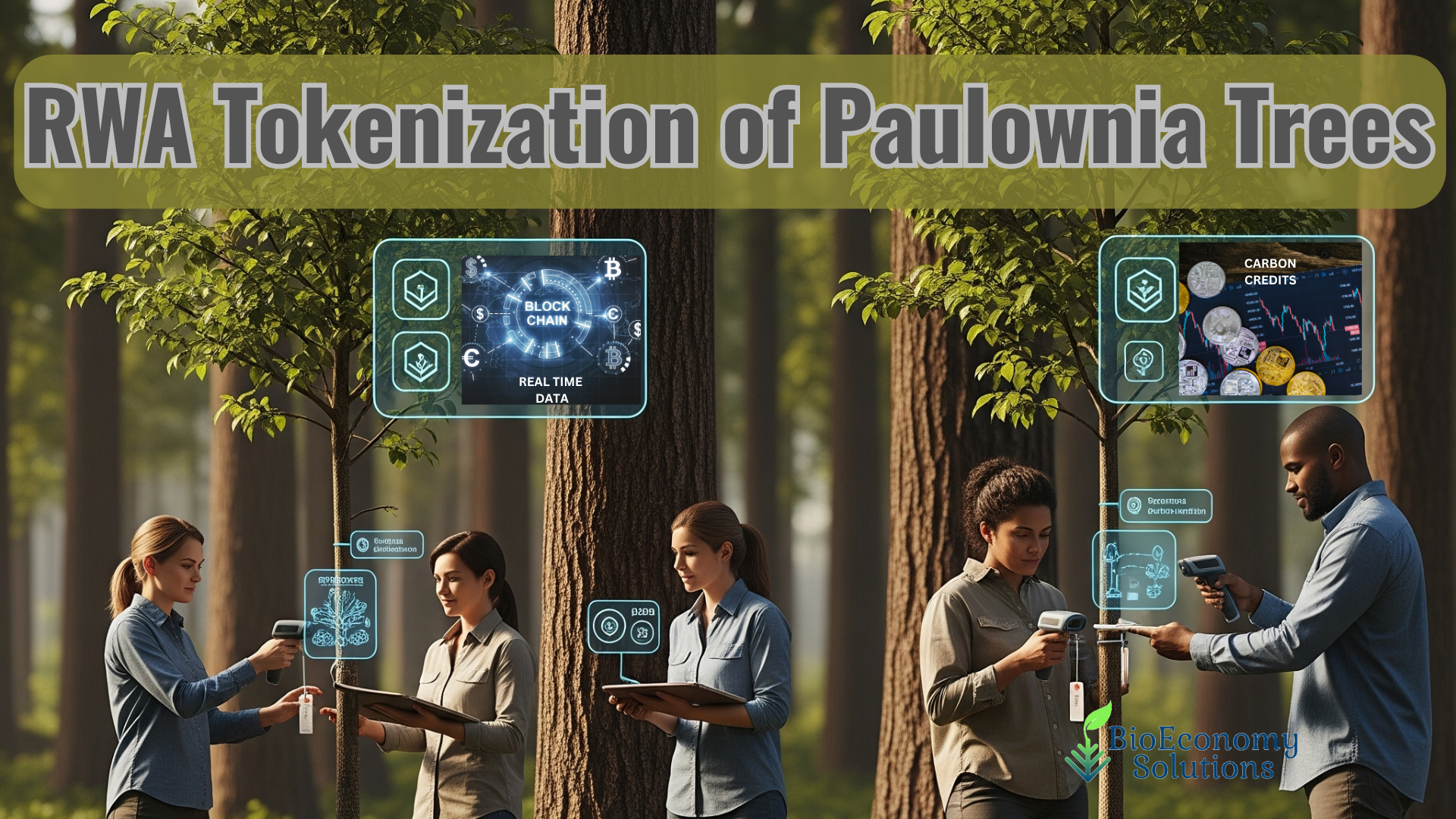
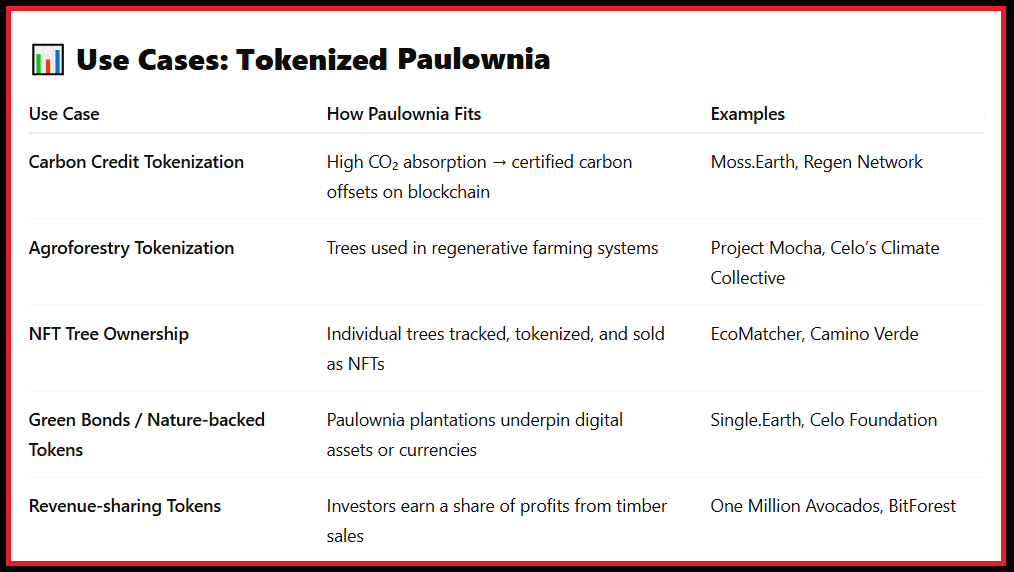
When considering Paulownia Tree Tokenizing Real-World Tree Assets. The Paulownia tree, known for its rapid growth, carbon absorption capacity, and economic value, is an ideal candidate for tree tokenization — a growing trend in climate tech and green finance. Here’s how Paulownia trees can be utilized within the tokenization framework to support environmental, economic, and social goals.

Tokenization of Paulownia Trees: How It Works and Why It Matters

What is Tokenization in this Context?
Tokenization involves converting ownership rights, carbon capture value, or economic benefits of a Paulownia tree (or a plot of them) into digital tokens on a blockchain. These tokens can be:

  • Sold or traded
  • Tracked transparently
  • Linked to real-world metrics like carbon sequestration or timber value

Why Paulownia is an Ideal Tree for Tokenization

1. High Carbon Sequestration

  • Paulownia trees absorb 10–20 times more CO₂ than many other tree species.
  • Their fast growth rate (up to 3–5 meters per year) means quicker and measurable carbon credit generation.
  • This makes them excellent for carbon offset tokens like those issued by other platforms.

2. Economic Value

  • The wood is lightweight, strong, and highly valuable in industries such as furniture, construction, and musical instruments.
  • Paulownia-based tokens can represent timber futures, making them attractive to investors — similar to the One Million Avocados or Project Mocha model.

3. Reforestation and Regenerative Agriculture

  • Paulownia trees can be used in reforestation and agroforestry, contributing to climate resilience and land restoration goals.
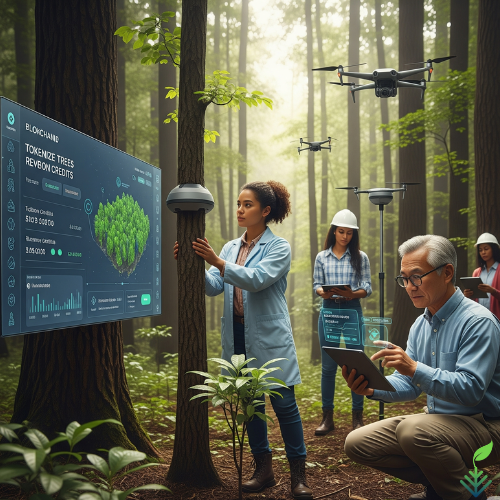
  • Like EcoMatcher or Camino Verde, projects can tokenize individual Paulownia trees using GPS tracking, growth data, and QR codes for transparency.

4. Shorter ROI Cycle

  • Due to their fast maturity (harvestable in 5–7 years), investors see returns sooner than with slow-growing trees.
  • This reduces risk and increases appeal for retail and institutional investors alike.

🔒 Benefits of Tokenizing Paulownia
✅ For Farmers: Upfront capital through token sales, improved livelihoods
✅ For Investors: Access to verified green assets, carbon offsets, or timber revenues
✅ For the Planet: Encourages tree planting, land restoration, and sustainable land use
✅ For Regulators: Easier monitoring and verification via immutable blockchain data

Strategic Path Forward
BioEconomy Solutions built a Paulownia tokenization platform by:

Partnering with forestry experts to establish high-quality plantations.
Working with carbon certifiers (like Net Eco Exchange, Verra or Gold Standard) to validate carbon offset.
Tokenizing assets using platforms like Polygon, Celo, or Ethereum.
Selling tokens to corporations, ESG investors, or climate-conscious individuals.

Today’s Real World Asset – Paulownia Trees

The Paulownia tree, thanks to its biological, economic, and environmental strengths, is perfectly suited for the tokenized future of forestry. By converting its carbon, growth, and timber value into blockchain-based tokens, Paulownia can help create a transparent, inclusive, and sustainable financial model that aligns with the goals of the UNCCD, Paris Agreement, and global reforestation efforts.

Contact Us

Where To Buy Paulownia Core Materials? QUESTIONS?

Visit our web page. https://bioeconomysolutions.com/paulownia-lumber/

What is paulownia wood? https://bioeconomysolutions.com/what-is-paulownia-wood/

We’re happy to organize a time to speak with you about our paulownia trees and lumber we have for sale. Please book your preferred time to speak directly.

Here’s a link to my online calendar/schedule:

www.bioeconomysolutions.com/bookcall

BioEconomy Solutions

mail@BioEconomySolutions.com

Office: 843.305.4777

Visit us at: https://bioeconomysolutions.com/paulownia-carbon-credits/ Let’s chat about paulownia tree solutions for sustainable Forest carbon credits projects.

LIKE|SHARE|COMMENT

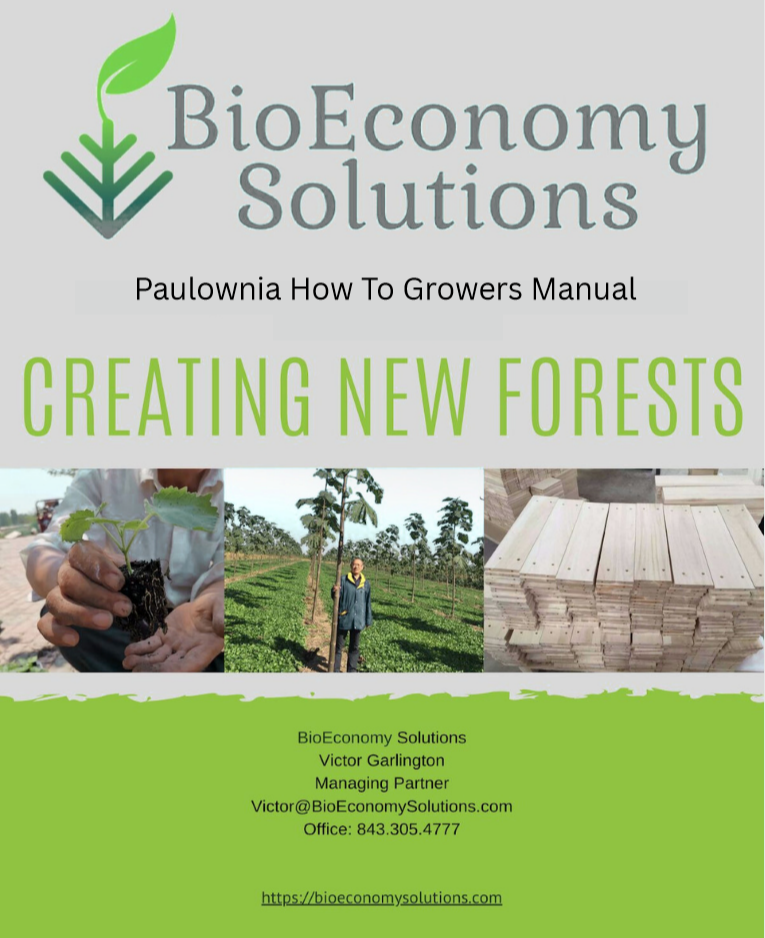
Unlock the Secrets of Growing Paulownia with the Ultimate Grower’s Guide!

Are you interested in fast-growing, sustainable timber that’s profitable and eco-friendly? Look no further than Paulownia—the “aluminum of lumber” known for its lightweight strength, rot resistance, and rapid growth.

Now, you can master Paulownia cultivation with the BioEconomy Solutions Paulownia Grower’s Manual! This comprehensive e-book is packed with expert insights, step-by-step growing techniques, and proven strategies to maximize your yields—in just 5 years!

Why Paulownia?

  • Grows 5x faster than traditional timber (harvest in 5 years vs. 25+).

  • Highly profitable—earn from lumber, carbon credits, honey, and more.

  • Eco-friendly—sequesters 90 metric tons of CO2 per acre/year!

  • Versatile uses—furniture, veneers, surfboards, and even wind turbine blades.

What’s Inside the Guide?

✅ Step-by-step planting & maintenance (greenhouse to harvest).
✅ Revenue streams—timber sales, carbon credits, intercropping, and leasing.
✅ Tax incentives & grants to boost your ROI.
✅ Real-world case studies from successful MegaFlora farms.

Whether you’re a farmer, investor, or eco-entrepreneur, this manual is your blueprint to profitable, sustainable forestry.

🌱 Download Your Copy Today and Grow the Future!
👉 Get the Paulownia Grower’s Manual Now

Plant trees. Profit sooner. Cool the planet. 🌍💚

P.S. Limited-time bonus: Exclusive access to BES’s expert support network for buyers!

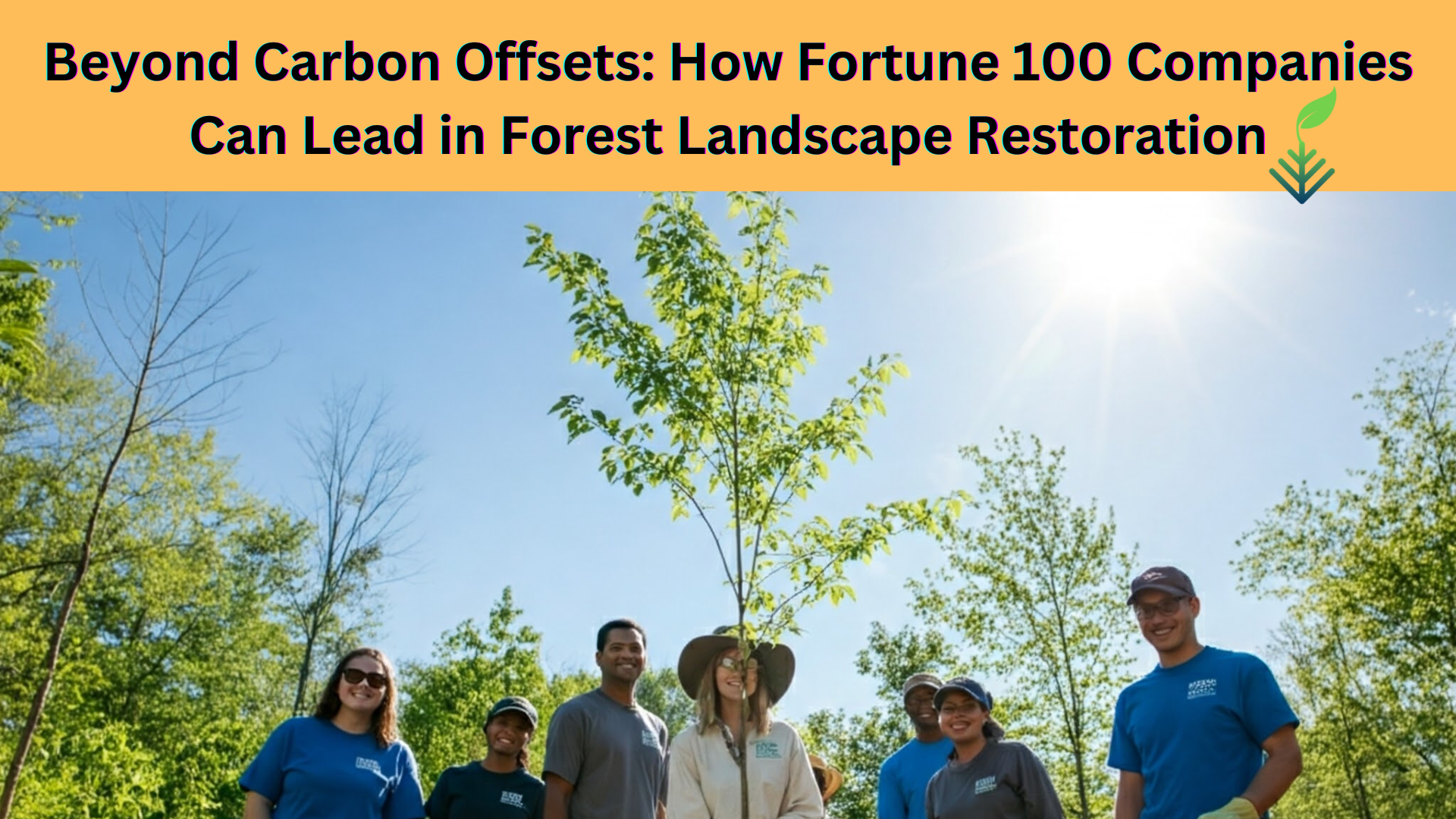
The urgency of the climate crisis has pushed corporations to seek ways to neutralize their environmental impact. While tree-planting initiatives and carbon offset programs have gained popularity, a more holistic and impactful approach is emerging: Forest Landscape Restoration (FLR).

Fortune 100 companies, with their significant resources and influence, have a unique opportunity to lead the charge in this critical area, and incorporating fast-growing, versatile trees like Paulownia can significantly enhance these efforts and make them profitable! #carbonmining.

The Advantages of Simple Tree Planting For Carbon Offsets

Simple tree planting does have valuable advantages, especially when done right. Here are some key areas to consider:

1. Cost-Effectiveness

  • Compared to many technological carbon removal solutions, tree planting is often more affordable upfront.
  • This makes it accessible to a wider range of organizations and individuals who want to take climate action.

2. Scalability

  • Tree planting can be implemented on a large scale, across diverse landscapes, semi arid conditions and geographies.
  • This allows for significant carbon removal potential when projects are implemented strategically.

Trees Provide Numerous Benefits Beyond Carbon Sequestration

3. Co-Benefits What you need to know about tree planting co-benefits:

  • Biodiversity: They create habitats for wildlife, supporting ecosystem health.
  • Water Cycle Regulation: Trees improve water infiltration, reduce runoff, and help regulate local water cycles.
  • Soil Health: Tree roots stabilize soil, prevent erosion, and improve soil fertility.
  • Air Quality: Trees filter air pollution and improve air quality.
  • Community Benefits: Tree planting can provide jobs, resources (like fruit or timber), and improve the livelihoods of local communities.
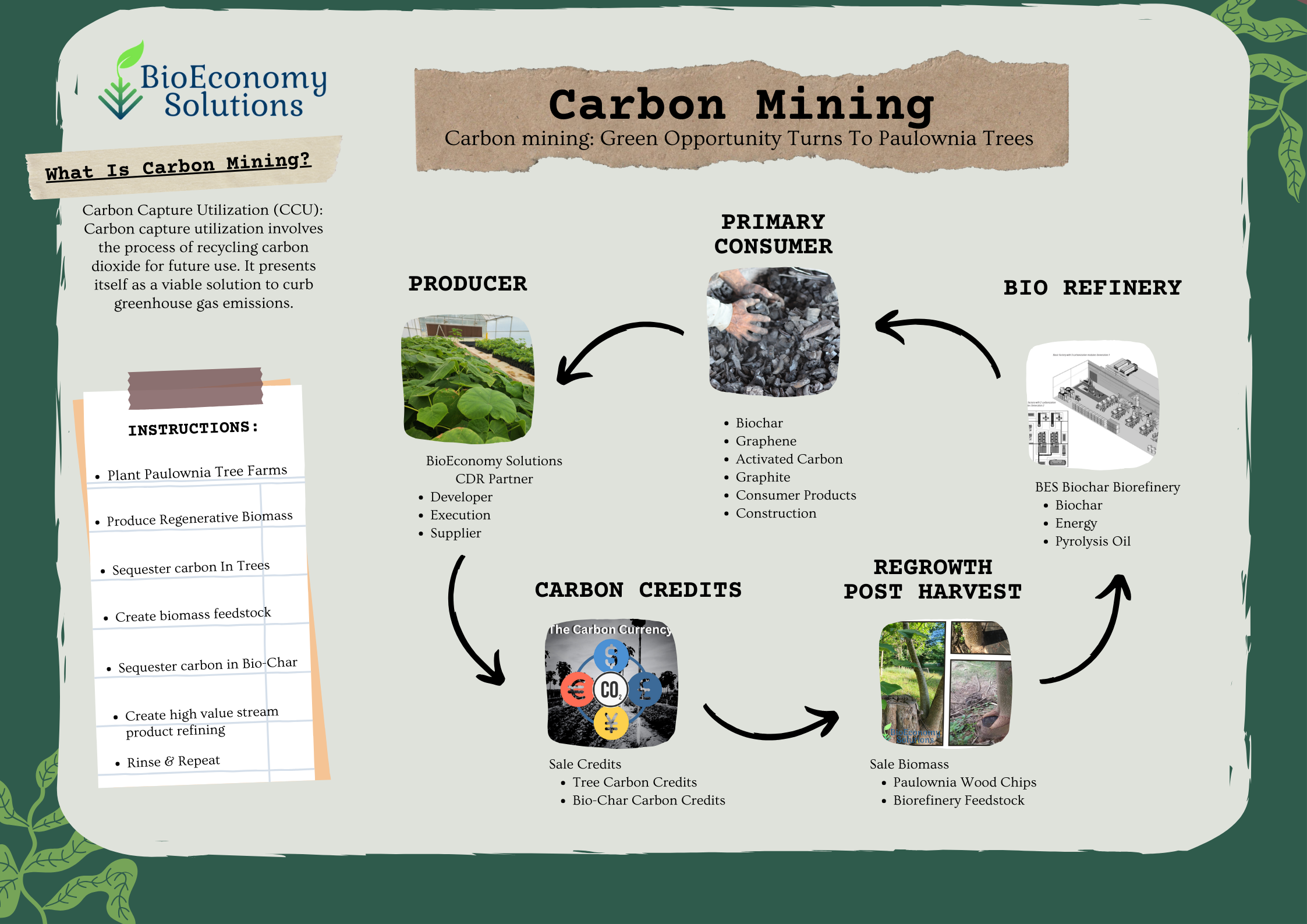
  • Income Benefits For CDR Project Stakeholders: Planting trees for #carbonmining, trees are the store of value for the creation of, carbon credits, woody biomass, biochar, graphite, graphene and more. What is  Carbon Mining?

4. Relative Simplicity

  • While effective tree planting requires planning and management, the basic concept is relatively simple to understand and implement.
  • This can encourage broader participation in climate action from individuals, communities, and organizations.

5. Tangible Impact

The Power of Forest Landscape Restoration

FLR goes beyond simply planting trees. It’s a holistic approach that aims to restore the ecological integrity of entire landscapes, bringing a multitude of benefits:

  • Enhanced Carbon Sequestration: FLR focuses on restoring diverse and resilient forests that maximize carbon storage over the long term.
  • Increased Biodiversity: By restoring native species and habitats, FLR helps protect and enhance biodiversity, crucial for ecosystem health and resilience.
  • Improved Water Security: Healthy forests regulate water cycles, improve water quality, and reduce the risk of floods and droughts.
  • Community Empowerment: FLR often involves local communities in planning and implementation, creating economic opportunities and improving livelihoods.

The Paulownia Advantage

Incorporating Paulownia trees into FLR initiatives can further amplify the positive impact:

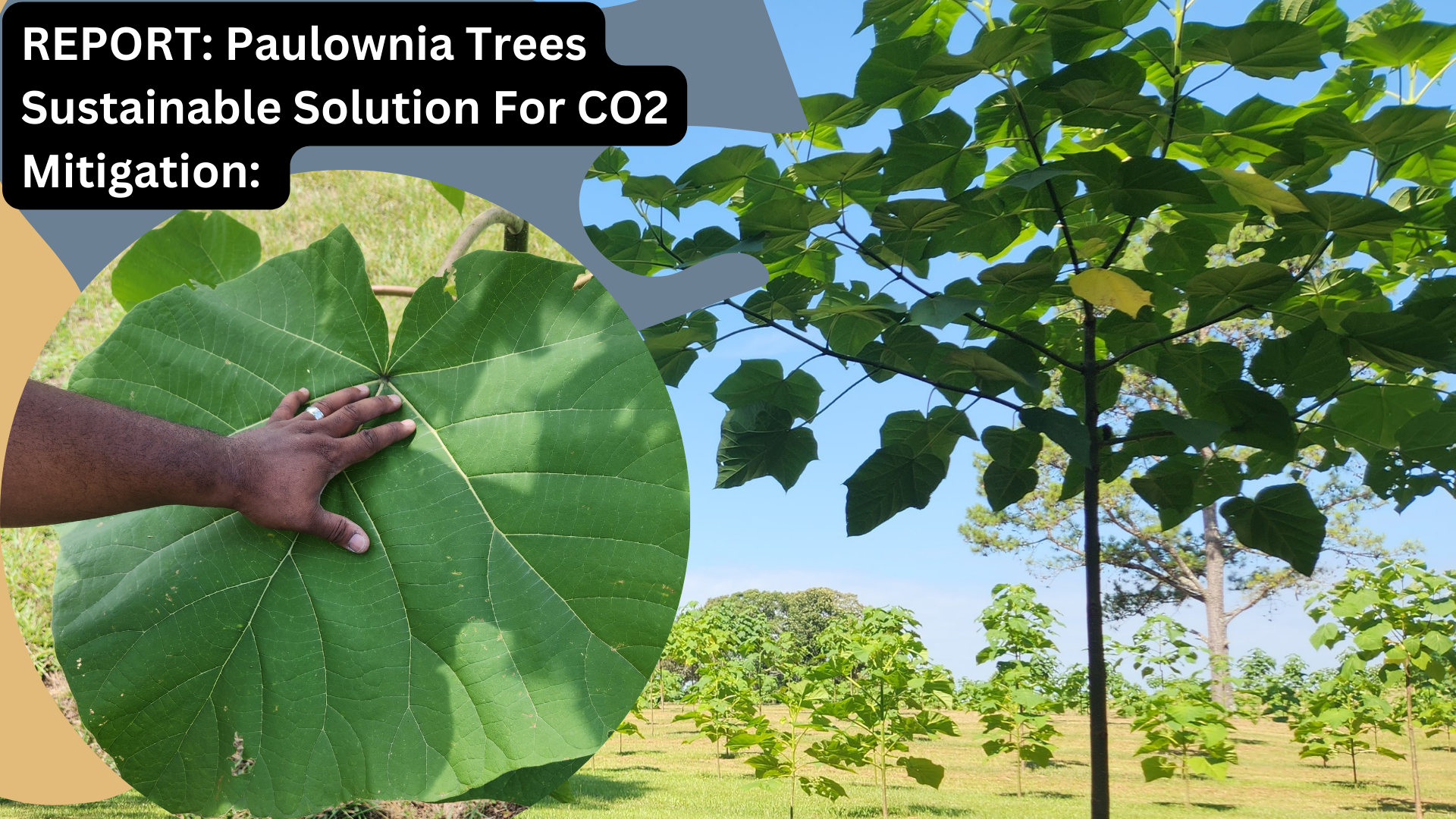
  • Rapid Growth and Carbon Sequestration: Paulownia is known for its exceptionally fast growth rate, allowing for rapid carbon sequestration and biomass production.
  • Soil Improvement: Paulownia’s deep root system helps improve soil structure, prevent erosion, and enhance water infiltration.
  • Biodiversity Support: Paulownia plantations can be designed to support biodiversity by integrating native species and creating diverse habitats.
  • Economic Opportunities: Paulownia timber is valuable for a variety of uses, providing economic benefits for local communities.

Fortune 100 Leaders in Forest Landscape Restoration (FLR)

Several Fortune 100 companies are already demonstrating leadership in FLR:

  • International Paper: This global paper and packaging company has committed to restoring 1 million acres of forestland in the southern US, focusing on biodiversity conservation and sustainable forest management.
  • Microsoft: Through its AI for Earth program, Microsoft is supporting FLR projects around the world, using technology to monitor forest health, track progress, and optimize restoration efforts.
  • Unilever: This consumer goods giant has partnered with organizations like the World Resources Institute to support FLR initiatives in key sourcing regions, promoting sustainable agriculture and forest conservation.

Actionable Steps for Companies

Here’s how Fortune 100 companies can integrate FLR into their sustainability strategies:

  1. Go Beyond Offsets: Shift from a transactional approach to a long-term commitment to forest restoration.
  2. Embrace a Holistic Approach: Consider the ecological, social, and economic dimensions of FLR, engaging local communities and stakeholders.
  3. Invest in Science and Technology: Utilize the latest research and technologies to optimize restoration efforts and monitor progress with “Net Eco Exchange”.
  4. Partner for Impact: Collaborate with BioEconomy Solutions, governments, and local communities to leverage expertise and resources.
  5. Communicate Transparently: Report on FLR initiatives and their impact, showcasing leadership and inspiring others.
  6. Explore Paulownia: Investigate the potential of Paulownia trees as an nature-based solution for carbon sequestration, soil health, and biodiversity in FLR projects.

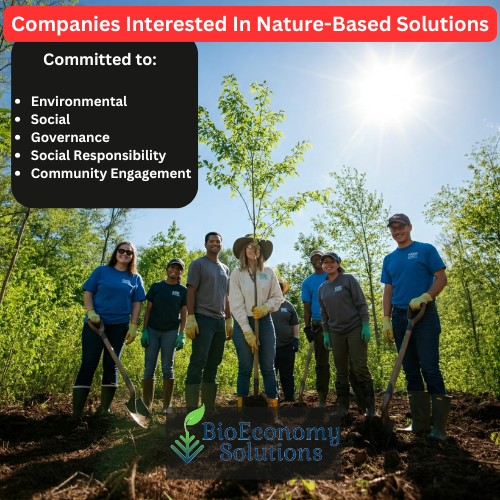
By embracing FLR and incorporating innovative Nature-Based Solutions like Paulownia, Fortune 100 companies can meet and exceed their commitments to:

  • Environmental, Social, Governance (ESG)
  • Social Responsibility Investments (SRI)
  • Community Engagement

Move your organization beyond carbon offsets and become true leaders in creating a more sustainable and resilient future for our planet.


CONTACT US

LEARN MORE

Visit us at: https://bioeconomysolutions.com/paulownia-carbon-credits/ Let’s chat about paulownia tree solutions for sustainable Forest carbon credits projects.

Where to buy paulownia? We’re providing new paulownia trees from our U.S. South Carolina Paulownia tree farm facility.

Contact Us for details. Office: 843.305.4777 | Email: mail@bioeconomysolutions.com Here’s a link to our online calendar, schedule a conference call with us: www.bioeconomysolutions.com/bookcall

LIKE|SHARE|COMMENT

Enjoy this article? You may also enjoy “Top Ten Reasons to Choose Paulownia Trees for Your Next Carbon Development Project”

https://www.linkedin.com/pulse/top-ten-reasons-choose-paulownia-trees-your-next-victor-garlington-ybkie