Paulownia The Fastest Growing Tree On The Planet
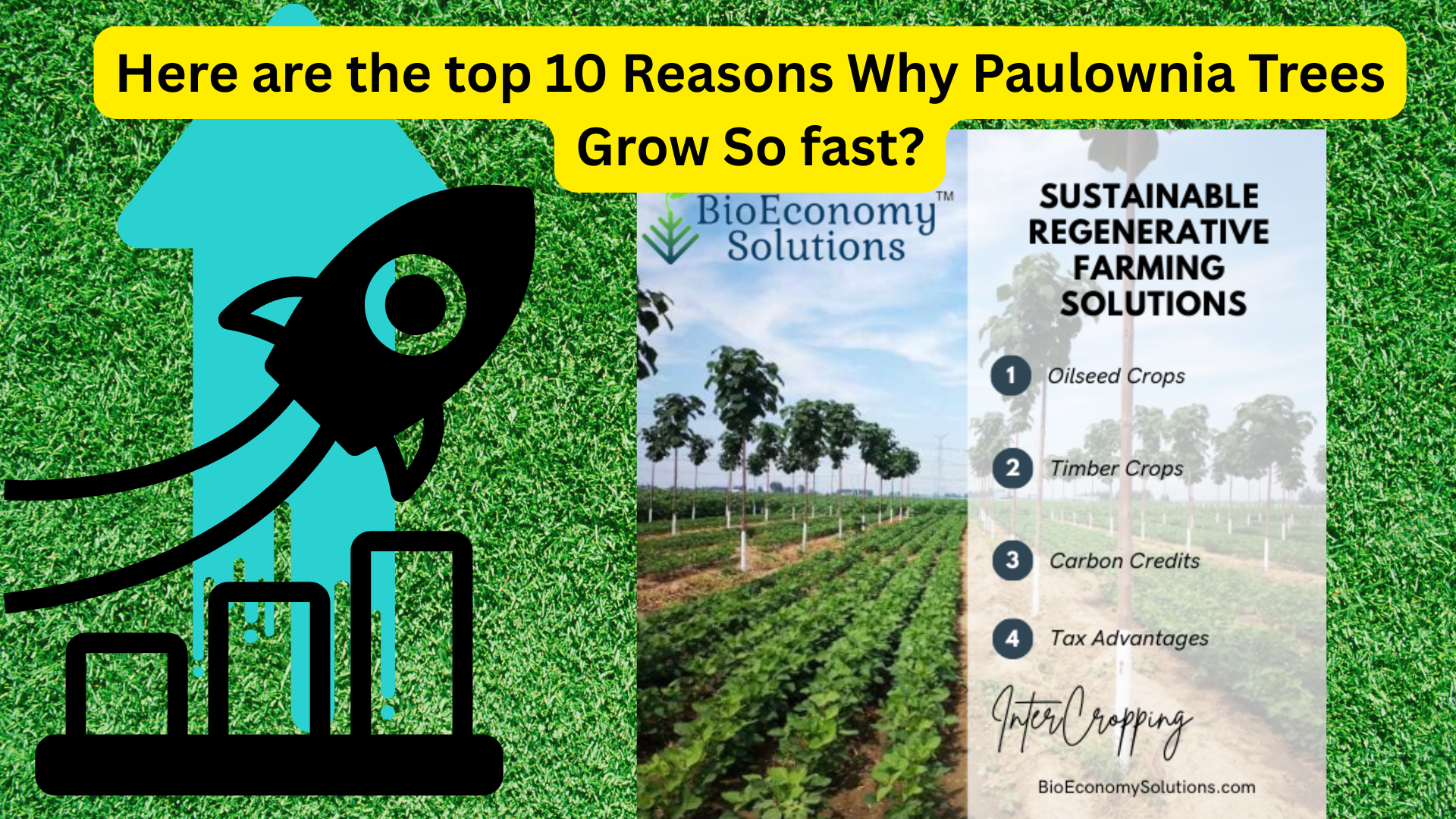
Top 10 Reasons Why Paulownia Trees Grow So fast?

Paulownia trees (especially Paulownia kiri, also known as the Empress Tree) are among the fastest-growing trees in the world. Their rapid growth is due to a combination of biological, physiological, and environmental adaptability traits. Here are the top 10 reasons why Paulownia trees grow so fast:


1. Large Leaf Surface Area

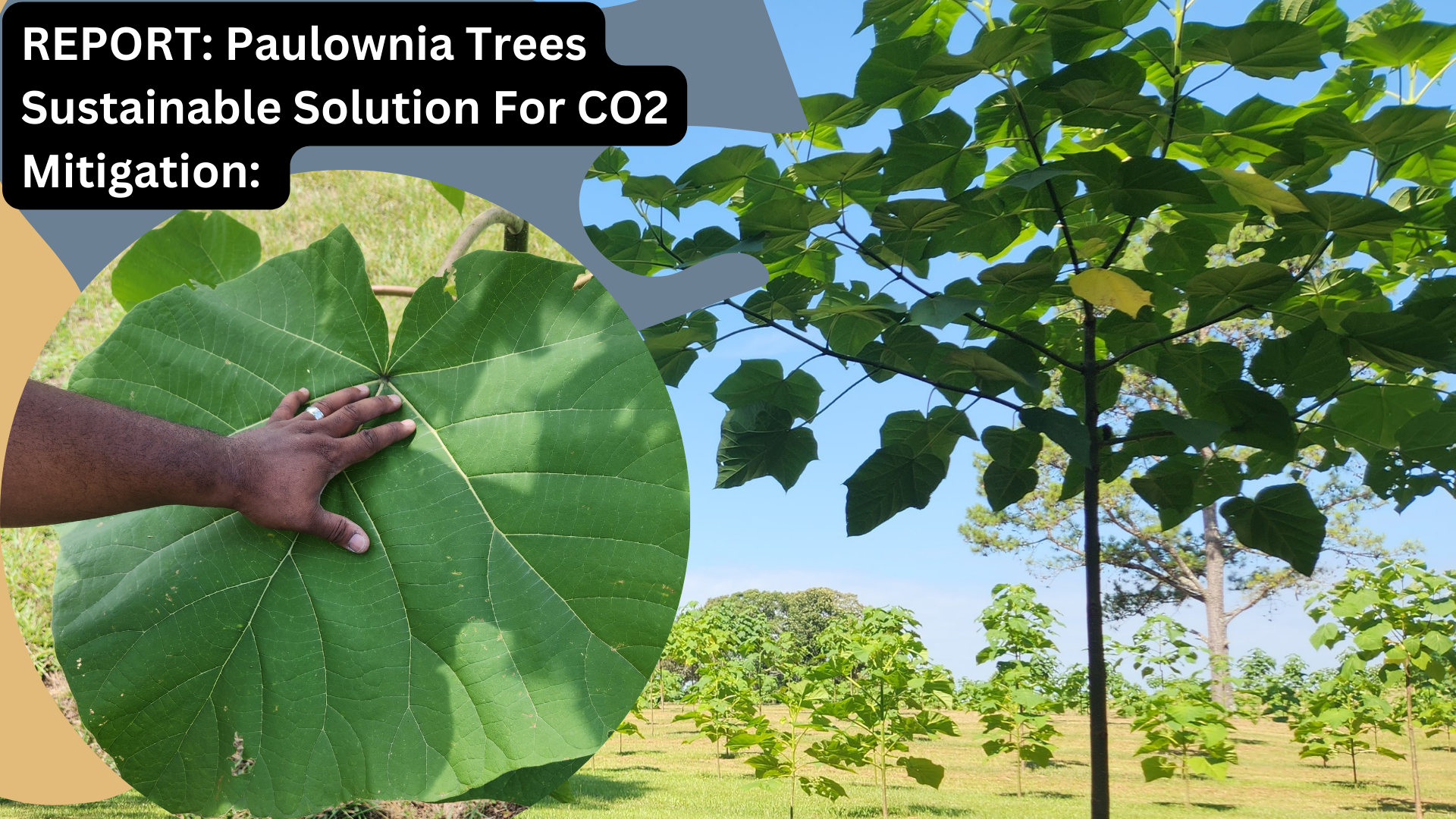
Paulownia trees have huge leaves (up to 40 cm wide), which allow for greater photosynthesis, accelerating biomass production.


2. Fast Cell Division and Elongation

The tree has rapid meristematic activity, meaning its cells divide and elongate quickly, especially in the stem and root tips.


3. Deep and Extensive Root System

Its deep taproot and lateral roots allow it to efficiently access water and nutrients from a large volume of soil, even in poor conditions.


4. C4-like Photosynthesis Efficiency

While Paulownia is technically a C3 plant, it shows high photosynthetic efficiency—similar to C4 plants—under optimal conditions like high light and warm temperatures.

5. Lightweight Wood

Paulownia wood has a low density but maintains good structural integrity. This means the tree can grow tall rapidly without needing to develop heavy structural tissue.


6. Tolerance to a Range of Soils

Paulownia thrives in a wide range of soils, including degraded and nutrient-poor areas, due to its adaptive nutrient uptake mechanisms.


7. Rapid Juvenile Growth Phase

The first few years of Paulownia’s life involve a very fast juvenile growth phase, where it can grow up to 3–5 meters (10–16 feet) in a single season.


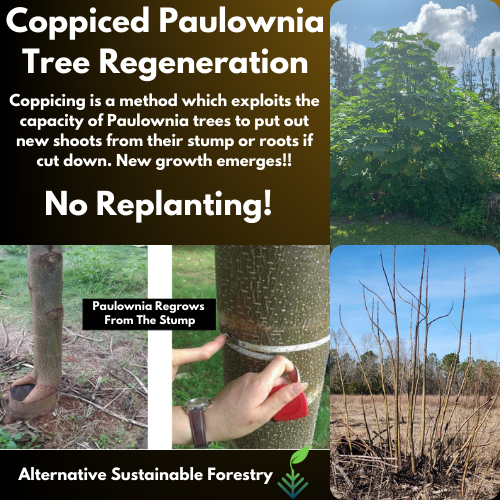
8. Strong Coppicing Ability

After cutting or damage, Paulownia resprouts vigorously from the stump or roots, enabling multiple growth cycles from the same plant.


9. Minimal Pest and Disease Pressure

Paulownia has natural resistance to many pests and diseases, reducing the energy the tree needs to allocate for defense.


10. Early Maturity and Reproductive Readiness

Paulownia trees reach maturity in 7–10 years, much faster than most hardwoods, allowing them to channel energy into fast trunk and canopy development early in life.


Contact Us

Where To Buy Paulownia Core Materials? QUESTIONS?

Visit our web page. https://bioeconomysolutions.com/paulownia-lumber/

What is paulownia wood? https://bioeconomysolutions.com/what-is-paulownia-wood/

We’re happy to organize a time to speak with you about our paulownia trees and lumber we have for sale. Please book your preferred time to speak directly.

Here’s a link to my online calendar/schedule:

www.bioeconomysolutions.com/bookcall

BioEconomy Solutions

mail@BioEconomySolutions.com

Office: 843.305.4777

Visit us at: https://bioeconomysolutions.com/paulownia-carbon-credits/ Let’s chat about paulownia tree solutions for sustainable Forest carbon credits projects.

LIKE|SHARE|COMMENT

Enjoy this article? You may also enjoy “Carbon Developers Choose Paulownia Trees” https://www.linkedin.com/pulse/carbon-developers-choose-paulownia-trees-victor-garlington-imh4e/
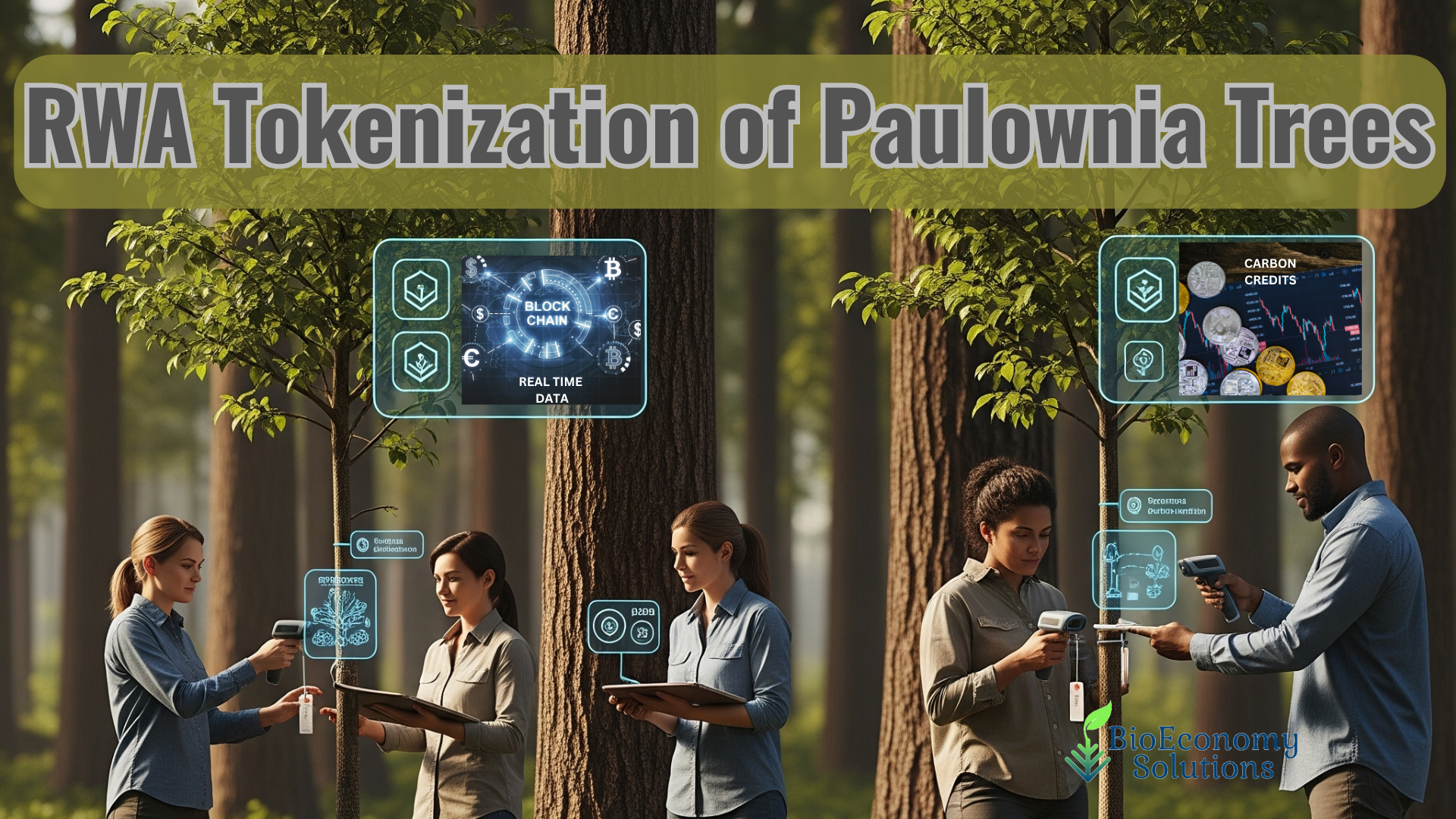
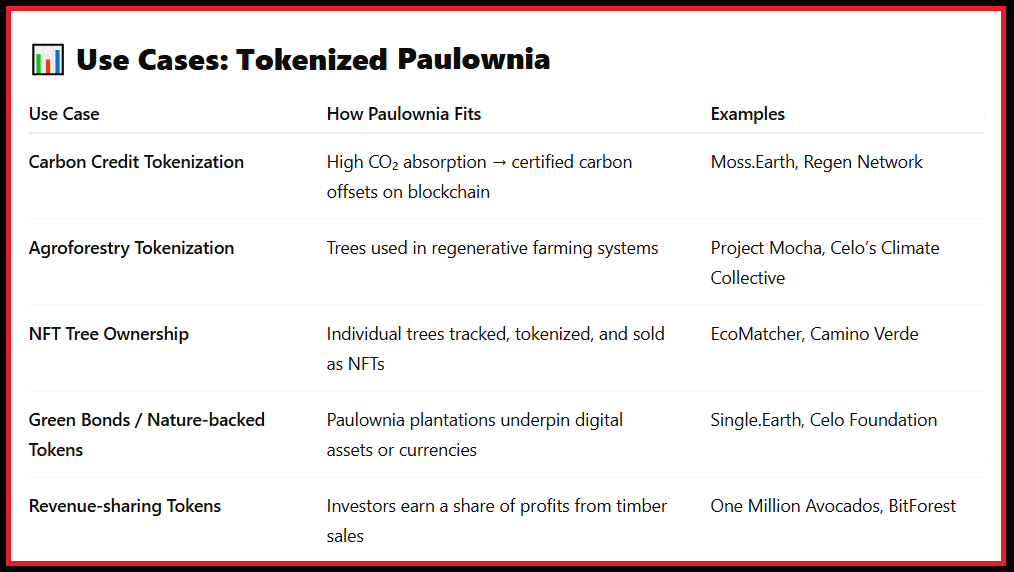
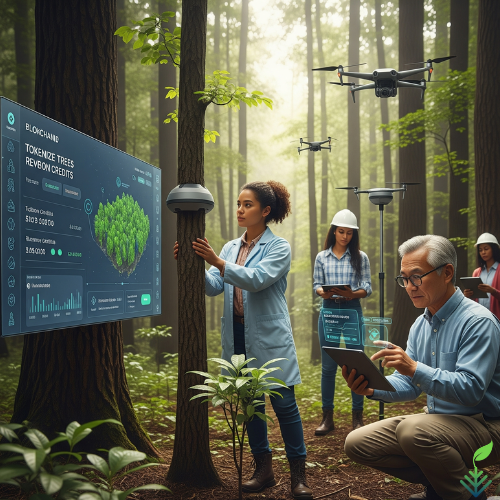
When considering Paulownia Tree Tokenizing Real-World Tree Assets. The Paulownia tree, known for its rapid growth, carbon absorption capacity, and economic value, is an ideal candidate for tree tokenization — a growing trend in climate tech and green finance. Here’s how Paulownia trees can be utilized within the tokenization framework to support environmental, economic, and social goals.

Tokenization of Paulownia Trees: How It Works and Why It Matters

What is Tokenization in this Context?
Tokenization involves converting ownership rights, carbon capture value, or economic benefits of a Paulownia tree (or a plot of them) into digital tokens on a blockchain. These tokens can be:

  • Sold or traded
  • Tracked transparently
  • Linked to real-world metrics like carbon sequestration or timber value

Why Paulownia is an Ideal Tree for Tokenization

1. High Carbon Sequestration

  • Paulownia trees absorb 10–20 times more CO₂ than many other tree species.
  • Their fast growth rate (up to 3–5 meters per year) means quicker and measurable carbon credit generation.
  • This makes them excellent for carbon offset tokens like those issued by other platforms.

2. Economic Value

  • The wood is lightweight, strong, and highly valuable in industries such as furniture, construction, and musical instruments.
  • Paulownia-based tokens can represent timber futures, making them attractive to investors — similar to the One Million Avocados or Project Mocha model.

3. Reforestation and Regenerative Agriculture

  • Paulownia trees can be used in reforestation and agroforestry, contributing to climate resilience and land restoration goals.
  • Like EcoMatcher or Camino Verde, projects can tokenize individual Paulownia trees using GPS tracking, growth data, and QR codes for transparency.

4. Shorter ROI Cycle

  • Due to their fast maturity (harvestable in 5–7 years), investors see returns sooner than with slow-growing trees.
  • This reduces risk and increases appeal for retail and institutional investors alike.

🔒 Benefits of Tokenizing Paulownia
✅ For Farmers: Upfront capital through token sales, improved livelihoods
✅ For Investors: Access to verified green assets, carbon offsets, or timber revenues
✅ For the Planet: Encourages tree planting, land restoration, and sustainable land use
✅ For Regulators: Easier monitoring and verification via immutable blockchain data

Strategic Path Forward
BioEconomy Solutions built a Paulownia tokenization platform by:

Partnering with forestry experts to establish high-quality plantations.
Working with carbon certifiers (like Net Eco Exchange, Verra or Gold Standard) to validate carbon offset.
Tokenizing assets using platforms like Polygon, Celo, or Ethereum.
Selling tokens to corporations, ESG investors, or climate-conscious individuals.

Today’s Real World Asset – Paulownia Trees

The Paulownia tree, thanks to its biological, economic, and environmental strengths, is perfectly suited for the tokenized future of forestry. By converting its carbon, growth, and timber value into blockchain-based tokens, Paulownia can help create a transparent, inclusive, and sustainable financial model that aligns with the goals of the UNCCD, Paris Agreement, and global reforestation efforts.

Contact Us

Where To Buy Paulownia Core Materials? QUESTIONS?

Visit our web page. https://bioeconomysolutions.com/paulownia-lumber/

What is paulownia wood? https://bioeconomysolutions.com/what-is-paulownia-wood/

We’re happy to organize a time to speak with you about our paulownia trees and lumber we have for sale. Please book your preferred time to speak directly.

Here’s a link to my online calendar/schedule:

www.bioeconomysolutions.com/bookcall

BioEconomy Solutions

mail@BioEconomySolutions.com

Office: 843.305.4777

Visit us at: https://bioeconomysolutions.com/paulownia-carbon-credits/ Let’s chat about paulownia tree solutions for sustainable Forest carbon credits projects.

LIKE|SHARE|COMMENT

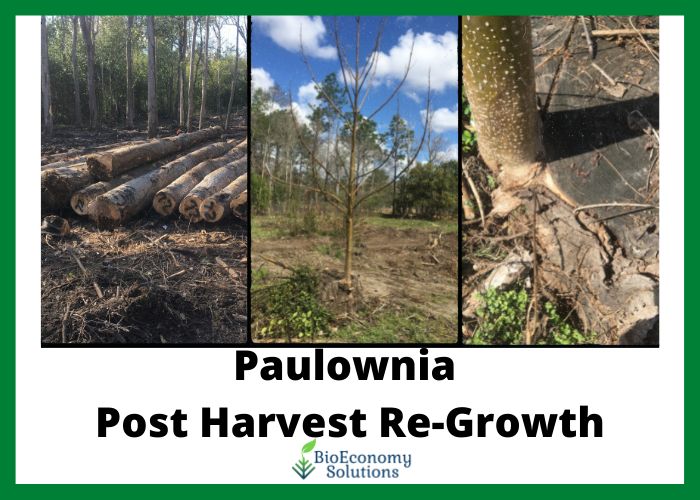
In the world of sustainable forestry, few trees offer the impressive regenerative capabilities of the Paulownia species. Often dubbed the t, a practice known as coppicing, makes it an exceptionally valuable asset for timber production, biomass generation, and environmental restoration.

Coppicing is an ancient woodland management technique that harnesses a tree’s natural tendency to sprout new shoots from its base or root collar when its main stem is harvested. For Paulownia, this characteristic is particularly pronounced. Unlike many trees that require replanting after each harvest, Paulownia’s established root system remains intact, ready to fuel rapid new growth.

The Power of the Established Root System

The secret to Paulownia’s phenomenal regrowth lies in its extensive and mature root system. When a young Paulownia tree is cut back, especially in its dormant phase (typically one to three years after initial planting), the robust roots, which have been developing for years, provide an immediate and abundant supply of nutrients and energy to the new sprouts. This allows the fresh shoots to grow at an astonishing rate, sometimes reaching several feet in a single growing season.

Advantages of Coppicing Paulownia

  • Accelerated Growth Cycles: Coppicing significantly reduces the time between harvests. Paulownia can reach harvestable size in as little as 5-7 years, and after coppicing, subsequent rotations can be even quicker, often ready for cutting in 3-5 years. This rapid turnaround maximizes productivity from the same land area.
  • Reduced Reforestation Costs: Eliminating the need for replanting after each harvest dramatically cuts down on labor, seedling costs, and the associated environmental impact of site preparation. This makes Paulownia plantations highly economical and efficient.
  • Continuous Timber Supply: The consistent regeneration ensures a steady and predictable supply of wood, supporting a more stable timber market and reducing pressure on natural, old-growth forests.
  • Enhanced Carbon Sequestration: Paulownia’s rapid growth translates to impressive carbon sequestration rates. The continuous cycle of growth and regrowth means these trees are constantly absorbing atmospheric CO2, contributing significantly to climate change mitigation efforts.
  • Soil Stabilization and Health: The deep and widespread root system of Paulownia helps prevent soil erosion, especially on degraded or vulnerable lands. As the tree regrows, it continues to improve soil structure and enrich it with organic matter.
  • Multi-Cycle Harvesting: A single Paulownia root system can support multiple harvest cycles, often as many as 4 to 8 times over its lifespan, providing decades of continuous yield from the same planting.

Managing for Optimal Regrowth

To maximize Paulownia’s coppicing potential, careful management practices are crucial. This typically involves:

  • Initial Coppicing: Often, growers will coppice young Paulownia trees (1-3 years old) to encourage a single, straight, and vigorous stem for high-quality timber. This initial cut allows the root system to develop fully before focusing energy on a primary trunk.
  • Selective Sprout Management: After coppicing, multiple sprouts will emerge. For timber production, growers often select the strongest, straightest shoot and remove the others, directing all the root’s energy into developing a single, high-quality trunk. For biomass, multiple shoots may be allowed to grow for maximum yield.
  • Dormant Season Harvesting: Harvesting during the dormant season (winter) is generally recommended, as the tree’s energy reserves are concentrated in the roots, optimizing the subsequent spring’s regrowth.

A Sustainable Solution

Paulownia’s exceptional ability to regrow post-harvest solidifies its position as a leading species for sustainable forestry and renewable resource management. This inherent regenerative power offers a compelling solution for meeting the growing demand for timber and biomass while simultaneously contributing to environmental conservation and a more circular economy. As the world increasingly seeks eco-friendly alternatives, the “Phoenix tree” stands tall as a testament to nature’s remarkable capacity for renewal.


Contact Us

Where To Buy Paulownia Core Materials? QUESTIONS?

Visit our web page. https://bioeconomysolutions.com/paulownia-lumber/

What is paulownia wood? https://bioeconomysolutions.com/what-is-paulownia-wood/

We’re happy to organize a time to speak with you about our paulownia trees and lumber we have for sale. Please book your preferred time to speak directly.

Here’s a link to my online calendar/schedule:

www.bioeconomysolutions.com/bookcall

BioEconomy Solutions

mail@BioEconomySolutions.com

Office: 843.305.4777

Visit us at: https://bioeconomysolutions.com/paulownia-carbon-credits/ Let’s chat about paulownia tree solutions for sustainable Forest carbon credits projects.

LIKE|SHARE|COMMENT

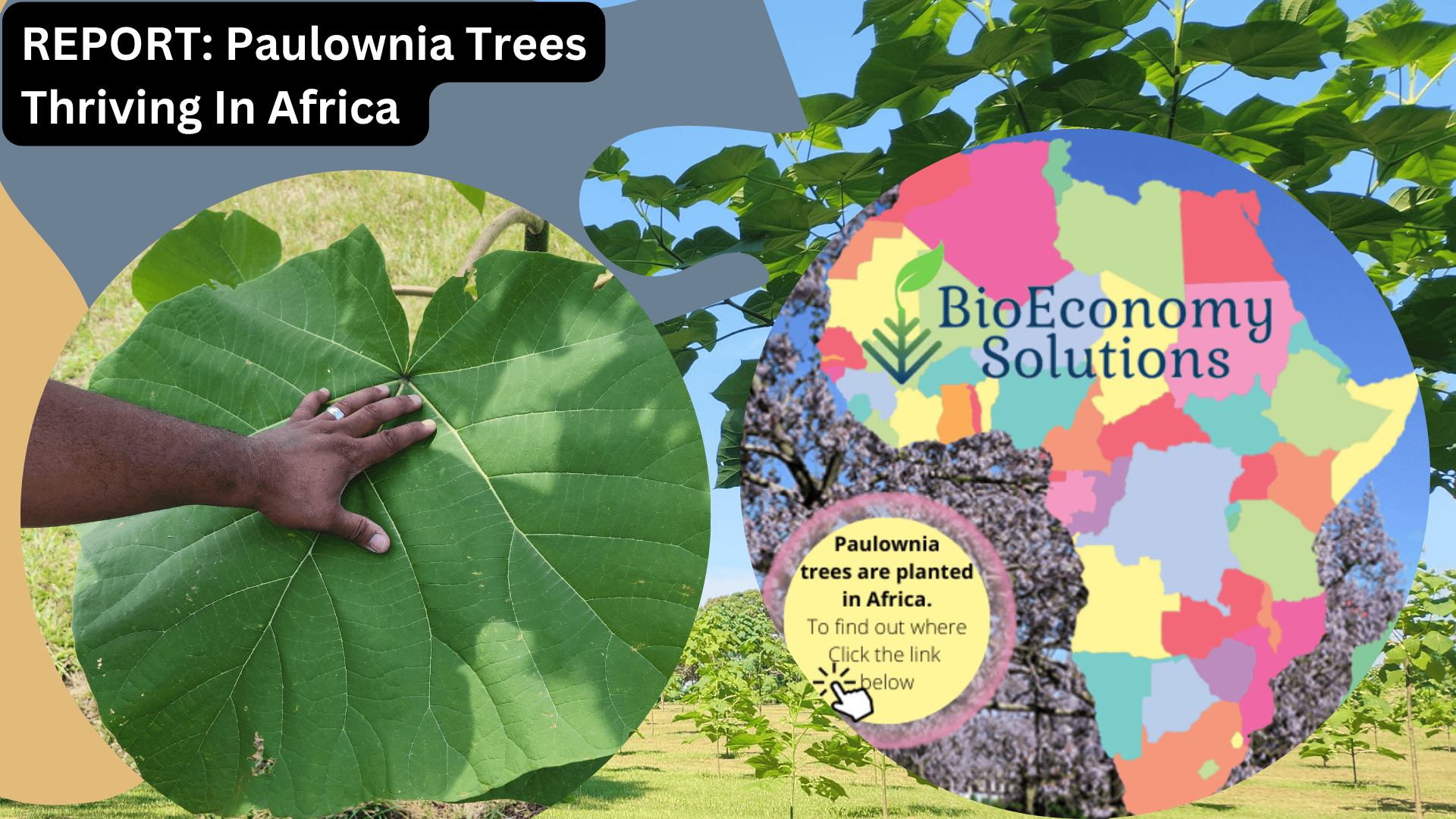
African paulownia tree farms are thriving! These initiatives were brought on by high temperatures and extreme drought. These efforts transform the area into a environment in the short term creating new jobs, cooling the environment and much more.

What Are Paulownia Trees?

Our hybrid Paulownia key benefits:

  • Fast growing
  • High-yield
  • Non-invasive
  • Non-GMO
  • Requires little water

Since 2012, our team has planted millions of Paulownia trees in the Gobi desert with great success.

Our Paulownia trees are a fast growing, high-yield, non-invasive, non-GMO hybrid. Paulownia tree that makes planet Earth a better place to live for all forms of life. Our hybrid paulownia tree is a trans-genera clone; it is not a genetically modified organism (GMO). As is the case with all trans-genera clones (example: peach x apricot = sterile nectarine), it is seed-sterile and therefore non-invasive.

Why Plant Paulownia

Planting paulownia trees promotes climate resilient investment across sub-Saharan Africa. These investment partnerships will provide policymakers with insights into where new infrastructure development can mitigate community vulnerabilities in .

Prosperity comes in the forms of monthly stipends for workers and those funds and sustainable ecology promote wealth in more ways than one for the local populations.

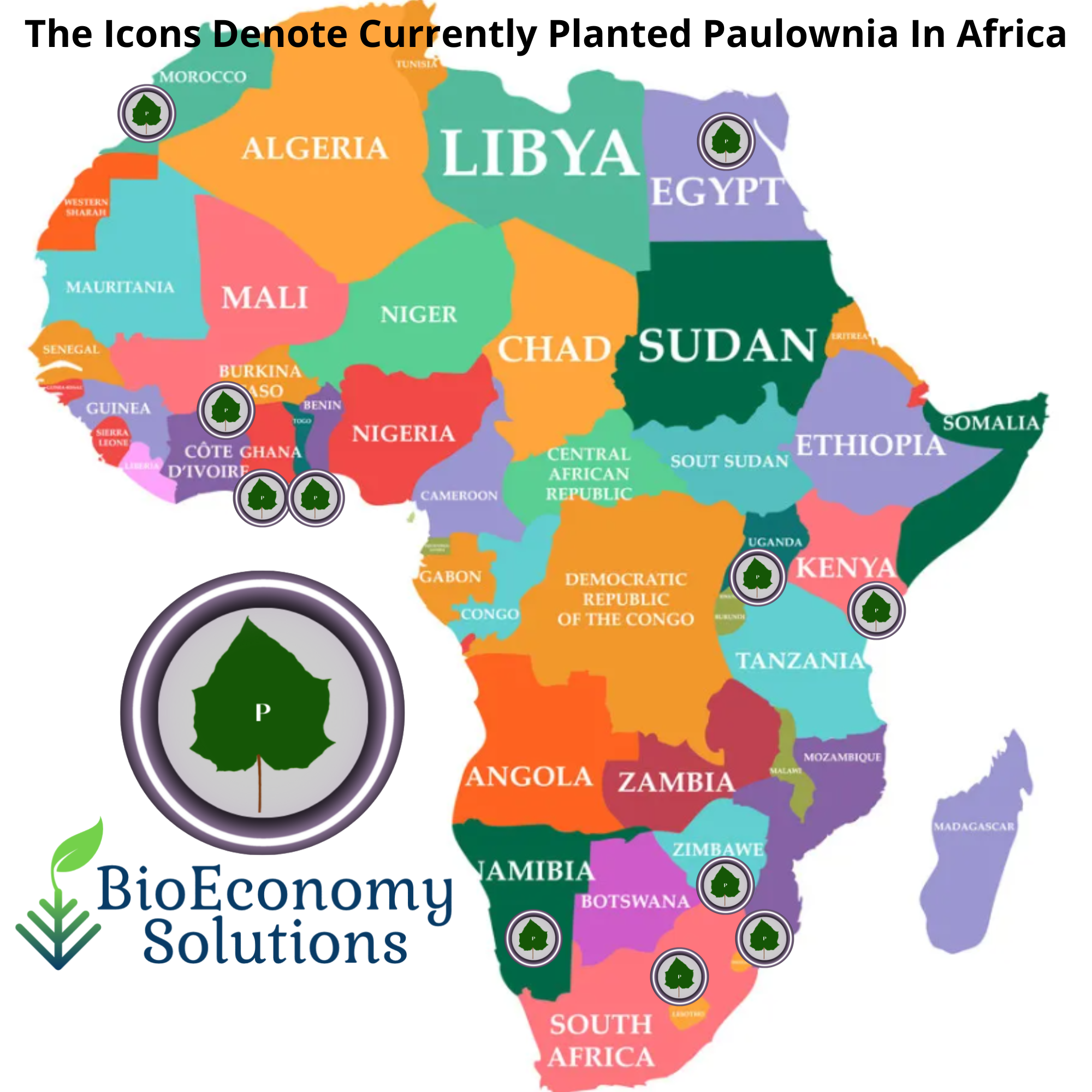
African countries with paulownia trees growing currently include:

  • Togo
  • South Africa
  • Kenya
  • Uganda
  • Morocco
  • Ghana
  • Namibia
  • Lesotho
  • Burkina Faso
  • Zimbabwe
  • Eswatini
  • Egypt

According to the United Nations there are 54 countries in Africa today. See the full list with current population and sub-region (based on the United Nations official statistics). So far 12 countries in Africa have planted paulownia trees, this is a good start but we can do so much more.

Together, these characteristics make the paulownia an ideal tree to grow for both economic and environmental reasons.

Want to purchase paulownia saplings for your project located In Africa? Have a reforestation or afforestation project? Contact us for more information.

Contact Us for details. Office: 843.305.4777 | Email: mail@bioeconomysolutions.com Here’s a link to our online calendar, schedule a conference call with us: https://info586.youcanbook.me

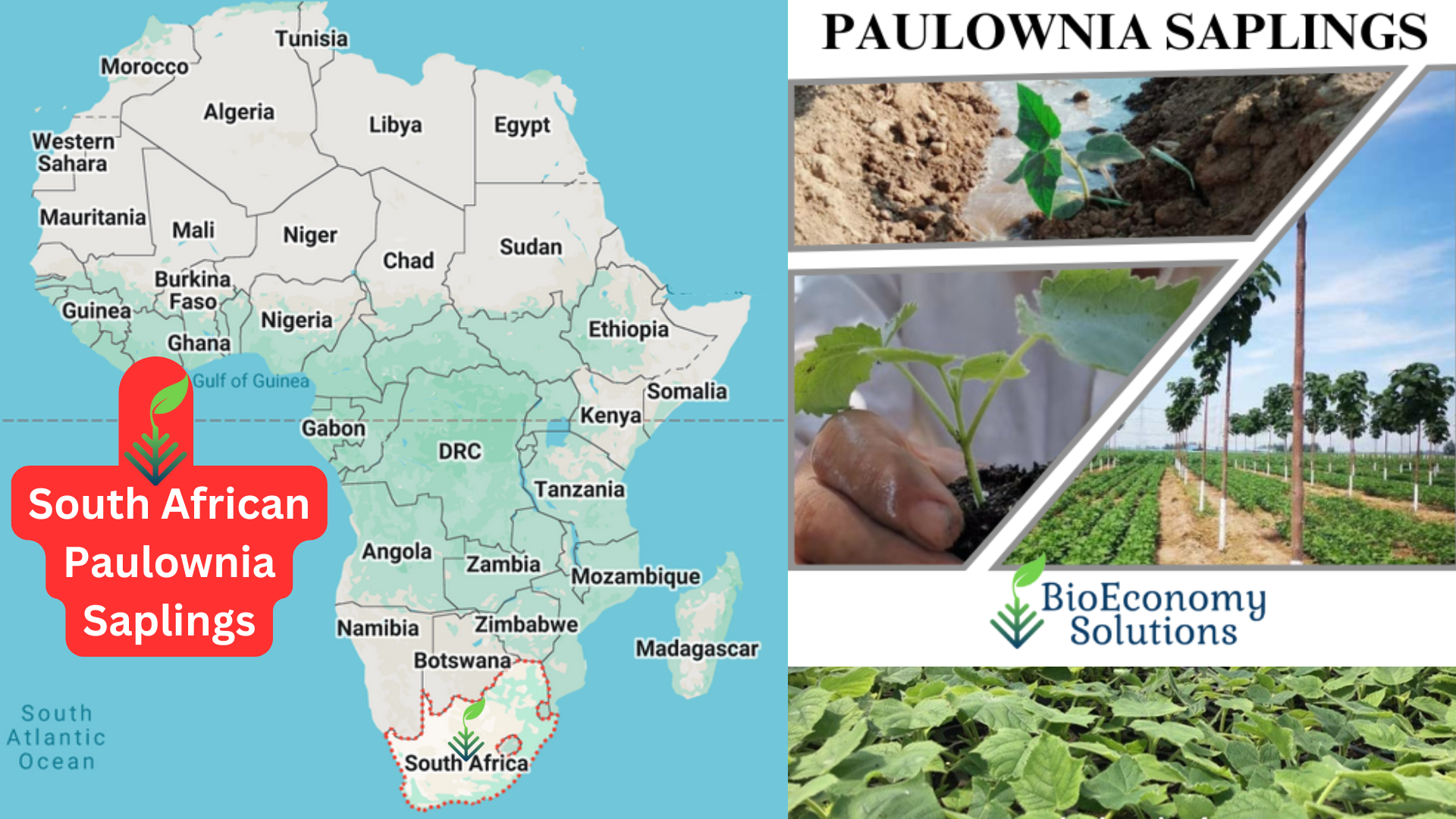
Learn more about South African drought tolerant hybrid species here: https://www.linkedin.com/pulse/south-african-paulownia-saplings-sale-victor-garlington-8kelc/

There is a lot of misinformation on the internet concerning paulownia trees. So we are here to set the record straight and give you real information from a real South Carolina paulownia farm owner.

Who are we? BioEconomy Solutions, we educate on the paulownia tree and it’s applications, we grow trees, harvest paulownia trees and sale paulownia timber and dimensional lumber from our saw mill operation right here in South Carolina USA.

Lot’s of famers around the world that are just beginning their journey with paulownia and have no idea of what to expect when it comes to harvesting the trees or who their potential buyers are for them.

Many new paulownia enthusiast have never held a sawn paulownia board in their hands.

We have been processing paulownia trees into lumber since 2019, so this is not theory, just practical experience you can apply to your own operation.

Let’s work together!

Paulownia Farming Facts – Video

Watch the Full Presentation

Want To Grow Paulownia?

👉Interested in growing paulownia?

https://bioeconomysolutions.com/unlock-the-secrets-of-growing-paulownia-with-the-ultimate-growers-guide/ 843.305.4777

Did you know that fast-growing Paulownia trees are being planted worldwide for their eco-friendly benefits? From reforestation projects to sustainable timber, these “miracle trees” are making a difference. Discover how Paulownias are helping the planet—one tree at a time! 🌱✨

What You Will Learn:

Paulownia trees are renowned for their remarkable ability to address and even reverse several negative environmental factors.

This will show you some key ecological benefits paulownia trees provide:

– Soil Restoration & Erosion Control

– Carbon Sequestration (Fights Climate Change)

– Phytoremediation (Cleans Polluted Soil & Water)

– Biodiversity Support

– Reduces Deforestation Pressure

– Fast Growth

– Where to purchase non-invasive paulownia hybrid tree saplings

If you’re interested in paulownia, want to grow or currently growing, this information is for you.

👉Get a FREE copy of Paulownia Carbon Report: https://bioeconomy-solutions.kit.com/45b34109e5

Paulownia: The Billion-Dollar Green Asset Class Institutional Investors Can’t Afford to Ignore

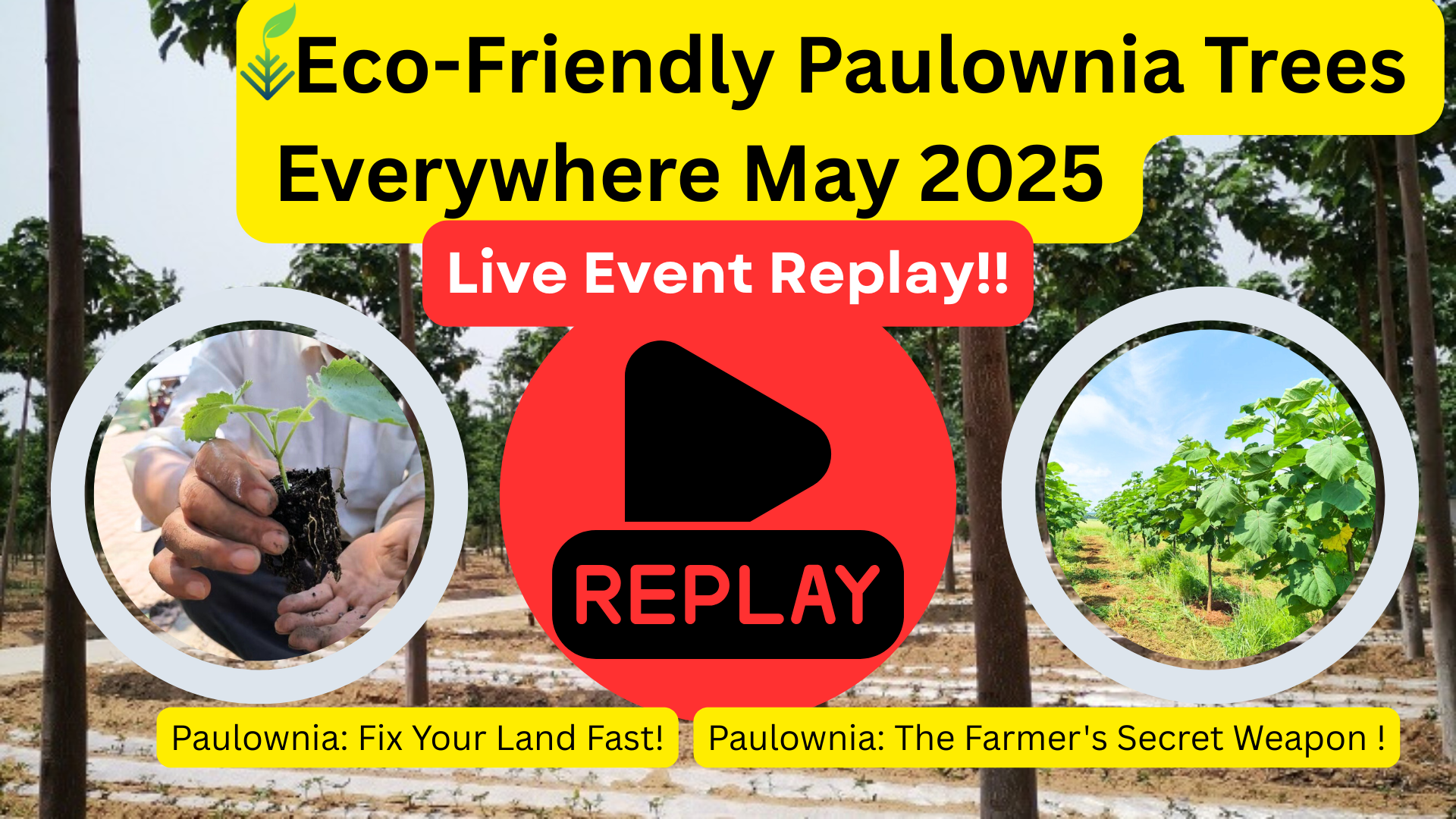
Missed our live event, “Eco-Friendly Paulownia Trees Everywhere”? The replay is now available—and for institutional investors, or any organization interested in this subject, this is more than just an environmental discussion. Paulownia tree plantations are a lucrative, scalable, and future-proof investment opportunity with unparalleled ESG upside.

Why Paulownia? The High-Growth, Low-Risk Green Asset

Paulownia isn’t just a tree—it’s a high-yield, sustainable investment vehicle with institutional-grade potential. Our event revealed a fully developed 10,000-hectare plantation model, demonstrating how Paulownia delivers:

Exceptional ROI– Fast-growing (harvest-ready in 2-7 years), premium biomass & timber markets, and carbon credit revenue streams.

Climate-Resilient Investing – One of the world’s most efficient carbon sinks, generating high-value offsets for ESG portfolios.

Natural Hedge Against Volatility– Inflation-resistant, uncorrelated to traditional markets, with rising global demand for sustainable timber.

Government & Regulatory Tailwinds– Eligible for reforestation subsidies, tax incentives, and green financing programs.

Phytoremediation & Land Appreciation – Rehabilitates degraded land, increasing asset value while cleaning pollutants (heavy metals, toxins).

Who Should Watch the Replay?

🌍 Sovereign Wealth Funds & Pension Funds – Diversify into tangible, inflation-proof assetswith long-term appreciation.

💼 Venture Capital & Private Equity – Scalable agroforestry plays with exit opportunities in carbon markets, sustainable timber, and bioenergy.

🏦 Family Offices & Impact Investors– High-growth, mission-aligned investments that balance profit with planetary impact.

📈 ESG Fund Managers – A verified, measurable green asset to bolster sustainability mandates and reporting.

The Institutional Case for Paulownia

  • Carbon Credits: Paulownia plantations generate premium voluntary carbon offsets (VCS, Gold Standard).
  • Timber & Biomass: Global demand for sustainable wood is surging, with Paulownia as a lightweight, durable alternative to traditional hardwoods.
  • Land Banking: Strategic acquisition of marginal land for value appreciation through ecological restoration.
  • Phytoremediation Projects: Partner with governments/NGOs to monetize polluted land cleanup.

Watch The Replay Now

The event replay delivers actionable insights, financial models, and case studies tailored to institutional capital deployment. This is not theoretical—it’s a proven, scalable asset class ready for portfolio allocation.

🔗 Watch the Replay Here – CLICK THE IMAGE BELOW

Who Should Watch the Replay?
🌱 Farmers & Landowners – Learn how to integrate Paulownia into agroforestry for profit and sustainability.

♻️ Eco-Entrepreneurs – Discover business opportunities in carbon credits, eco-timber, and phytoremediation projects.

🌍 Environmental Advocates – See how large-scale Paulownia planting can combat desertification and pollution.

🌳 Anyone Passionate About Reforestation – Get actionable insights on starting your own Paulownia plantation.

Schedule Private Briefing
Interested in a private briefing? Contact our investment team for exclusive data rooms and deal flow opportunities.

Book a call with us

#SustainableInvesting #InstitutionalCapital #ESG #CarbonMarkets #Agroforestry #Paulownia

Review The Financial Model For Paulownia Plantation
Want to see the numbers?

During the event we also did a full review of the financial model that IS NOT AVAILABLE TO EVERYONE as you will not see it above. But you can have access now. SEE BELOW

Subscribe For Access

Subscribe to review the full financial deck

About BioEconomy Solutions
Where To Buy Paulownia? Paulownia Wood For Sale – QUESTIONS?

Visit our web page. https://bioeconomysolutions.com/paulownia-lumber/

We’re happy to organize a time to speak with you about our paulownia trees and lumber we have for sale. Please book your preferred time to speak directly.

Here’s a link to my online calendar/schedule:

www.bioeconomysolutions.com/bookcall

BioEconomy Solutions

mail@BioEconomySolutions.com

Office: 843.305.4777

LIKE|SHARE|COMMENT

Enjoy this article? You may also enjoy “Carbon Developers Choose Paulownia Trees” https://www.linkedin.com/pulse/carbon-developers-choose-paulownia-trees-victor-garlington-imh4e/
 

Unlock the Secrets of Growing Paulownia with the Ultimate Grower’s Guide!

Are you interested in fast-growing, sustainable timber that’s profitable and eco-friendly? Look no further than Paulownia—the “aluminum of lumber” known for its lightweight strength, rot resistance, and rapid growth.

Now, you can master Paulownia cultivation with the BioEconomy Solutions Paulownia Grower’s Manual! This comprehensive e-book is packed with expert insights, step-by-step growing techniques, and proven strategies to maximize your yields—in just 5 years!

Why Paulownia?

  • Grows 5x faster than traditional timber (harvest in 5 years vs. 25+).

  • Highly profitable—earn from lumber, carbon credits, honey, and more.

  • Eco-friendly—sequesters 90 metric tons of CO2 per acre/year!

  • Versatile uses—furniture, veneers, surfboards, and even wind turbine blades.

What’s Inside the Guide?

✅ Step-by-step planting & maintenance (greenhouse to harvest).
✅ Revenue streams—timber sales, carbon credits, intercropping, and leasing.
✅ Tax incentives & grants to boost your ROI.
✅ Real-world case studies from successful MegaFlora farms.

Whether you’re a farmer, investor, or eco-entrepreneur, this manual is your blueprint to profitable, sustainable forestry.

🌱 Download Your Copy Today and Grow the Future!
👉 Get the Paulownia Grower’s Manual Now

Plant trees. Profit sooner. Cool the planet. 🌍💚

P.S. Limited-time bonus: Exclusive access to BES’s expert support network for buyers!

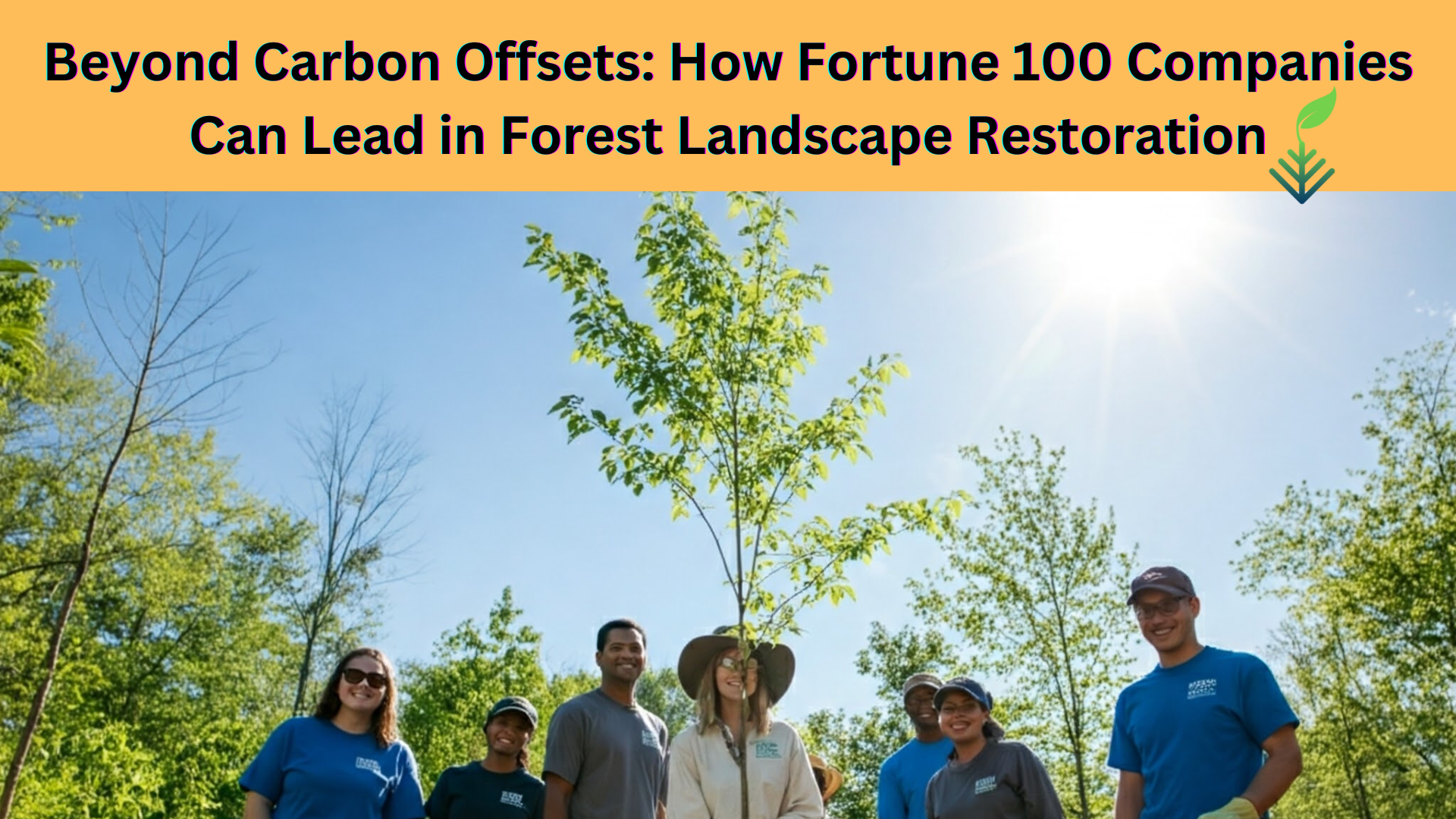
The urgency of the climate crisis has pushed corporations to seek ways to neutralize their environmental impact. While tree-planting initiatives and carbon offset programs have gained popularity, a more holistic and impactful approach is emerging: Forest Landscape Restoration (FLR).

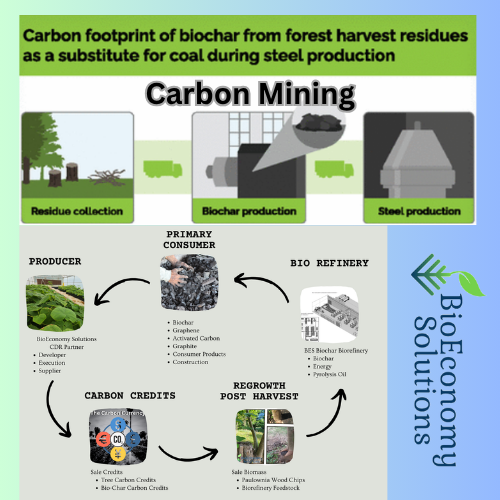
Fortune 100 companies, with their significant resources and influence, have a unique opportunity to lead the charge in this critical area, and incorporating fast-growing, versatile trees like Paulownia can significantly enhance these efforts and make them profitable! #carbonmining.

The Advantages of Simple Tree Planting For Carbon Offsets

Simple tree planting does have valuable advantages, especially when done right. Here are some key areas to consider:

1. Cost-Effectiveness

  • Compared to many technological carbon removal solutions, tree planting is often more affordable upfront.
  • This makes it accessible to a wider range of organizations and individuals who want to take climate action.

2. Scalability

  • Tree planting can be implemented on a large scale, across diverse landscapes, semi arid conditions and geographies.
  • This allows for significant carbon removal potential when projects are implemented strategically.

Trees Provide Numerous Benefits Beyond Carbon Sequestration

3. Co-Benefits What you need to know about tree planting co-benefits:

  • Biodiversity: They create habitats for wildlife, supporting ecosystem health.
  • Water Cycle Regulation: Trees improve water infiltration, reduce runoff, and help regulate local water cycles.
  • Soil Health: Tree roots stabilize soil, prevent erosion, and improve soil fertility.
  • Air Quality: Trees filter air pollution and improve air quality.
  • Community Benefits: Tree planting can provide jobs, resources (like fruit or timber), and improve the livelihoods of local communities.
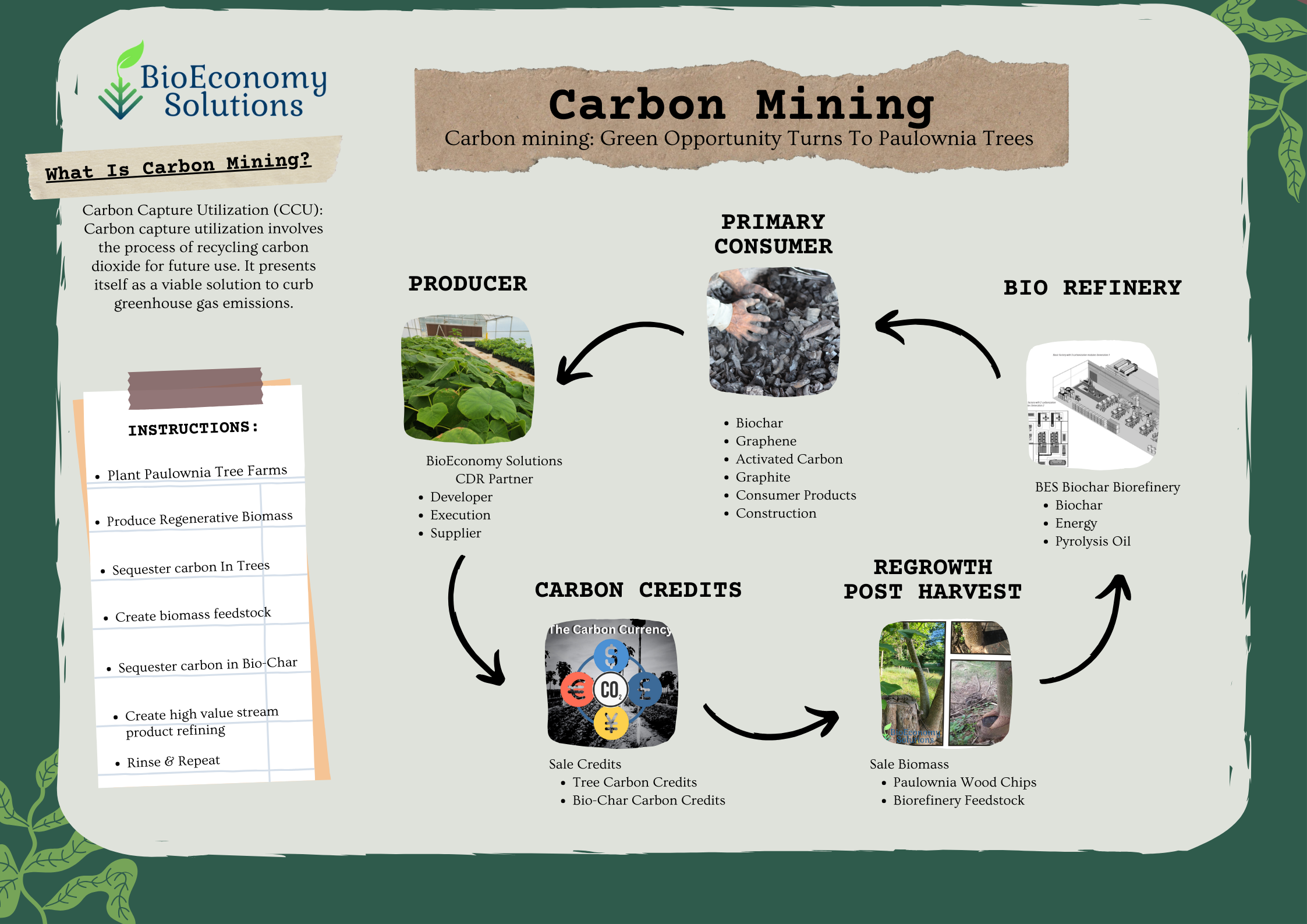
  • Income Benefits For CDR Project Stakeholders: Planting trees for #carbonmining, trees are the store of value for the creation of, carbon credits, woody biomass, biochar, graphite, graphene and more. What is  Carbon Mining?

4. Relative Simplicity

  • While effective tree planting requires planning and management, the basic concept is relatively simple to understand and implement.
  • This can encourage broader participation in climate action from individuals, communities, and organizations.

5. Tangible Impact

The Power of Forest Landscape Restoration

FLR goes beyond simply planting trees. It’s a holistic approach that aims to restore the ecological integrity of entire landscapes, bringing a multitude of benefits:

  • Enhanced Carbon Sequestration: FLR focuses on restoring diverse and resilient forests that maximize carbon storage over the long term.
  • Increased Biodiversity: By restoring native species and habitats, FLR helps protect and enhance biodiversity, crucial for ecosystem health and resilience.
  • Improved Water Security: Healthy forests regulate water cycles, improve water quality, and reduce the risk of floods and droughts.
  • Community Empowerment: FLR often involves local communities in planning and implementation, creating economic opportunities and improving livelihoods.

The Paulownia Advantage

Incorporating Paulownia trees into FLR initiatives can further amplify the positive impact:

  • Rapid Growth and Carbon Sequestration: Paulownia is known for its exceptionally fast growth rate, allowing for rapid carbon sequestration and biomass production.
  • Soil Improvement: Paulownia’s deep root system helps improve soil structure, prevent erosion, and enhance water infiltration.
  • Biodiversity Support: Paulownia plantations can be designed to support biodiversity by integrating native species and creating diverse habitats.
  • Economic Opportunities: Paulownia timber is valuable for a variety of uses, providing economic benefits for local communities.

Fortune 100 Leaders in Forest Landscape Restoration (FLR)

Several Fortune 100 companies are already demonstrating leadership in FLR:

  • International Paper: This global paper and packaging company has committed to restoring 1 million acres of forestland in the southern US, focusing on biodiversity conservation and sustainable forest management.
  • Microsoft: Through its AI for Earth program, Microsoft is supporting FLR projects around the world, using technology to monitor forest health, track progress, and optimize restoration efforts.
  • Unilever: This consumer goods giant has partnered with organizations like the World Resources Institute to support FLR initiatives in key sourcing regions, promoting sustainable agriculture and forest conservation.

Actionable Steps for Companies

Here’s how Fortune 100 companies can integrate FLR into their sustainability strategies:

  1. Go Beyond Offsets: Shift from a transactional approach to a long-term commitment to forest restoration.
  2. Embrace a Holistic Approach: Consider the ecological, social, and economic dimensions of FLR, engaging local communities and stakeholders.
  3. Invest in Science and Technology: Utilize the latest research and technologies to optimize restoration efforts and monitor progress with “Net Eco Exchange”.
  4. Partner for Impact: Collaborate with BioEconomy Solutions, governments, and local communities to leverage expertise and resources.
  5. Communicate Transparently: Report on FLR initiatives and their impact, showcasing leadership and inspiring others.
  6. Explore Paulownia: Investigate the potential of Paulownia trees as an nature-based solution for carbon sequestration, soil health, and biodiversity in FLR projects.

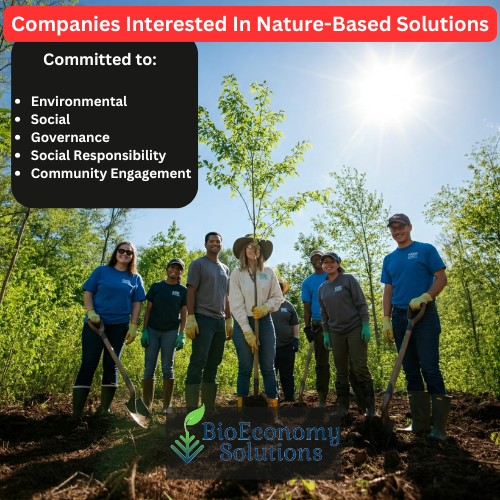
By embracing FLR and incorporating innovative Nature-Based Solutions like Paulownia, Fortune 100 companies can meet and exceed their commitments to:

  • Environmental, Social, Governance (ESG)
  • Social Responsibility Investments (SRI)
  • Community Engagement

Move your organization beyond carbon offsets and become true leaders in creating a more sustainable and resilient future for our planet.


CONTACT US

LEARN MORE

Visit us at: https://bioeconomysolutions.com/paulownia-carbon-credits/ Let’s chat about paulownia tree solutions for sustainable Forest carbon credits projects.

Where to buy paulownia? We’re providing new paulownia trees from our U.S. South Carolina Paulownia tree farm facility.

Contact Us for details. Office: 843.305.4777 | Email: mail@bioeconomysolutions.com Here’s a link to our online calendar, schedule a conference call with us: www.bioeconomysolutions.com/bookcall

LIKE|SHARE|COMMENT

Enjoy this article? You may also enjoy “Top Ten Reasons to Choose Paulownia Trees for Your Next Carbon Development Project”

https://www.linkedin.com/pulse/top-ten-reasons-choose-paulownia-trees-your-next-victor-garlington-ybkie

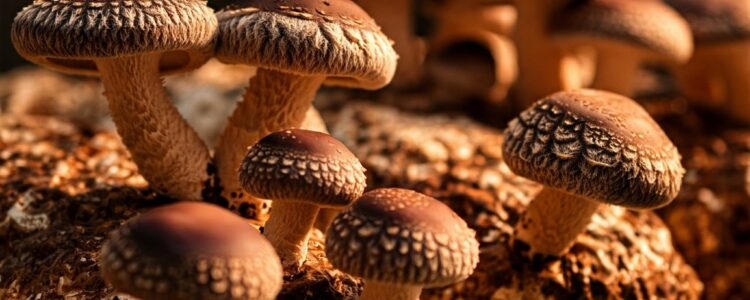
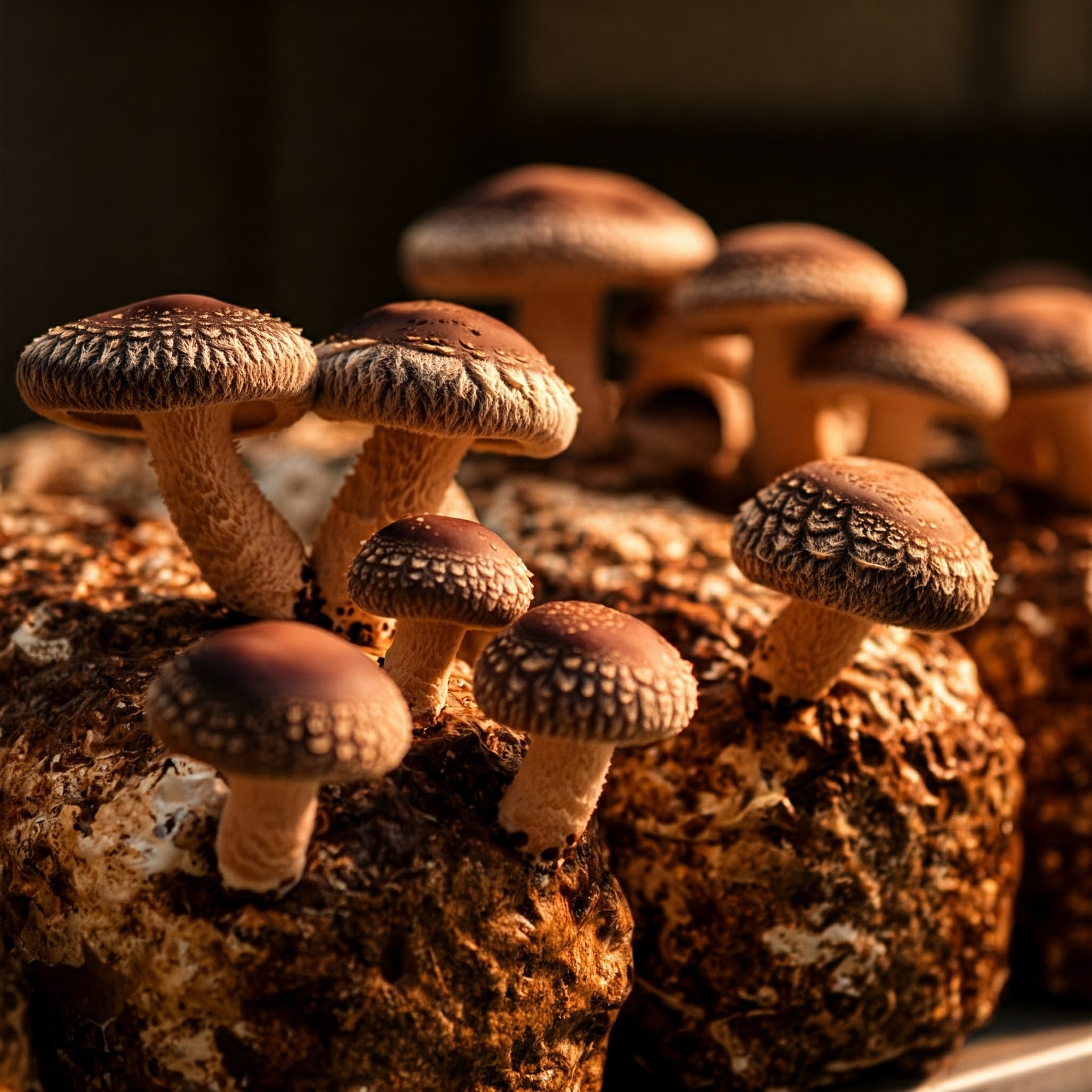
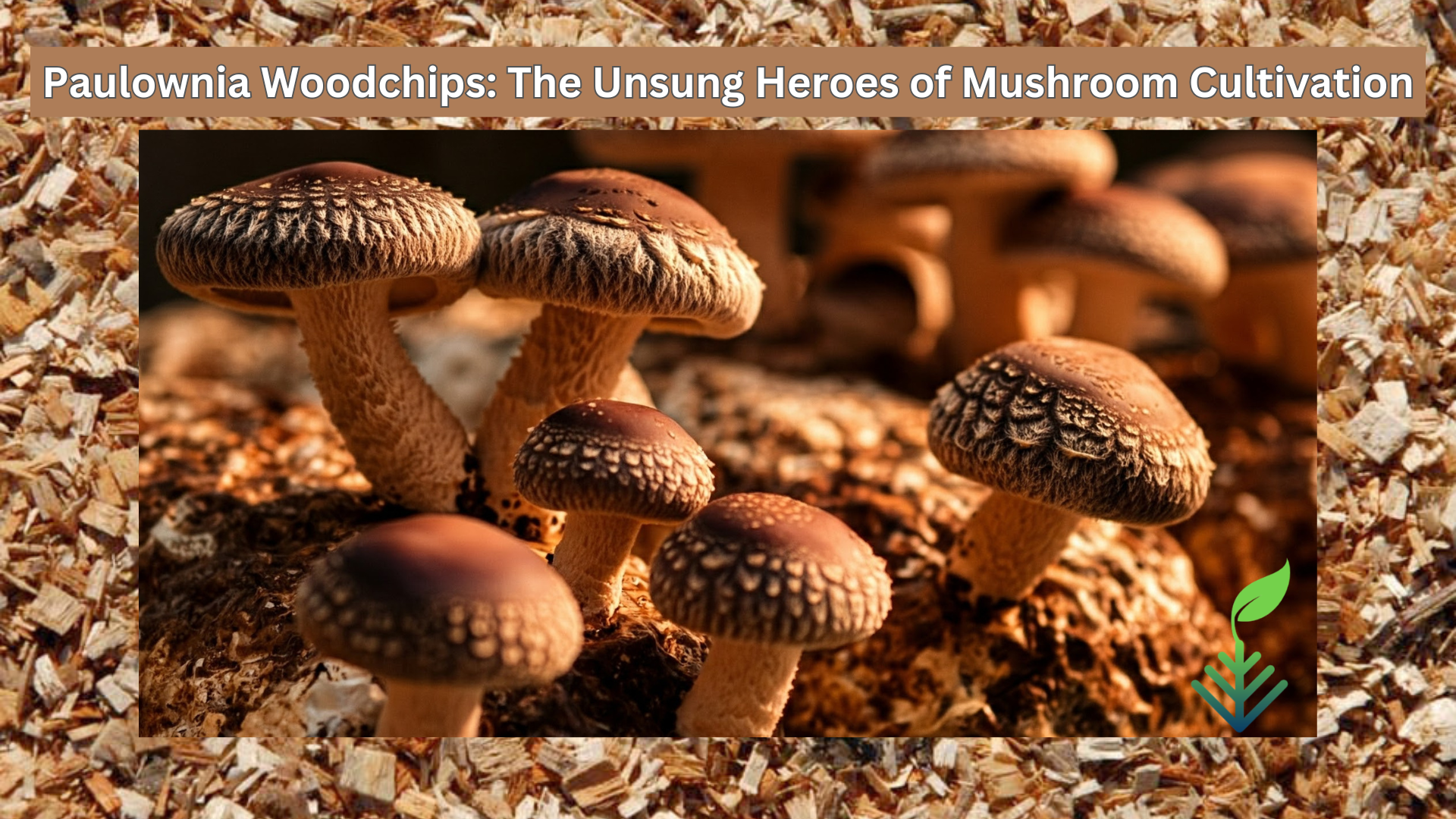
When you think of mushrooms, you might picture the fruiting bodies popping up from the forest floor, rotted logs or a neatly packaged container at your favorite grocery store. But behind those delicious fungi lies a fascinating world of cultivation, and Paulownia Woodchip fiber plays a starring role.

Why Paulownia Woodchips?

Mushroom cultivation requires a substrate, a material that provides nutrients and support for the growing mycelium (the network of fungal threads). Paulownia Woodchips have emerged as a favorite substrate for many mushroom growers, and here’s why:

  • Nutrient-rich: Paulownia Woodchips contain lignin and cellulose, complex carbohydrates that many mushroom species can break down and utilize for growth.
  • Regionally available: Paulownia Woodchips are often a byproduct of the forestry and lumber industries, making them a cost-effective and sustainable option for growers.
  • Excellent moisture retention: Paulownia Woodchips hold moisture well, creating a humid environment that is ideal for mushroom growth.
  • Good aeration: The spaces between Paulownia Woodchips allow for proper air circulation, which is essential for healthy mycelium development.
  • Versatile: Paulownia Woodchips differ from other hardwood species like oak. Chips from softwoods like pine and fir, can be used to cultivate a variety of mushroom species.

What Is Paulownia?

The first thing is to answer the question of what is Paulownia? The paulownia tree is one of the fastest growing trees on earth. Once harvested, you do not have to replant it as it will regrow new shoots from the stumpage.

How Paulownia Woodchips are Used:

  • Substrate preparation: Paulownia Woodchips are typically sterilized or pasteurized to eliminate competing fungi and bacteria. They may also be supplemented with other materials, like bran or gypsum, to provide additional nutrients.
  • Inoculation: The prepared woodchip substrate is inoculated with mushroom spawn (a material containing the mycelium of the desired mushroom species).
  • Incubation: The inoculated substrate is kept in a controlled environment to allow the mycelium to colonize the Paulownia Woodchips.
  • Fruiting: Once the substrate is fully colonized, environmental conditions are adjusted to trigger the formation of mushrooms.

Benefits of Using Paulownia Woodchips:

  • Sustainable cultivation: Utilizing Paulownia Woodchips as a substrate promotes sustainable forestry practices and reduces waste.
  • High yields: Paulownia Woodchips can support robust mushroom growth, leading to high yields for growers.
  • Versatility: A wide range of mushroom species, including shiitake, oyster, and lion’s mane, can be cultivated on Paulownia Woodchips.
  • Cost-effective: Paulownia Woodchips are often a more affordable substrate option compared to other materials

Beyond the Basics:

  • Specialty mushrooms: Some gourmet mushrooms, like reishi, shiitake and maitake, thrive on hardwood Paulownia Woodchips.
  • Indoor cultivation: Paulownia Woodchips can be used for outdoor mushroom cultivation, creating mushroom beds
  • Home growing: Paulownia Woodchips are a popular choice for home mushroom growers due to their accessibility and ease of use.

The Future of Paulownia Woodchips in Mushroom Cultivation:

As the demand for mushrooms continues to grow, Paulownia Woodchips are likely to remain a key substrate for cultivation. Ongoing research is exploring ways to optimize woodchip substrate preparation and enhance mushroom yields. The use of Paulownia Woodchips in mushroom cultivation not only provides a sustainable and efficient growing method but also contributes to a more circular economy by utilizing a valuable byproduct of the forestry industry.


Want To Buy Paulownia Wood Chips?

Contact Us!

Where To Buy Paulownia Wood Chips? Paulownia Wood Chips For Sale – QUESTIONS?

Visit our web page. https://bioeconomysolutions.com/paulownia-lumber/

We’re happy to organize a time to speak with you about our paulownia wood chips and lumber we have for sale. Please book your preferred time to speak directly.

Here’s a link to my online calendar/schedule:

www.bioeconomysolutions.com/bookcall

BioEconomy Solutions

mail@BioEconomySolutions.com

Office: 843.305.4777


WHAT IS PAULOWNIA WOOD?

WHAT IS PAULOWNIA?

The first thing is to answer the question of what is Paulownia ? The paulownia’s tree is one of the fastest growing trees on earth. Once harvested, you do not have to replant it as it will regrow new shoots from the stumpage. It’s a leafy fast growing tree that belongs to the family of paulowniaceae, it is one of the deciduous trees leaf. It has its origin in Southeast Asia, specifically Chinese, it is also known as the Empress tree.

In Japan it is commonly known as kiri, reaches 15 feet in height in its first year, this type of development is more typical of a plant than a tree.

This fact has a positive impact on our planet, since it greatly helps to combat climate change for carbon projects which nowadays it’s something very valuable for a nature based solution.

A full growth paulownia tree captures 10 times more CO2 than the rest of the tree species thanks to its rapid growth.

On the other hand, the Paulownia tree has the reputation of being a miraculous tree because it purifies the soil where it anchors its roots and it is capable of sprouting up to seven times once it has been cut.

The paulownia tree is resistant to pests and diseases due to low oil content and resins. It’s leaves are big they can reach up to 35-40 cm. They are also rich in nitrogen and can be used as an alternative cattle fodder for feeding.

What Is Paulownia Wood? from BioEconomy Solutions on Vimeo.

WHAT IS PAULOWNIA WOOD?

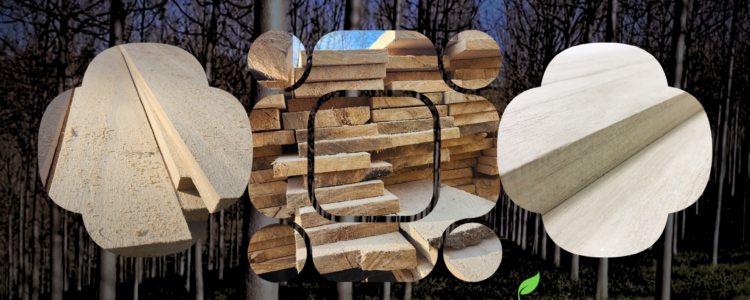
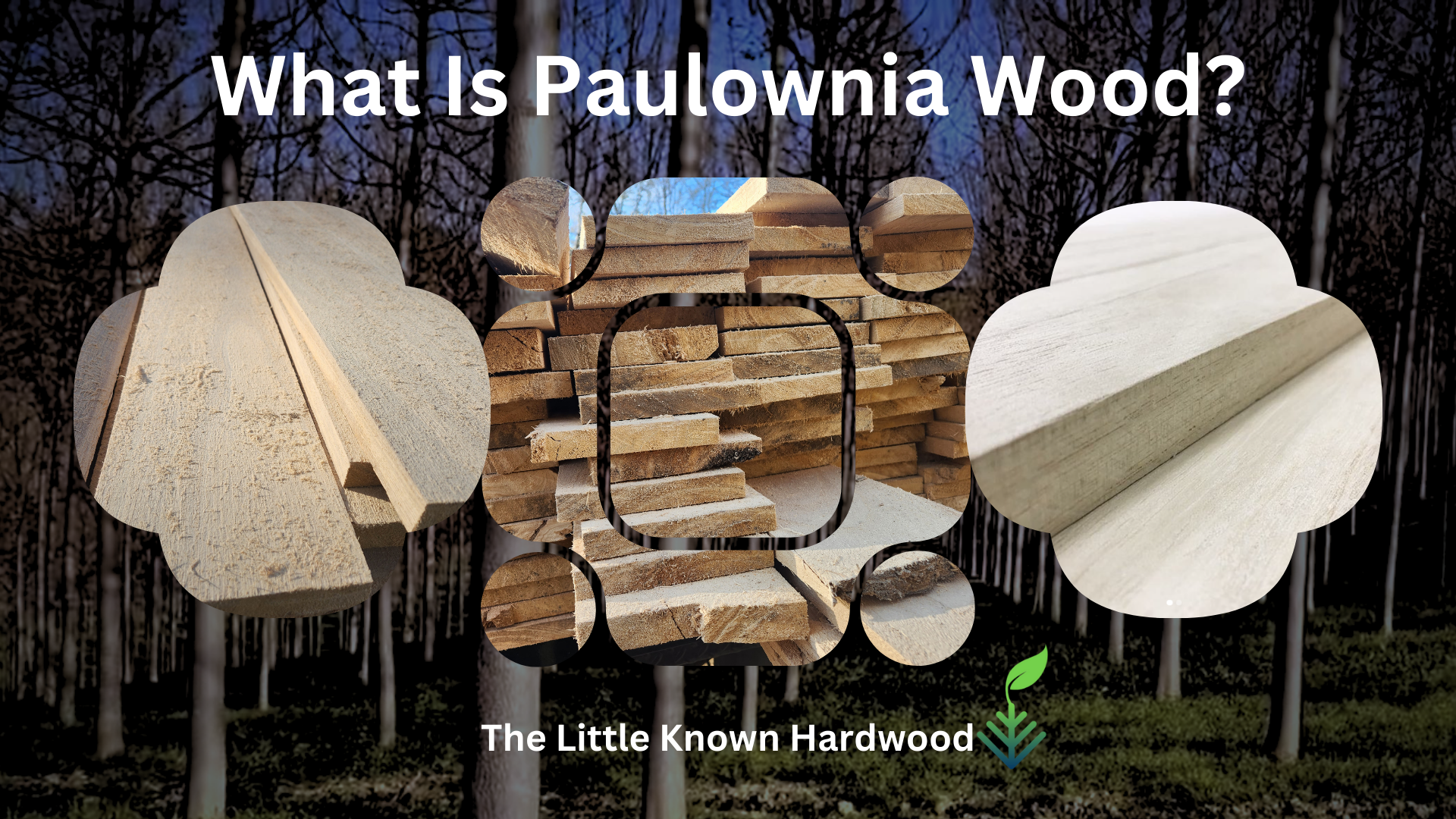
Paulownia wood or kiri wood has a light color with pink reflections and does not have knots and its main characteristic is its lightness, reaching an average density of around at 280 Kg / m3.

Apart from this, thanks to its porosity, Paulownia has great attributes such as its thermal and acoustic insulator. It is also a wood very resistant to humidity and putrefaction, and thanks to its easy handling, it’s a material that users find to be very versatile and easy to handle. Besides this we can also assure that this type of wood also allows users to apply any type of stain, varnish, color.

As we mentioned before, Paulownia is a variety of wood that can add value to any final product which lightness is a relevant parameter.

Empress Wood, Kiri Wood (Paulownia) wood offers many applications and uses.

The wood of the paulownia tree produces great sawn lumber as well as for numerous high-quality wood-based materials. In addition to the production of glue-laminated panels and blockboards, Paulownia wood offers excellent material properties for the manufacture of rotary veneer materials such as plywood. Due to its material properties, paulownia wood is mainly used in the Mobility, Construction and Lifestyle sectors.

Areas of application here include:

Musical:

Instruments made from paulownia sounded clear and melodious and lightweight Guitars, Mandolins, Luthier, gayageums

Mobility:

Ship and boat building, surfboards, model airplanes and gliders, and camper construction

Construction:

Ceilings, stairs, windows, mass timber buildings and tiny homes, wooden facades, constructions for trade fairs, events and stages

Lifestyle:

Furniture, home accessories such as vases and bowls, garden furniture, packaging and storage containers.

Medicinal:

Medicinal Uses of Paulownia Biological activity and traditional uses of Paulownia. More than 130 physiologically active constituents have been isolated from different parts of the Paulownia plant.

Sign Up For Paulownia News

https://lp.constantcontactpages.com/sl/2LfSXen

Where To Buy Paulownia? Paulownia Wood For Sale – QUESTIONS?

Visit our web page. https://bioeconomysolutions.com/paulownia-lumber/

We’re happy to organize a time to speak with you about our paulownia trees and lumber we have for sale. Please book your preferred time to speak directly.

Here’s a link to my online calendar/schedule:

www.bioeconomysolutions.com/bookcall

BioEconomy Solutions

mail@BioEconomySolutions.com

Office: 843.305.4777