Paulownia Powder + Rice Glue Paste in Dollmaking

rooted in traditional and practical craft techniques — particularly within certain circles of Japanese ball-jointed doll (BJD) or art doll making.

✅ Paulownia Powder + Rice Glue Paste in Dollmaking

This mixture is used as a strengthening and lightweight base layer when building larger BJD or art doll bodies, particularly in regions where traditional materials and methods are blended with modern art forms.

🟫 Why It’s Used:

  1. Lightweight Strength:
    Paulownia wood is very light but has strong structural integrity. The powdered form, when combined with rice glue, creates a sturdy but flexible filler or shell.

  2. Compatibility:
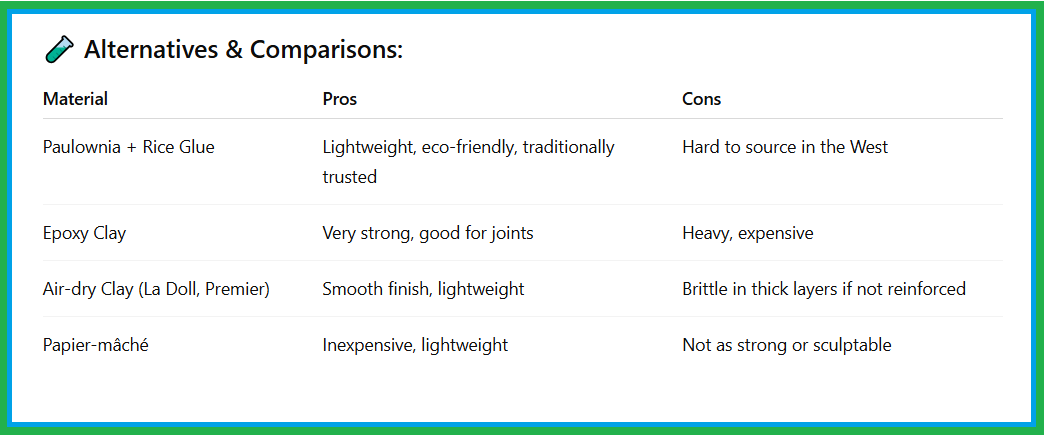
    Paulownia paste is chemically and physically compatible with clays like La Doll, Premier, and Papier-mâché, providing a base that won’t warp or overly contract.

  3. Cultural Precedent:
    In traditional Japanese woodworking and crafts (e.g., kimekomi dolls, kokeshi, and noh masks), rice glue + wood powder is used to fill gaps, build contours, and reinforce forms — this technique migrated to more contemporary applications like BJDs.


⚒️ How It’s Typically Used:

  • Paulownia powder is mixed with rice glue (shokunin nori) into a thick, clay-like paste.

  • The paste is applied over an armature (like aluminum foil or wire), often as a base coat or inner core.

  • Once dried and hardened, artists sculpt or refine the shape, then apply La Doll, stone clay, or epoxy putty over the surface for finer detail.

Sourcing:

  • Paulownia powder is sometimes sold as kiri powder in Japanese woodwork or craft shops.

  • Rice glue can be homemade (rice flour paste) or bought as nori paste used in washi/paper crafts.


Final Thought:

Using paulownia powder + rice glue is a smart, heritage-informed technique for larger BJD projects — especially if you’re aiming for a balance of strength, weight, and capability of being sculpted. It can reduce cracking and improve structure under air-dry clays like La Doll.

❎ 🤲🏽 Want to get your hands on some paulownia wood powder? 👉 Paulownia Wood For Sale

Where To Buy USA Paulownia Lumber?

Need paulownia for your next project?

Where to buy paulownia? We’re harvesting our mature U.S. South Carolina Paulownia Timber and have millions of board foot available. We can mill lumber for your business needs. Contact Us for details. Office: 843.305.4777 | Email: mail@bioeconomysolutions.com Here’s a link to our online calendar, schedule a conference call with us:

https://info586.youcanbook.me

USA Paulownia Wood Lumber For Sale – Need paulownia wood lumber for your next project? https://bioeconomysolutions.com/paulownia-lumber/

You will discover that paulownia wood is the “Light Strong Alternative Wood” used in many processes to obtain many types of products.

Weather you are a hobbyist or full time manufacturing company, paulownia wood grown in South Carolina USA may be a new expression of your talent.

We sell Custom Paulownia boards: rough sawn or planed, we offer various sizes and thicknesses. Our Paulownia boards are processed using sustainable Paulownia hardwood grown right here in South Carolina USA.

If you’re interested in paulownia, want to grow or currently growing, Subscribe to our newsletter:https://bioeconomysolutions.com/carbonreport

LIKE|SHARE|COMMENT

If you enjoyed this article, you may also like “Do Wood Carvers Use Paulownia Wood?

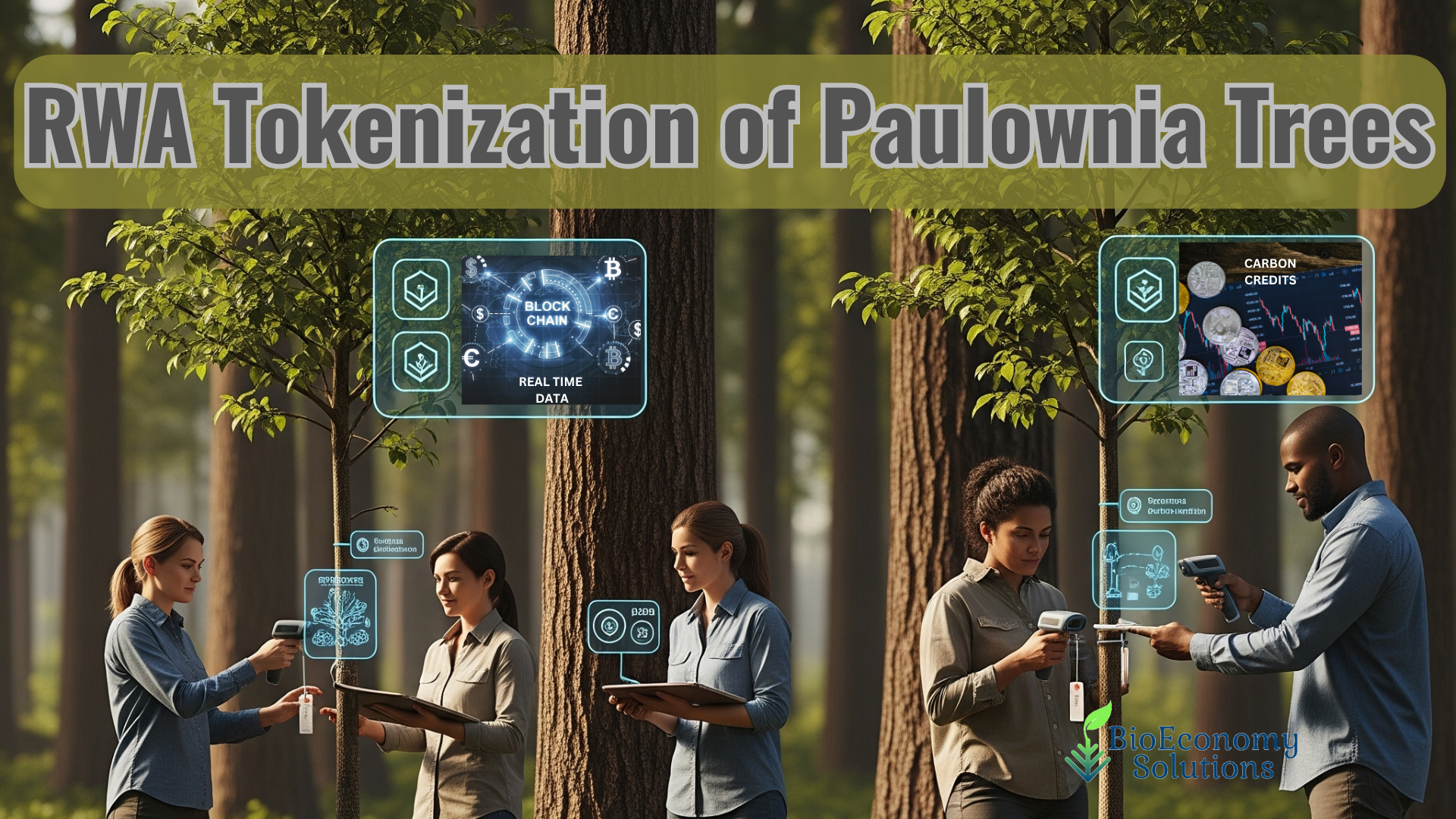
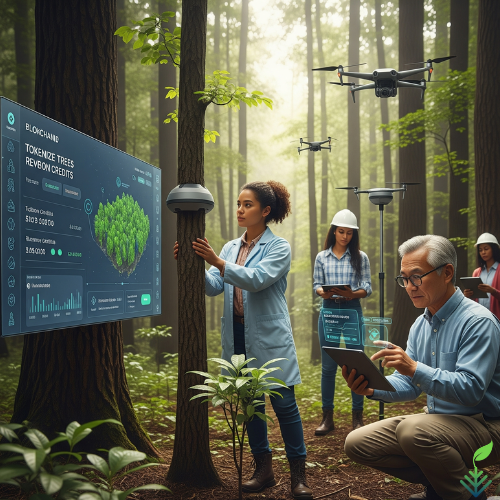
When considering Paulownia Tree Tokenizing Real-World Tree Assets. The Paulownia tree, known for its rapid growth, carbon absorption capacity, and economic value, is an ideal candidate for tree tokenization — a growing trend in climate tech and green finance. Here’s how Paulownia trees can be utilized within the tokenization framework to support environmental, economic, and social goals.

Tokenization of Paulownia Trees: How It Works and Why It Matters

What is Tokenization in this Context?
Tokenization involves converting ownership rights, carbon capture value, or economic benefits of a Paulownia tree (or a plot of them) into digital tokens on a blockchain. These tokens can be:

  • Sold or traded
  • Tracked transparently
  • Linked to real-world metrics like carbon sequestration or timber value

Why Paulownia is an Ideal Tree for Tokenization

1. High Carbon Sequestration

  • Paulownia trees absorb 10–20 times more CO₂ than many other tree species.
  • Their fast growth rate (up to 3–5 meters per year) means quicker and measurable carbon credit generation.
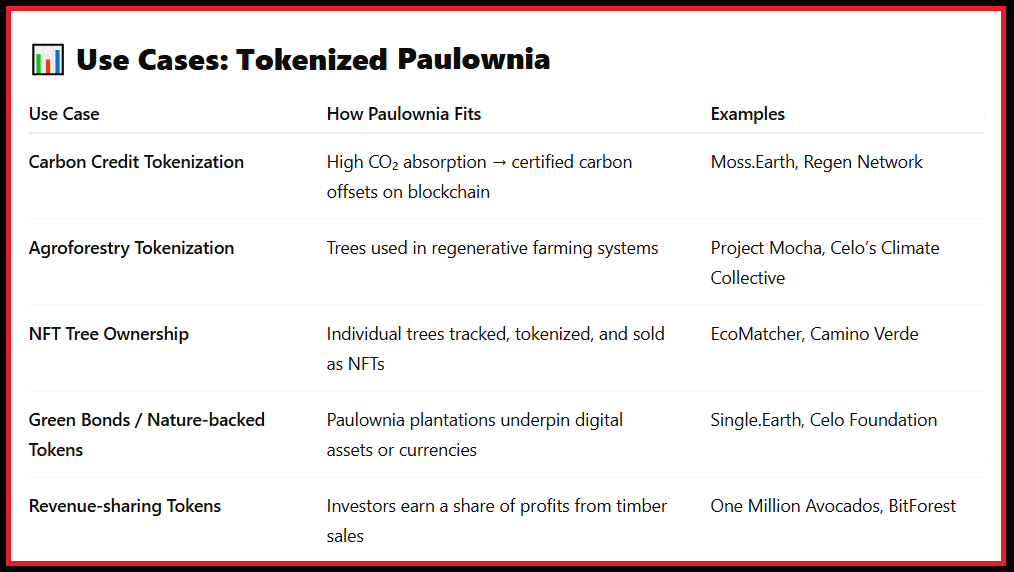
  • This makes them excellent for carbon offset tokens like those issued by other platforms.

2. Economic Value

  • The wood is lightweight, strong, and highly valuable in industries such as furniture, construction, and musical instruments.
  • Paulownia-based tokens can represent timber futures, making them attractive to investors — similar to the One Million Avocados or Project Mocha model.

3. Reforestation and Regenerative Agriculture

  • Paulownia trees can be used in reforestation and agroforestry, contributing to climate resilience and land restoration goals.
  • Like EcoMatcher or Camino Verde, projects can tokenize individual Paulownia trees using GPS tracking, growth data, and QR codes for transparency.

4. Shorter ROI Cycle

  • Due to their fast maturity (harvestable in 5–7 years), investors see returns sooner than with slow-growing trees.
  • This reduces risk and increases appeal for retail and institutional investors alike.

🔒 Benefits of Tokenizing Paulownia
✅ For Farmers: Upfront capital through token sales, improved livelihoods
✅ For Investors: Access to verified green assets, carbon offsets, or timber revenues
✅ For the Planet: Encourages tree planting, land restoration, and sustainable land use
✅ For Regulators: Easier monitoring and verification via immutable blockchain data

Strategic Path Forward
BioEconomy Solutions built a Paulownia tokenization platform by:

Partnering with forestry experts to establish high-quality plantations.
Working with carbon certifiers (like Net Eco Exchange, Verra or Gold Standard) to validate carbon offset.
Tokenizing assets using platforms like Polygon, Celo, or Ethereum.
Selling tokens to corporations, ESG investors, or climate-conscious individuals.

Today’s Real World Asset – Paulownia Trees

The Paulownia tree, thanks to its biological, economic, and environmental strengths, is perfectly suited for the tokenized future of forestry. By converting its carbon, growth, and timber value into blockchain-based tokens, Paulownia can help create a transparent, inclusive, and sustainable financial model that aligns with the goals of the UNCCD, Paris Agreement, and global reforestation efforts.

Contact Us

Where To Buy Paulownia Core Materials? QUESTIONS?

Visit our web page. https://bioeconomysolutions.com/paulownia-lumber/

What is paulownia wood? https://bioeconomysolutions.com/what-is-paulownia-wood/

We’re happy to organize a time to speak with you about our paulownia trees and lumber we have for sale. Please book your preferred time to speak directly.

Here’s a link to my online calendar/schedule:

www.bioeconomysolutions.com/bookcall

BioEconomy Solutions

mail@BioEconomySolutions.com

Office: 843.305.4777

Visit us at: https://bioeconomysolutions.com/paulownia-carbon-credits/ Let’s chat about paulownia tree solutions for sustainable Forest carbon credits projects.

LIKE|SHARE|COMMENT

Currently Western Red Cedar is the main stay in many US Industries from housing to boat building. Now the price has risen, and the quality and quantity of cedar material has diminished.

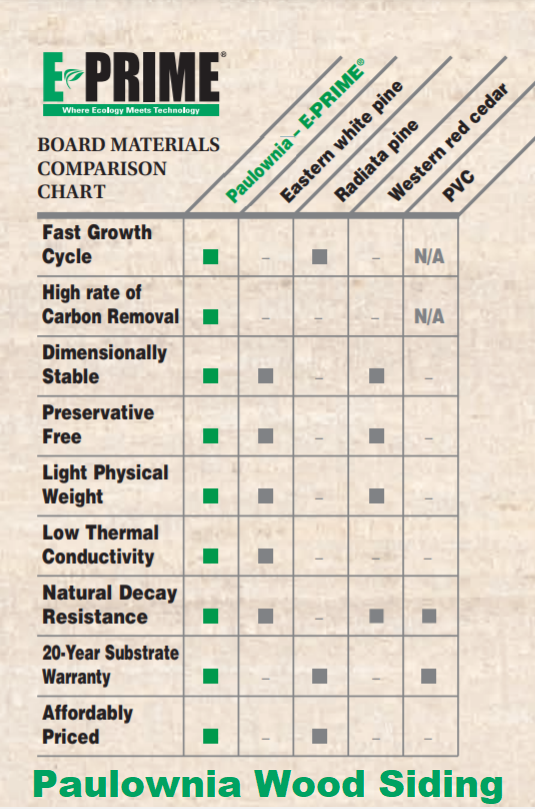
Yes, Paulownia wood is generally considered to be naturally resistant to rot and decay, as well as insects. This is one of its notable properties and makes it suitable for various applications, including some outdoor uses.

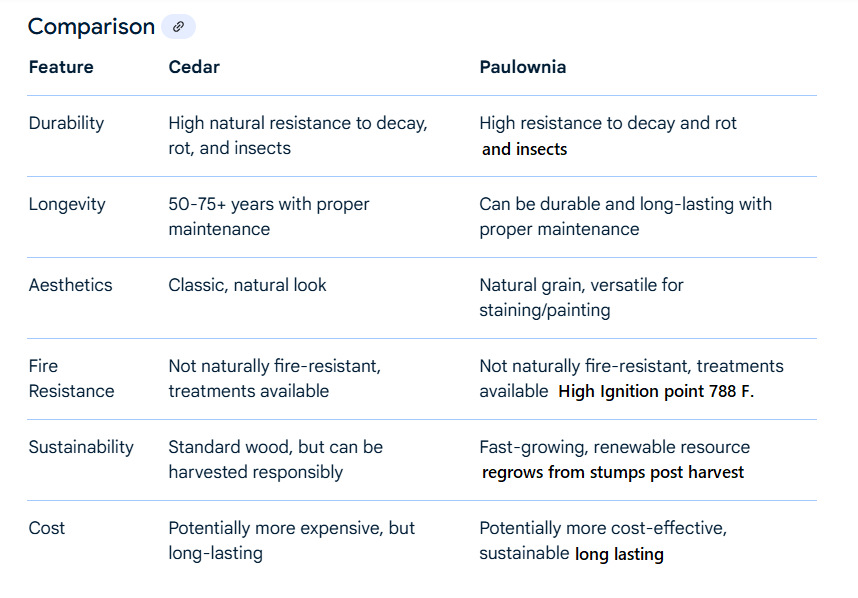
Comparison Chart
 

Why Is Paulownia Rot Resistant?

Here’s a breakdown of why:

Tannin content: Paulownia wood contains high levels of tannin, which acts as a natural preservative and helps deter decay.

Cell structure: When dried, the wood cells in Paulownia form a closed structure that provides protection against moisture and decay.

Low moisture absorption:Paulownia has a low moisture absorption rate, which further contributes to its resistance to rot and decay.

Insect resistance: The presence of compounds like paulonin and sesamin in the wood helps to repel insects. Paulonin is a compound found in some types of wood, particularly kiritansu, that provides insect repellent, antibacterial, and preservative properties.

While it has good natural resistance, its important to note that no wood is completely impervious to rot in all conditions. For exterior applications where Paulownia might be in constant contact with the ground or exposed to prolonged moisture, proper treatment and design considerations are still recommended to maximize its longevity.

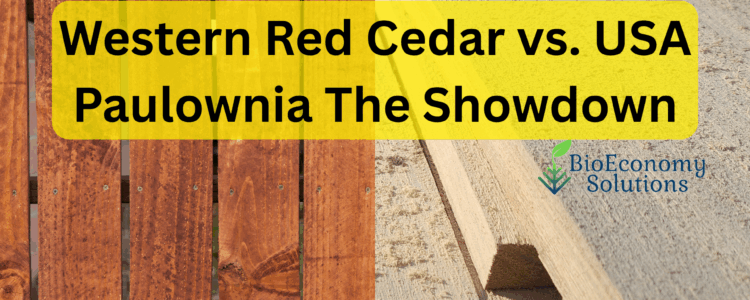
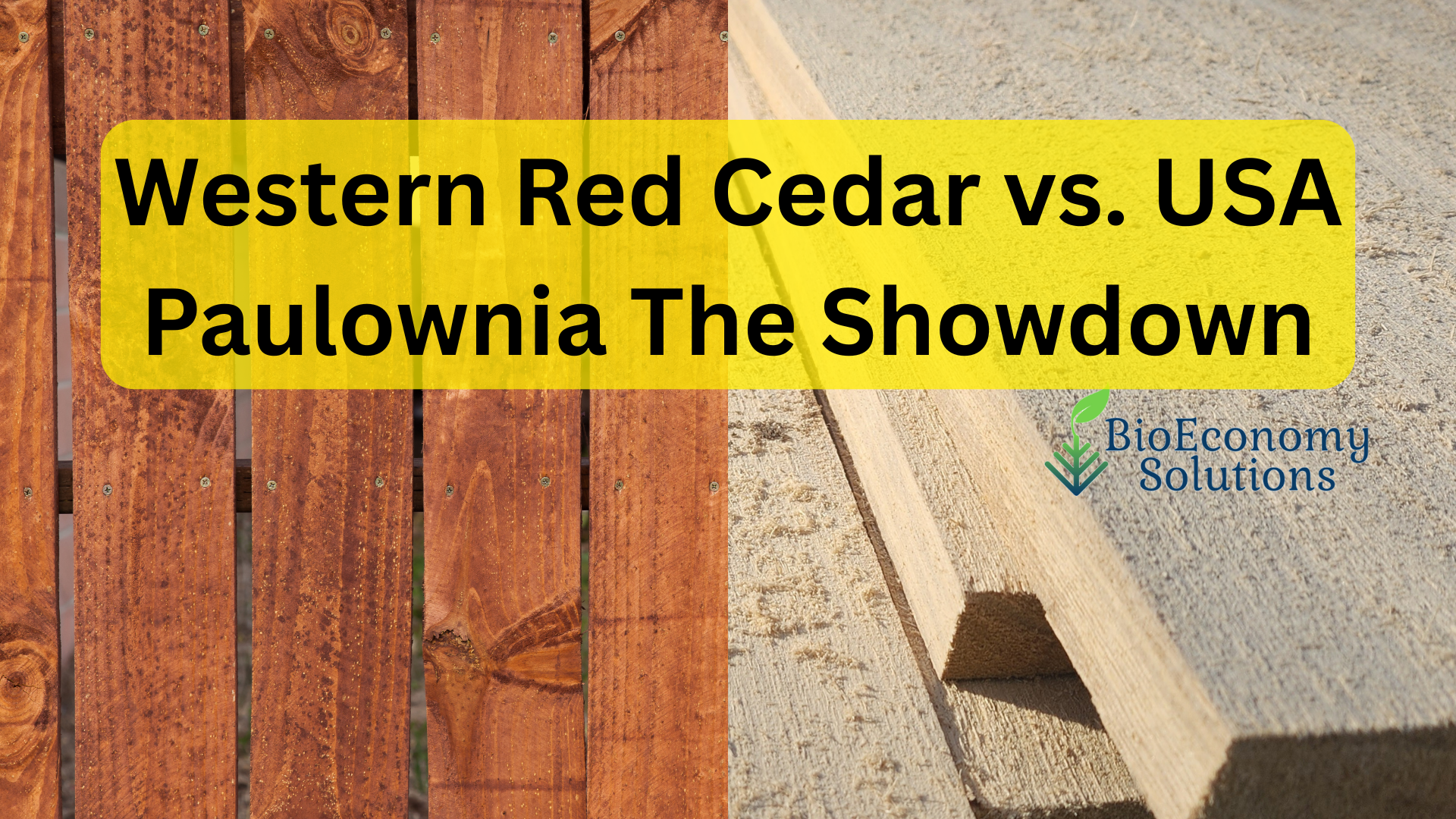
Western Red Cedar: Can the Paulownia Tree Replace a Classic?

Western red cedar (Thuja plicata) has long been a favorite for outdoor construction, siding, and furniture due to its natural durability and beauty. But with sustainability concerns and rising costs, could paulownia wood—the fast-growing “miracle tree”—be a viable alternative?

Let’s compare these two woods and explore how paulownia might supplant western red cedar in key applications

1. Growth Rate & Sustainability
Western Red Cedar: Slow-growing (takes 50+ years to mature).

Harvesting relies on old-growth forests or managed plantations, raising ecological concerns.

Increasingly expensive due to high demand and limited supply.

Paulownia: One of the fastest-growing hardwoods (harvestable in 5 – 7 years).

Thrives on marginal land, reducing pressure on natural forests.

Carbon sequestration powerhouse—absorbs 10x more CO₂ than cedar over the same period.

Winner? Paulownia is the clear choice for eco-conscious builders who want a renewable, low-impact material.
2. Weight & Workability

Western Red Cedar: Lightweight compared to other softwoods, but still denser than paulownia.

Easy to cut and shape but can split if nailed improperly.

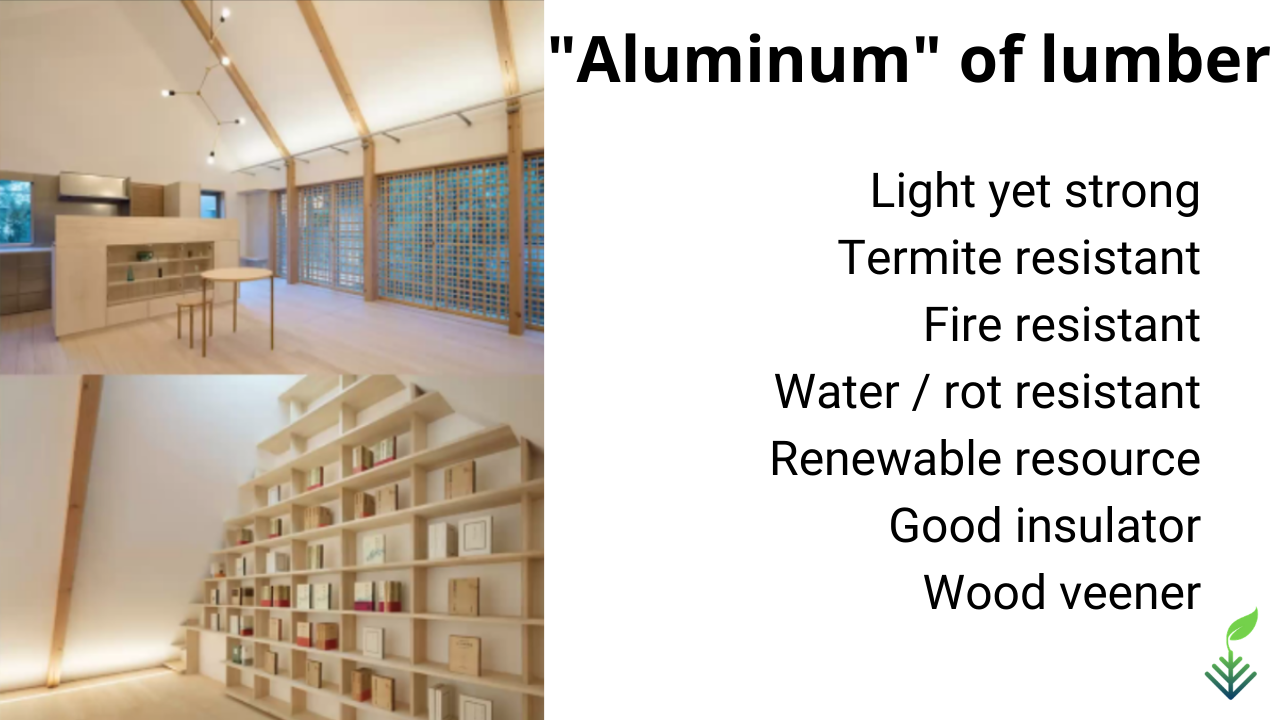
Paulownia: Exceptionally lightweight (about 1/3 the weight of cedar).

Softer and easier to mill, carve, and sand—ideal for detailed woodworking.

Less prone to warping or cracking during drying.

Winner? Paulownia is better for crafts, models, and furniture where weight matters.

3. Durability & Weather Resistance

Western Red Cedar: Naturally rot- and insect-resistant due to oils and tannins.

Lasts decades untreated in outdoor applications (siding, decks, fences).

Paulownia: Naturally rot-resistant also and can be further enhanced with sealing or pressure treatment for outdoor use.

Naturally termite resistant if unprotected.

Cedar and paulownia shingle siding both offer natural, durable, and aesthetically pleasing options for home exteriors, but have distinct characteristics. Cedar is known for its natural resistance to decay, rot, and insects, and can last for decades with proper maintenance. Paulownia, while also durable and insect-resistant, is a faster-growing, more sustainable hardwood option.

Cedar Shingle Siding

  • Durability:
  • Longevity:
  • Aesthetics:
  • Fire Resistance:
  • Maintenance:
  • Cost: 16.00 /bf

Paulownia Shingle Siding

  • Durability:
  • Sustainability:
  • Aesthetics:
  • Fire Resistance:
  • Maintenance:
  • Cost: $6.00 /bf

4. Cost & Availability

Western Red Cedar

Prices have surged due to high demand and limited supply.

Premium grades (clear, knot-free) are especially expensive.

Paulownia

More affordable (often 30–50% cheaper than cedar).

Increasingly available from U.S. plantations.

Winner? Paulownia wins for budget-friendly projects.

5. Best Uses for Each Wood

Where Western Red Cedar Still Wins

  • Untreated outdoor projects (decking, shingles, fencing).
  • Aromatic applications (closets, saunas).
  • High-end siding where natural decay resistance is critical.

Where Paulownia Can Replace Cedar

  • Indoor furniture (lightweight, easy to carve).
  • Surfboards, Boats, Paddleboards musical instruments, and models (similar to balsa but stronger).
  • Treated outdoor structures (if sealed properly).
  • Sustainable construction (where fast regrowth is a priority).

Is Paulownia the Future?

While western red cedar remains unbeatable for natural outdoor durability, paulownia offers a sustainable, lightweight, and cost-effective alternative for many uses. As treatment methods improve and plantations expand, paulownia could supplant cedar in:

✅ Indoor woodworking

✅ Treated outdoor projects

✅ Eco-conscious construction

For builders and DIYers willing to seal or treat the wood, paulownia is a game-changer—offering the beauty and workability of cedar without the high cost or long wait for harvest.

Would you switch to paulownia? Let us know in the comments!

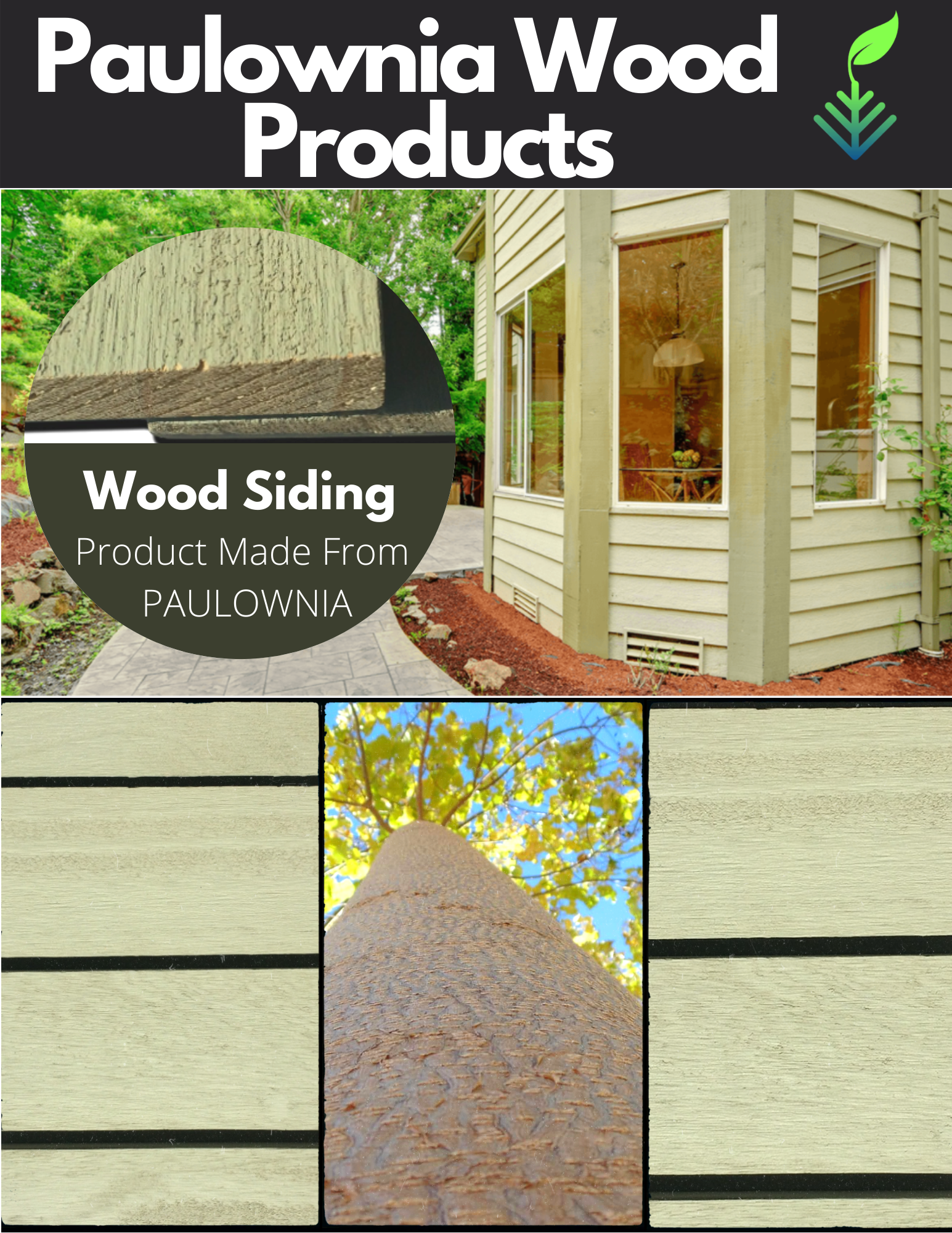
You can do better, paulownia is used for outdoor siding. James hardee siding uses paulownia.

Paulownia vs. Western Red Cedar: The Ultimate Showdown – Why Paulownia is the Future of Siding and Beyond

Western red cedar (Thuja plicata) has been the gold standard for premium outdoor wood for decades—revered for its natural beauty, durability, and resistance to rot. But in a world demanding faster-growing, more sustainable materials, paulownia is stepping into the spotlight.

Major manufacturers like James Hardie (a global leader in fiber cement siding) are already incorporating paulownia into their products, proving its viability as a high-performance building material. So, can paulownia truly replace western red cedar—not just in niche uses, but in siding, decking, and outdoor construction.
6. Cost & Availability – Paulownia is Disrupting the Market

Western Red Cedar: Prices have doubled in the past decade due to high demand and limited supply.

Premium clear cedar is becoming unaffordable for many builders.

Paulownia: 30–50% less expensive than cedar.

Increasingly available from U.S. plantations, reducing import reliance.

James Hardie’s use of paulownia signals industry confidence in its scalability.

Verdict: Paulownia is the budget-friendly, high-performance alternative.

7. The Future of Siding & Outdoor Construction

Where Cedar: Still Dominates (For Now) Untreated outdoor projects (fences, shingles, garden beds). High-end architectural siding where natural decay resistance is critical.

Where Paulownia is Taking Over: Engineered siding (like James Hardie’s products).

Treated decking and outdoor structures (sealed paulownia lasts as long as cedar).

Sustainable mass timber construction (lightweight, fast-growing).

Indoor furniture, cabinetry, and millwork (easier to work with than cedar).

Final Verdict: Paulownia is the Next Big Thing

Western red cedar isn’t going away—it’s still the best choice for untreated, naturally durable outdoor projects. But with rising costs, environmental concerns, and advanced wood treatments, paulownia is poised to replace cedar in key markets:

✅ Siding (as seen with James Hardie)

✅ Treated outdoor structures (decks, pergolas, fencing)

✅ Eco-conscious construction (carbon-negative, fast-growing)

✅ Lightweight architectural applications

The bottom line? If you’re still using cedar for everything, it’s time to give paulownia a serious look. The future of sustainable building is here.

Would you switch to paulownia for your next project? Let us know in the comments!

Pricing of Both?

Include cost of both lumber prices. Western red cedar is $16.00 /bf and paulownia is $6.00 / bf.

The question isn’t “Is paulownia good enough?” – it’s “Can you afford NOT to use it?”

Where To Purchase USA Paulownia Lumber

Looking for paulownia lumber for your next project? We can ship what you need from our USA saw mill location.

Learn more about our South Carolina paulownia lumber here: https://bioeconomysolutions.com/paulownia-lumber/


We can also ship by rail or shipping container overseas as well.

Call us at 843.305.4777 OR Learn more about our South Carolina paulownia lumber here: https://bioeconomysolutions.com/paulownia-lumber/

Paulownia Wood Lumber USA

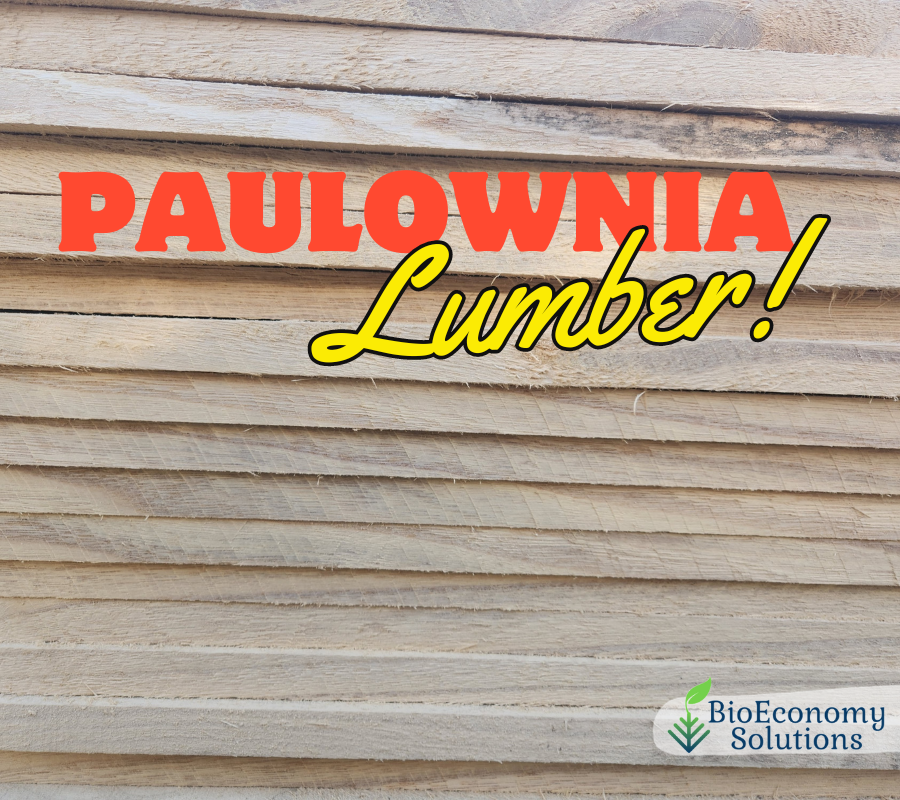
We grow paulownia timber in South Carolina USA and we process the timber into paulownia wood lumber for our clients worldwide.

USA Paulownia Wood Lumber For Sale – Need paulownia wood lumber for your next project?

You will discover that paulownia wood is the “Light Strong Alternative Wood” used in many processes to obtain many varied products, not limited to:

– Construction of Boats, Kayaks, Surfboards, Snowboards, Skis, Paddleboards, Housing etc.

Weather you are a hobbyist or full time manufacturing company, paulownia wood grown in South Carolina USA may be a new expression of your talent. Learn more about our paulownia lumber here: https://bioeconomysolutions.com/paulownia-lumber/
Why should you consider paulownia wood lumber for your next project?

Properties of Paulownia Timber

1. Weight – Paulownia is a very light timber. At a dry density of around 280 kg/m³ Paulownia is lighter than most common timbers. Density comparisons are Western Red Cedar (340), Meranti (580), Pine (500), Teak (750), Robinia (750).

2. Strength – With a modulus of elasticity (stiffness) of 5.6 GPa and a modulus of rupture (bending strength) of 28 MPa, Paulownia is not classified as a structural timber in its natural state. However because of its light weight, Paulownia has a high strength to weight ratio, an important feature in the various uses of the timber.

3. Deformation & Warping – The shrinkage co-efficient of Paulownia is very low compared to most timbers being 0.094 radially, 0.268 tangentially and 0.362 in volume giving the dried timber a high level of dimensional stability.

4. Hardness – The Janka hardness rating for Paulownia is low at 1.3 kN. Western Red Cedar is rated at 1.5 and Meranti 2.6. While modern treatments can substantially harden up a finished surface, Paulownia is not suitable for flooring or areas where physical damage is likely.

5. Durability – The in-ground durability rating for Paulownia is 4 and the timber should not be used for that purpose. Paulownia used for other external uses out of ground has a similar durability to western red cedar.

6. Resistance to Decay – Paulownia is highly resistant to insect attack and rot. Research carried out by Queensland Forestry Research Institute in Australia indicates the timber to be unattractive to termites. Rot showing on neglected timber tends to be surface deep only.

7. Thermal Insulation – With one of the lowest thermal conductivities for wood of just 0.07 Kcal/m/hr/Cdeg, Paulownia has an excellent heat insulation capability being one of the best heat insulating timbers and far superior to brick, concrete or steel.

8. Fire Resistance – With an auto ignition temperature of around 400 deg C (most hardwoods around 220 deg C) Paulownia is reported to have a flame spreading rate considerably below most building codes.

9. Finishing – The sap of Paulownia is not gum or resinous based, thus the application of finishing products with various solvents as carriers does not risk any interaction with the timber, contributing to the very good finishing properties of Paulownia products. The timber readily takes stains, estapols and paints with excellent finished surfaces.

10. Workability – A major feature of Paulownia timber is its ease of working. All aspects of carpentry such as machining, nailing, screwing, gluing, sanding, sawing and handling are very user friendly with no splinters, cracking or splitting and excellent take-up of glues and finishes.


#cedar #chinesecedar #balsa #paulownia #paulowniatree #paulowniawood #paulowniatimber #kiri #kiriwood #kirilumber #kiritree #empresstree #paulowniaveneer #woodveneer #southcarolina #kiritimber #paulowniafurniture #USApaulowniawood #paulownialumber #paulowniatrees #megafloratrees #bioeconomy #investing