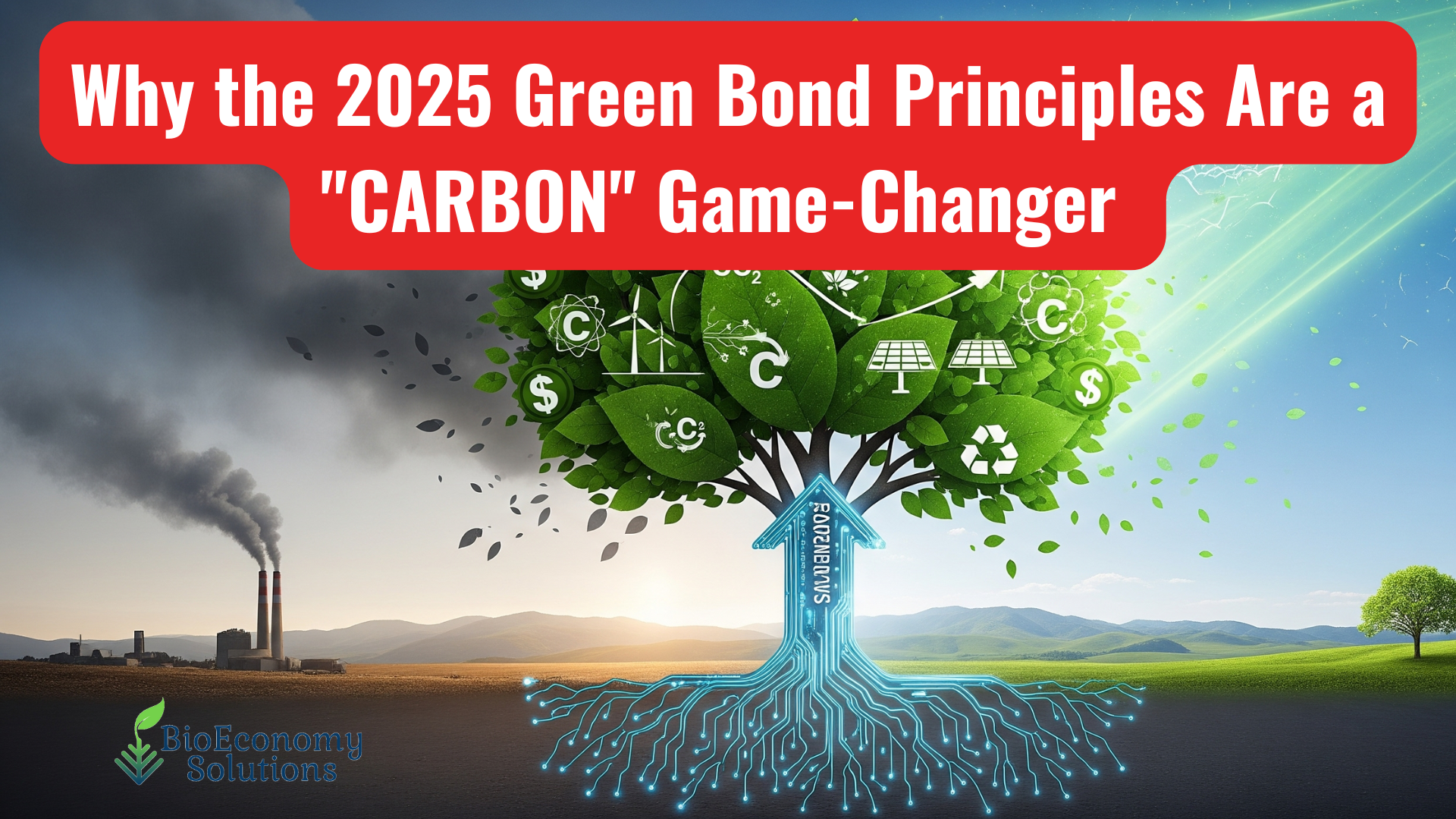
Why the 2025 Green Bond Principles Are a Game-Changer for Nature-Based Carbon Projects. We’re not planting trees. We’re building a regenerative asset class—and the bond market just caught up.

The world is waking up to a new generation of climate finance—and BioEconomy Solutions is at the forefront.

With the release of the 2025 Green Bond Principles (GBP) by ICMA, the door is now open for companies like ours to raise sustainable capital for nature-based solutions rooted in science, scalability, and impact.

International Capital Market Association’s (ICMA)
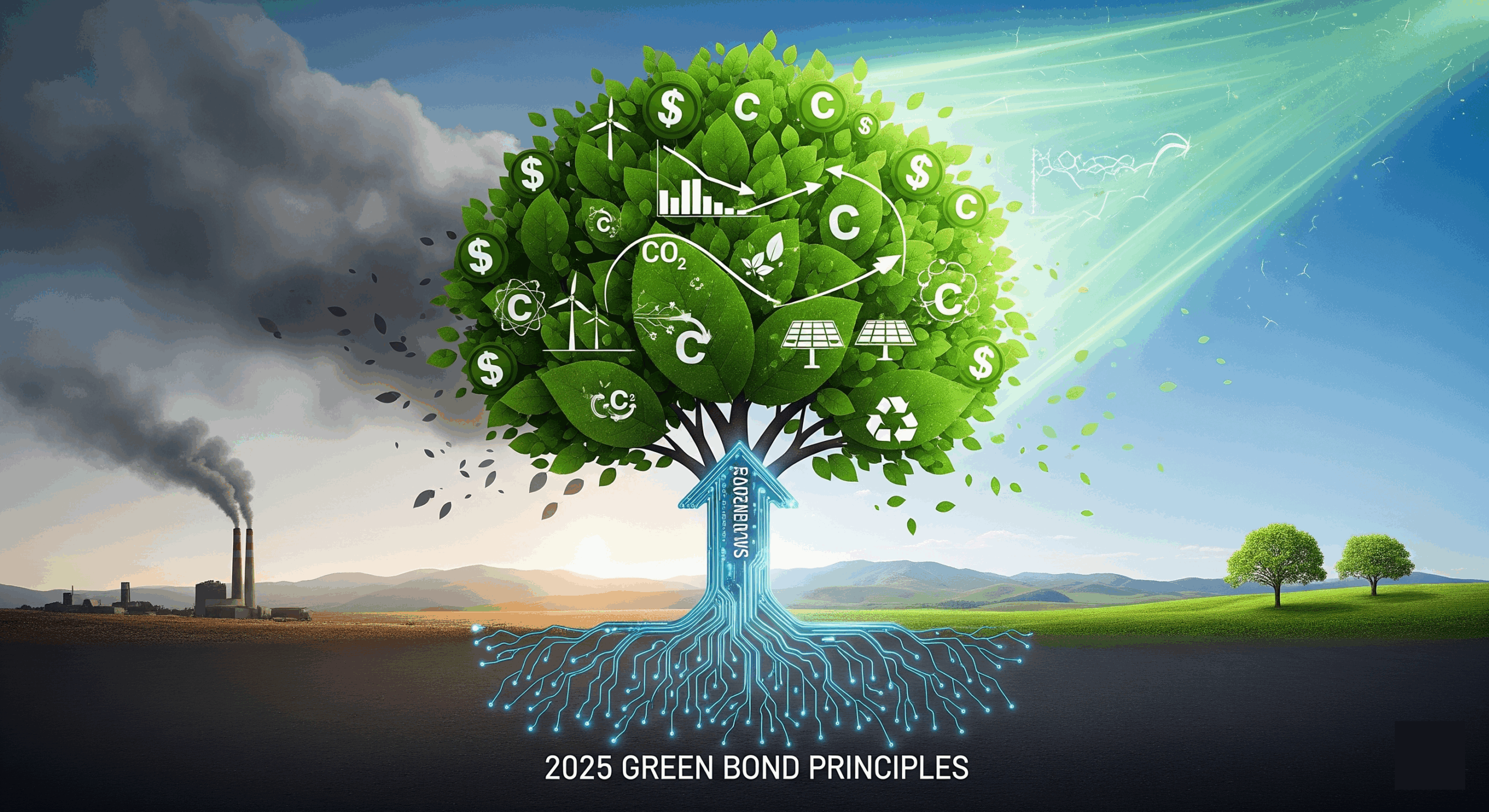
The International Capital Market Association’s (ICMA) Green Bond Principles (GBP) are voluntary guidelines that promote transparency and integrity in the green bond market. The June 2025 update clarifies how the Green Enabling Projects Guidance is linked to the GBP and expands the definition of “Green Projects” to include “activities” in addition to assets and investments.

The GBP’s four core components for alignment are:

  • Use of Proceeds
  • Process for Project Evaluation and Selection
  • Management of Proceeds
  • Reporting

The principles aim to help issuers finance environmentally sound and sustainable projects that support a net-zero emissions economy and protect the environment. They also provide categories for eligible Green Projects, such as renewable energy, clean transportation, and sustainable water management, and encourage issuers to report on the use of proceeds to improve transparency and track the environmental impact.
Core Updates in 2025 Version

1. Expanded Definition of “Green Projects”

  • Now explicitly includes “activities” such as R&D and supporting actions in addition to assets and investments.
  • Aligns with new Green Enabling Projects Guidance (June 2024), recognizing enabling infrastructure (e.g. manufacturing of components) as eligible if they support broader green initiatives.

2. Four Core Components Remain Foundation

  • Use of Proceeds: Funds must go exclusively to eligible green assets, investments, or activities, with quantified environmental benefits.
  • Project Evaluation & Selection: Clear disclosure of selection process, sustainability objectives, and risk mitigation.
  • Management of Proceeds: Net bond proceeds must be tracked via specific sub-accounts or portfolios, adjusted until full allocation; external verification is encouraged.
  • Reporting: Annual and timely impact reports required, including list of funded projects, descriptions, amounts allocated, and expected environmental impact figures—using ICMA’s Harmonised Framework where feasible.

3. Strengthened Recommendations

  • Green Bond Frameworks: Issuers are expected to publish frameworks or legal documentation aligning with the four core components and situate disclosure within broader sustainability strategy (e.g. references to taxonomies, Paris-aligned transition plans, or Climate Transition Finance Handbook).
  • External Reviews: Pre- and post‑issuance reviews by qualified third parties are recommended. Providers should disclose credentials and scope; templates are available on ICMA’s site.

Green Enabling Projects Guidance

  • Clarifies that some projects not directly delivering environmental impact may be eligible if they form enabling elements of broader green initiatives (e.g. infrastructure manufacturing).
  • Mapped to existing GBP categories, these should still avoid locking in high emissions and monitor risks like double-counting in impact reporting.

Related 2025 Releases

  • A Practitioner’s Guide: Sustainable Bonds for Nature was launched concurrently, introducing a thematic overlay for nature‑related projects and allowing issuers to use the secondary label “Nature Bond.” It also offers nature-related KPIs for inclusion in SLBs or sustainability frameworks.
  • Updates were issued to ICMA’s Guidance Handbook, Allocation Reporting Guidance, and Q&A sections, alongside other frameworks like the Social Bond Principles (SBP) and Sustainability‑Linked Loans financing Bonds Guidelines.

Why Paulownia?

Every hectare of Paulownia under cultivation can sequester up to 560 tons of CO₂ annually, while restoring degraded land, and produces Class A fire-rated lumber—making it ideal for low-carbon construction.

It’s a WIN WIN for the local economy & environment!

Combined with our nature-based methodologies and end-to-end traceability, we’re ready to turn regenerative forestry into a green financial instrument.
Contact Us!

📣 If you’re an investor, policy leader, or sustainability advocate—we invite you to connect. Let’s put capital to work in nature-based carbon sequestration that delivers at scale.

This isn’t just green finance. This is regenerative economics.

BioEconomy Solutions is a Carbon Dioxide Removal (CDR) Project Developer. Talk to us about our TREE PLANTING strategies with Paulownia trees.

We’re happy to organize a time to speak with you about our paulownia trees and lumber we have for sale. Please book your preferred time to speak directly.

Here’s a link to my online calendar/schedule:

www.bioeconomysolutions.com/bookcall

BioEconomy Solutions

mail@BioEconomySolutions.com

Office: 843.305.4777

Visit us at: https://bioeconomysolutions.com/paulownia-carbon-credits/ Let’s chat about paulownia tree solutions for sustainable Forest carbon credits projects.

LIKE|SHARE|COMMENT

Enjoy this article? You may also enjoy “Carbon Developers Choose Paulownia Trees” https://www.linkedin.com/pulse/carbon-developers-choose-paulownia-trees-victor-garlington-imh4e/

Get a FREE copy of Paulownia Carbon Report
Get a FREE copy of Paulownia Carbon Report

Planting trees offers multifaceted benefits, impacting the economy, soil health, forest restoration, and climate change mitigation.

Trees enhance air and water quality, sequester carbon, and contribute to a more stable climate. They also play a crucial role in soil conservation, reducing erosion and improving water retention.

Additionally, tree planting can create economic opportunities through sustainable forestry practices and agroforestry.

Here’s a more detailed look at the benefits:

Economic Boost:

  • Agroforestry:Integrating trees into farms can increase crop yields, diversify income sources (timber, fruits, nuts), boosting farm revenues.
  • Sustainable Forestry:Reforestation projects can create jobs in nurseries, planting, and sustainable harvesting of forest products.
  • Tourism:Healthy forests attract tourists, supporting local economies.

Soil Conservation:

  • Erosion Control: Tree roots bind soil together, preventing erosion from wind and water.
  • Water Retention: Trees absorb rainwater, reducing runoff and allowing it to slowly infiltrate the soil, replenishing groundwater.
  • Soil Fertility: Trees contribute to soil health by adding organic matter and improving nutrient cycling.

Forest Restoration:

  • Ecosystem Services: Forests provide clean air and water, regulate climate, and support biodiversity.
  • Habitat Restoration: Reforestation can restore habitats for numerous species, contributing to overall biodiversity.
  • Resilience: Healthy forests are resilient to climate change impacts like droughts and extreme weather.

Climate Change Mitigation:

  • Carbon Sequestration: Trees absorb carbon dioxide from the atmosphere and store it in biomass.
  • Reduced Greenhouse Gases: By absorbing CO2, trees reduce the concentration of greenhouse gases in the atmosphere.
  • Cooling Effects: Trees reduce temperatures through shading and transpiration.

Why Paulownia Trees?

We’re facing growing climate challenges and seeing a continued global push to reduce deforestation, boost biodiversity, and combat the adverse effects of climate change.

One remarkable tool in this fight is the Paulownia tree (genus Paulownia), a fast-growing hardwood that has gained attention for its numerous environmental benefits. From its rapid growth to its ability to support biodiversity and aid in reforestation efforts.

Here is why the Paulownia trees is a vital tool in the fight against deforestation, and why they’re invaluable for afforestation and reforestation efforts.


1. Paulownia Trees and Climate Action

Fast Carbon Sequestration Paulownia is one of the fastest-growing trees in the world, with some species reaching up to 15 feet of growth per year under optimal conditions. This rapid growth rate translates to an impressive ability to absorb carbon dioxide from the atmosphere. In fact, Paulownia has been shown to sequester more carbon than many other tree species due to its large leaves, vigorous growth, and high biomass production.

By planting Paulownia trees, we can significantly contribute to climate change mitigation by removing CO2 from the air, a crucial step in reducing global warming. A young Paulownia tree can absorb around 48 pounds of CO2 annually in the early stages of growth, with the potential to store more as it matures.

Soil Regeneration Another climate benefit of Paulownia is its ability to regenerate soil. The tree’s deep roots help in breaking up compacted soils and improving soil structure. This makes Paulownia ideal for areas with poor, eroded, or degraded soils, a common issue in regions struggling with deforestation. By restoring the soil’s health, Paulownia trees not only boost the local ecosystem but also enable other plants to thrive in the area.


2. Biodiversity Support: A Key to Ecosystem Health

Creating Habitat for Wildlife Paulownia trees provide important habitats for a variety of species. Their large leaves offer shelter and their blossoms provide nectar to pollinators like bees and butterflies, which are crucial for maintaining ecosystem health. Although Paulownia trees are not native in many parts of the world, they are being used successfully in agroforestry and reforestation projects to support wildlife in biodiversity hotspots.

In addition to being a pollinator-friendly tree, Paulownia’s diverse ecosystem of roots, leaves, and flowers serves as a food source for various insects, birds, and small mammals. When used in afforestation or reforestation efforts, it can enhance biodiversity by attracting a wide range of species that rely on tree-based ecosystems for sustenance and shelter.

Resilient to Pests and Diseases One of the advantages of Paulownia is its resilience to pests. It has a natural resistance to insects and diseases, which means it requires fewer pesticides and other harmful chemicals to thrive. This reduces the need for harmful agricultural practices, which is vital when looking to preserve both biodiversity and soil health.

3. Paulownia Trees and Deforestation: A Sustainable Alternative

Reducing Pressure on Natural Forests Deforestation is one of the most pressing issues facing our planet today. The world loses over 10 million hectares of forest each year due to agricultural expansion, logging, and urbanization. This loss of forested land has devastating effects on biodiversity, soil quality, and the climate.

However, Paulownia trees offer a solution to this crisis. Because they grow quickly and can be harvested for timber in as little as 8-12 years, they provide a sustainable alternative to traditional timber harvesting. This shorter harvest cycle reduces the need for logging old-growth forests, thus easing the pressure on natural ecosystems.

Additionally, Paulownia can be planted on marginal land or in agroforestry systems—a method of growing trees alongside crops. This combination of crops and trees not only helps preserve forest ecosystems but also generates additional income for farmers. By using Paulownia for sustainable timber and biomass, we can combat illegal logging and support legal, sustainable forestry practices.


4. Afforestation & Reforestation: Restoring Our Ecosystems

Rapid Reforestation Paulownia’s exceptional growth rate makes it an ideal candidate for reforestation and afforestation efforts. In reforestation, where the goal is to restore damaged or destroyed ecosystems, Paulownia can quickly cover large areas of land, providing critical canopy cover and stabilizing soil.

Its multi-stem growth (when coppiced) makes it a good candidate for restoring degraded lands, especially in areas affected by desertification or overgrazing. Once established, these trees can form the foundation of a larger ecosystem, paving the way for native species to reintroduce themselves into the area.

Afforestation for Carbon Credits In afforestation (the process of planting trees in areas where there were no previous forests), Paulownia’s rapid growth allows for large-scale planting projects that can have immediate environmental benefits. These trees help to build carbon credits, which can be sold to businesses and governments looking to offset their carbon emissions. This creates a financial incentive for afforestation projects that contribute positively to the environment.

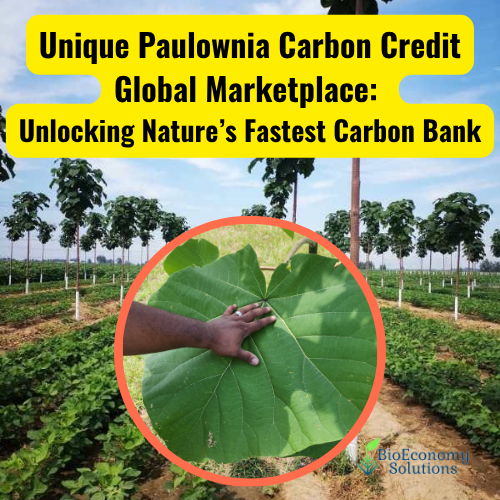
UGANDA Paulownia Trees Growing Fast

UGANDA Paulownia Trees Growing on Arid Land

5. The Future of Paulownia in Forest Restoration and Sustainability

As the world grapples with the urgent need for climate action, Paulownia trees offer a unique tool for tackling deforestation, boosting biodiversity, and supporting afforestation and reforestation efforts. With their fast growth, carbon-sequestering power, and ability to thrive in degraded soils, Paulownia is becoming a key player in the battle against climate change.

However, it’s essential that Paulownia is planted thoughtfully in the right ecosystems, as it is not native to many parts of the world and can become invasive if not managed properly. In regions where it’s appropriate, Paulownia’s role in sustainable forestry, habitat restoration, and ecosystem management cannot be overstated.

By integrating Paulownia trees into climate strategies, we can move closer to reversing the damage done to our planet, one tree at a time. Whether it’s by reforesting degraded lands, creating sustainable timber resources, or supporting biodiversity, Paulownia proves to be a valuable ally in our shared goal of restoring a healthy, thriving planet.


Conclusion

The Paulownia tree, with its FAST growth rate, carbon capture abilities, and adaptability, is a powerful tool in climate change mitigation, biodiversity support, and sustainable forest management. When used appropriately in afforestation and reforestation projects, it holds the potential to restore ecosystems, combat deforestation, and provide long-term environmental and economic benefits.

Contact Us

BioEconomy Solutions is a Carbon Dioxide Removal (CDR) Project Developer. Talk to us about our TREE PLANTING strategies with Paulownia trees.

We’re happy to organize a time to speak with you about our paulownia trees and lumber we have for sale. Please book your preferred time to speak directly.

Here’s a link to my online calendar/schedule:

www.bioeconomysolutions.com/bookcall

BioEconomy Solutions

mail@BioEconomySolutions.com

Office: 843.305.4777

Visit us at: https://bioeconomysolutions.com/paulownia-carbon-credits/

Let’s chat about paulownia tree solutions for sustainable Forest carbon credits projects.

LIKE|SHARE|COMMENT

Enjoy this article? You may also enjoy “Carbon Developers Choose Paulownia Trees”

https://www.linkedin.com/pulse/carbon-developers-choose-paulownia-trees-victor-garlington-imh4e/

Get a FREE copy of Paulownia Carbon Report: https://bioeconomy-solutions.kit.com/45b34109e5

Get a FREE copy of Paulownia Carbon Report

Get a FREE copy of Paulownia Carbon Report

The GENIUS Act—short for “Guiding and Establishing National Innovation for U.S. Stablecoins—was signed into law on July 18, 2025, establishing the first comprehensive federal regulatory framework for dollar-backed, redeemable “payment stablecoins” in the U.S. Congress.


✅ What the GENIUS Act Does

  • Requires 1:1 backing of stablecoins with liquid assets—U.S. dollars or short-term Treasuries—held in segregated accounts, with monthly public disclosures and third-party audits.

  • Establishes a dual federal–state licensing system: large issuers go federal, smaller ones under $10 B can operate under a certified state regime.

  • Pre-empts state law for federally supervised issuers to simplify market entry.

  • Includes robust consumer protection and AML/sanctions rules, plus prioritizes stablecoin holders in issuer insolvency.

  • Excludes most algorithmic or crypto-native stablecoins from being payment stablecoins and leaves them under a Treasury study in the next year.

  • Adds foreign supervision equivalence rules, allowing foreign issuers—once deemed to have equivalent regulation—to operate in the U.S.

This legislation positions the U.S. stablecoin sector for rapid growth, potentially scaling from a $260B market to several trillion, and anchors more stablecoin backing in Treasuries—supporting U.S. debt markets & dollar dominance.


🌲 Implications for Paulownia‑Backed Tokenized Carbon Credits

Paulownia trees are increasingly used in carbon sequestration projects because of their rapid growth and high CO₂ uptake. BioEconomy Solutions is tokenizing these carbon credits—tying each credit derivatively to a Paulownia tree or plantation, often via NFTs or tradable tokens.

While the GENIUS Act targets payment-oriented stablecoins, its regulatory principles spill over into tokenized asset markets, and here’s how they affect Paulownia carbon tokens:

  1. Stablecoin compliance frameworks don’t directly apply to carbon-credit tokens, since they’re not pegged to fiat. But the Act pre-empts ambiguity—it clarifies that “payment stablecoins” require 1:1 reserve backing, monthly disclosures, audits, and state/federal licensing (when used for payment). Tokenized assets used for trading or payments—like carbon-credit tokens—may attract scrutiny akin to stablecoin regulations, especially if they serve liquidation or transactional functions. In such cases, the Treasury or agencies could decide these fall under “other crypto-asset” rules queued for post-GENIUS Acts study.

  2. For environmental token projects, higher transparency and audit expectations set a new bar. If these tokens become tradable or payment instruments, similar compliance (reserves audits, AML/KYC, segregation of assets) may follow.

  3. Cross-border issuers of tokenized credits may need equivalent regulatory certifications—mirroring the approach for stablecoins—especially for foreign-based Paulownia credit issuers targeting U.S. buyers.

  4. The Act’s emphasis on liability prioritization could inspire analogous frameworks in tokenized carbon credits—ensuring token holders have clear claims on physical carbon assets if a project defaults.


🛠 What This Means for Paulownia Carbon‑Credit Token Projects

  • ❎ If your token is intended for trading or payment in the U.S., it may need to comply with AML, consumer protection, and asset-reserve audit-type principles—even if not strictly labeled a stablecoin.

  • ❎ Adapting audit models: Payment stablecoins now require monthly reserve audits. Carbon-credit tokens could adopt similar transparency practices to appeal to institutional and regulatory eyes.

  • ❎ Prepare for the Treasury study by engaging early with regulators, building compliant frameworks that anticipate potential classification as tokenized financial products.

  • ❎ Cross-jurisdiction coordination matters: foreign-based carbon token issuers targeting U.S. markets should track stablecoin-style foreign supervision equivalence modeling.

  • ❎ Bridge financing & DeFi integration: tokenized carbon credits might eventually serve as collateral in financial systems; lessons from stablecoin compliance (reserve requisites, audits) are vital.


STABLECOINS – TL;DR

While the GENIUS Act doesn’t mandate rules for carbon‑credit tokens directly, it sets a new regulatory benchmark for tokenized assets intended for payments or trading. Tokenized Paulownia carbon credits that become easily exchangeable, cross-border, or used in DeFi may soon need to adopt stablecoin‑level transparency, auditability, AML/KYC, and reserve-like structures—or else face classification as emerging crypto‑financial instruments. Token platforms should proactively align with these principles now to stay ahead of anticipated regulations.

Conclusion: A Tree for the Times

As the world reimagines land use and carbon policy, the Paulownia carbon credit market represents a bold convergence of ecology, technology, and finance. It’s not just about planting trees—it’s about planting the right tree, in the right system, with the right data to turn carbon into capital.

With scalable potential and scientifically engineered reliability, Paulownia is more than a fast-growing tree—it’s a catalyst for a climate-resilient future and a profit center for forward-looking investors and landowners.


⏱ Next Steps

  • ❎ Landowners: Explore converting acreage into Paulownia carbon farms.
  • ❎ Investors: Evaluate biochar and carbon forestry funds linked to high-sequestration species.
  • ❎ Buyers: Offset emissions with premium, verifiable Paulownia-based removal credits.
  • ❎ Policymakers: Incentivize regenerative agroforestry under national carbon strategies.

🧭 Contact Us – Schedule a Call

Want to see what real-time ESG compliance looks like in action? Or need help building your ESG tech stack? Let’s talk.

By converting its carbon, growth, and timber value into blockchain-based tokens, Paulownia CDR creates a transparent, inclusive, and sustainable financial model that aligns with the goals of the UNCCDParis Agreement, and global reforestation efforts.

Contact Us

Where To Buy Paulownia Core Materials? QUESTIONS?

We’re happy to organize a time to speak with you about our ESG compliance solutions.

⏰ Here’s a link to my online calendar/schedule:

www.bioeconomysolutions.com/bookcall

BioEconomy Solutions

mail@BioEconomySolutions.com

Office: 843.305.4777

Visit us at: https://bioeconomysolutions.com/paulownia-carbon-credits/ Let’s chat about paulownia tree solutions for sustainable Forest carbon credits projects.

LIKE|SHARE|COMMENT

Subscribe to our newsletter: https://bioeconomy-solutions.kit.com/45b34109e5 

Get a FREE copy of Paulownia Carbon Report

Get a FREE copy of Paulownia Carbon Report

 

Learn More - How The GENIUS Act Is BIG For Paulownia? Nature Based Carbon Dioxide Removal with paulwonia fast growing hybrid trees from BioEconomy Solutions

Learn More – How The GENIUS Act Is BIG For Paulownia?

Learn More – How The GENIUS Act Is BIG For Paulownia? Nature Based Carbon Dioxide Removal with Paulwonia fast growing hybrid trees from BioEconomy Solutions.

The world has moved toward decarbonization and sustainable land use practices, Paulownia treesare emerging as a powerful tool in the fight for positive ecosystem restoration, economic advancement and against climate change.

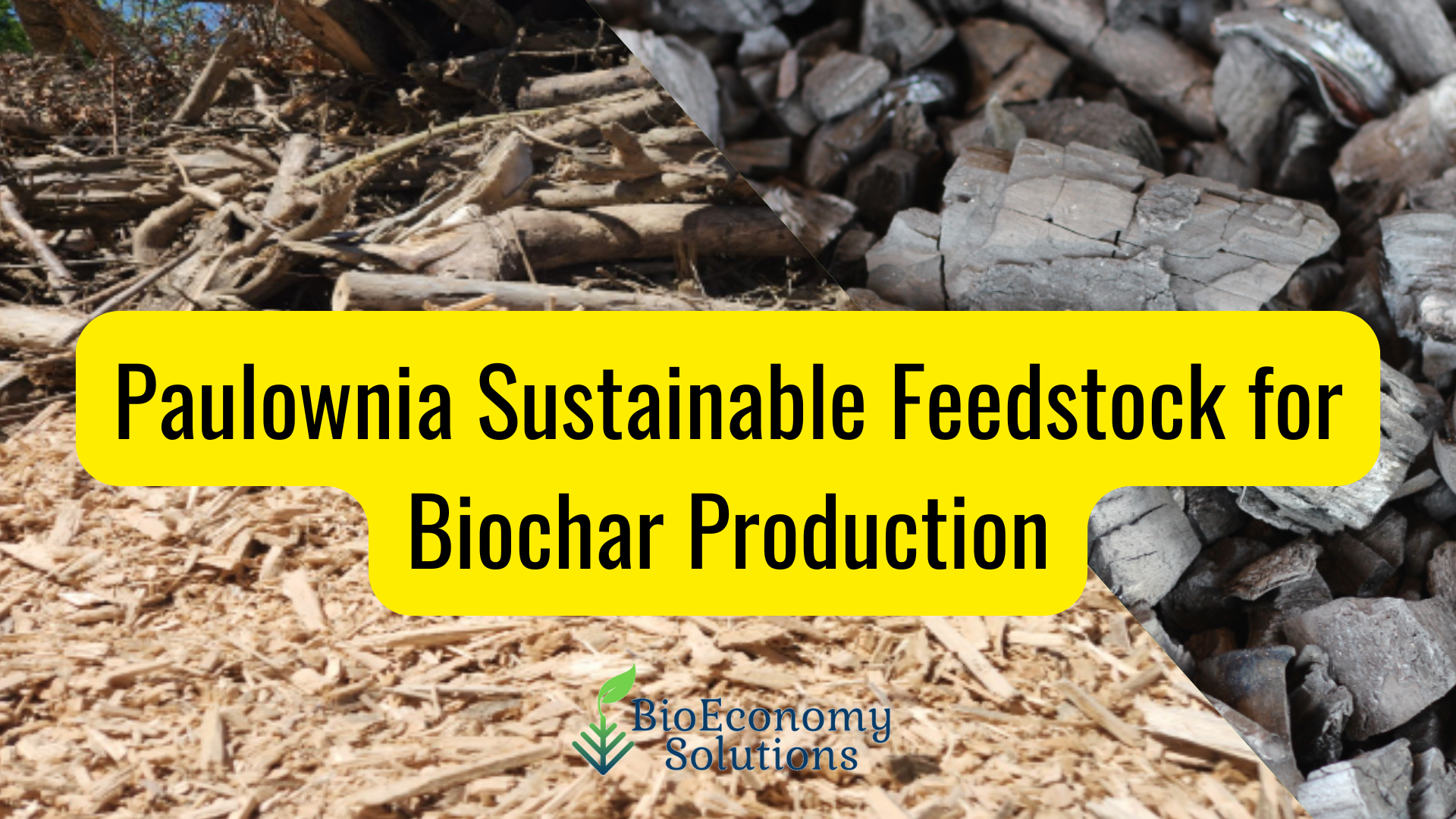
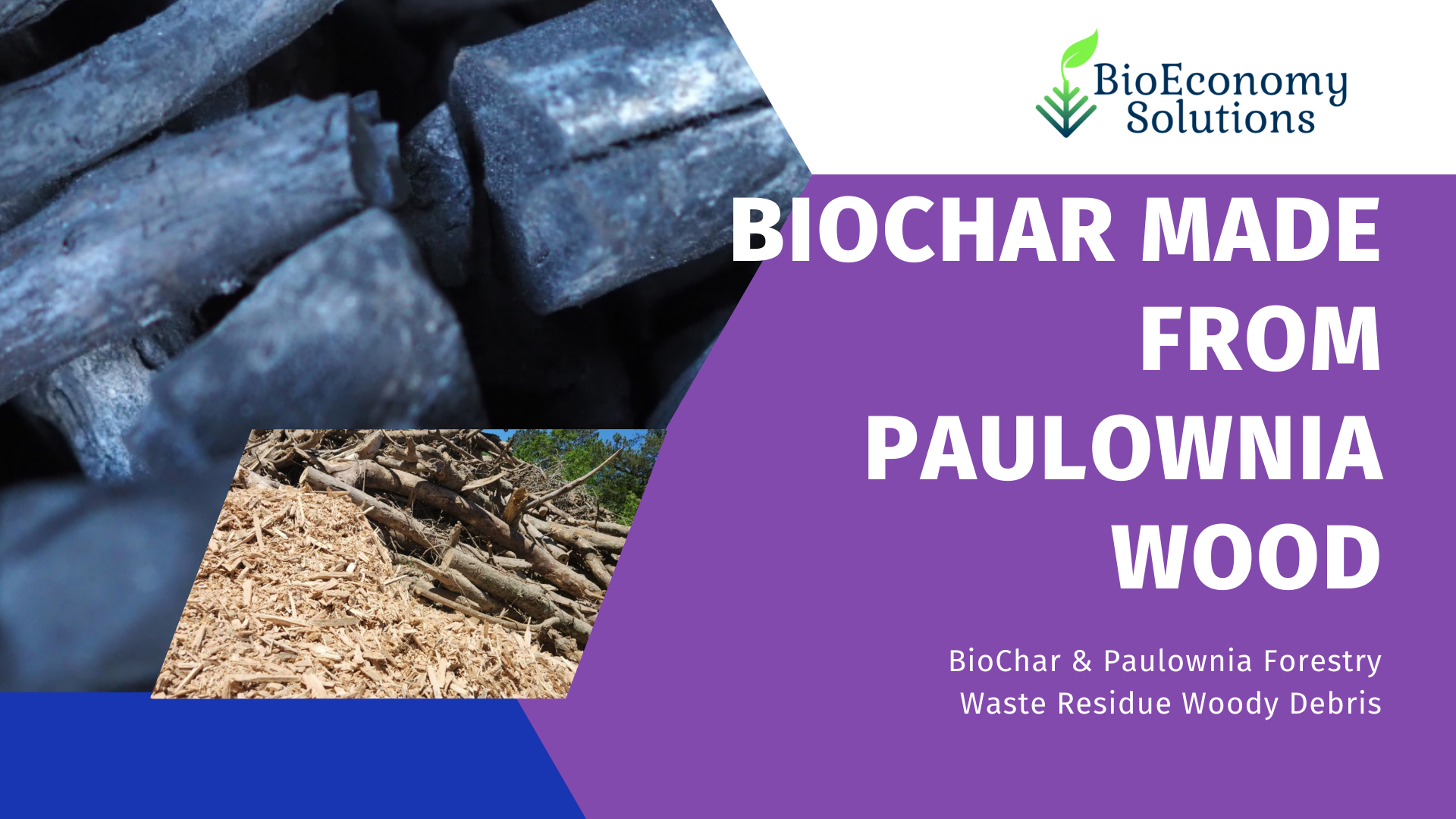
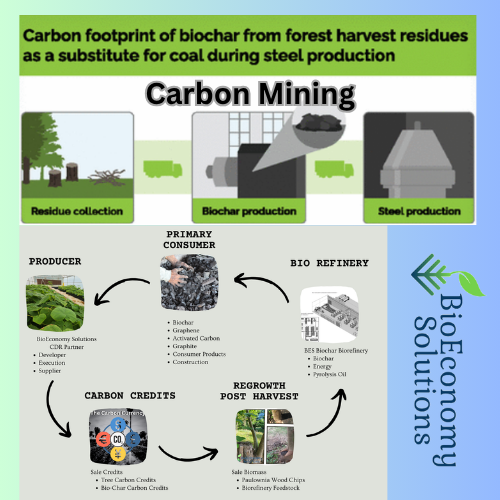
Paulownia trees are known for their exceptionally fast growth, lightweight, durable wood, and high commercial value, Paulownia trees are being reconsidered not just for timber, but as a promising feedstock biomass source for biochar production, where diversification of biomass sources is a growing need.

What Is Paulownia?

What Is BioChar?

Why Paulownia Trees?

Paulownia’s biological traits make it uniquely suited for biomass applications:

  • Rapid Growth: Capable of reaching maturity in as little as 7–10 years, Paulownia yields significantly more biomass per hectare than many native or commonly grown species.
  • Efficient Nutrient Use: Its extensive root system excels at absorbing nutrients, including from marginal or degraded soils, making it an ideal candidate for bioremediation.
  • Drought Tolerance & Regrowth: Once established, Paulownia coppices vigorously, offering repeated harvests without replanting.
  • Intercropping Compatibility: Its canopy allows light penetration, supporting dual-use land systems.

Paulownia for Biochar: Technical and Environmental Advantages

1. High Drying Efficiency

Paulownia wood air drys quickly, which drastically reduces the energy inputs typically required for biomass processing:

  • Air-drying Lumber: As little as 30–39 days to reach <20% moisture content.
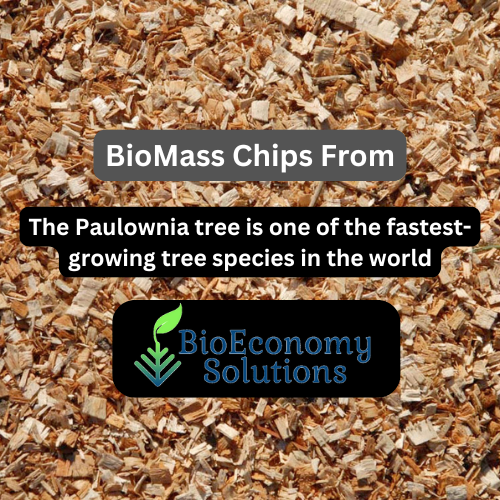
  • Drying Biomass Chips: Down to 10–12% moisture in 48 hours with air only.
  • The Contrast: With willow, which often requires energy-intensive drying.
  • Cost Reduction: Eliminates the need for expensive drying equipment.

Implication: Lower energy input means a higher net carbon benefit during biochar production, making Paulownia more climate-positive.

2. Ideal Physical Properties

Paulownia’s low density (14–19 lb/ft³) and stable dimensional shrinkage (2.2% radial, 4% tangential) allow easy handling and consistent biochar quality. The specific gravity of 0.23–0.30 means it is nearly one-third the weight of oak, facilitating logistics and reducing processing wear-and-tear.


3. High-Yield Carbon Removal

Paulownia enables robust carbon sequestration during pyrolysis. When converted to biochar, its structure:

  • Stabilizes carbon in soils for hundreds of years
  • Improves soil fertility and water retention
  • Can be integrated into carbon credit schemes for Carbon Dioxide Removal (CDR)

Additional Benefits

  • Leaf Use as Fodder: Paulownia leaves are high in protein and low in lignin,great as livestock fodder—adding economic value to the biomass system.
  • Bioremediation Potential: Its rapid nutrient uptake may help remediate land contaminated with excess nitrogen, phosphorus, or even heavy metals.

Opportunity for Biochar Biomass Feedstock

Despite its absence from most forestry portfolios, Paulownia offers a novel biomass solution. It could:

  • Diversify woody biomass sources beyond willow
  • Enable low-energy biochar production aligned with net-zero targets
  • Create value through timber, carbon credits, fodder, and soil health

Paulownia aligns well with agroforestry & permaculture, offering income diversification for farmers and landowners while supporting national climate goals.


Contact Us – Carbon Dioxide Removal (CDR) Project Developer

Paulownia’s combination of fast growth, low energy processing, and carbon sequestration potential makes it an ideal feedstock for biochar production. Its integration into sustainable land use strategies can create a circular economy model linking biomass, biochar, and carbon removal finance—a win for farmers, ecosystems, economies, people, and the climate.

BioEconomy Solutions is a Carbon Dioxide Removal (CDR) Project Developer. Talk to us about our biochar processing technology.

We’re happy to organize a time to speak with you about our paulownia trees and lumber we have for sale. Please book your preferred time to speak directly.

Here’s a link to my online calendar/schedule:

www.bioeconomysolutions.com/bookcall

BioEconomy Solutions

mail@BioEconomySolutions.com

Office: 843.305.4777

Visit us at: https://bioeconomysolutions.com/paulownia-carbon-credits/ Let’s chat about paulownia tree solutions for sustainable Forest carbon credits projects.

LIKE|SHARE|COMMENT

Enjoy this article? You may also enjoy “Carbon Developers Choose Paulownia Trees” https://www.linkedin.com/pulse/carbon-developers-choose-paulownia-trees-victor-garlington-imh4e/

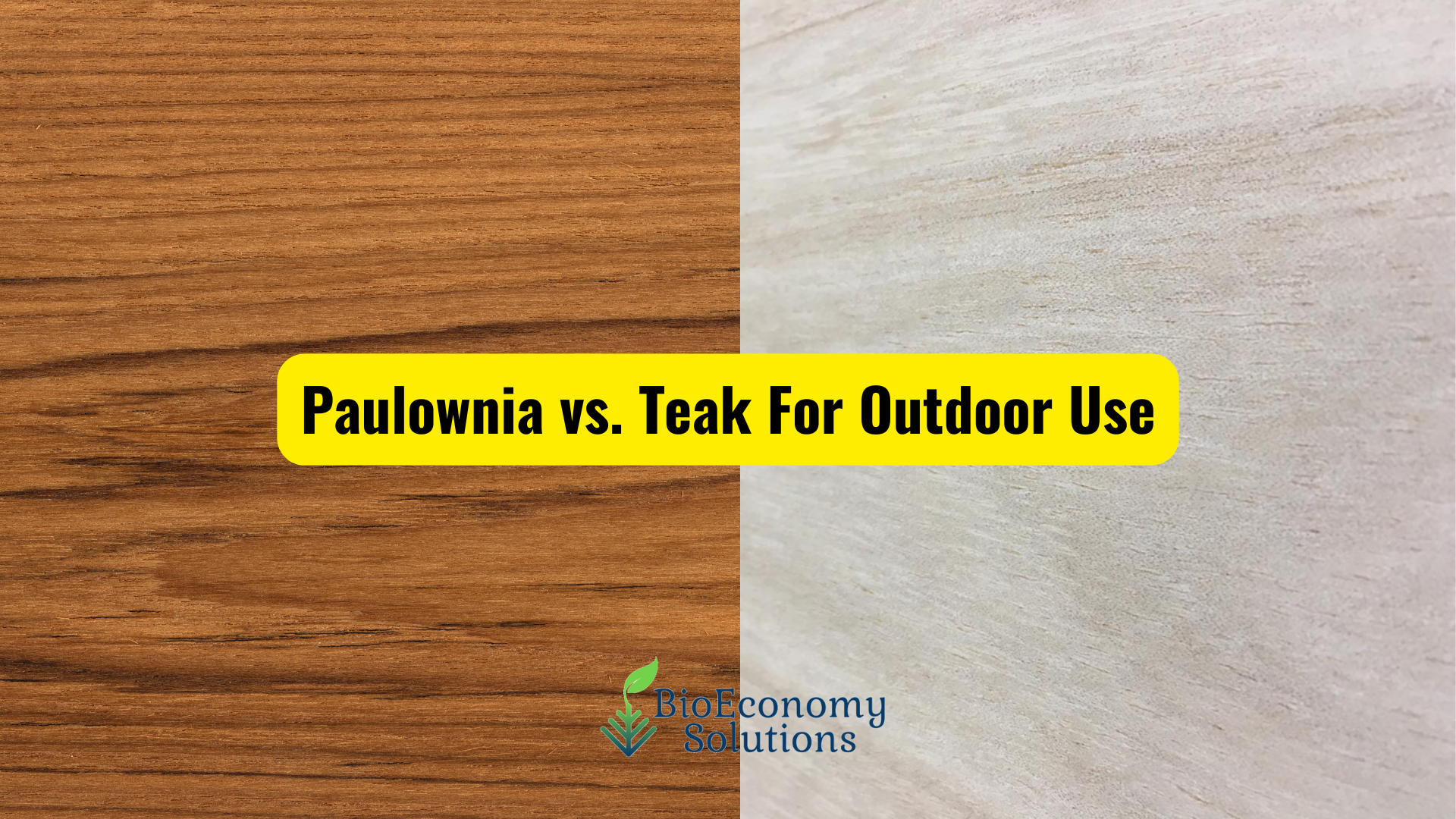
You know of Teak Wood, but have you ever heard of Paulownia Wood? From surfboards to sailboats, the material we choose where water-based applications matter — not just for performance, but for longevity, sustainability, and safety.

Enter Paulownia, a remarkable hardwood that is quickly gaining recognition as a high-performance, eco-friendly alternative to traditional marine woods like teak.

When it comes to marine construction, choosing the right wood is a critical decision. Traditionally, Teak has been the gold standard for boat building due to its superior durability and natural resistance to water. However, with sustainability and environmental responsibility becoming top priorities in today’s economy, Paulownia is emerging as a compelling alternative.

At BioEconomy Solutions, we grow, eco-friendly materials that support a greener future—and Paulownia fits right into that mission.


⚓ Teak: The Marine Industry’s Time-Tested Favorite

Why boat builders love it:

  • Durability: Teak is famous for its exceptional resistance to rot, decay, and insects, even in harsh saltwater environments.

  • Water Resistance: Thanks to its natural oils, teak doesn’t swell or warp easily, making it ideal for wet conditions.

  • Grip & Aesthetics: Its textured grain offers a non-slip surface and a luxurious golden-brown color that ages beautifully.

But there’s a trade-off:

  • Cost: Teak is among the most expensive hardwoods in the world.

  • Maintenance: It still needs regular oiling and cleaning to retain its look and performance.

  • Sustainability: Illegal logging and overharvesting have raised concerns about the environmental cost of using teak.


🌱 Paulownia: The Lightweight, Sustainable Contender

Why Paulownia is gaining attention:

  • Extremely Lightweight: Ideal for hulls, masts, interior panels, and other boat components where weight reduction is crucial.

  • Natural Rot Resistance: Despite its softness, Paulownia is surprisingly resistant to insects and decay.

  • Stable and Easy to Work With: It resists warping and cracking while being easy to cut and shape.

  • Highly Sustainable: Paulownia trees reach maturity in just 5–7 years and can regrow from the same stump, making it a truly renewable resource, because the regrow from the stump post harvest. No need for replanting.

Considerations:

  • Softer Wood: Not recommended for high-wear areas like decks without additional treatment or protection.

  • Outdoor Durability: Requires sealing or treatment for prolonged use in marine environments, particularly in plywood form.

  • Newer to Marine Use: While used successfully in surfboards, canoes, and lightweight watercraft, it’s not yet the industry norm.


🛥️ Which Wood is Right for Your Boat?

  • Use Teak if you need maximum durability, premium aesthetics, and are willing to invest in both cost and maintenance. Ideal for decks, handrails, and other exposed surfaces.

  • Use Paulownia if you’re prioritizing sustainability, weight reduction, and affordability. It’s a smart choice for interiors, paneling, trim, or custom lightweight designs—especially when responsibly treated for marine use.

🌊 Naturally Water-Resistant: No Chemicals Required

Unlike many woods that need chemical treatments or sealants to survive wet conditions, Paulownia thrives in them naturally.

  • Tight Cellular Structure: Its fine, closed grain repels water, meaning it doesn’t easily absorb moisture.

  • Hydrophobic by Nature: Paulownia contains natural oils and tannins that protect against saltwater, rot, and fungal growth.

  • Minimal Warping: Even when exposed to harsh marine environments, Paulownia retains its shape and stability.

This makes Paulownia ideal for crafting durable surfboards, paddleboards, boat panels, and even skis — all without compromising on environmental responsibility.


🏄‍♂️ Real-World Proof: Tom Wegener’s Discovery

Tom Wegener, a master surfboard shaper and pioneer in wooden board design, discovered Paulownia’s exceptional marine qualities firsthand. After decades in the surf industry, he noticed something unusual:

“While surfing Paulownia boards, I saw that even cracked fins and nose blocks wouldn’t absorb saltwater — the wood stayed dry. That’s something I’d never seen before.”

Wegener helped popularize the use of hollow-core Paulownia surfboards, creating a new genre of finless surfing while proving that this wood not only performs — it endures.


⚙️ Durability Meets Sustainability

Paulownia’s lightweight yet dense composition makes it impact-resistant, and its hydrophobic properties mean even dings and cracks won’t cause it to soak or swell in the short term — a game-changer in marine design.

  • Impact Resistance: Dense yet light, Paulownia absorbs shocks without compromising structure.

  • Sun & Saltwater Tough: Resilient against UV exposure and the corrosive effects of ocean spray.

  • Long-Term Value: Greater longevity equals fewer replacements, making Paulownia a smart investment for marine manufacturers and eco-conscious consumers.


🌱 A Bio-Based Material for a BioEconomy Future

At BioEconomy Solutions, we’re not just supplying a tree — we’re offering a regenerative material for industries that demand both performance and responsibility.

  • Grows to maturity in just 5–7 years

  • Regenerates from the stump, minimizing land disturbance

  • Captures up to 103 tons of CO₂ per hectare annually

Whether you’re shaping surfboards, outfitting custom boats, or developing lightweight marine components, Paulownia offers a rare combination of performance, durability, and sustainability.

At BioEconomy Solutions, we’re advancing sustainable forestry by growing Paulownia for purpose — and its natural compatibility with water-based environments is one of the most exciting frontiers for this fast-growing species.


Where To Buy USA Paulownia Lumber?

Need paulownia for your next project?

Where to buy paulownia? We’re harvesting our mature U.S. South Carolina Paulownia Timber and have millions of board foot available. We can mill lumber for your business needs. Contact Us for details. Office: 843.305.4777 | Email: mail@bioeconomysolutions.com Here’s a link to our online calendar, schedule a conference call with us:

https://info586.youcanbook.me

USA Paulownia Wood Lumber For Sale – Need paulownia wood lumber for your next project? https://bioeconomysolutions.com/paulownia-lumber/

You will discover that paulownia wood is the “Light Strong Alternative Wood” used in many processes to obtain many types of products.

Weather you are a hobbyist or full time manufacturing company, paulownia wood grown in South Carolina USA may be a new expression of your talent.

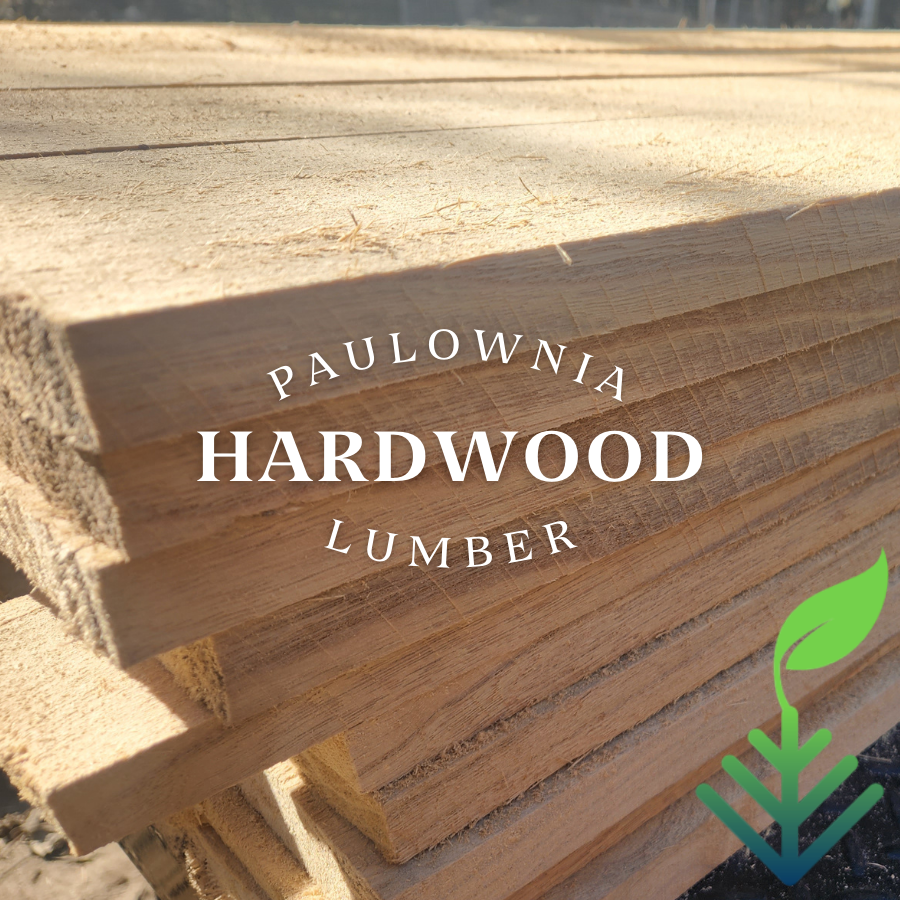
We sell Custom Paulownia boards: rough sawn or planed, we offer various sizes and thicknesses. Our Paulownia boards are processed using sustainable Paulownia hardwood grown right here in South Carolina USA.

If you’re interested in paulownia, want to grow or currently growing, Subscribe to our newsletter: https://bioeconomysolutions.com/carbonreport

LIKE|SHARE|COMMENT

Join the paulownia movement, subscribe to our newsletter: https://bioeconomy-solutions.kit.com/45b34109e5

Subscribe to our Newsletter

Subscribe Today

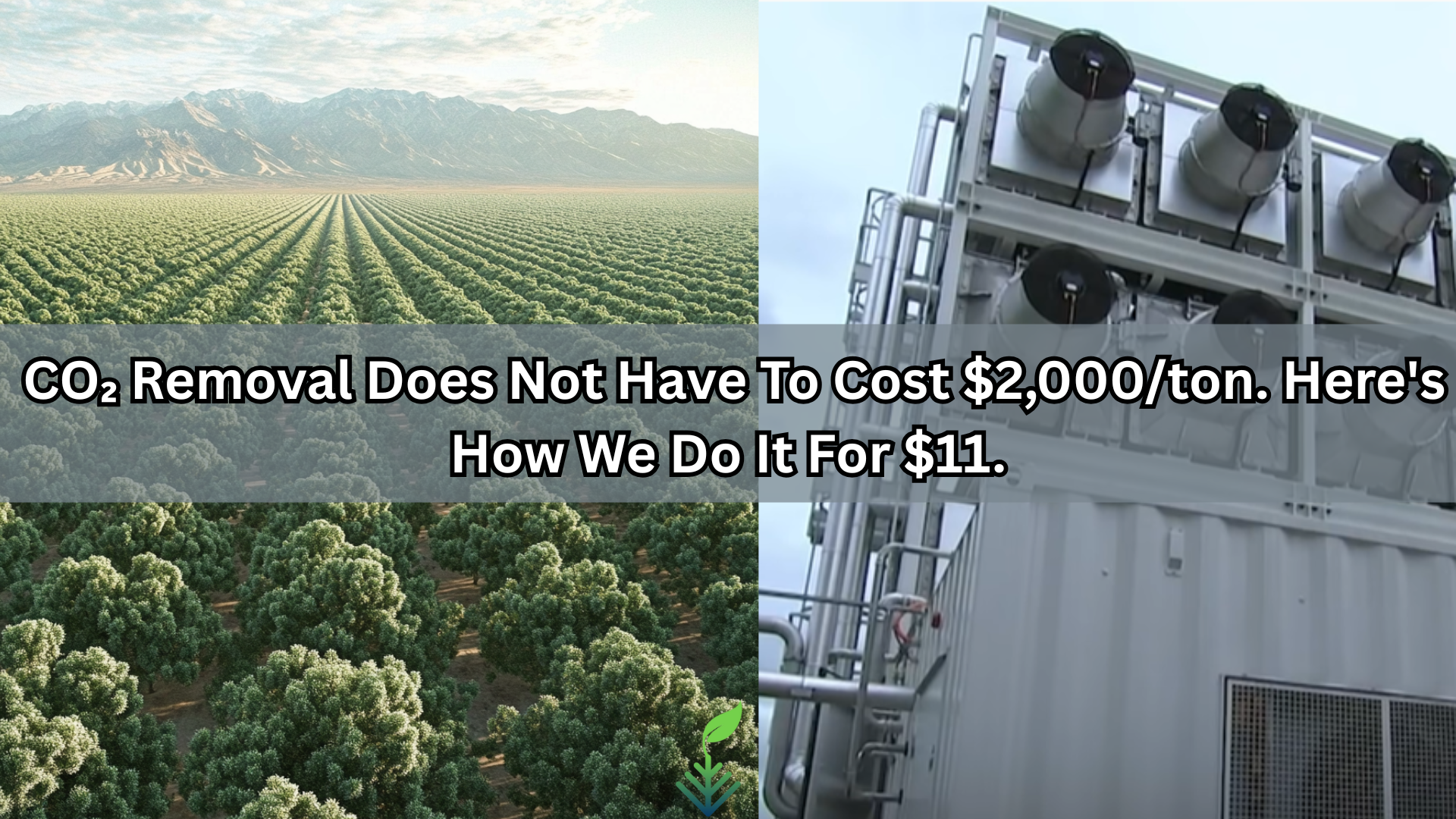
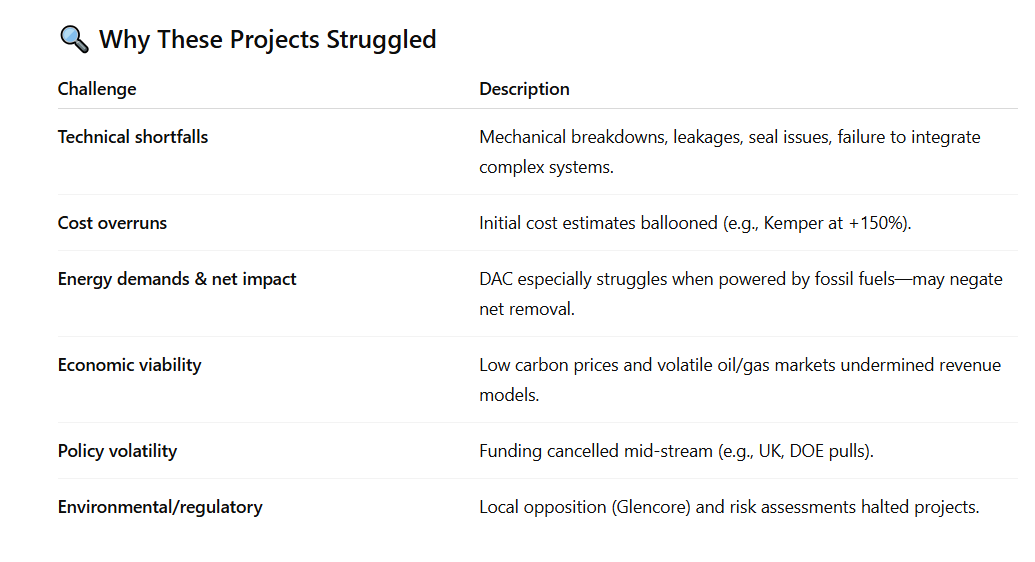
Tech v.s. Trees: What $6.66 Billion Taught Us About Real Carbon Removal

Carbon removal is no longer a future goal — it’s a present necessity.

But here’s the hard truth: most of the money is going to the wrong solutions. Direct Air Capture (DAC) has received the lions share of American government funding.

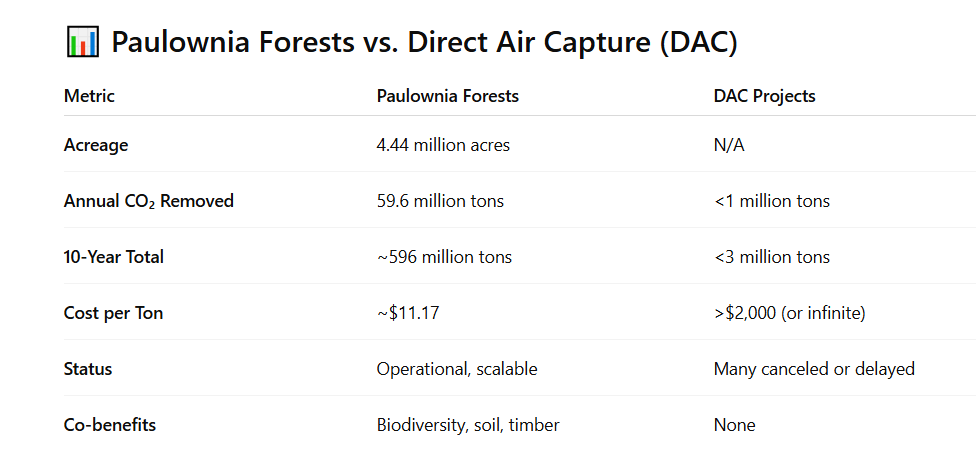
We compared two carbon removal paths using the same budget:
$6.66 billion. America already has spent billions on DAC.

Failed Direct Air Capture Projects DAC 

Failed Direct Air Capture Projects DAC ($6.66 Billion Spent)

Download The FULL REPORT (Free Download)


🔍 What This Means

With Paulownia trees:

  • We remove nearly 600 million tons of CO₂ over a decade

  • The cost per ton is 99.5% lower than DAC

  • We also restore ecosystems, soil, generate sustainable timber, and create rural jobs

With DAC:

  • The same spend removes <0.5% of the CO₂

  • Many projects are stalled, shelved, or shut down

  • There are no added environmental or economic benefits


🌍 Nature Works. Tech Still Needs Work.

Paulownia isn’t just a tree. It’s a fast-growing, high-carbon-removal, IoT-tracked, blockchain-backed engine of climate regeneration.

We believe the future of carbon removal is nature-powered and digitally verified.

Instead of betting billions on unproven tech, it’s time to scale what’s already working.


✅ Want to See the Model?

We’re planting millions of trees now.
We’re tokenizing their carbon impact.
And we’re inviting partners to scale globally.

📩 Let’s talk:
📅 Book a call → info586.youcanbook.me
📧 Mail@BioEconomySolutions.com
📞 (843)-305-4777

Paulownia The Fastest Growing Tree On The Planet

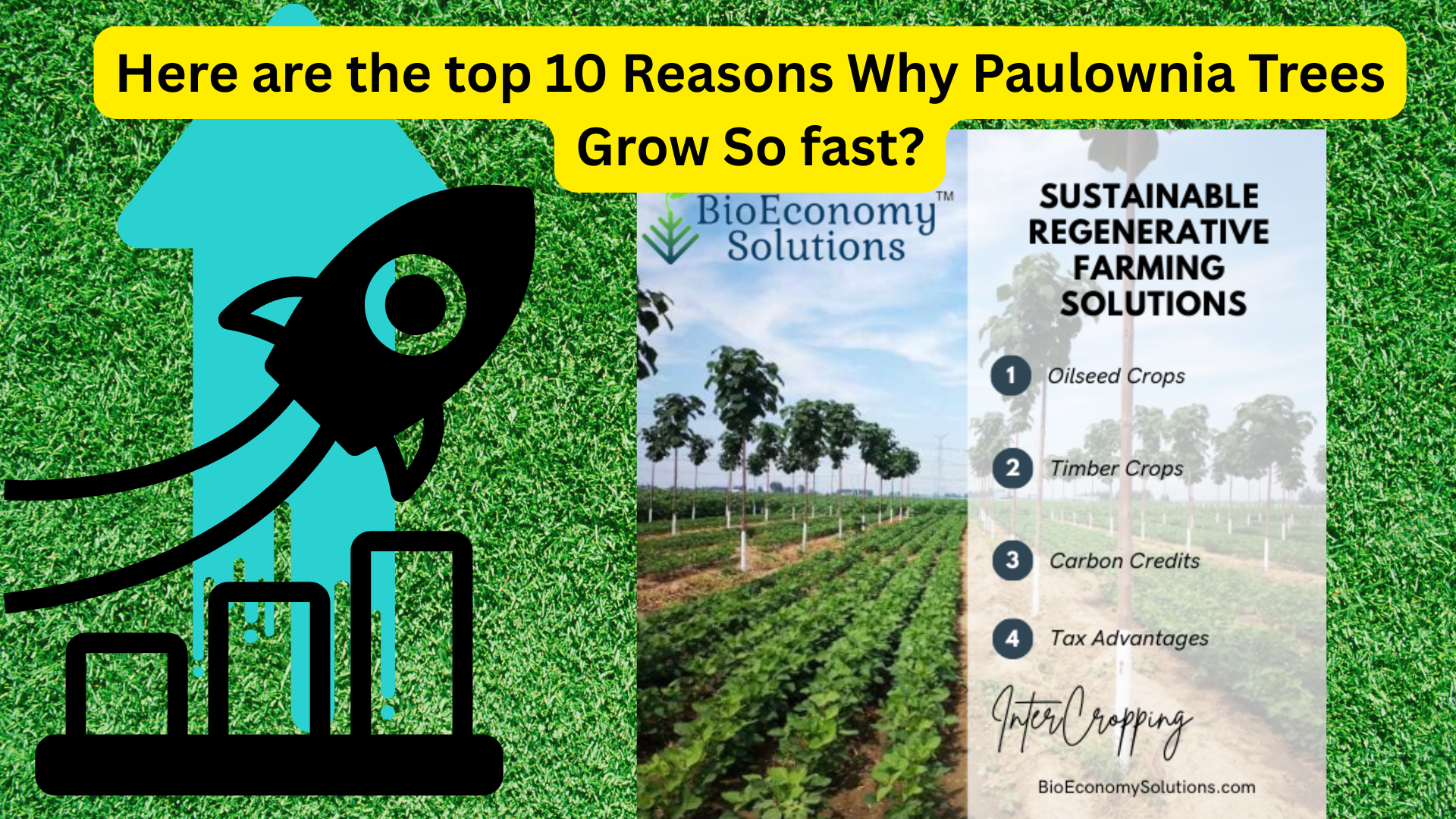
Top 10 Reasons Why Paulownia Trees Grow So fast?

Paulownia trees (especially Paulownia kiri, also known as the Empress Tree) are among the fastest-growing trees in the world. Their rapid growth is due to a combination of biological, physiological, and environmental adaptability traits. Here are the top 10 reasons why Paulownia trees grow so fast:


1. Large Leaf Surface Area

Paulownia trees have huge leaves (up to 40 cm wide), which allow for greater photosynthesis, accelerating biomass production.


2. Fast Cell Division and Elongation

The tree has rapid meristematic activity, meaning its cells divide and elongate quickly, especially in the stem and root tips.


3. Deep and Extensive Root System

Its deep taproot and lateral roots allow it to efficiently access water and nutrients from a large volume of soil, even in poor conditions.


4. C4-like Photosynthesis Efficiency

While Paulownia is technically a C3 plant, it shows high photosynthetic efficiency—similar to C4 plants—under optimal conditions like high light and warm temperatures.

5. Lightweight Wood

Paulownia wood has a low density but maintains good structural integrity. This means the tree can grow tall rapidly without needing to develop heavy structural tissue.


6. Tolerance to a Range of Soils

Paulownia thrives in a wide range of soils, including degraded and nutrient-poor areas, due to its adaptive nutrient uptake mechanisms.


7. Rapid Juvenile Growth Phase

The first few years of Paulownia’s life involve a very fast juvenile growth phase, where it can grow up to 3–5 meters (10–16 feet) in a single season.


8. Strong Coppicing Ability

After cutting or damage, Paulownia resprouts vigorously from the stump or roots, enabling multiple growth cycles from the same plant.


9. Minimal Pest and Disease Pressure

Paulownia has natural resistance to many pests and diseases, reducing the energy the tree needs to allocate for defense.


10. Early Maturity and Reproductive Readiness

Paulownia trees reach maturity in 7–10 years, much faster than most hardwoods, allowing them to channel energy into fast trunk and canopy development early in life.


Contact Us

Where To Buy Paulownia Core Materials? QUESTIONS?

Visit our web page. https://bioeconomysolutions.com/paulownia-lumber/

What is paulownia wood? https://bioeconomysolutions.com/what-is-paulownia-wood/

We’re happy to organize a time to speak with you about our paulownia trees and lumber we have for sale. Please book your preferred time to speak directly.

Here’s a link to my online calendar/schedule:

www.bioeconomysolutions.com/bookcall

BioEconomy Solutions

mail@BioEconomySolutions.com

Office: 843.305.4777

Visit us at: https://bioeconomysolutions.com/paulownia-carbon-credits/ Let’s chat about paulownia tree solutions for sustainable Forest carbon credits projects.

LIKE|SHARE|COMMENT

Enjoy this article? You may also enjoy “Carbon Developers Choose Paulownia Trees” https://www.linkedin.com/pulse/carbon-developers-choose-paulownia-trees-victor-garlington-imh4e/

While a “pretty tree” might first catch our eye with its vibrant flowers or majestic canopy, its true power lies in the silent, tireless work it does for the environment.

Let’s break down the environmental contributions of trees, even (or especially) the “pretty” ones, beyond their aesthetic appeal:

Ecosystem Services: Beauty in Functionality

The visual appeal of trees often correlates with their health and vitality, which are directly linked to the ecosystem services they provide:

  • Improving Air Quality: Trees are natural air filters. Their leaves, with their vast surface area and tiny pores (stomata), absorb gaseous pollutants like carbon dioxide (), ozone (), nitrogen oxides (), sulfur dioxide (), and carbon monoxide (). Particulate matter (dust, pollen, smoke) also gets trapped on leaf surfaces and is later washed away by rain. This direct removal of pollutants is supplemented by trees’ ability to reduce air temperatures, which in turn lowers the formation of ground-level ozone. One large tree can provide a day’s supply of oxygen for up to four people, and an acre of forest can absorb six tons of carbon dioxide annually.

  • Moderating Temperatures: Trees are nature’s air conditioners. They reduce ambient temperatures through two primary mechanisms:

    • Shade: Their canopies block solar radiation, directly cooling surfaces below and reducing heat absorption by buildings, pavement, and other urban infrastructure.
    • Evapotranspiration: This process involves trees absorbing water through their roots and releasing it as water vapor through their leaves. This evaporation cools the surrounding air, much like a natural evaporative cooler. Urban forests can be significantly cooler (e.g., 3.0°F or 1.6°C) than non-green urban areas, reducing the “urban heat island” effect.
  • Supporting Biodiversity: A beautiful, healthy tree is a bustling apartment building for countless species. They provide:

    • Habitat: Branches and hollows offer shelter and nesting sites for birds, squirrels, insects, and other small mammals.
    • Food Sources: Flowers provide nectar and pollen for pollinators (bees, butterflies), while fruits, nuts, and leaves offer sustenance for a wide array of wildlife.
    • Microclimates: The shade and moisture provided by trees create cooler, more stable microclimates, allowing a greater diversity of understory plants and ground-dwelling organisms to thrive.
  • Preventing Soil Erosion: The extensive root systems of trees act as natural anchors, binding soil particles together and preventing them from being washed away by rain or blown away by wind. Their canopies also intercept rainfall, reducing the direct impact of raindrops on the soil surface, which can lead to erosion. This helps maintain soil quality and prevents sediment runoff into waterways.

  • Sequestering Carbon: Trees are powerful carbon sinks. Through photosynthesis, they absorb atmospheric carbon dioxide () and convert it into organic compounds, storing carbon in their leaves, branches, trunks, and roots. This process is critical in mitigating climate change by reducing greenhouse gas concentrations in the atmosphere. A healthy tree can store approximately 13 pounds of carbon annually.

Urban Green Spaces: Beyond the Postcard

Aesthetically pleasing trees in urban environments offer more than just a pretty view; they are fundamental to creating livable, healthy cities:

  • Improved Quality of Life: The presence of trees contributes to a sense of calm and well-being. Studies show that access to green spaces reduces stress, lowers blood pressure, improves mood, and can even shorten hospital stays.
  • Promoting Physical Activity: Attractive, tree-lined streets and parks encourage people to walk, jog, or cycle, leading to increased physical activity and reduced risk of obesity and related health issues.
  • Fostering Community Well-being: Green spaces with trees often become natural gathering places, promoting social interaction, fostering a sense of community pride, and reducing feelings of isolation.
  • Noise Reduction: Dense tree canopies can absorb and block urban noise, creating quieter and more serene environments, which is particularly beneficial near busy roads or industrial areas.
  • Economic Benefits: Trees can increase property values due to their aesthetic appeal and the environmental benefits they provide. They also contribute to energy savings by reducing the need for air conditioning in shaded buildings and acting as windbreaks in winter.

Conservation and Preservation: Beauty as a Call to Action

The inherent beauty of trees often serves as a powerful motivator for their conservation. When people are captivated by the grandeur of an ancient forest or the delicate beauty of a blooming cherry tree, they are more likely to support efforts to protect them. This emotional connection then translates into understanding their vital ecological roles.

The United Nations Convention to Combat Desertification (UNCCD), while not solely focused on trees, plays a critical role in their conservation, especially in dryland ecosystems. As the only legally binding international agreement addressing desertification and drought, the UNCCD:

  • Promotes Sustainable Land Management: It advocates for practices like agroforestry (integrating trees into agricultural systems), conservation agriculture, and sustainable grazing, all of which often involve tree planting and protection to prevent soil degradation.
  • Restores Degraded Land: The UNCCD actively supports efforts to restore degraded lands, often through reforestation and afforestation initiatives, recognizing that trees are essential for rebuilding healthy ecosystems, combating erosion, and enhancing water retention.
  • Addresses Climate Change and Biodiversity Loss: By tackling desertification, the UNCCD indirectly contributes to climate change mitigation (through carbon sequestration by trees) and biodiversity conservation (by restoring habitats that support a wide range of species).
  • Aims for Land Degradation Neutrality (LDN): A core target of the UNCCD is to achieve a land degradation neutral world by 2030, meaning that the amount of healthy and productive land remains stable or increases. Trees are a crucial component of achieving LDN, as increasing tree cover is a key strategy for restoring degraded land and improving its productivity.
  • Mobilizes Resources and Raises Awareness: The UNCCD facilitates international cooperation and financial support for projects that involve tree planting and sustainable land management, and it raises global awareness about the importance of trees in combating desertification and improving livelihoods, especially in vulnerable communities.

In essence, the beauty of trees is not just skin deep; it’s a testament to their incredible functionality and a powerful reminder of why their protection and conservation are paramount for a sustainable future.

Learn More About Paulownia Trees

Contact Us For Details

BioEconomy Solutions is a BIOCHAR Carbon Dioxide Removal (CDR) Project Developer. Talk to us about our biochar processing technology.

We’re happy to organize a time to speak with you about our high carbon biochar we have for sale. Please book your preferred time to speak directly.

Here’s a link to my online calendar/schedule:

www.bioeconomysolutions.com/bookcall

BioEconomy Solutions

mail@BioEconomySolutions.com

Office: 843.305.4777

Visit us at: https://bioeconomysolutions.com/paulownia-carbon-credits/ Let’s chat about paulownia tree solutions for sustainable Forest carbon credits projects.


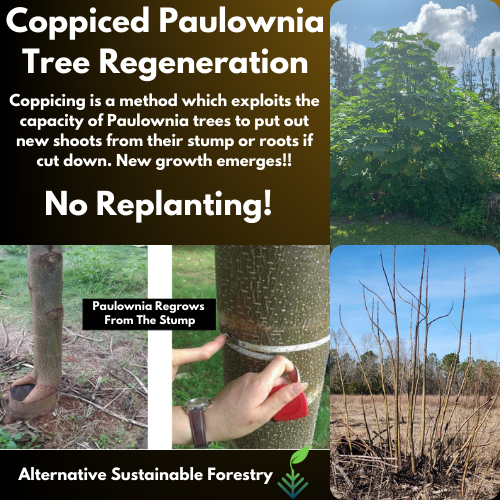
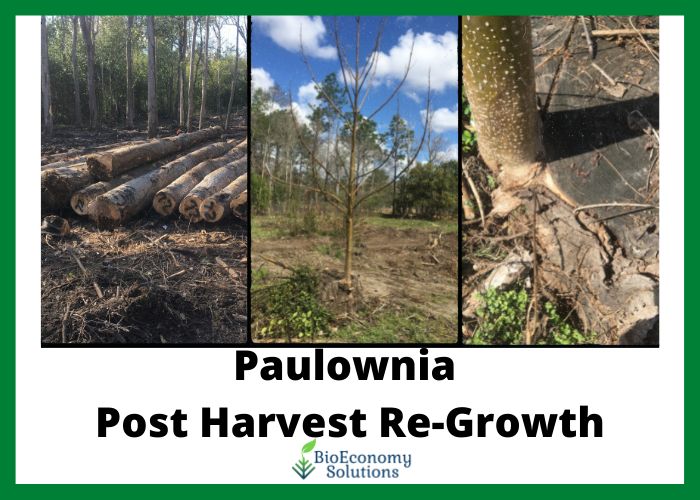
In the world of sustainable forestry, few trees offer the impressive regenerative capabilities of the Paulownia species. Often dubbed the t, a practice known as coppicing, makes it an exceptionally valuable asset for timber production, biomass generation, and environmental restoration.

Coppicing is an ancient woodland management technique that harnesses a tree’s natural tendency to sprout new shoots from its base or root collar when its main stem is harvested. For Paulownia, this characteristic is particularly pronounced. Unlike many trees that require replanting after each harvest, Paulownia’s established root system remains intact, ready to fuel rapid new growth.

The Power of the Established Root System

The secret to Paulownia’s phenomenal regrowth lies in its extensive and mature root system. When a young Paulownia tree is cut back, especially in its dormant phase (typically one to three years after initial planting), the robust roots, which have been developing for years, provide an immediate and abundant supply of nutrients and energy to the new sprouts. This allows the fresh shoots to grow at an astonishing rate, sometimes reaching several feet in a single growing season.

Advantages of Coppicing Paulownia

  • Accelerated Growth Cycles: Coppicing significantly reduces the time between harvests. Paulownia can reach harvestable size in as little as 5-7 years, and after coppicing, subsequent rotations can be even quicker, often ready for cutting in 3-5 years. This rapid turnaround maximizes productivity from the same land area.
  • Reduced Reforestation Costs: Eliminating the need for replanting after each harvest dramatically cuts down on labor, seedling costs, and the associated environmental impact of site preparation. This makes Paulownia plantations highly economical and efficient.
  • Continuous Timber Supply: The consistent regeneration ensures a steady and predictable supply of wood, supporting a more stable timber market and reducing pressure on natural, old-growth forests.
  • Enhanced Carbon Sequestration: Paulownia’s rapid growth translates to impressive carbon sequestration rates. The continuous cycle of growth and regrowth means these trees are constantly absorbing atmospheric CO2, contributing significantly to climate change mitigation efforts.
  • Soil Stabilization and Health: The deep and widespread root system of Paulownia helps prevent soil erosion, especially on degraded or vulnerable lands. As the tree regrows, it continues to improve soil structure and enrich it with organic matter.
  • Multi-Cycle Harvesting: A single Paulownia root system can support multiple harvest cycles, often as many as 4 to 8 times over its lifespan, providing decades of continuous yield from the same planting.

Managing for Optimal Regrowth

To maximize Paulownia’s coppicing potential, careful management practices are crucial. This typically involves:

  • Initial Coppicing: Often, growers will coppice young Paulownia trees (1-3 years old) to encourage a single, straight, and vigorous stem for high-quality timber. This initial cut allows the root system to develop fully before focusing energy on a primary trunk.
  • Selective Sprout Management: After coppicing, multiple sprouts will emerge. For timber production, growers often select the strongest, straightest shoot and remove the others, directing all the root’s energy into developing a single, high-quality trunk. For biomass, multiple shoots may be allowed to grow for maximum yield.
  • Dormant Season Harvesting: Harvesting during the dormant season (winter) is generally recommended, as the tree’s energy reserves are concentrated in the roots, optimizing the subsequent spring’s regrowth.

A Sustainable Solution

Paulownia’s exceptional ability to regrow post-harvest solidifies its position as a leading species for sustainable forestry and renewable resource management. This inherent regenerative power offers a compelling solution for meeting the growing demand for timber and biomass while simultaneously contributing to environmental conservation and a more circular economy. As the world increasingly seeks eco-friendly alternatives, the “Phoenix tree” stands tall as a testament to nature’s remarkable capacity for renewal.


Contact Us

Where To Buy Paulownia Core Materials? QUESTIONS?

Visit our web page. https://bioeconomysolutions.com/paulownia-lumber/

What is paulownia wood? https://bioeconomysolutions.com/what-is-paulownia-wood/

We’re happy to organize a time to speak with you about our paulownia trees and lumber we have for sale. Please book your preferred time to speak directly.

Here’s a link to my online calendar/schedule:

www.bioeconomysolutions.com/bookcall

BioEconomy Solutions

mail@BioEconomySolutions.com

Office: 843.305.4777

Visit us at: https://bioeconomysolutions.com/paulownia-carbon-credits/ Let’s chat about paulownia tree solutions for sustainable Forest carbon credits projects.

LIKE|SHARE|COMMENT

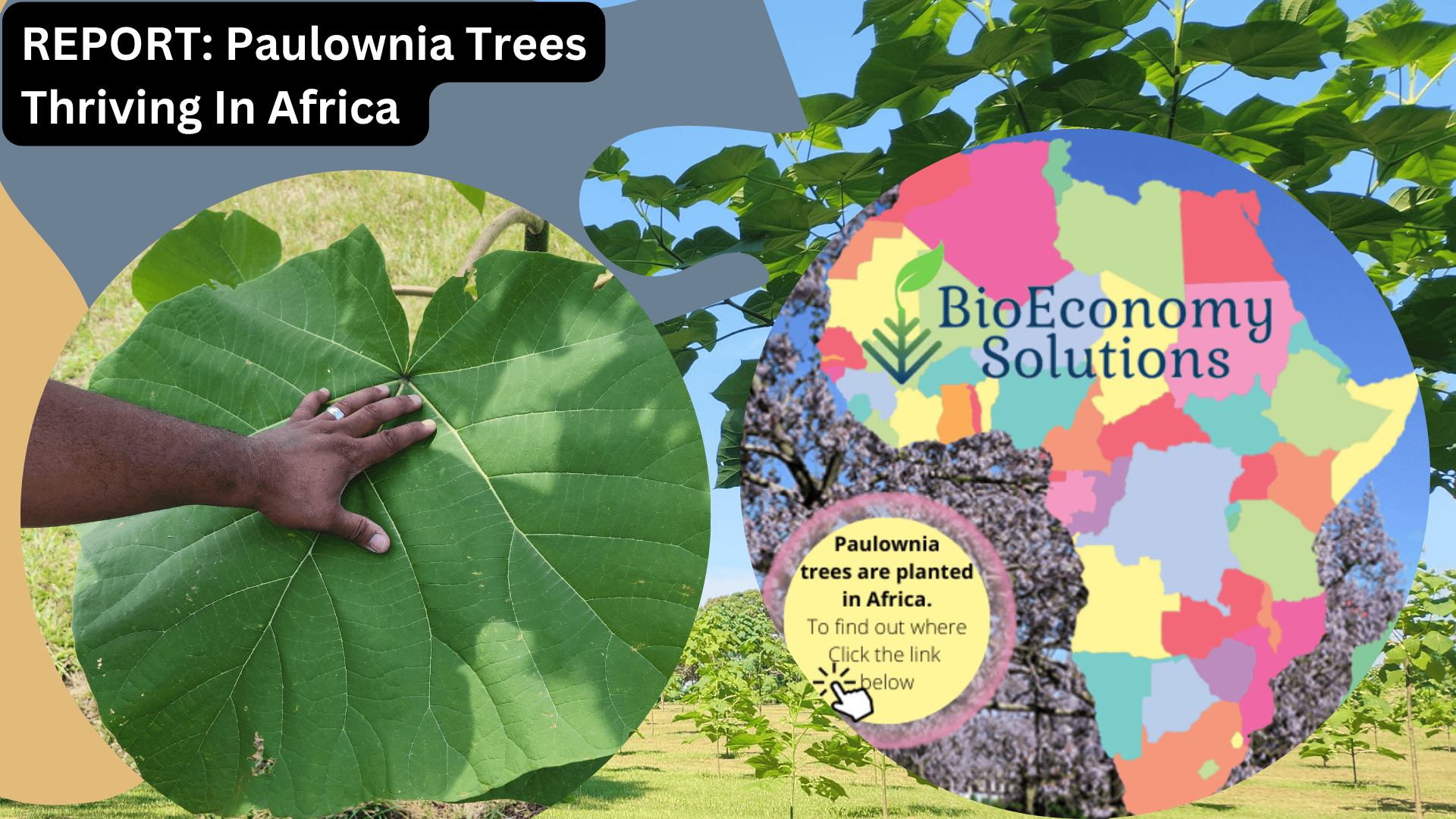
African paulownia tree farms are thriving! These initiatives were brought on by high temperatures and extreme drought. These efforts transform the area into a environment in the short term creating new jobs, cooling the environment and much more.

What Are Paulownia Trees?

Our hybrid Paulownia key benefits:

  • Fast growing
  • High-yield
  • Non-invasive
  • Non-GMO
  • Requires little water

Since 2012, our team has planted millions of Paulownia trees in the Gobi desert with great success.

Our Paulownia trees are a fast growing, high-yield, non-invasive, non-GMO hybrid. Paulownia tree that makes planet Earth a better place to live for all forms of life. Our hybrid paulownia tree is a trans-genera clone; it is not a genetically modified organism (GMO). As is the case with all trans-genera clones (example: peach x apricot = sterile nectarine), it is seed-sterile and therefore non-invasive.

Why Plant Paulownia

Planting paulownia trees promotes climate resilient investment across sub-Saharan Africa. These investment partnerships will provide policymakers with insights into where new infrastructure development can mitigate community vulnerabilities in .

Prosperity comes in the forms of monthly stipends for workers and those funds and sustainable ecology promote wealth in more ways than one for the local populations.

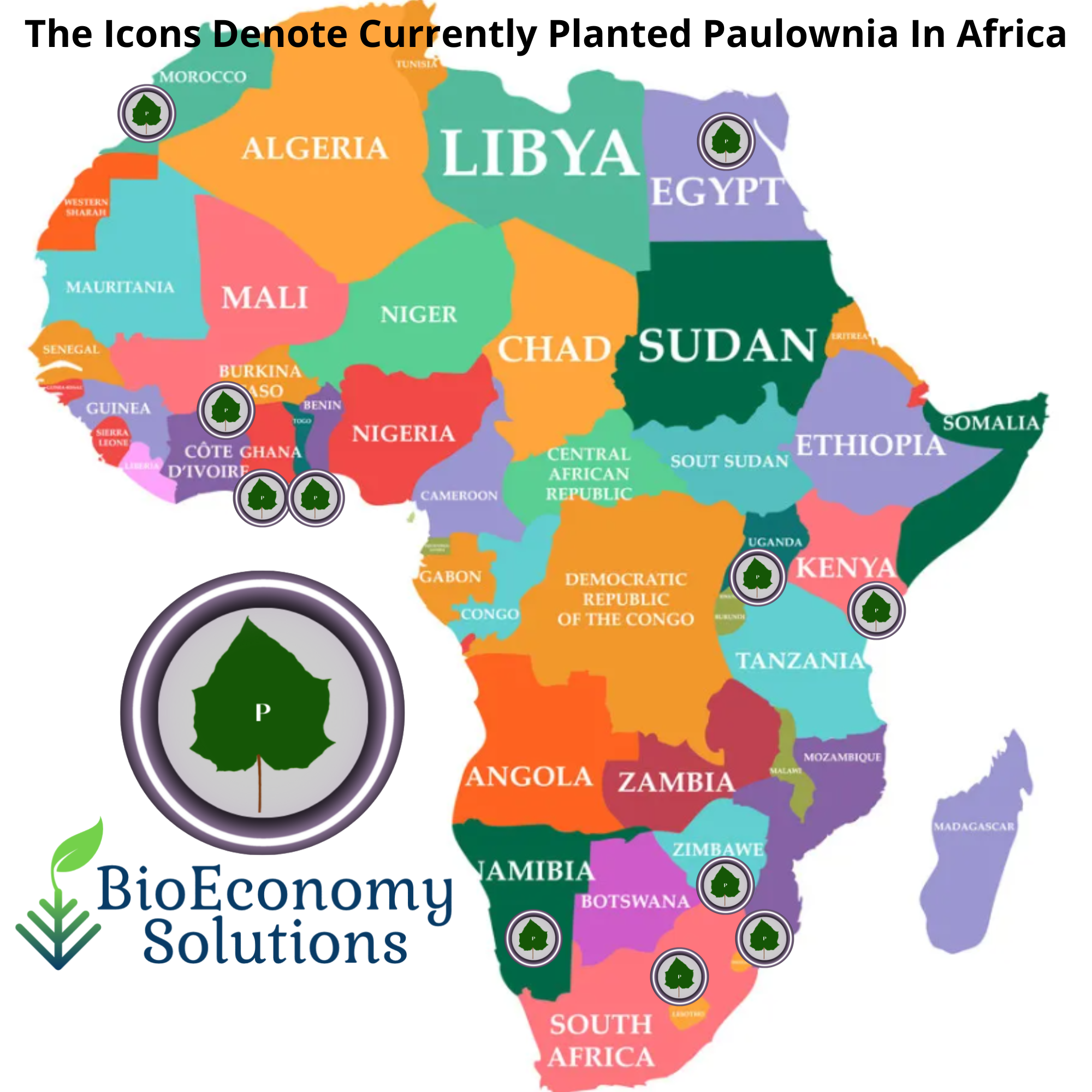
African countries with paulownia trees growing currently include:

  • Togo
  • South Africa
  • Kenya
  • Uganda
  • Morocco
  • Ghana
  • Namibia
  • Lesotho
  • Burkina Faso
  • Zimbabwe
  • Eswatini
  • Egypt

According to the United Nations there are 54 countries in Africa today. See the full list with current population and sub-region (based on the United Nations official statistics). So far 12 countries in Africa have planted paulownia trees, this is a good start but we can do so much more.

Together, these characteristics make the paulownia an ideal tree to grow for both economic and environmental reasons.

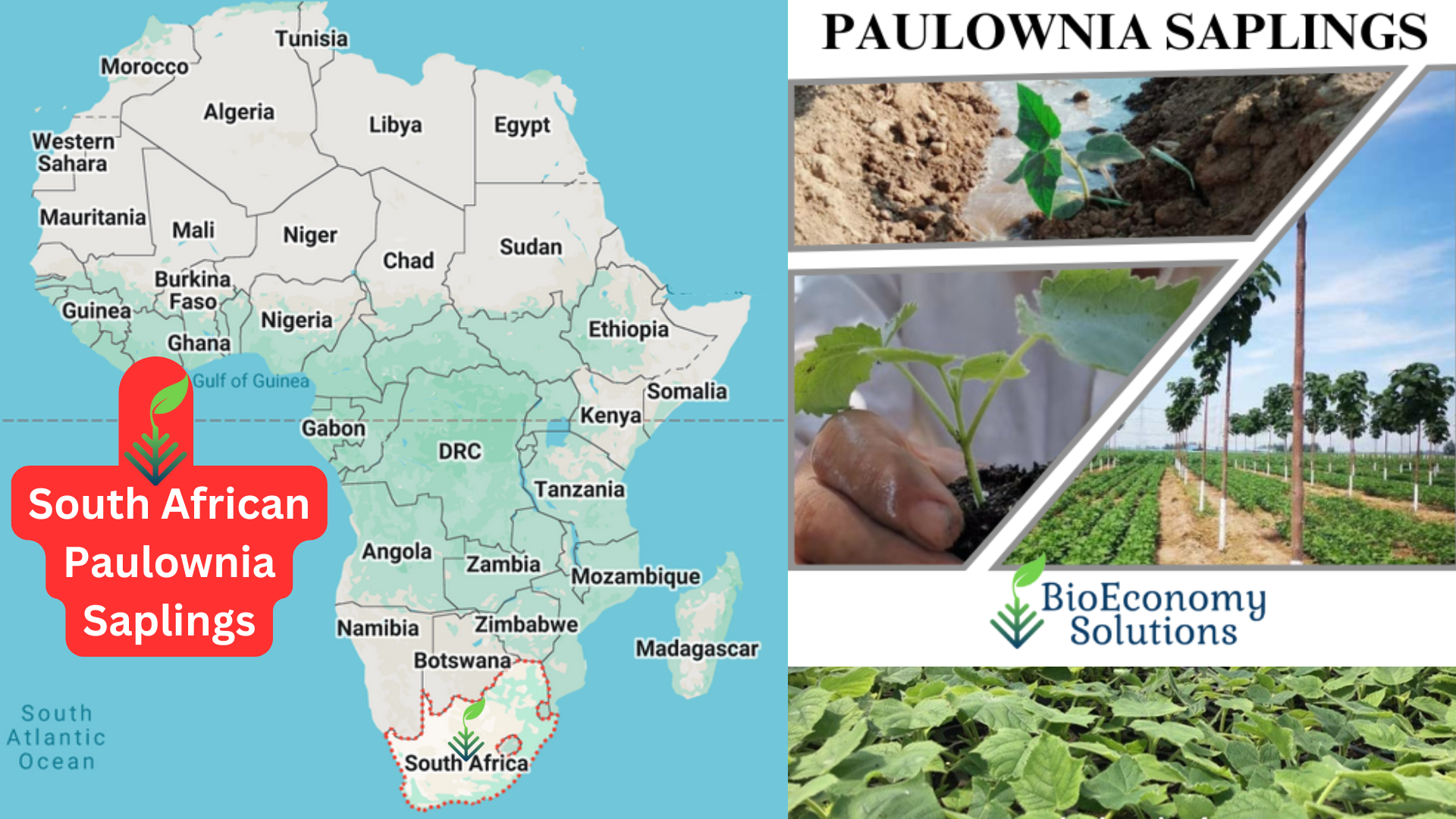
Want to purchase paulownia saplings for your project located In Africa? Have a reforestation or afforestation project? Contact us for more information.

Contact Us for details. Office: 843.305.4777 | Email: mail@bioeconomysolutions.com Here’s a link to our online calendar, schedule a conference call with us: https://info586.youcanbook.me

Learn more about South African drought tolerant hybrid species here: https://www.linkedin.com/pulse/south-african-paulownia-saplings-sale-victor-garlington-8kelc/