Ode To Legendary Rod Mortenson Owner of The Paulownia Barn.
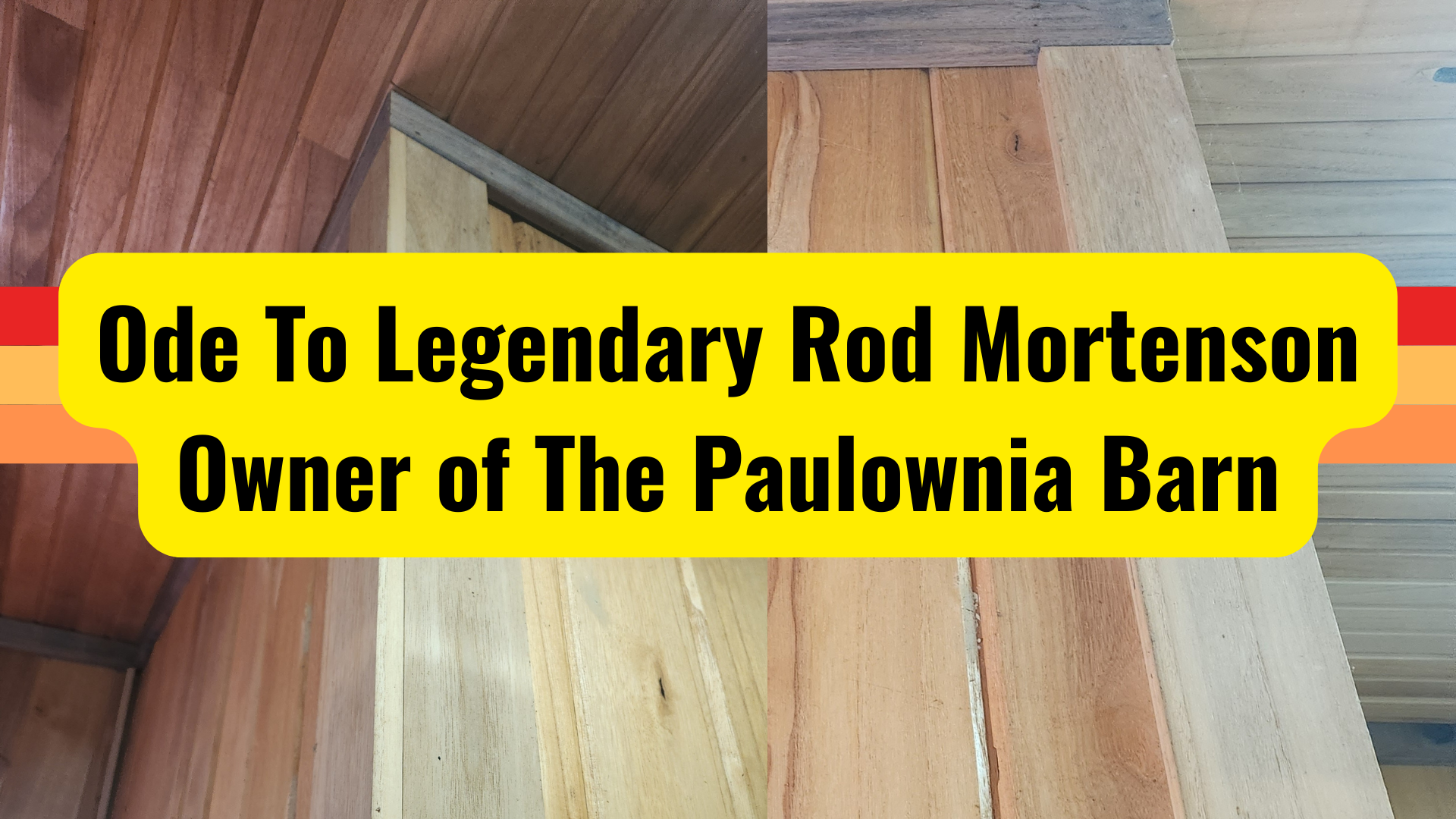
Who Is Rod and what has he done single handedly for the USA Paulownia Lumber Scene? Rod Mortenson is the RETIRED owner of “The Paulownia Barn”.
Rod’s Paulownia Quick Wood Working Summary
He sent this out for inquiries:
Working With Paulownia
Introduction: Although Paulownia is relatively new to the U.S. it has been cultivated in Japan and China for many centuries. The Paulownia tree is a very fast-growing hardwood that has a very negative carbon footprint and is quite possibly the most sustainable tree on earth-and it produces beautiful lumber.
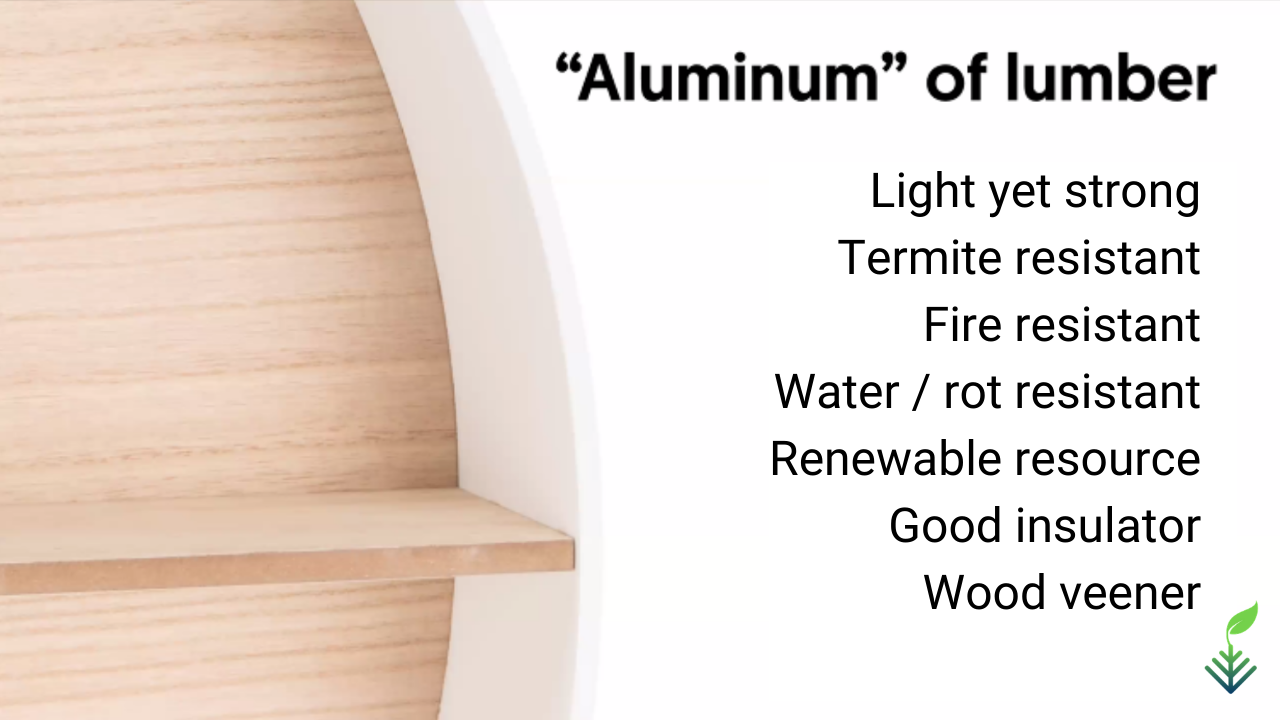
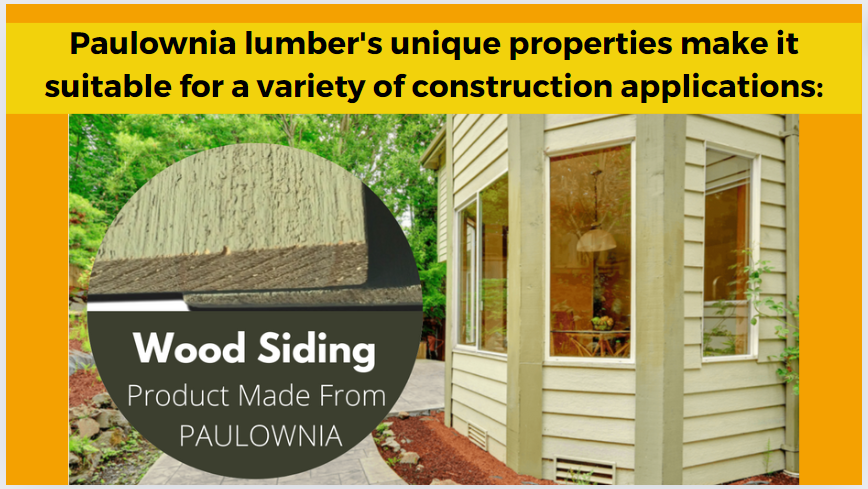
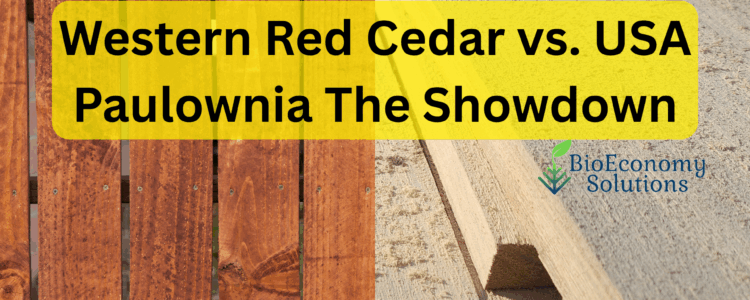
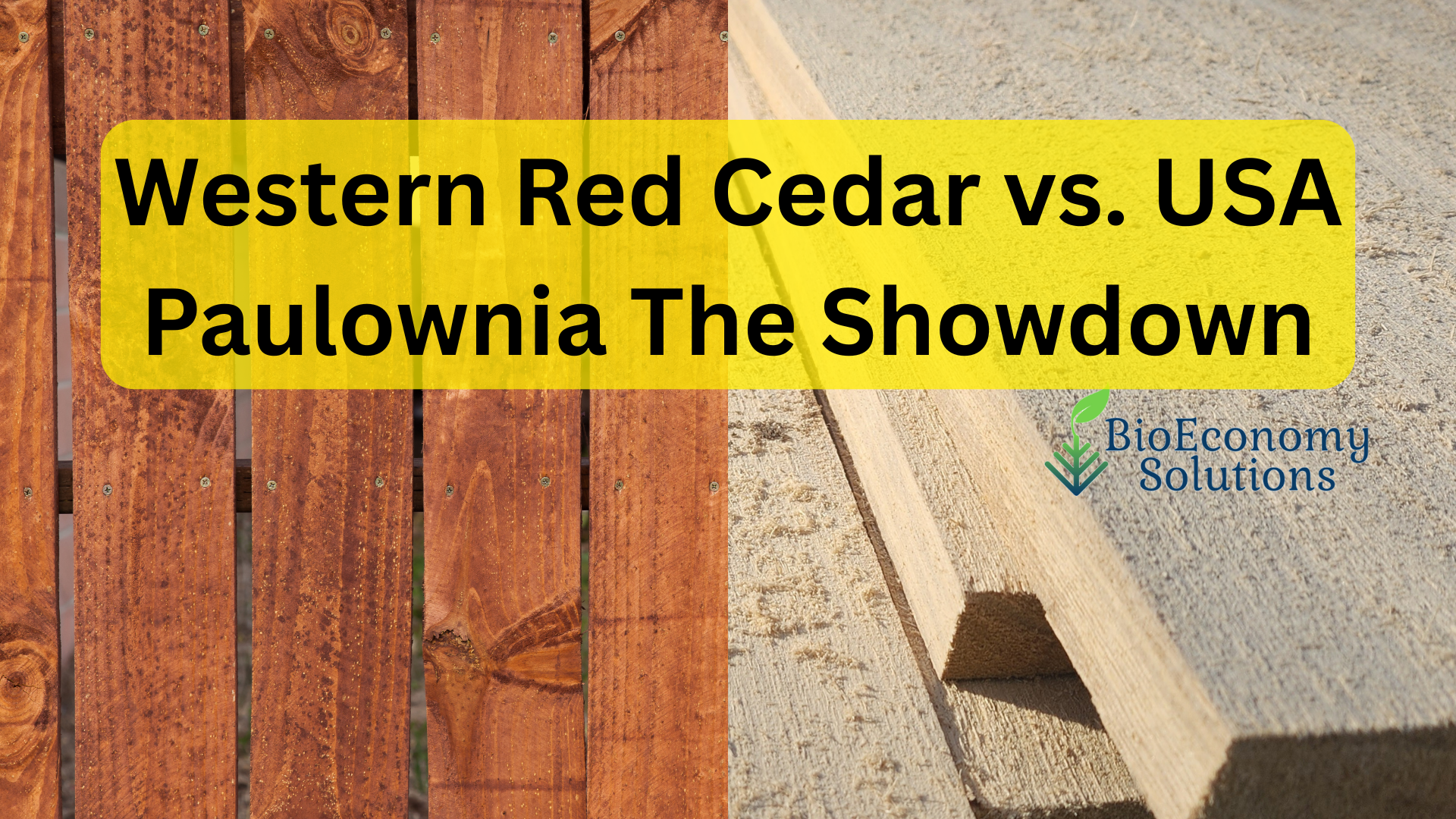
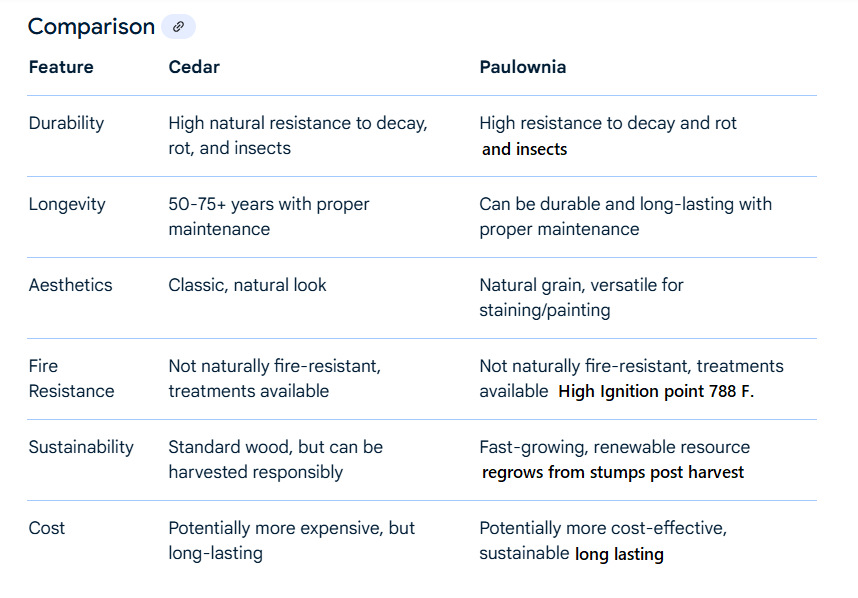
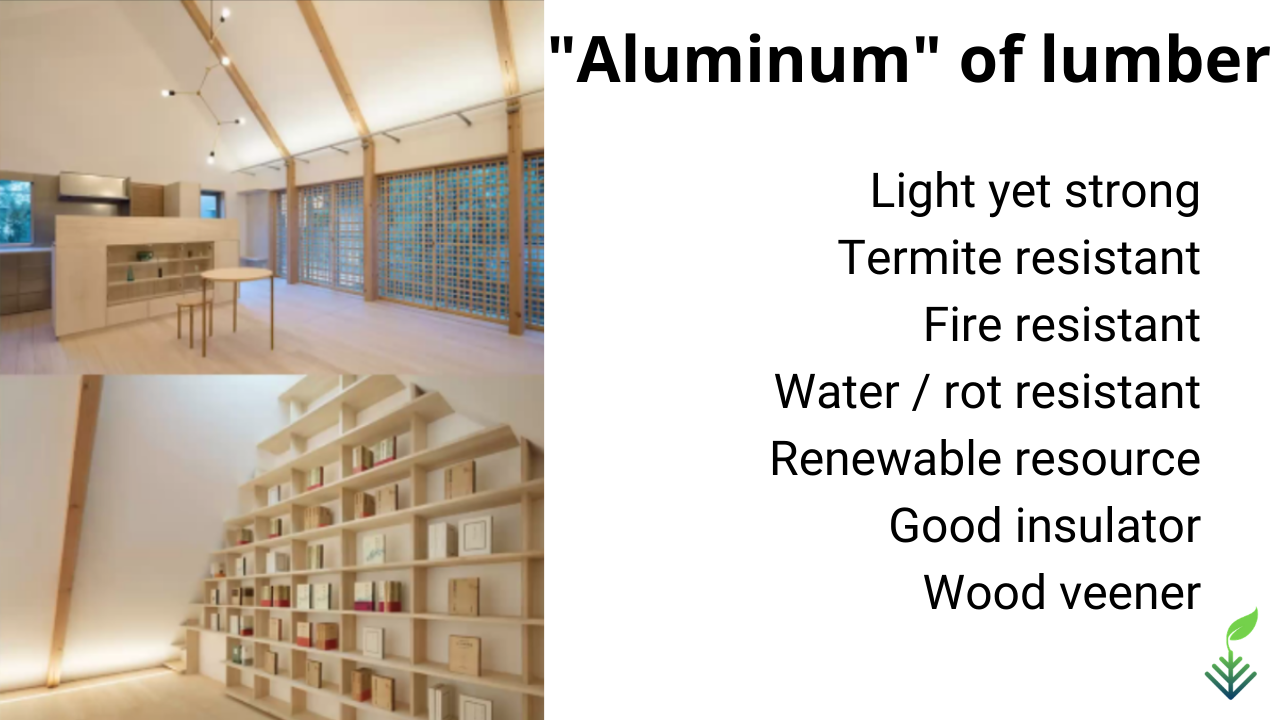
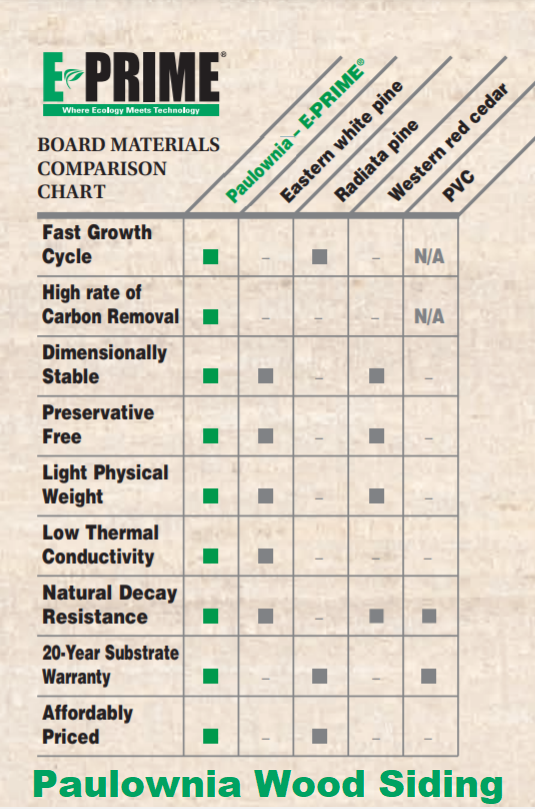
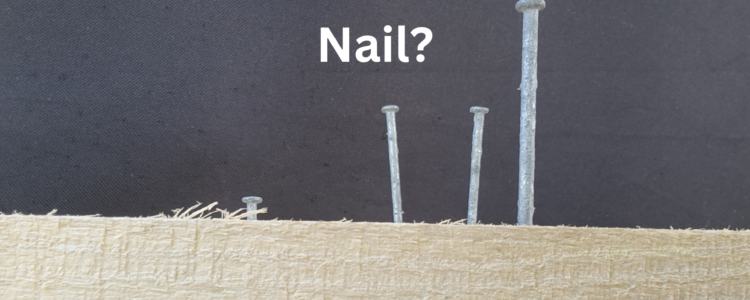
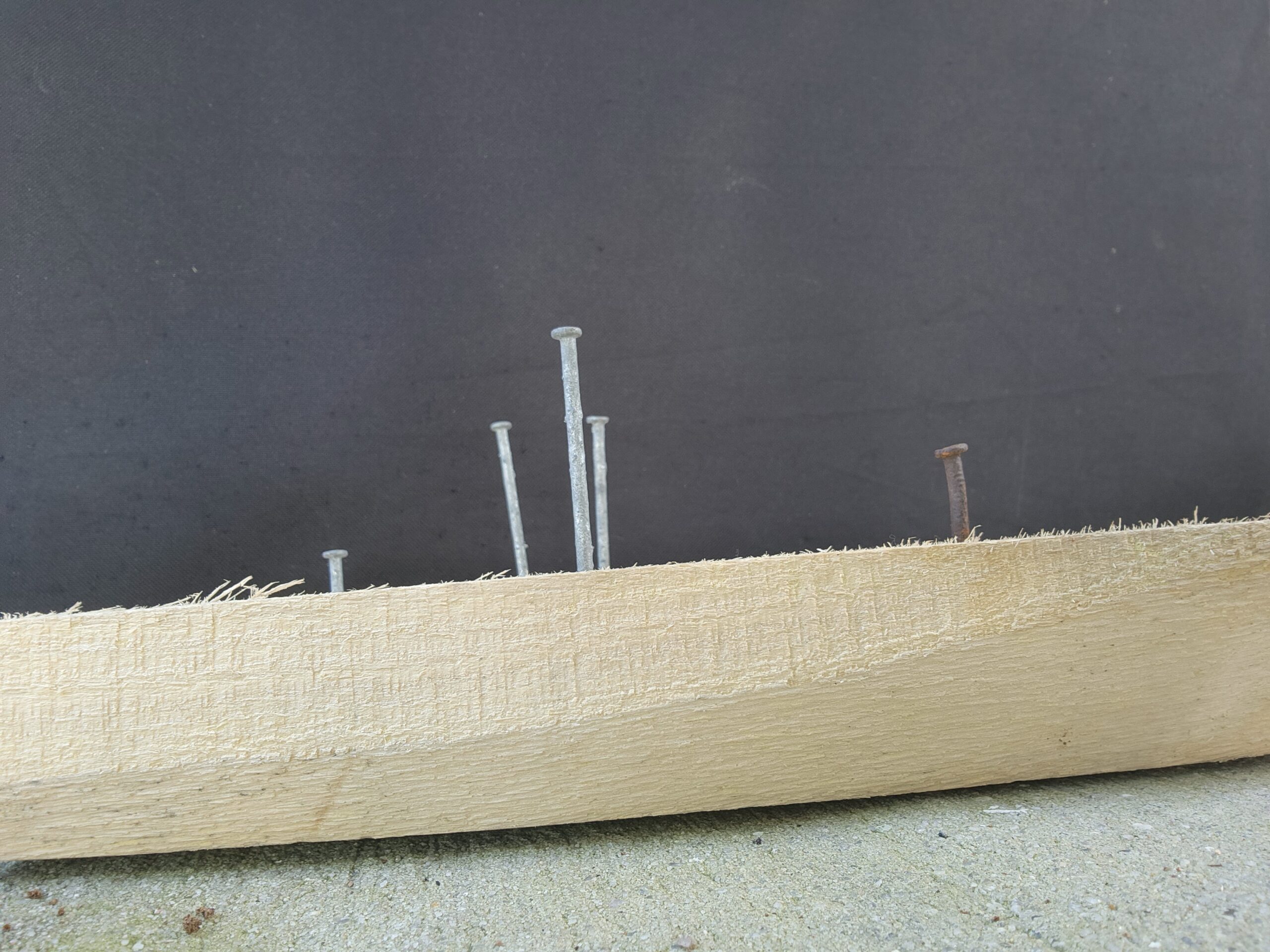
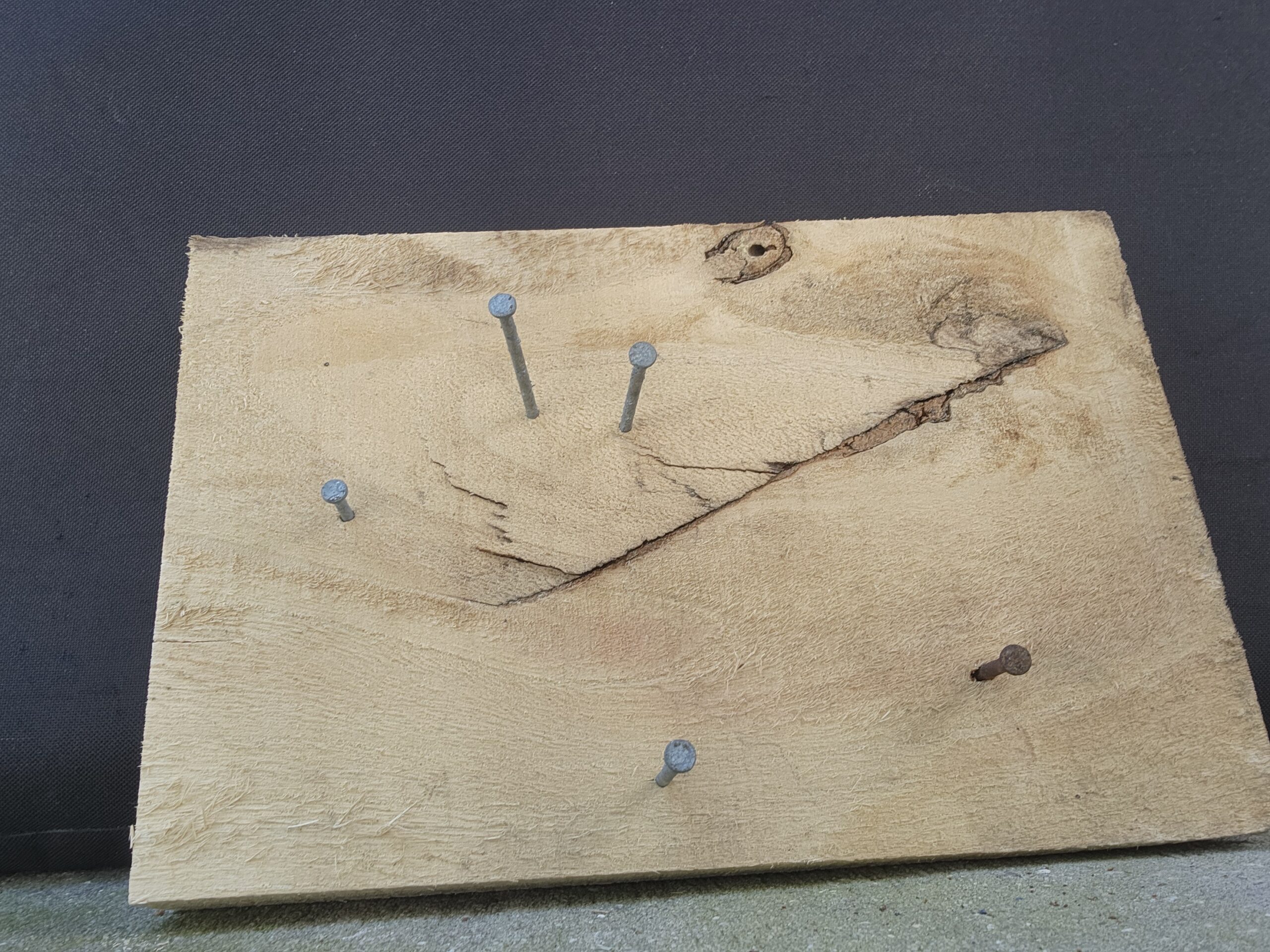
Lumber Characteristics: At only 14-19 pounds per cubic foot, the density of Paulownia is only about 1/3 the density of oak and half the density of pine. And, though it is light, it has a modulus of rupture roughly equivalent to Western Red Cedar-giving it one of the highest known strength to weight ratios for any wood. It is quite stable dimensionally after drying and is both weather and bug resistant. The lumber has a beautiful light color and open grain-somewhat like ash. When it is dry, it is very easily machined (and easy on your tools) and it takes fasteners well without the need to drill pilot holes. Paulownia is resistant to splitting when fastening, even near the end of a board. It glues very well and takes finishes and stains equally well. It is, however, a soft hardwood and will dent if subjected to sharp impact.
Paulownia Uses: For centuries, Japanese craftsmen have considered Paulownia to be the wood of choice for crafting fine furniture, musical instruments and carvings. Increasingly, American craftsmen are choosing Paulownia lumber for those and other purposes. It has been used for furniture, solid-body electric guitars, dulcimers, harpsichords and other musical instruments. It is also excellent for use in marine applications, including; boats, canoes, kayaks, paddles and surfboards. Scroll-saw hobbyists have learned that Paulownia can be sawn into intricate patterns almost effortlessly and turners have found that Paulownia makes beautiful (and incredibly light) bowls, pepper mills and spindle works.
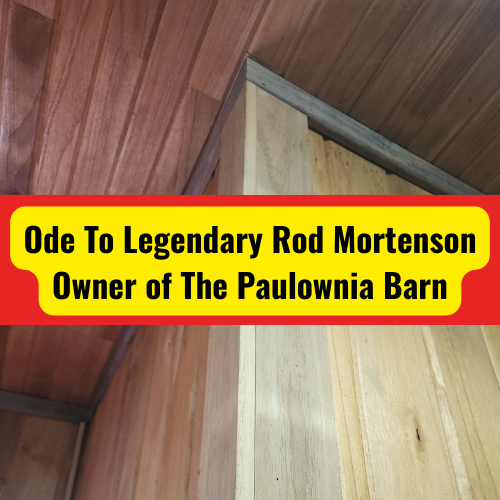
Working With Paulownia
In over 30 years of woodworking, I have never found a wood more pleasurable to work with than Paulownia. However, as with any wood, knowing what makes the wood happy (and unhappy) will make your woodworking experience much more fun and profitable. Here are some things I have learned:
- ✅ Paulownia machines very easily-however, your cutting tools (including sandpaper) must be sharp.
- ✅ When turning or carving the wood, always make sure that you are cutting against supported fibers-in other words, always cut downhill and, again, make sure that your tools are sharp.
- ✅ When sanding, let the sandpaper do the work. Because the inter-annular (early growth) rings are much softer than the annular (late growth) rings, it is best to avoid soft foam-backed sanding pads. Using flexible sand paper holders (including your hand) will often result in the “starved horse effect.” For flatwork, a hard rubber sanding pad or a scrap block of wood works just fine. For sanding on the lathe, power sanding with a drill, a sanding pad and a light touch will give excellent results. Properly sanded Paulownia has a smooth, satiny feeling like no other wood that I know of.
- ✅ Paulownia takes stains and dyes incredibly well. However, water-base stains and dyes should not be applied without pre-sealing the wood because they will raise the grain. I have used water-base stains with the manufacturer’s pre-sealer with good results, but I prefer to simply stick with oil-based stains and alcohol-based (aniline) dyes.
- ✅ As with many open-grained woods, it is best to seal the wood before finishing it. Any finish that produces a nice finish on other open-grained woods will work well with Paulownia.
- ✅ Paulownia is somewhat easily dented. If you want a finish that will take abuse, simply apply a low-viscosity marine epoxy for your first two coats of finish with a wet 320 or 400 grit sanding after each coat. Then apply your finish of choice over the epoxy. If your project will be exposed to much sunlight, it is best to use a final finish with UV inhibitors to keep UV from degrading the epoxy.
- ✅ Paulownia is wonderful wood to work with….SO ENJOY IT!!
About The Paulownia Barn
About the author. Rod Mortenson is a retired engineer, avid woodworker and the RETIRED owner of the Paulownia Barn, LLC.
Rod is an amazing guy that really loves his work and his product. More importantly to us at BioEconomy Solutions, Rod is a friend, mentor and “Christian” brother.
Where To Buy USA Paulownia Lumber?
Need paulownia for your next project?
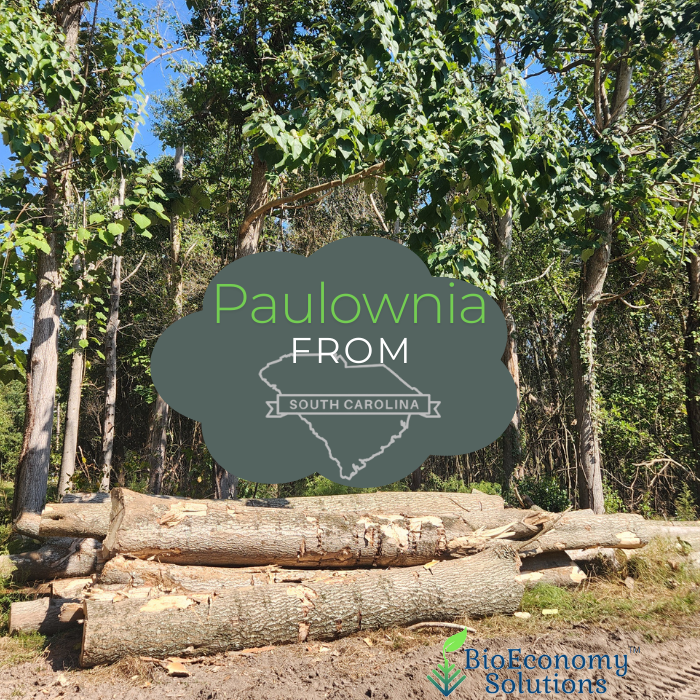
Where to buy paulownia? We’re harvesting our mature U.S. South Carolina Paulownia Timber and have millions of board foot available. We can mill lumber for your business needs. Contact Us for details. Office: 843.305.4777 | Email: mail@bioeconomysolutions.com Here’s a link to our online calendar, schedule a conference call with us:
USA Paulownia Wood Lumber For Sale – Need paulownia wood lumber for your next project? https://bioeconomysolutions.com/paulownia-lumber/
You will discover that paulownia wood is the “Light Strong Alternative Wood” used in many processes to obtain many types of products.
Weather you are a hobbyist or full time manufacturing company, paulownia wood grown in South Carolina USA may be a new expression of your talent.
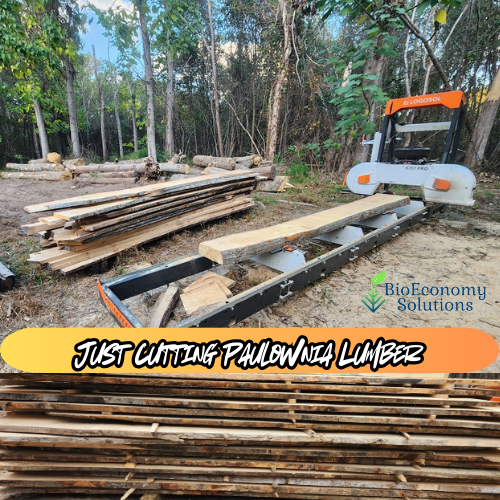
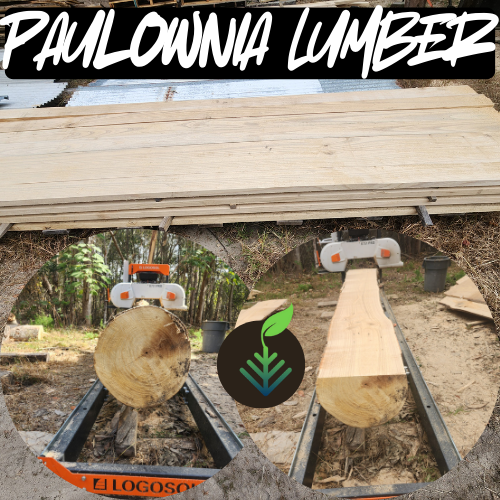
We sell Custom Paulownia boards: rough sawn or planed, we offer various sizes and thicknesses. Our Paulownia boards are processed using sustainable Paulownia hardwood grown right here in South Carolina USA.
If you’re interested in paulownia, want to grow or currently growing, Subscribe to our newsletter:https://bioeconomysolutions.com/carbonreport
LIKE|SHARE|COMMENT