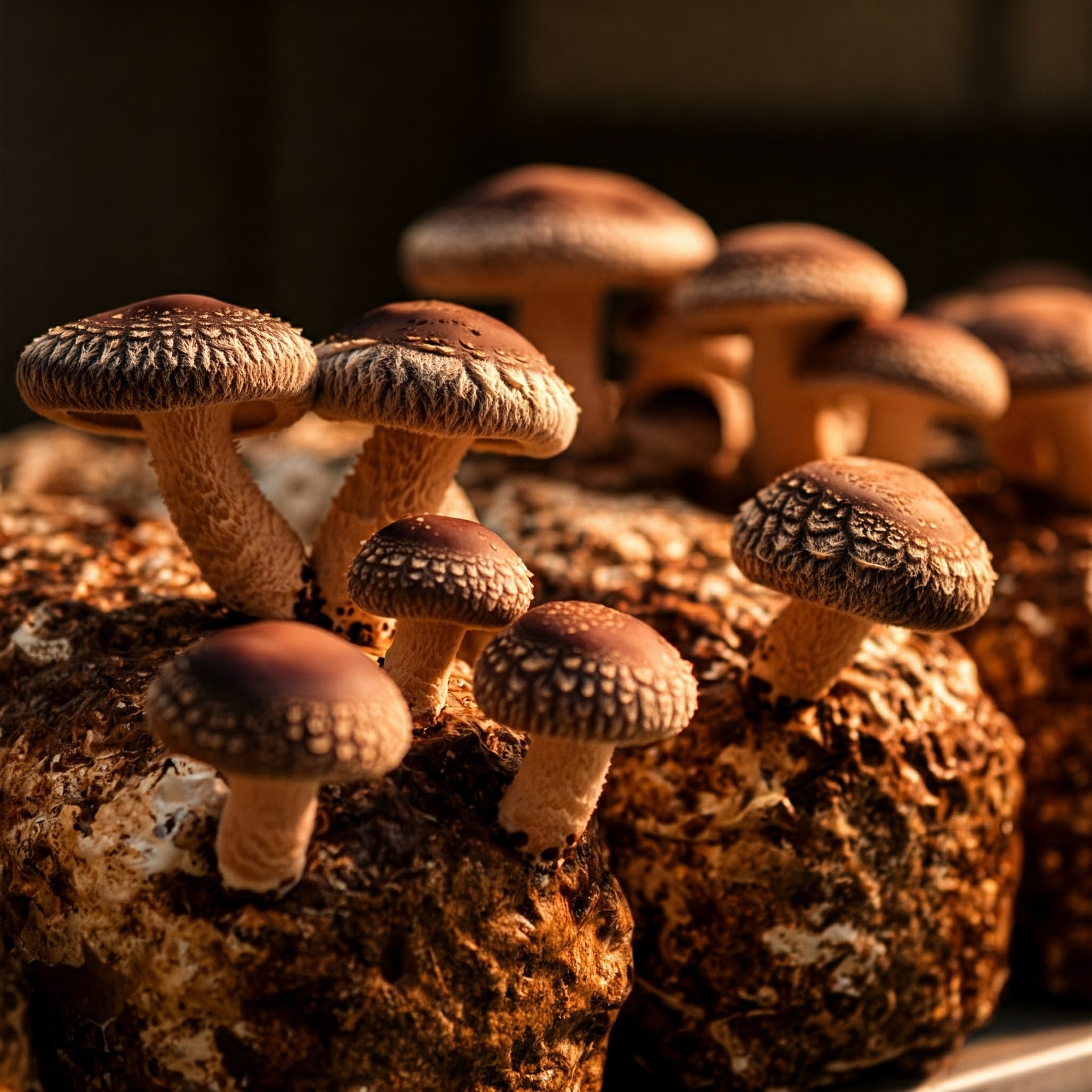
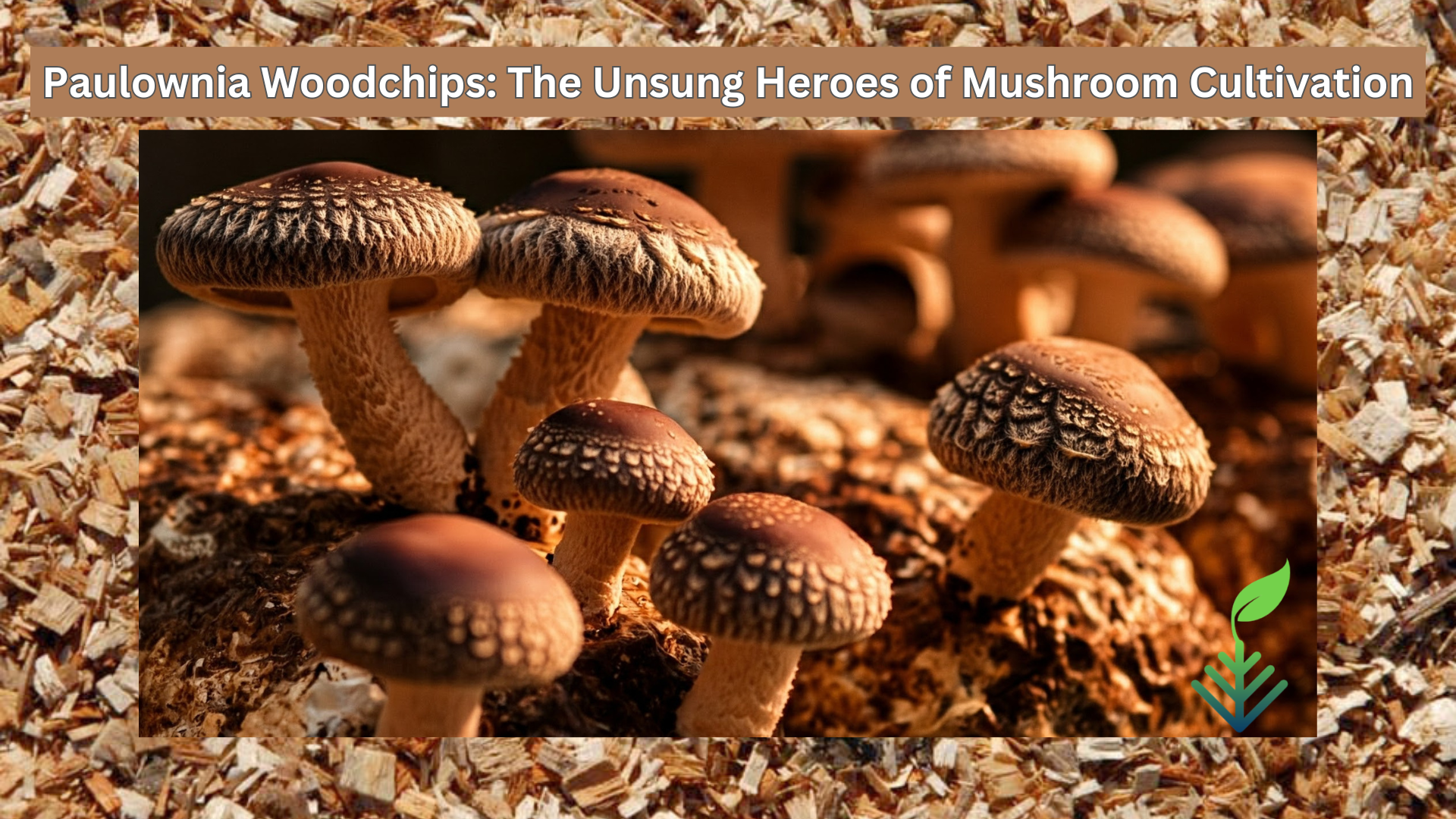
When you think of mushrooms, you might picture the fruiting bodies popping up from the forest floor, rotted logs or a neatly packaged container at your favorite grocery store. But behind those delicious fungi lies a fascinating world of cultivation, and Paulownia Woodchip fiber plays a starring role.

Why Paulownia Woodchips?

Mushroom cultivation requires a substrate, a material that provides nutrients and support for the growing mycelium (the network of fungal threads). Paulownia Woodchips have emerged as a favorite substrate for many mushroom growers, and here’s why:

  • Nutrient-rich: Paulownia Woodchips contain lignin and cellulose, complex carbohydrates that many mushroom species can break down and utilize for growth.
  • Regionally available: Paulownia Woodchips are often a byproduct of the forestry and lumber industries, making them a cost-effective and sustainable option for growers.
  • Excellent moisture retention: Paulownia Woodchips hold moisture well, creating a humid environment that is ideal for mushroom growth.
  • Good aeration: The spaces between Paulownia Woodchips allow for proper air circulation, which is essential for healthy mycelium development.
  • Versatile: Paulownia Woodchips differ from other hardwood species like oak. Chips from softwoods like pine and fir, can be used to cultivate a variety of mushroom species.
What Is Paulownia?

The first thing is to answer the question of what is Paulownia? The paulownia tree is one of the fastest growing trees on earth. Once harvested, you do not have to replant it as it will regrow new shoots from the stumpage.

How Paulownia Woodchips are Used:

  • Substrate preparation: Paulownia Woodchips are typically sterilized or pasteurized to eliminate competing fungi and bacteria. They may also be supplemented with other materials, like bran or gypsum, to provide additional nutrients.
  • Inoculation: The prepared woodchip substrate is inoculated with mushroom spawn (a material containing the mycelium of the desired mushroom species).
  • Incubation: The inoculated substrate is kept in a controlled environment to allow the mycelium to colonize the Paulownia Woodchips.
  • Fruiting: Once the substrate is fully colonized, environmental conditions are adjusted to trigger the formation of mushrooms.

Benefits of Using Paulownia Woodchips:

  • Sustainable cultivation: Utilizing Paulownia Woodchips as a substrate promotes sustainable forestry practices and reduces waste.
  • High yields: Paulownia Woodchips can support robust mushroom growth, leading to high yields for growers.
  • Versatility: A wide range of mushroom species, including shiitake, oyster, and lion’s mane, can be cultivated on Paulownia Woodchips.
  • Cost-effective: Paulownia Woodchips are often a more affordable substrate option compared to other materials
Beyond the Basics:

  • Specialty mushrooms: Some gourmet mushrooms, like reishi, shiitake and maitake, thrive on hardwood Paulownia Woodchips.
  • Indoor cultivation: Paulownia Woodchips can be used for outdoor mushroom cultivation, creating mushroom beds
  • Home growing: Paulownia Woodchips are a popular choice for home mushroom growers due to their accessibility and ease of use.

The Future of Paulownia Woodchips in Mushroom Cultivation:

As the demand for mushrooms continues to grow, Paulownia Woodchips are likely to remain a key substrate for cultivation. Ongoing research is exploring ways to optimize woodchip substrate preparation and enhance mushroom yields. The use of Paulownia Woodchips in mushroom cultivation not only provides a sustainable and efficient growing method but also contributes to a more circular economy by utilizing a valuable byproduct of the forestry industry.


Want To Buy Paulownia Wood Chips?

Contact Us!

Where To Buy Paulownia Wood Chips? Paulownia Wood Chips For Sale – QUESTIONS?

Visit our web page. https://bioeconomysolutions.com/paulownia-lumber/

We’re happy to organize a time to speak with you about our paulownia wood chips and lumber we have for sale. Please book your preferred time to speak directly.

Here’s a link to my online calendar/schedule:

www.bioeconomysolutions.com/bookcall

BioEconomy Solutions

mail@BioEconomySolutions.com

Office: 843.305.4777
 

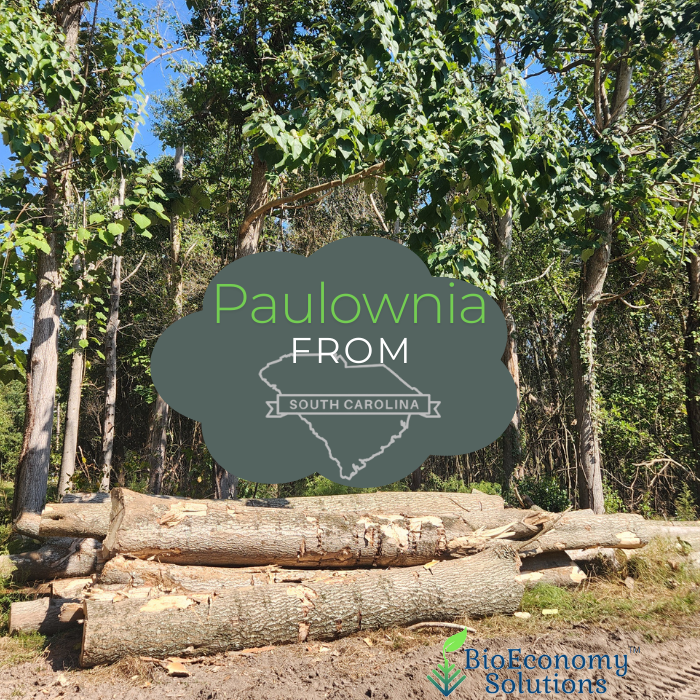
USA PAULOWNIA LUMBER GROWN IN SOUTH CAROLINA

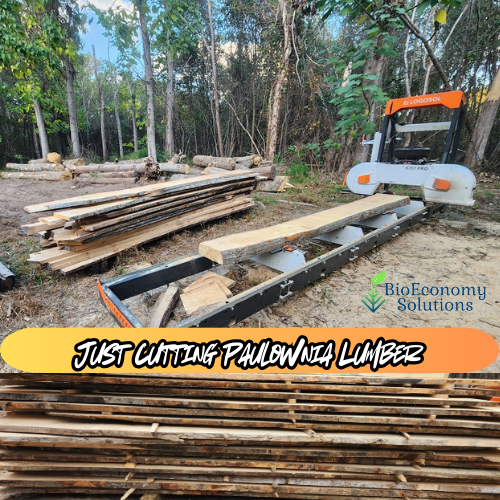
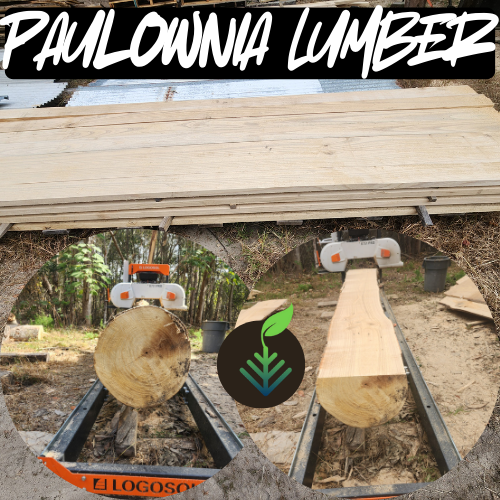
We have some fresh slabs that are drying and ready for milling. South Carolina grown Paulownia tree lumber which is #sustainable, light & strong!

Let us know when you are ready for your lumber?

Learn More About Paulownia Hardwood Lumber For Sale Here:

https://bioeconomysolutions.com/paulownia-lumber/

Paulownia Hardwood Lumber Pricing: Visit our paulownia lumber page on this site.

We also sell Custom Paulownia boards: rough sawn, and we offer various sizes and thicknesses. Paulownia timber and slabs available also, please let us know if we may assist you with your next paulownia lumber project.

Shipping:

You can send us a shipping label from your preferred carrier or call us for a shipping quote.
You can ship lumber as long as 96” with standard ground carriers, such as FedEx or UPS. You can also ship it via USPS if it’s under 72” in length. If your lumber is any longer than that you’ll have to use LTL truck freight. Keep in mind that LTL truck freight isn’t very economical for shipments under 150 lbs. We ship by rail or shipping container overseas as well.

I’m happy to organize a time to speak with you. Please book your preferred time to speak directly.

Here’s a link to my online calendar/schedule:
www.bioeconomysolutions.com/bookcall

Send us an email or call:

BioEconomy Solutions
Mail@BioEconomySolutions.com
Office: 843.305.4777
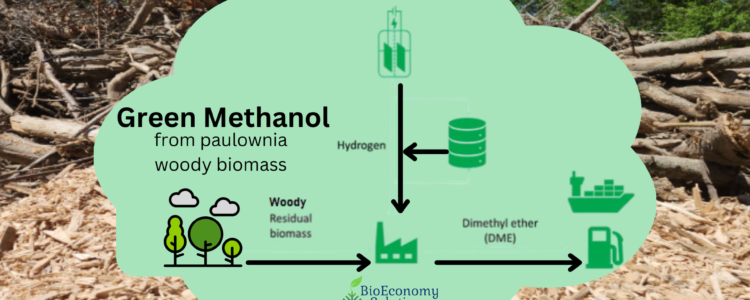
Green Methanol Woody Biomass
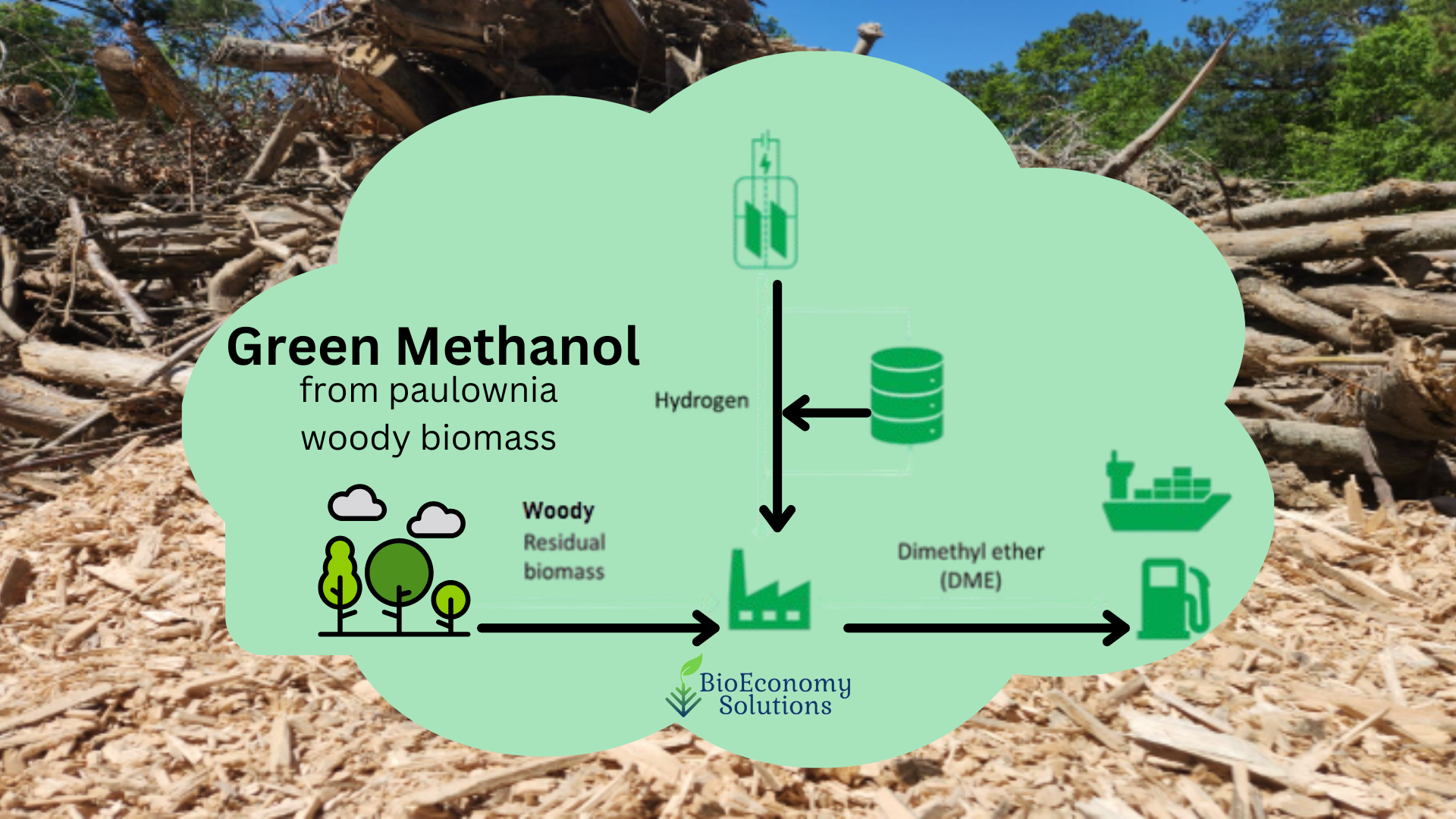
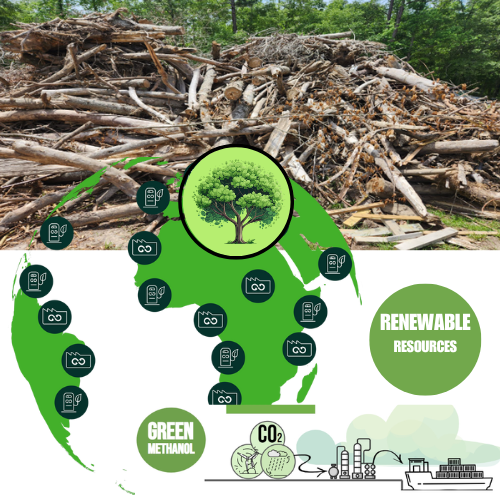
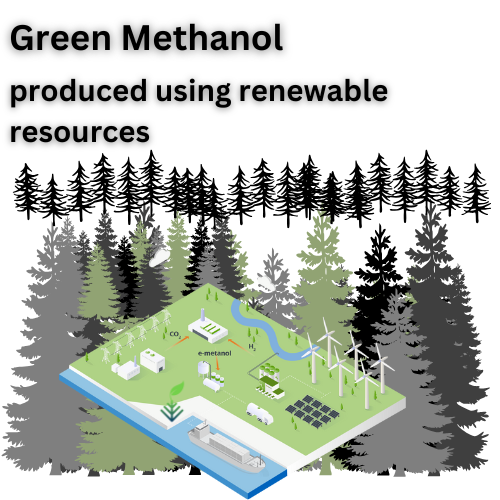
Green methanol from paulownia woody biomass is a promising sustainable alternative to fossil-fuel-derived methanol. Green methanol is produced using renewable resources and has the potential to significantly reduce greenhouse gas emissions. Here’s a breakdown of the process and its benefits:

Production Process:
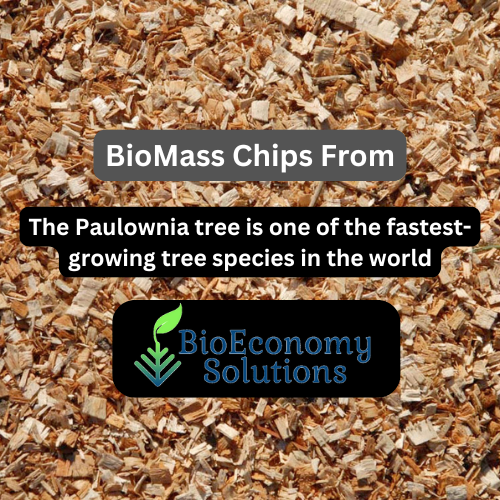
Wood Chips BioMass: BioMass Chips From https://www.linkedin.com/pulse/fast-growing-purposed-grown-paulownia-biomass-victor-garlington-3ride/

The Paulownia tree is one of the fastest-growing tree species in the world, capable of growing up to 10-15 feet in a single year under ideal conditions. With a potential biomass yield of up to 150 tons per acre per year, this tree offers an abundant, renewable feedstock.

Biomass Gasification: Paulownia Woody biomass, from forest residues, wood chips, or dedicated energy crops, is heated in a controlled environment with limited oxygen. This process converts the biomass into a synthesis gas (syngas), primarily composed of hydrogen, carbon monoxide, and carbon dioxide.

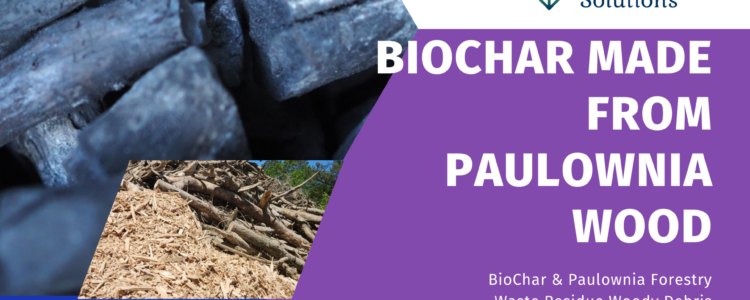
BioChar Production: Utilizes pyrolysis to produce biochar and has numerous benefits to the environment and the bottom line. This process emits syngas. What is biochar? https://bioeconomysolutions.com/what-is-biochar/

Syngas Cleaning and Conditioning: The syngas is cleaned to remove impurities like tar and adjusted to the proper hydrogen-to-carbon monoxide ratio (2:1) for methanol synthesis.

Methanol Synthesis: The purified syngas is then reacted over a catalyst at elevated temperatures and pressures to produce methanol.

Methanol Purification: The raw methanol is purified to remove any remaining impurities and achieve the desired quality.

Benefits of Green Methanol from Woody Biomass:
Renewable and Sustainable: paulownia woody biomass is a renewable resource that can be sustainably sourced, reducing reliance on fossil fuels.

Reduced Greenhouse Gas Emissions: Compared to conventional methanol production, this process can significantly reduce greenhouse gas emissions. The biomass feedstock absorbs carbon dioxide during growth, creating a closed carbon loop.

Energy Security: Utilizing domestic paulownia woody biomass resources can enhance energy security and reduce dependence on foreign oil.

Economic Development: It can create jobs and stimulate economic growth in rural areas with abundant biomass resources.

Versatile Applications: Green methanol can be used as a fuel in various applications, including transportation, power generation, and the production of chemicals and plastics.

Growing Green Methanol Market

Multiple companies and research institutions are actively involved in developing and commercializing green methanol production from paulownia woody biomass.

Feedstock Availability: Ensuring a sustainable and reliable supply of paulownia woody biomass can be challenging, especially when considering competition with other biomass uses like bioenergy or biofuels. Fast growing purpose grown paulownia biomass ensures biomass feedstock availability for the market.

Production Costs: Currently, green methanol production from paulownia woody biomass can be more expensive than conventional methanol. However, advancements in technology and economies of scale are expected to reduce costs in the future.

Infrastructure: Existing infrastructure for methanol production and distribution may need to be adapted or expanded to accommodate green methanol in certain market places.

Scale-up: The main bottleneck for near-future scaling is the capacity to construct new bio-methanol production facilities

Overall, green methanol from paulownia woody biomass represents a promising pathway towards a more sustainable and decarbonized energy future. Green methanol produced from paulownia woody biomass and other renewables could fuel a growing percentage of vehicles and ships in the coming decades.

As technology advances and production costs decrease, it has the potential to play a significant role in various sectors, reducing our reliance on fossil fuels and mitigating climate change.

CONTACT US

Visit us at: https://bioeconomysolutions.com/paulownia-carbon-credits/ Let’s chat about Fast Growing Purposed Grown Paulownia BioMass solutions for sustainable Forest carbon credits projects.

Where to buy paulownia? We’re providing new paulownia trees from our U.S. South Carolina Paulownia tree farm facility.

Contact Us for details. Office: 843.305.4777 | Email: mail@bioeconomysolutions.com Here’s a link to our online calendar, schedule a conference call with us: www.bioeconomysolutions.com/bookcall
LIKE|SHARE|COMMENT

Enjoy this article? You may also enjoy “Carbon Mining: Green Opportunity Turns To Paulownia Treeshttps://www.linkedin.com/pulse/carbon-mining-green-opportunity-turns-paulownia-trees-garlington-895se/

WHAT IS PAULOWNIA?

The first thing is to answer the question of what is Paulownia ? The paulownia’s tree is one of the fastest growing trees on earth. Once harvested, you do not have to replant it as it will regrow new shoots from the stumpage. It’s a leafy fast growing tree that belongs to the family of paulowniaceae, it is one of the deciduous trees leaf. It has its origin in Southeast Asia, specifically Chinese, it is also known as << Empress tree >>.

In Japan it is commonly known as kiri, reaches 15 feet in height in its first year, this type of development is more typical of a plant than a tree.

This fact has a positive impact on our planet, since it greatly helps to combat climate change for carbon projects which nowadays it’s something very valuable for a nature based solution.

The Paulownia Tree – A Green Giant Against Climate Change

A full growth paulownia tree captures 10 times more CO2 than the rest of the tree species thanks to its rapid growth.

On the other hand, the Paulownia tree has the reputation of being a miraculous tree because it purifies the soil where it anchors its roots and it is capable of sprouting up to seven times once it has been cut.

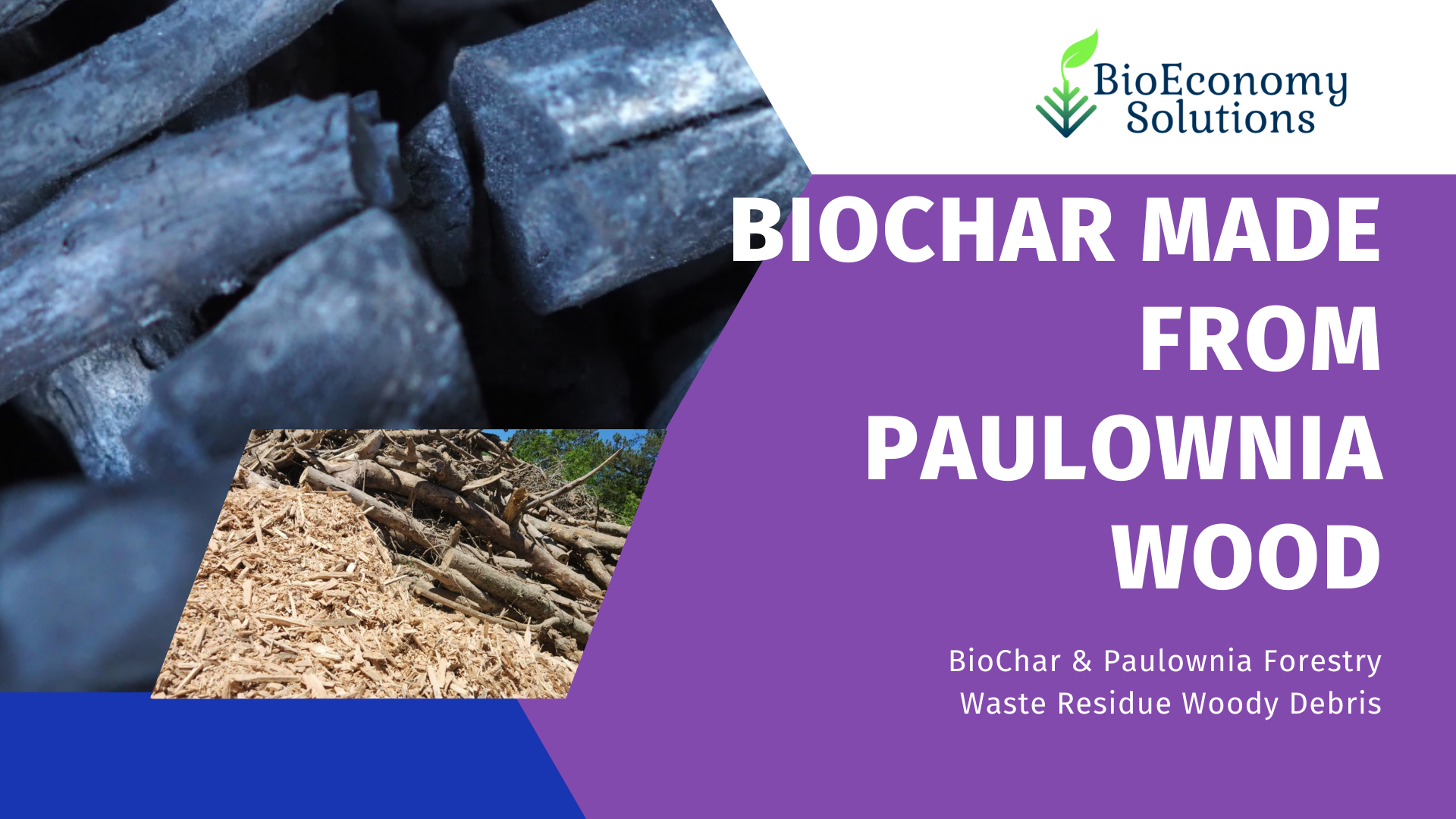
Paulownia BioChar Forestry Waste Residue Woody Debris

Biochar has emerged as the most accessible and scalable permanent CDR pathway, with a high TRL (tech readiness level) and low price Biochar is the most accessible, scale-ready CDR solution Biochar is the most accessible permanent engineered carbon removal method available today.

BioChar & Paulownia Forestry Waste

What is paulownia wood? https://bioeconomysolutions.com/what-is-paulownia-wood/

We’re happy to organize a time to speak with you about our paulownia trees and lumber we have for sale. Please book your preferred time to speak directly.

Here’s a link to my online calendar/schedule:

www.bioeconomysolutions.com/bookcall

BioEconomy Solutions

mail@BioEconomySolutions.com

Office: 843.305.4777
Visit us at: https://bioeconomysolutions.com/paulownia-carbon-credits/ Let’s chat about paulownia tree solutions for sustainable Forest carbon credits projects.

LIKE|SHARE|COMMENT

Enjoy this article? You may also enjoy “Carbon Developers Choose Paulownia Trees” https://www.linkedin.com/pulse/carbon-developers-choose-paulownia-trees-victor-garlington-imh4e/

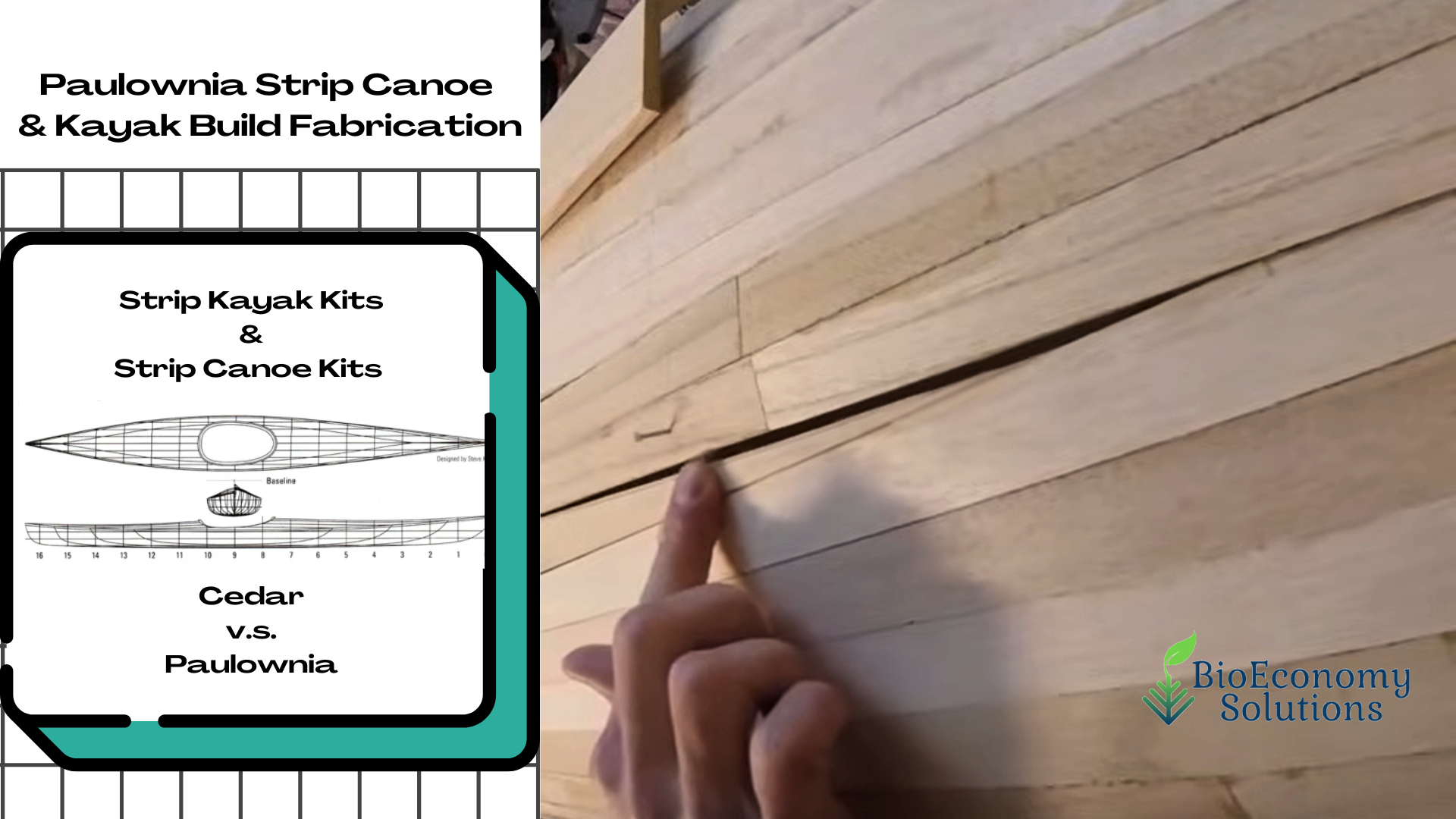
Ever consider a cedar strip canoe or kayak project? Have you also considered doing the same project with paulownia? Paulownia as a replacement for cedar? What is paulownia wood link?

A cedar strip canoe is made by assembling strips of wood over a wooden frame and they are fun DIY projects for skilled woodworkers. A quality cedar strip kayak kit or a
cedar strip canoe kit will guide you with various style designs, directions and give you’re a fun usable new toy after your finished 🙂

What is the best wood for a canoe strip?
Cedar is often used to make a wooden strip canoe but paulownia wood could also be used. Fiberglass coverings are also used to make it more durable and cut down on the required maintenance. 
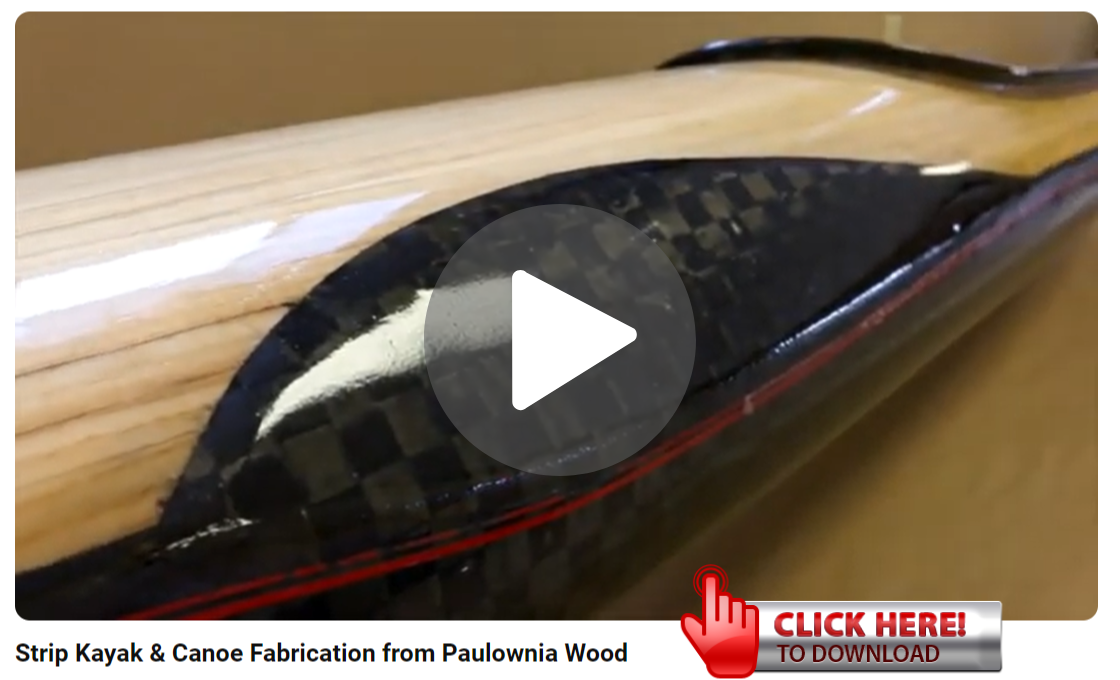
Video – Strip Kayak & Canoe Fabrication from Paulownia Wood
https://youtu.be/2CRfurszYVk?si=ft5ZmuawoTV5Yw8G


What is the weight of cedar v.s. paulownia?

  • Cedar is rated at 22 lbs per cubic foot – Janka Hardness: 320 lbf (1420 N)
  • Paulownia is rated at 18 lbs per cubic foot – Janka Hardness: 300 lbf (1,330 N)
  • Paulownia Wood Total = 18 % decrease in weight

White Cedar strip canoes & kayaks kits

Cedar is the usual goto wood for canoe ribs and planking. Its light weight, strength, flexibility and rot resistance can not be matched by any other except paulownia wood. Production of northern white cedar lumber is mainly in Maine and the Great Lake States, yet white cedar, it is still very difficult to find, select and sort out the knots and defect-free lumber that is required for kayak construction. Paulownia is usually knot free which is something common to the species.

How many hours does it take to build a paulownia strip canoe DIY style?

What can an amateur builder expect? As a guideline a first time builder who is making a stemless 15′ Anglers Day with purchased seats and thwarts, simple decks, and no fancy marquetry should commit a minimum of 10 full weekends. That’s 20 full days or 160 hours.
“I think it’s really worth the experience. I hope you try it!” It takes a lot of time, around 130 – 160 hours on average. So when it’s finished and you’ve created a beautiful, strong, light paulownia strip canoe, and you will be proud of your unique creation.

How much wood do I need for a paulownia strip canoe?
It takes 1200-to-1300 lineal feet of NWC cedar or paulownia strips to build most tandem canoes, roughly $450-500 for strips. An easy method to figure the lineal footage you need for any particular hull design is to measure the the distance gunwale to gunwale around the center form.

Northern white cedar lumber costs $4 to $7 per square foot, this variety is less dense than other cedars, making it easy to cut and maneuver.
Paulownia lumber grown in North America cost $4 to $8 per square foot, this wood is used in a variety of water action sports from surfboards, paddle boards, skis etc.

How heavy is a cedar strip canoe v.s. a paulownia strip canoe?
For standard strip built construction with 1/4″ thick western red cedar strips with 6 ounce fiberglass inside and out, a good estimate will be 0.7 pound per square foot of surface area. In other words a boat like the Guillemot with a surface area of 47 square feet, this will give a bare hull weight of about 32 pounds. Using paulownia wood strips in this same build you can expect a total bare hull weight of 26 lbs saving you a total of 6 lbs of total weight.

***

Where To Buy Paulownia? Paulownia Wood For Sale – QUESTIONS?

What is paulownia wood? https://bioeconomysolutions.com/what-is-paulownia-wood/

Visit our web page. https://bioeconomysolutions.com/paulownia-lumber/

We’re happy to organize a time to speak with you about our paulownia trees and lumber we have for sale. Please book your preferred time to speak directly.

Here’s a link to my online calendar/schedule:

www.bioeconomysolutions.com/bookcall

BioEconomy Solutions

mail@BioEconomySolutions.com

Office: 843.305.4777
Recently we had some visitors to our paulownia plantation. It was their first time with paulownia wood and as always if you place
a dried plank of paulownia in their hands their faces change as if they had seen a magic trick, because of the lightness of the paulownia wood plank.

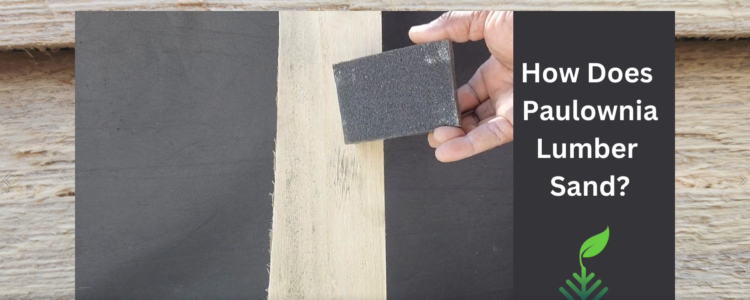
So the questions begin and this post is about one question that we are asked quite often… How does paulownia wood lumber sand?

This is part of our video short takes on the process of sanding paulownia tree wood lumber.

Video Link: https://youtu.be/hIuKduwqzvc

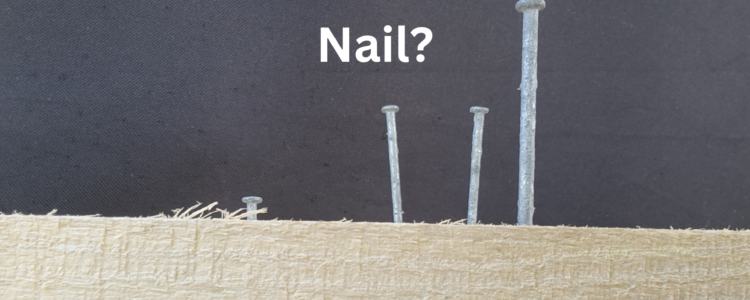
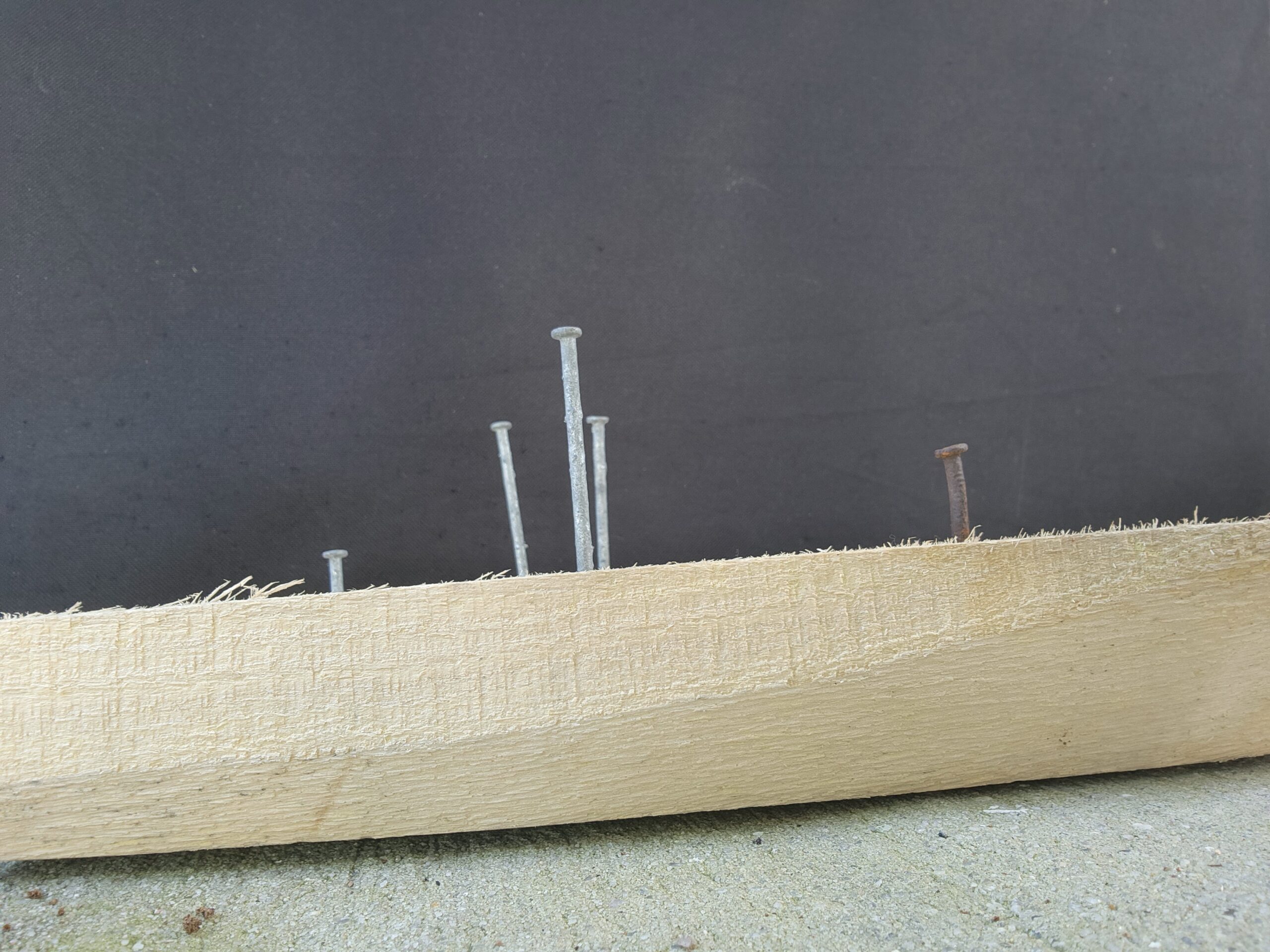
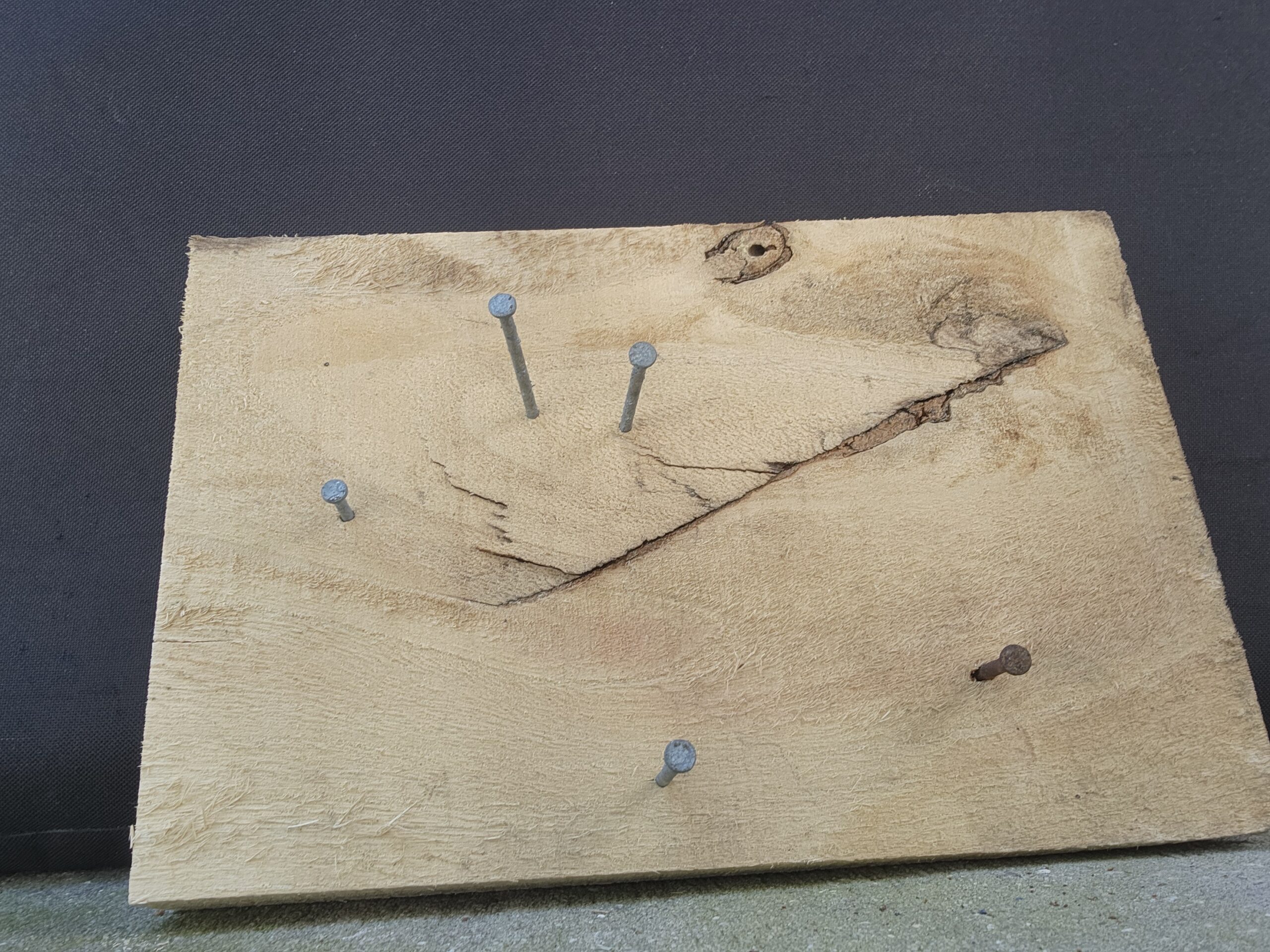
Paulownia wood takes nails easily, and no it did not split or crack.

Finishing – The sap of Paulownia is not gum or resinous based, thus the application of finishing products with various solvents as carriers does not risk any interaction with the timber, contributing to the very good finishing properties of Paulownia products. The timber readily takes stains, estapols and paints with excellent finished surfaces.

Workability – All aspects of carpentry such as machining, nailing, screwing, gluing, sanding, sawing and handling are very user friendly with no splinters, cracking or splitting and excellent take-up of glues and finishes.

***

Where To Buy Paulownia? Paulownia Wood For Sale – QUESTIONS?

What is paulownia wood? https://bioeconomysolutions.com/what-is-paulownia-wood/

Visit our web page. https://bioeconomysolutions.com/paulownia-lumber/

We’re happy to organize a time to speak with you about our paulownia trees and lumber we have for sale. Please book your preferred time to speak directly.

Here’s a link to my online calendar/schedule:

www.bioeconomysolutions.com/bookcall

BioEconomy Solutions

mail@BioEconomySolutions.com

Office: 843.305.4777
Recently we had some visitors to our paulownia plantation. It was their first time with paulownia wood and as always if you place
a dried plank of paulownia in their hands their faces change as if they had seen a magic trick, because of the lightness of the paulownia wood plank.

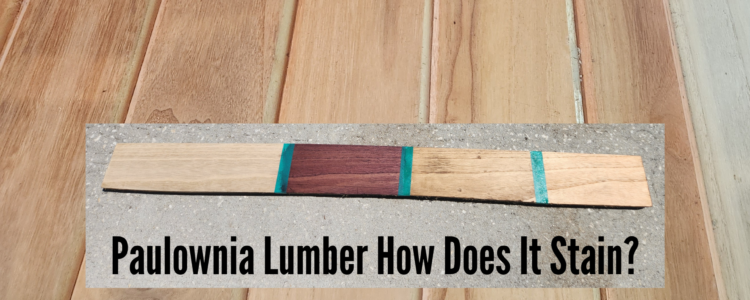
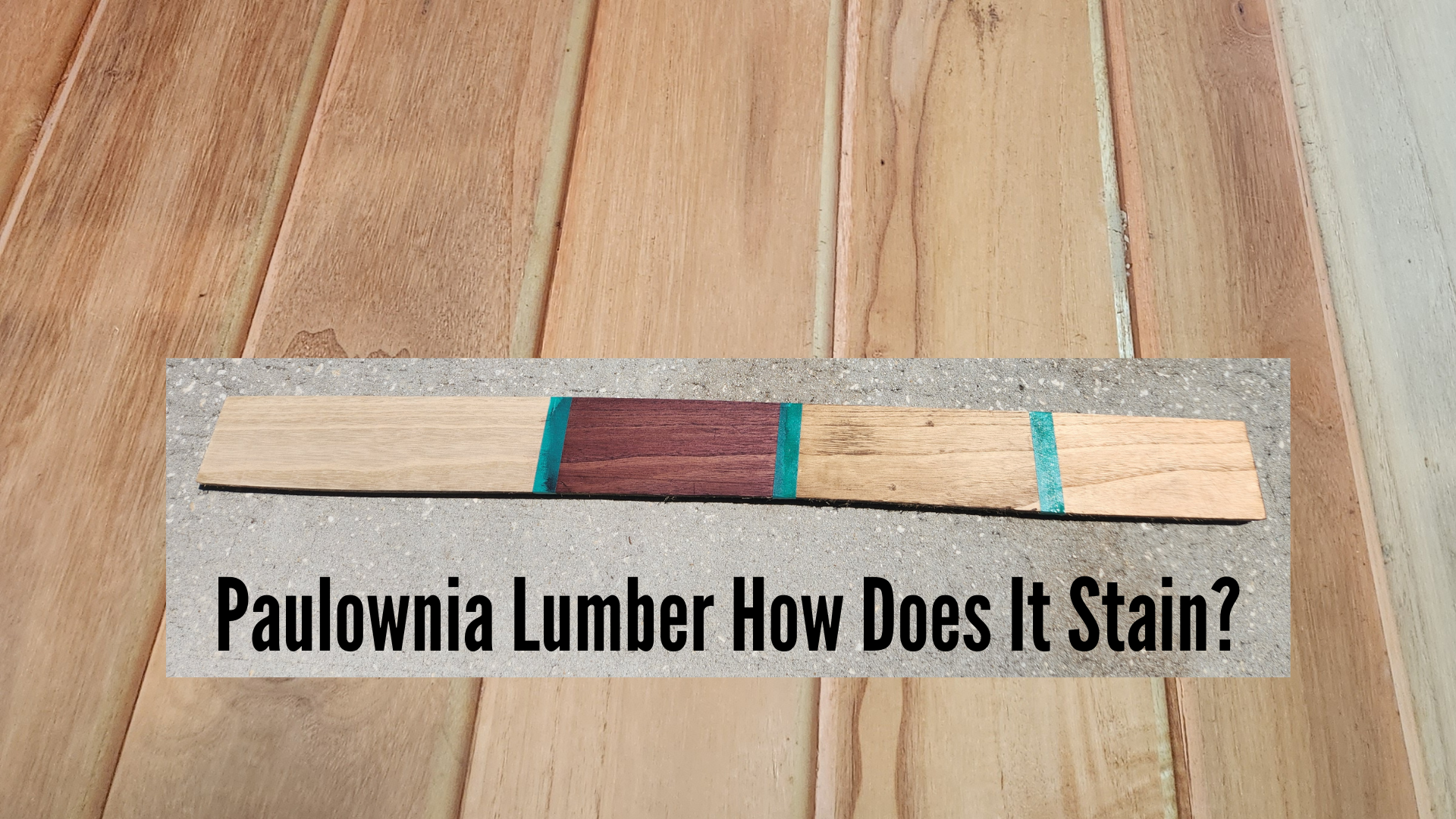
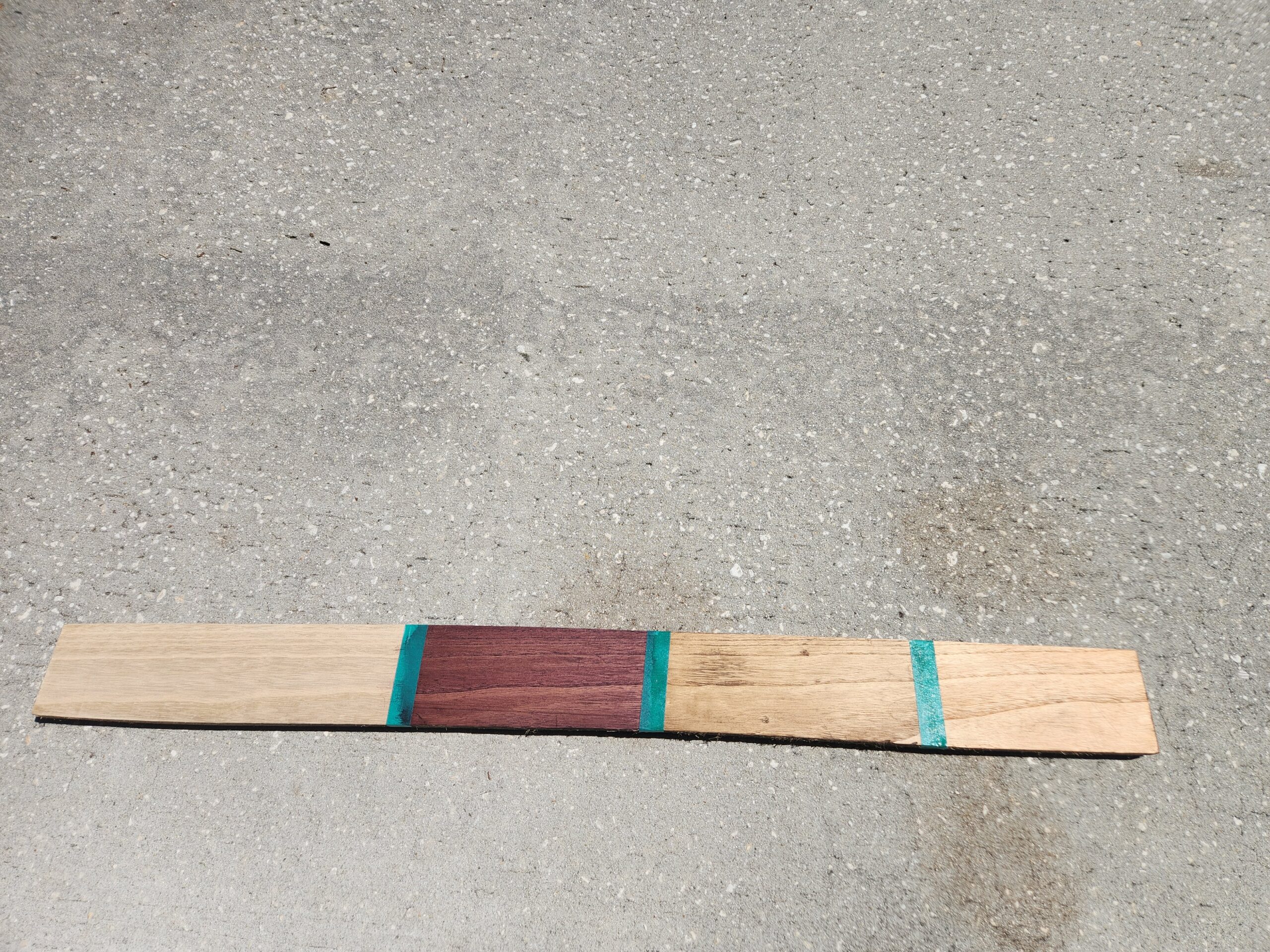
So the questions begin and this post is about one question that we are asked quite often… How does paulownia wood lumber take varnish or wood stain?

This is part of our “video short takes” on the process of staining paulownia tree wood lumber.

Video – https://youtu.be/dM7uztxipyY


Paulownia wood takes nails easily, and no it did not split or crack.

Finishing – The sap of Paulownia is not gum or resinous based, thus the application of finishing products with various solvents as carriers does not risk any interaction with the timber, contributing to the very good finishing properties of Paulownia products. The timber readily takes stains, estapols and paints with excellent finished surfaces.

Workability – All aspects of carpentry such as machining, nailing, screwing, gluing, sanding, sawing and handling are very user friendly with no splinters, cracking or splitting and excellent take-up of glues and finishes.

***

Where To Buy Paulownia? Paulownia Wood For Sale – QUESTIONS?

What is paulownia wood? https://bioeconomysolutions.com/what-is-paulownia-wood/

Visit our web page. https://bioeconomysolutions.com/paulownia-lumber/

We’re happy to organize a time to speak with you about our paulownia trees and lumber we have for sale. Please book your preferred time to speak directly.

Here’s a link to my online calendar/schedule:

www.bioeconomysolutions.com/bookcall

BioEconomy Solutions

mail@BioEconomySolutions.com

Office: 843.305.4777
Recently we had some visitors to our paulownia plantation. It was their first time with paulownia wood and as always if you place
a dried plank of paulownia in their hands their faces change as if they had seen a magic trick, because of the lightness of the paulownia wood plank.

So the questions begin and this post is about one question that we are asked quite often… How does paulownia nail?

Logically I handed our visitor nails, a hammer and a dried paulownia wood plank, and said see for yourself.

How does paulownia nail? Nailed Boards How does paulownia nail?

Video – https://youtu.be/4PeDk8SXyLk


Paulownia wood takes nails easily, and no it did not split or crack.

Finishing – The sap of Paulownia is not gum or resinous based, thus the application of finishing products with various solvents as carriers does not risk any interaction with the timber, contributing to the very good finishing properties of Paulownia products. The timber readily takes stains, estapols and paints with excellent finished surfaces.

Workability – All aspects of carpentry such as machining, nailing, screwing, gluing, sanding, sawing and handling are very user friendly with no splinters, cracking or splitting and excellent take-up of glues and finishes.

***

Where To Buy Paulownia? Paulownia Wood For Sale – QUESTIONS?

Visit our web page. https://bioeconomysolutions.com/paulownia-lumber/

We’re happy to organize a time to speak with you about our paulownia trees and lumber we have for sale. Please book your preferred time to speak directly.

Here’s a link to my online calendar/schedule:

www.bioeconomysolutions.com/bookcall

BioEconomy Solutions

mail@BioEconomySolutions.com

Office: 843.305.4777
How Does Paulownia Lumber Take Nails? 843.305.4777 https://bioeconomysolutions.com/paulownia-lumber/
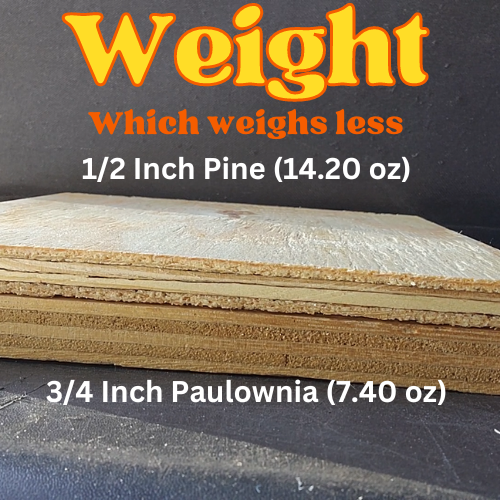
Did you know Paulownia plywood is an lightweight alternative to the regular plywood that you may purchase from a big box lumber supplier.

What is Plywood

A plywood board has many different uses from flooring to roofing, interior furniture or interior panels. Plywood board is formed with a glue or resins.

Plywood Most Common Woods Used

What is the Advantage of Paulownia Plywood

Paulownia Plywood
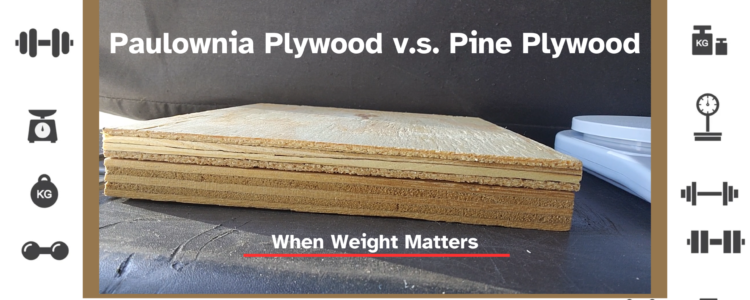
In simple terms, paulownia plywood is lighter in weight.

Here is an 1/2inch pine plywood panel and a 3/4 in paulownia panel.

  • 1/2inch pine plywood panel = 14.20 ounces
  • 3/4 in paulownia panel = 7.40 ounces

The differences is an 6.8 ounce in less weight for the paulownia panel.

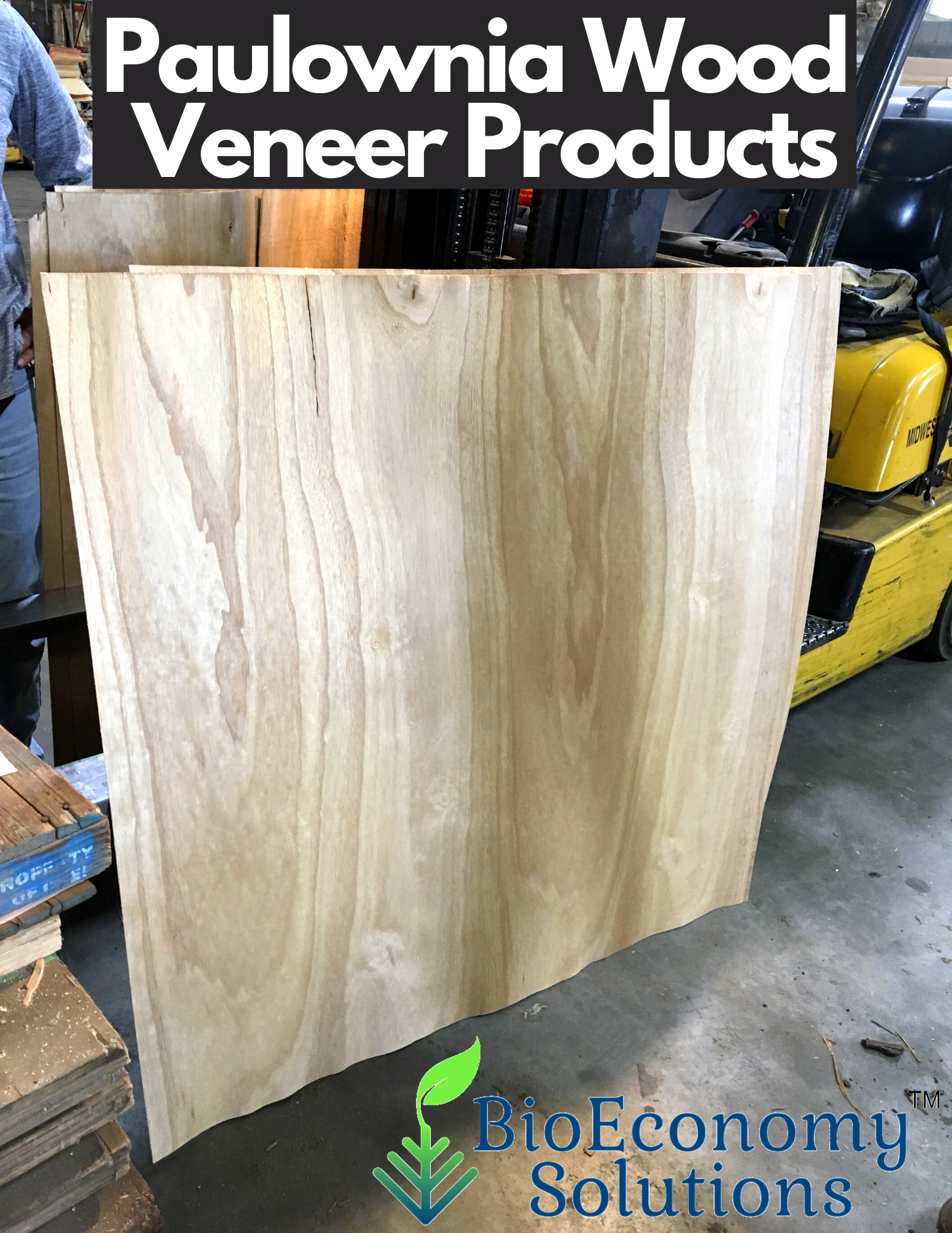
Paulownia Veneer

Paulownia is peeled with a rotary lathe or straight cut.


Where To Buy Paulownia? Paulownia Wood For Sale – QUESTIONS?

Visit our web page. https://bioeconomysolutions.com/paulownia-lumber/

We’re happy to organize a time to speak with you about our paulownia trees and lumber we have for sale. Please book your preferred time to speak directly.

Here’s a link to my online calendar/schedule:

www.bioeconomysolutions.com/bookcall

BioEconomy Solutions

mail@BioEconomySolutions.com

Office: 843.305.4777
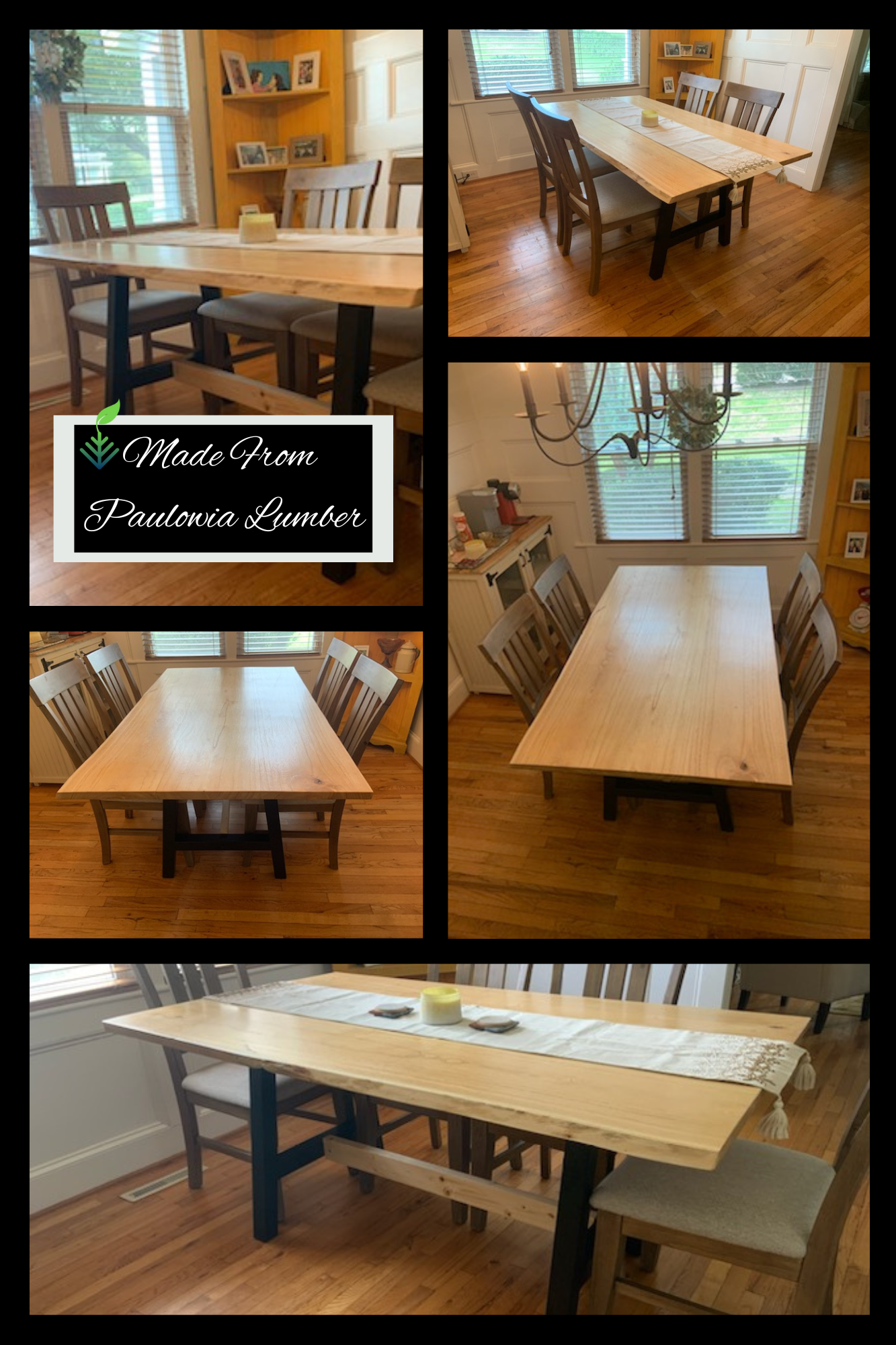
Have you experienced the elegance and durability of Paulownia furniture, set to redefine bioeconomysolutions?

Discover the prowess of paulownia, also known as empress or kiri tree, for superior-quality furniture production.

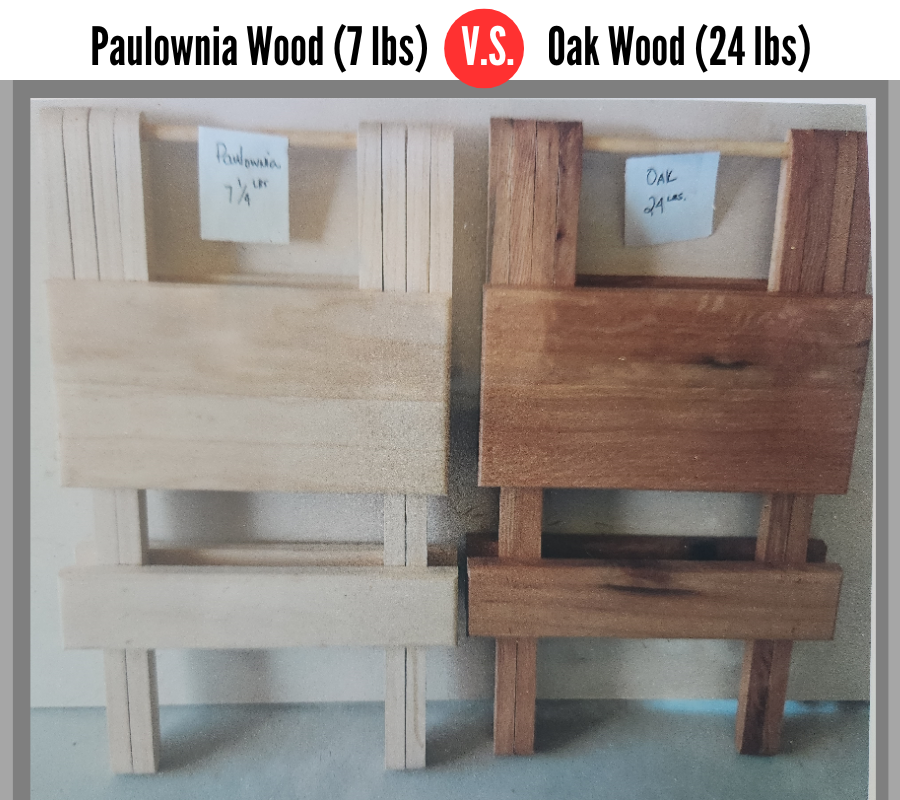
Harness the economic benefits of paulownia lumber, strong yet lightweight, perfect for utilitarian tv tray uses or contemporary furniture designs.

Embrace the versatility of paulownia wood, a game-changer for your enterprise’s sustainability efforts.

Explore the strength of paulownia timber, harvested from kiri wood trees, ideal for making sturdy, stylish furniture.

Paulownia Wood Dining Room Table

Uncover new frontiers in the lumber industry with kiri lumber, which is synonymous with high-quality furniture outcomes.

Create stunning pieces of furniture with the wood from the kiri tree, known for its extraordinary growth rate and sustainability.

Utilize empress tree lumber, a synonym for paulownia, to exhibit your commitment towards greener furniture solutions.

Explore paulownia veneer and wood veneer options for exquisite finishing touches to your Paulownia furniture.

Join the revolution right from South Carolina, bringing kiri timber and paulownia furniture into the mainstream, making USA paulownia wood and paulownia hardwood lumber the materials of choice for eco-responsible furniture production.

As business owners and entrepreneurs, you have the power to change the future with our royal paulownia trees, contributing to a sustainable and enriched ecosystem in the long run. Embrace the paulownia tree revolution and position your brand as the go-to carbon project partner. Act now, for the future is in your hands!

Where To Buy Paulownia? Paulownia Wood For Sale – QUESTIONS?

Visit our web page. https://bioeconomysolutions.com/paulownia-lumber/

We’re happy to organize a time to speak with you about our paulownia trees and lumber we have for sale. Please book your preferred time to speak directly.

Here’s a link to my online calendar/schedule:

www.bioeconomysolutions.com/bookcall

BioEconomy Solutions

mail@BioEconomySolutions.com

Office: 843.305.4777
 

#paulownia #furniture #woodfurniture