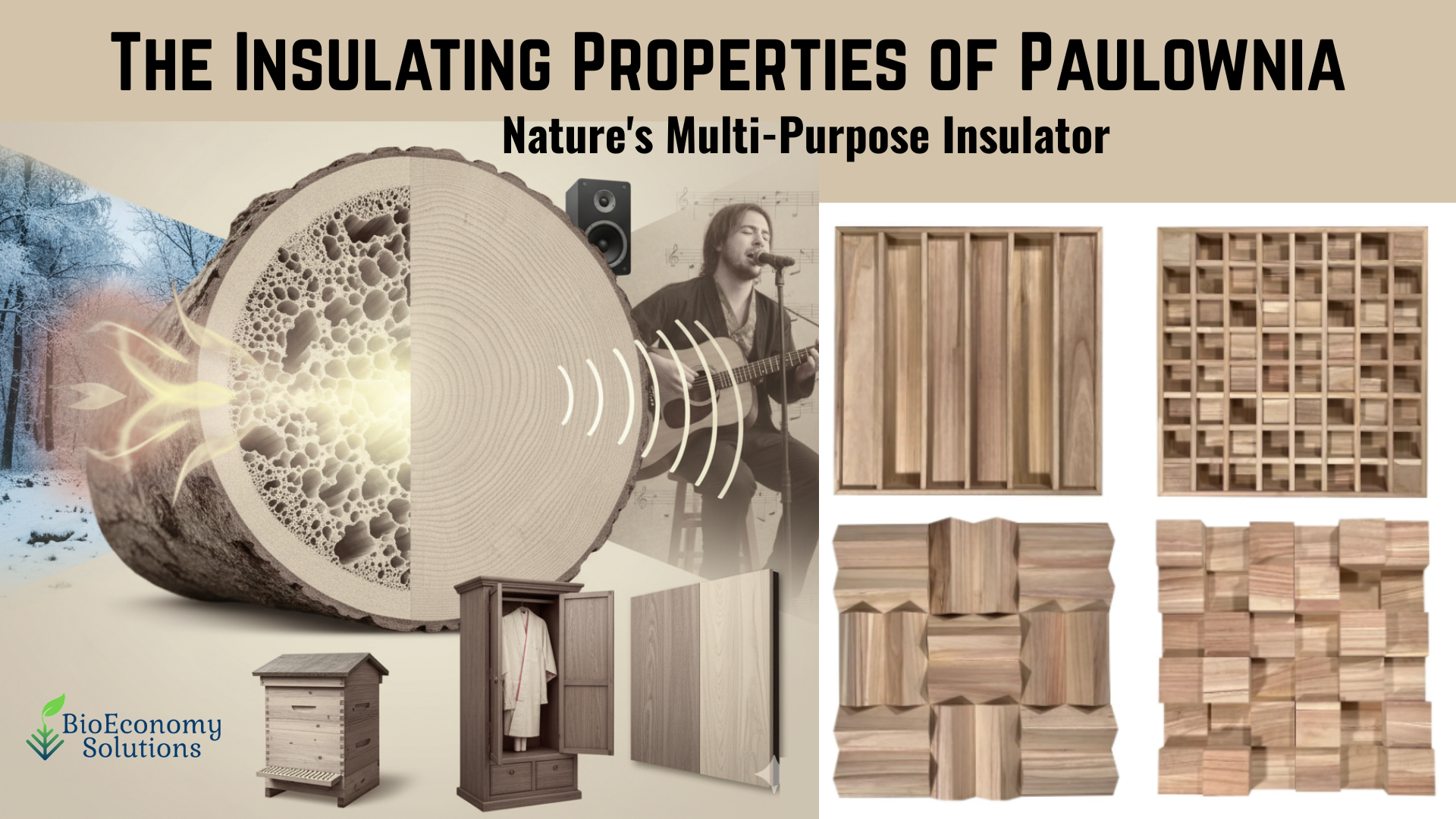
Paulownia wood possesses exceptional insulating properties that make it valuable across multiple applications. Here’s a comprehensive breakdown:
Thermal Insulation Properties
Low Thermal Conductivity
- Paulownia has one of the lowest thermal conductivity values among all wood species
- This means it effectively resists heat flow, keeping interiors warm in winter and cool in summer
- The thermal conductivity becomes even lower after thermal modification (heat treatment)
- Performance is comparable to standard thermal insulation materials
Structural Basis for Insulation
- Low Density: One of the lightest woods available (30% lighter than most hardwoods)
- Honeycomb Cellular Structure: Highly porous internal structure traps air – nature’s best insulator
- Hollow Center: The characteristic “water highway” creates additional air pockets for insulation

Fire Resistance & Safety
Superior Fire Performance
- Auto-ignition temperature: ~400°C (752°F) vs. ~220°C (428°F) for common hardwoods
- Class A Fire Rating: Achieved ASTM E84 flame spread rating (as noted in knowledge base)
- Self-Protecting Mechanism: When heated, it carbonizes easily, creating a char layer that insulates and protects the wood underneath
Why It Matters
- Significantly safer for construction applications
- Reduces fire insurance costs
- Meets strict building codes without chemical treatments
Acoustic Insulation
Sound-Deadening Properties
- Light weight combined with porous structure creates excellent sound absorption
- Natural acoustic dampening without additional materials
- Reduces noise transmission between spaces
Applications
- Musical instruments (traditional use for centuries)
- Recording studios and concert halls
- Residential sound insulation
- Commercial acoustic panels
Practical Applications of Paulownia’s Insulating Properties
Construction & Building
- Wall panels: Natural insulation reduces HVAC costs
- Roofing materials: Lightweight with thermal protection
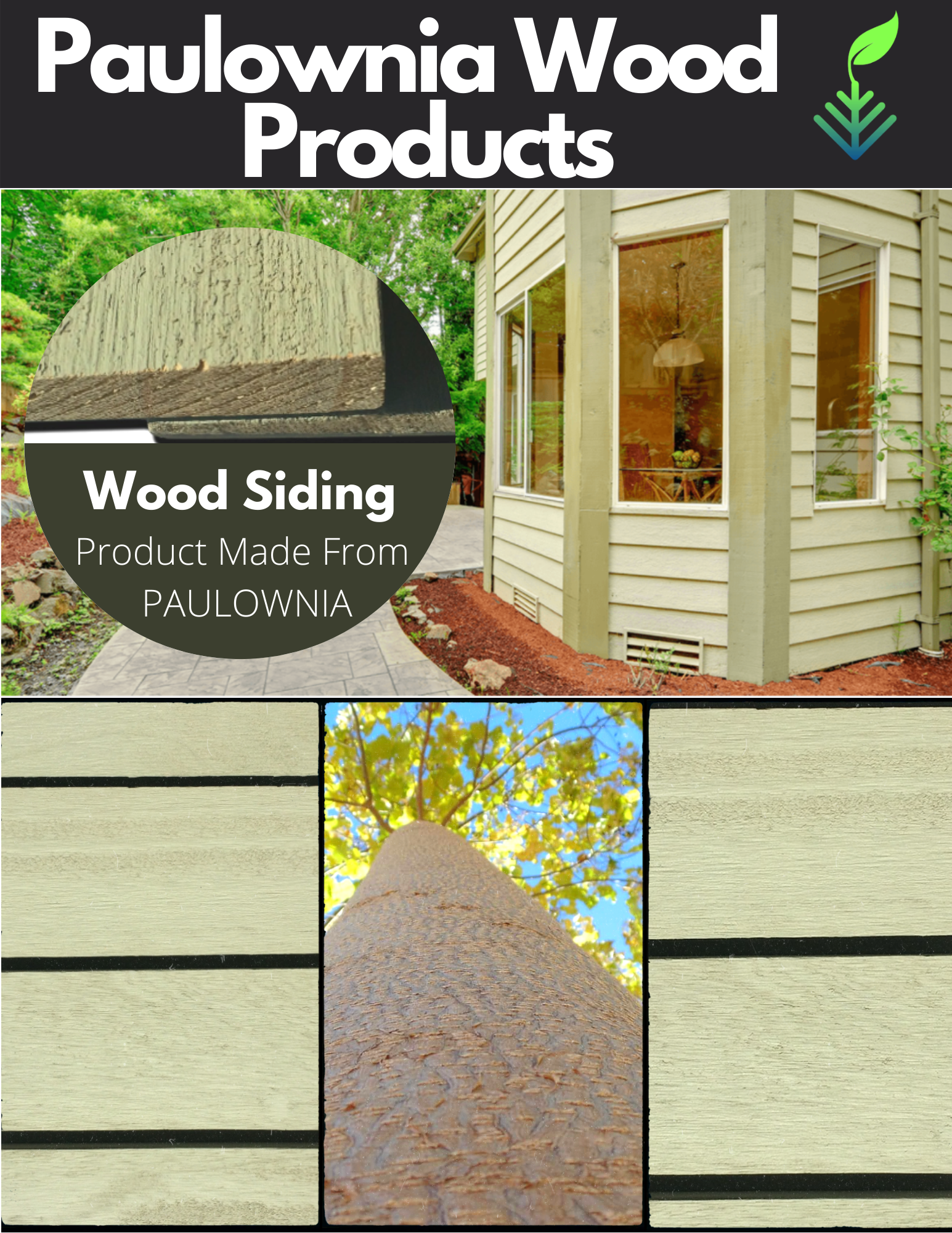
- Interior cladding: Temperature regulation without bulk
- Mass timber construction: Insulating structural elements
Specialized Uses
- Saunas: Heat resistance + insulation + moisture tolerance
- Cold storage: Natural thermal barrier
- Shipping containers: Temperature-controlled transport
- Aerospace: Lightweight insulation for aircraft interiors
Traditional Applications
- Japanese construction: Used for centuries in fire-resistant buildings
- Furniture: Naturally insulating storage chests and wardrobes
- Musical instruments: Acoustic properties enhance sound quality
Comparative Advantages
vs. Traditional Insulation Materials:
- Renewable and sustainable (5-year harvest cycles)
- No chemical treatments required
- Structural strength + insulation in one material
- Natural fire resistance without additives
vs. Other Woods:
- 2x better thermal performance than most hardwoods
- Significantly lighter weight
- Superior fire resistance
- Better acoustic properties
Economic Benefits
Energy Efficiency
- Reduces heating and cooling costs
- Meets green building standards naturally
- Lower HVAC system requirements
Construction Advantages
- Lighter weight reduces structural load requirements
- Faster installation due to workability
- Multi-functional (structural + insulating)
- Reduced need for additional insulation materials
Scientific Backing
The insulating properties are well-documented and stem from:
- Physical structure: Honeycomb cellular matrix traps air
- Low density: Less material = more air pockets
- Thermal modification potential: Heat treatment enhances properties
- Natural composition: No synthetic additives needed
Future Applications
Given these properties, Paulownia is positioned for:
- Passive house construction: Ultra-efficient building standards
- Sustainable architecture: Green building certifications
- Industrial insulation: High-temperature applications
- Acoustic engineering: Specialized sound control
The combination of thermal, fire, and acoustic insulation properties makes Paulownia unique among natural materials – offering multiple performance benefits in a single, sustainable, fast-growing resource.
Where To Buy USA Paulownia Lumber?
Need paulownia for your next project?
Where to buy paulownia? We’re harvesting our mature U.S. South Carolina Paulownia Timber and have millions of board foot available. We can mill lumber for your business needs. Contact Us for details. Office: 843.305.4777 | Email: mail@bioeconomysolutions.com Here’s a link to our online calendar, schedule a conference call with us:
www.bioeconomysolutions.com/bookcall
USA Paulownia Wood Lumber For Sale – Need paulownia wood lumber for your next project? https://bioeconomysolutions.com/paulownia-lumber/
You will discover that paulownia wood is the “Light Strong Alternative Wood” used in many processes to obtain many types of products.
Weather you are a hobbyist or full time manufacturing company, paulownia wood grown in South Carolina USA may be a new expression of your talent.
We sell Custom Paulownia boards: rough sawn or planed, we offer various sizes and thicknesses. Our Paulownia boards are processed using sustainable Paulownia hardwood grown right here in South Carolina USA.
If you’re interested in paulownia, want to grow or currently growing, Subscribe to our newsletter: https://bioeconomysolutions.com/carbonreport
LIKE|SHARE|COMMENT
If you enjoyed this article, you may also like “Do Wood Carvers Use Paulownia Wood?