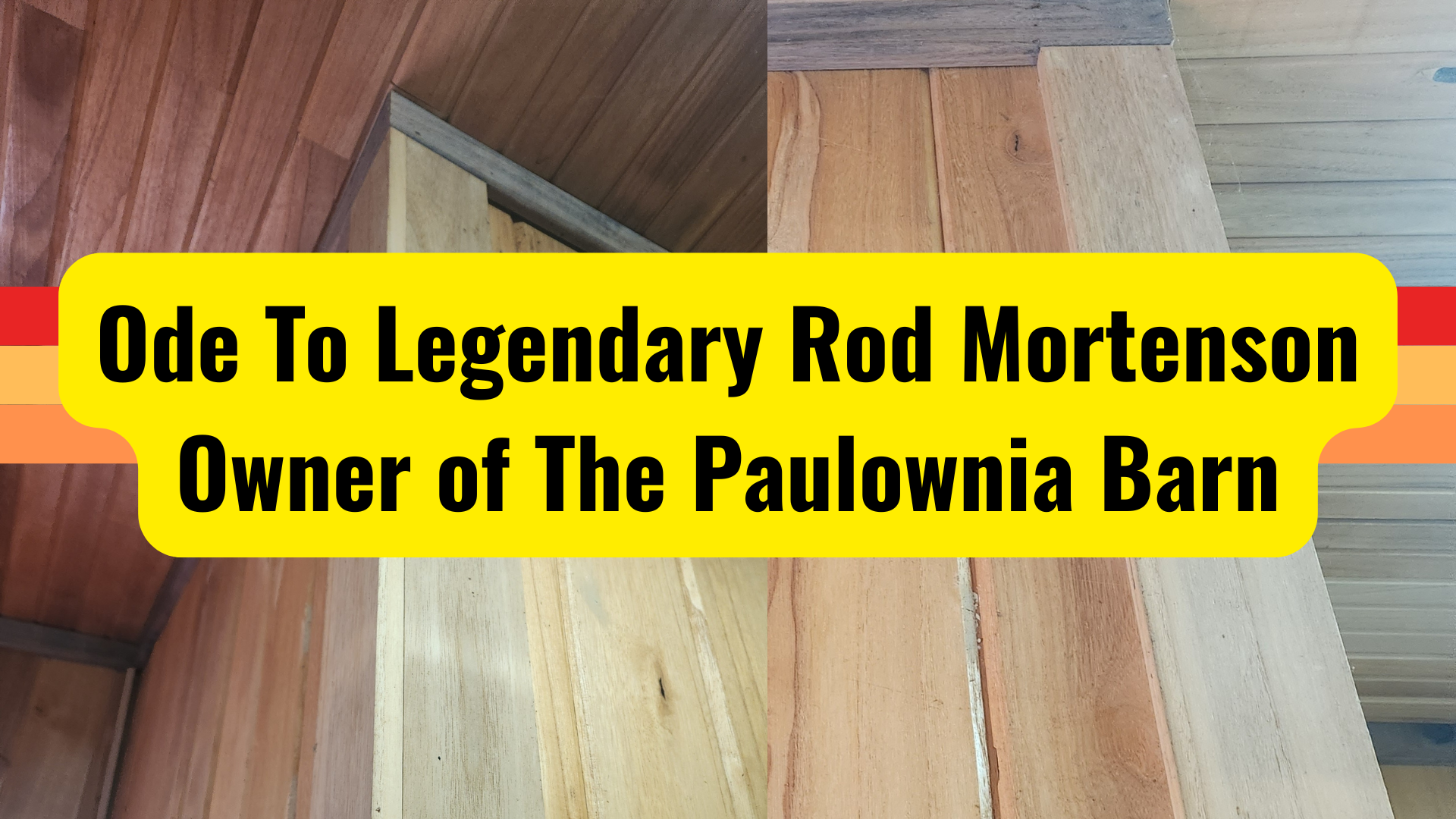
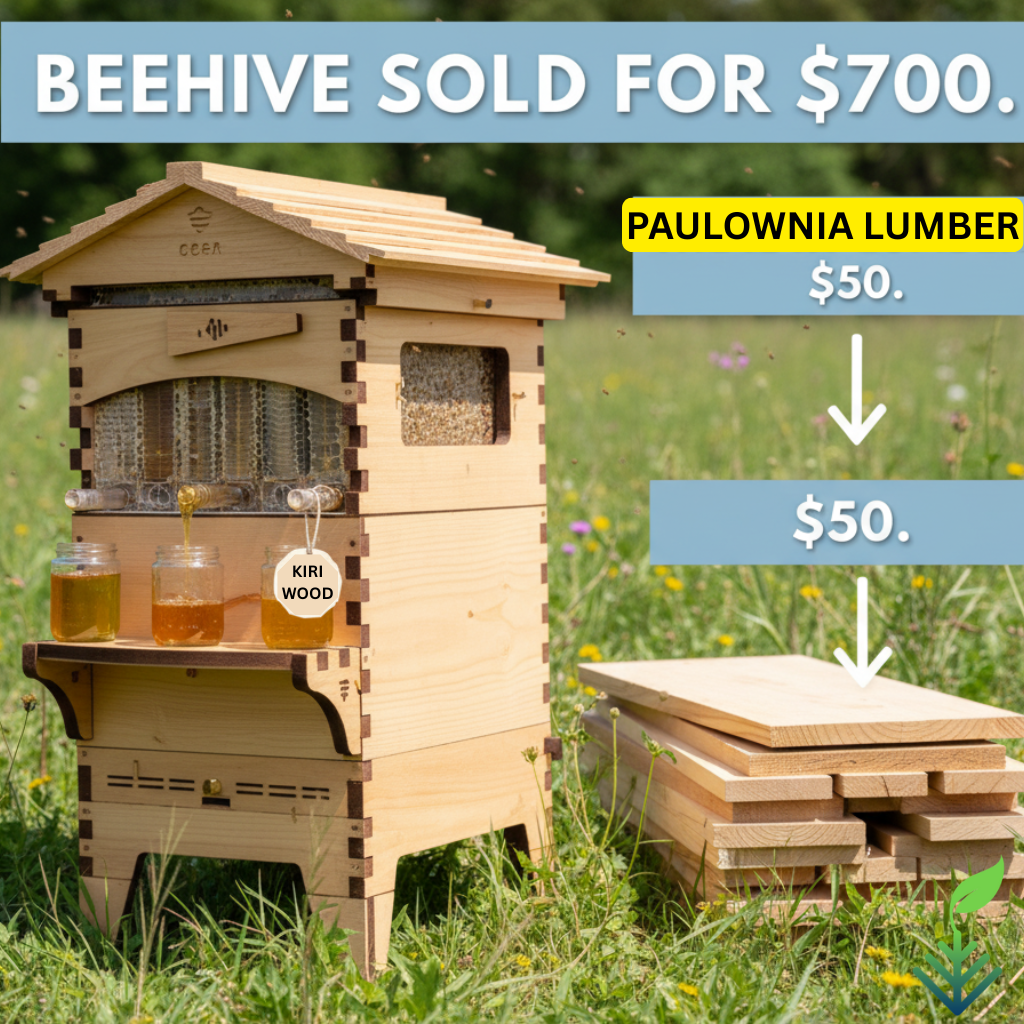
 🐝 A beehive made from Paulownia just sold for $700. The raw lumber? $50.
That’s a 14x value multiplier—and it shows why we’ve been thinking about Paulownia timber all wrong.
Most forestry projects focus on commodity lumber: Grow trees, cut logs, sell by the ton. Race to the bottom on price.
But Paulownia isn’t a commodity. It’s a specialty material.
Case Study: Flow Hive 2
Flow Hive—the innovative beehive that lets you harvest honey without disturbing bees—just launched their Paulownia edition.
Why Paulownia?
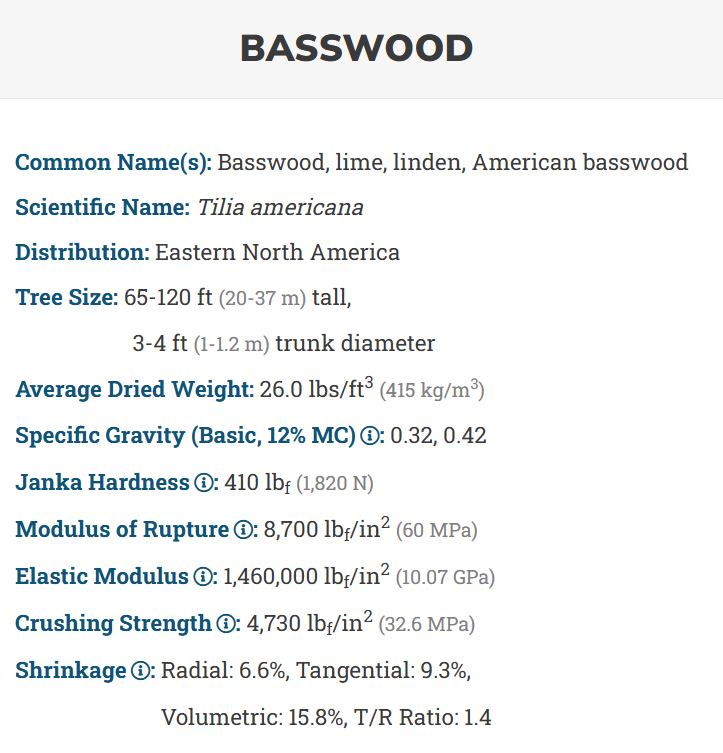
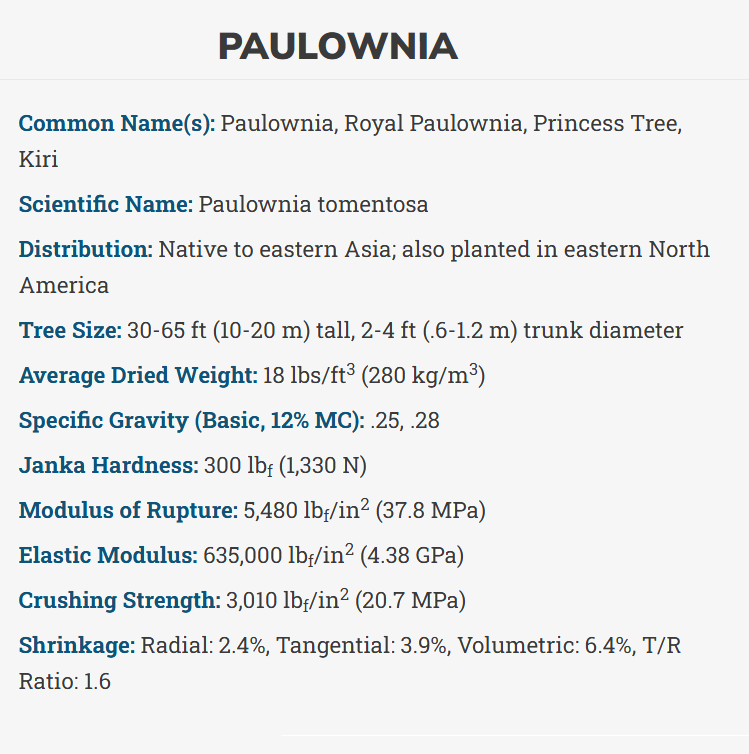
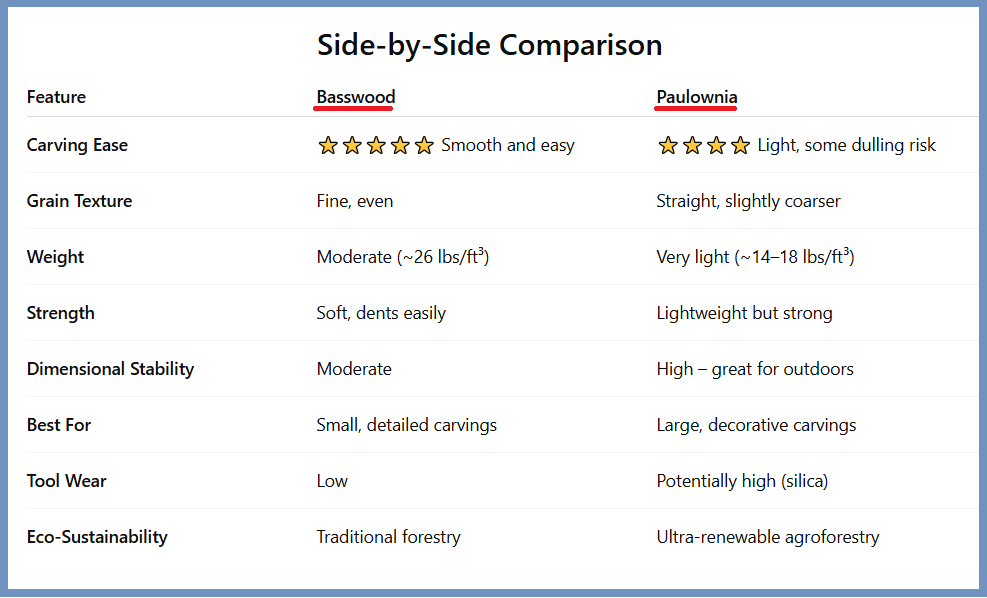
✅ Super lightweight (280 kg/m³) – beekeepers can move hives easily
✅ Durable outdoors – withstands weather without rot
✅ Precision workable – laser cuts cleanly for complex designs
✅ Thermal insulation – regulates hive temperature naturally
✅ Sustainability story – FSC-certified, 5-7 year harvest vs. 50-100 for hardwoods
The result: Premium beehives selling for $500-700+ to eco-conscious beekeepers worldwide.
The math that changes everything:
Commodity Approach:
→ Harvest Paulownia timber
→ Sell as raw lumber: $2,000-5,000/hectare
→ One-time revenue
Value-Added Approach:
→ Harvest same timber
→ Process into beehives (or furniture, instruments, specialty products)
→ Revenue: $10,000-30,000/hectare
→ 5-10x multiplier
Plus: Premium brand positioning, sustainability marketing, customer loyalty.
This is the circular economy model BES has been building:
Not just “plant trees and sell logs.”
But: Raw Lumber → Process → Brand → Premium Markets
Other high-value Paulownia applications:
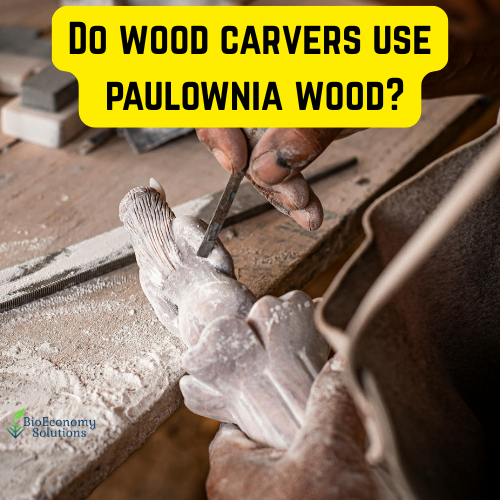
🎸 Musical instruments (guitars, mandolins) – $500-3,000 each
🪑 Lightweight furniture – 30-50% premium over standard wood
🏗️ Mass timber construction – Class A fire-rated, architectural spec
🛶 Surfboards/boats – strength-to-weight ratio unmatched
🎨 Specialty packaging – luxury goods, wine boxes
Each application commands 5-20x raw lumber prices.
The lesson for forestry investors:
Stop competing on volume. Start competing on value.
Paulownia’s rapid growth (5-7 years) + lightweight properties + sustainability story = premium positioning in niche markets.
Flow Hive proves it works:
Crowdfunded millions
Global customer base
Premium pricing sustained
Sustainability as selling point
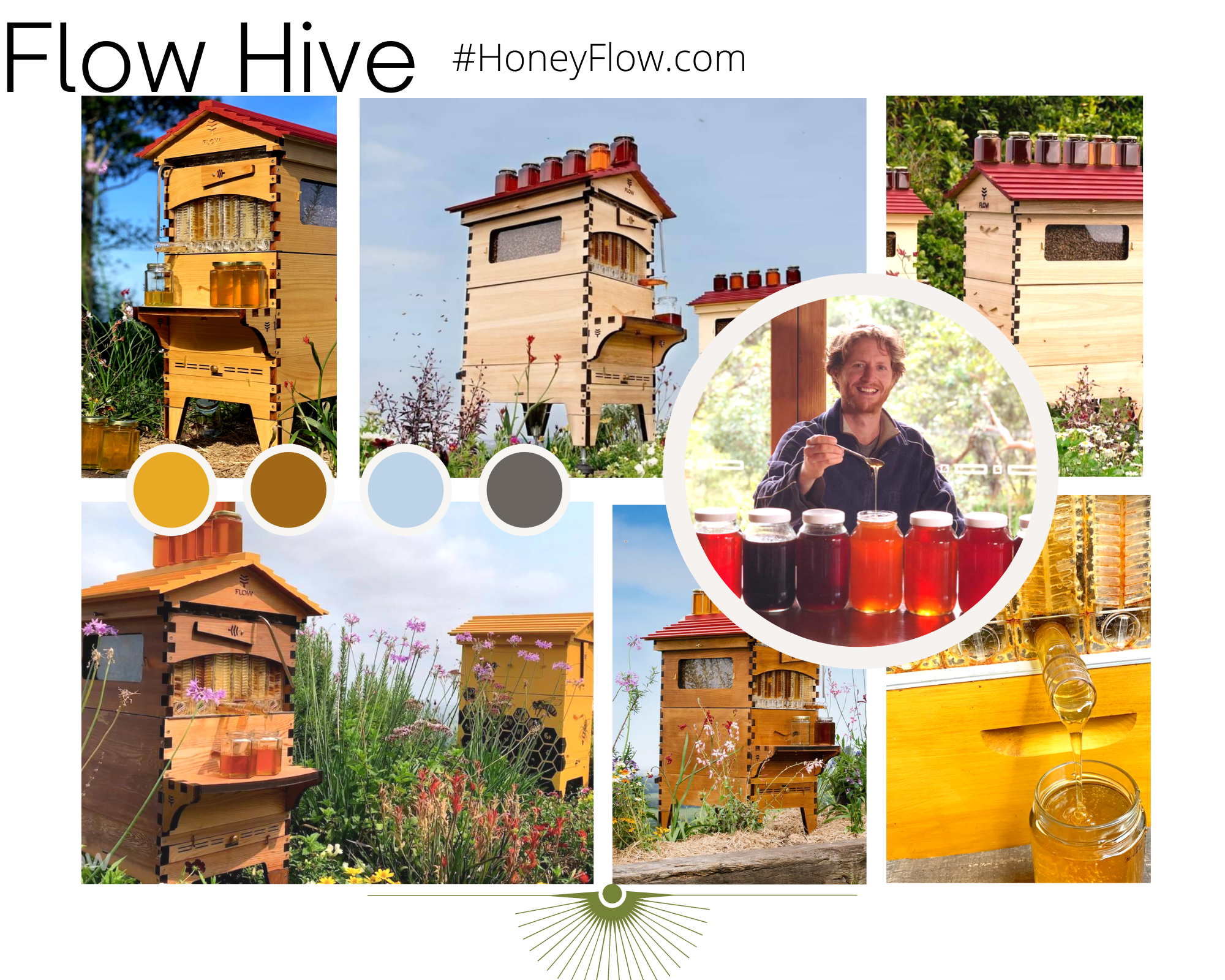
And here’s the bonus: Beehives support pollinator populations. So you’re selling timber AND biodiversity impact.
My question for timber investors:
Why are you selling raw logs at $50 when finished products command $700?
The future of Paulownia isn’t commodity forestry. It’s specialty manufacturing.
Working in sustainable products or timber value chains?
Let’s discuss premium market opportunities for Paulownia.
♻️ Repost if you believe forestry should be about value, not just volume.
👉 Learn More About: “Benefits Paulownia Lumber” Here: https://bioeconomysolutions.com/paulownia-lumber/
👉 This Is How We Grow Paulownia: https://bioeconomy-solutions.kit.com/products/paulownia-growers-manual-bio-econom
👉 Book a call: https://bioeconomysolutions.com/bookcall
👉 Get a FREE copy of Paulownia Carbon Report: https://bioeconomysolutions.com/carbonreport
#Paulownia #CircularEconomy #SustainableTimber #ValueAdded #Beekeeping #SpecialtyProducts #Forestry Create a viral email from this limit to 500 characters. Use the Kasey Brown Framework.