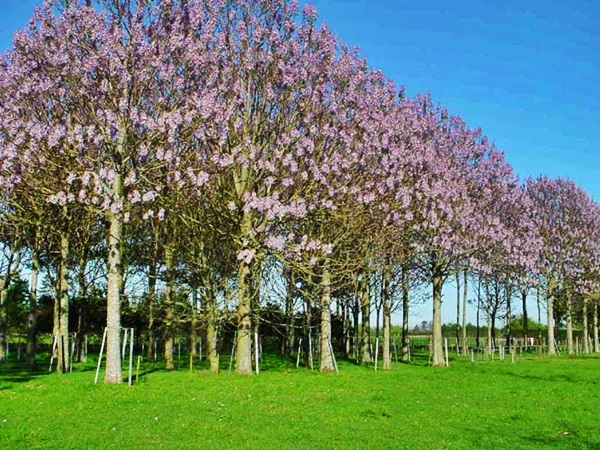
While a “pretty tree” might first catch our eye with its vibrant flowers or majestic canopy, its true power lies in the silent, tireless work it does for the environment.

Let’s break down the environmental contributions of trees, even (or especially) the “pretty” ones, beyond their aesthetic appeal:

Ecosystem Services: Beauty in Functionality

The visual appeal of trees often correlates with their health and vitality, which are directly linked to the ecosystem services they provide:

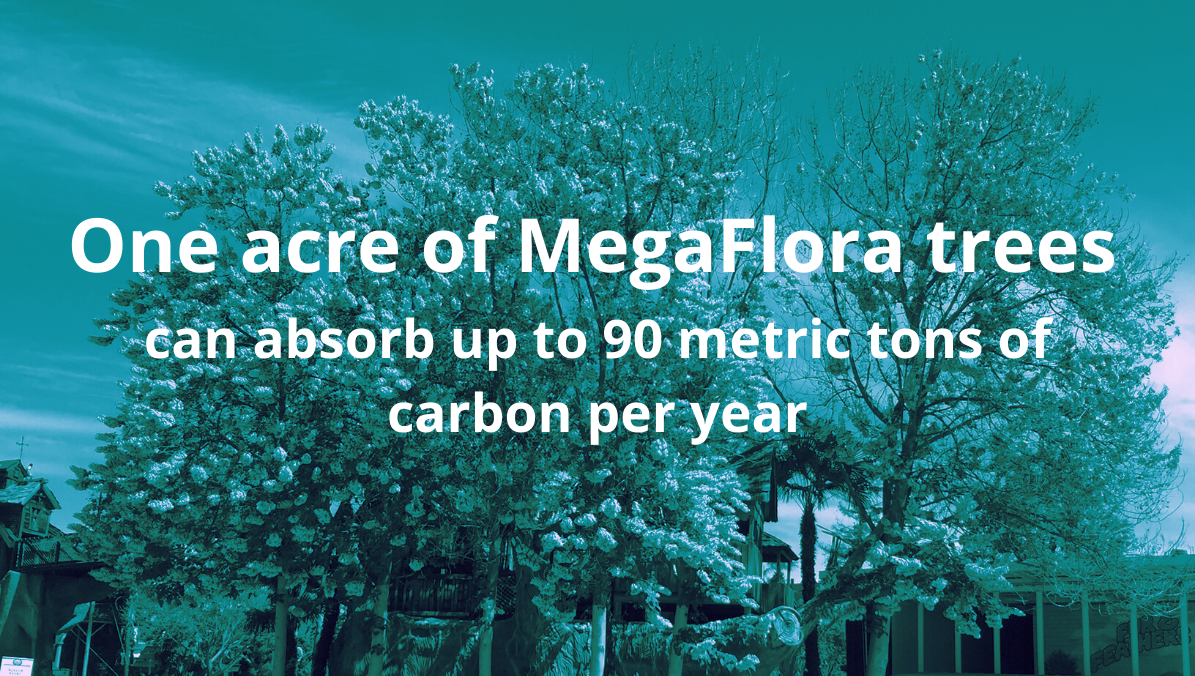
  • Improving Air Quality: Trees are natural air filters. Their leaves, with their vast surface area and tiny pores (stomata), absorb gaseous pollutants like carbon dioxide (), ozone (), nitrogen oxides (), sulfur dioxide (), and carbon monoxide (). Particulate matter (dust, pollen, smoke) also gets trapped on leaf surfaces and is later washed away by rain. This direct removal of pollutants is supplemented by trees’ ability to reduce air temperatures, which in turn lowers the formation of ground-level ozone. One large tree can provide a day’s supply of oxygen for up to four people, and an acre of forest can absorb six tons of carbon dioxide annually.

  • Moderating Temperatures: Trees are nature’s air conditioners. They reduce ambient temperatures through two primary mechanisms:

    • Shade: Their canopies block solar radiation, directly cooling surfaces below and reducing heat absorption by buildings, pavement, and other urban infrastructure.
    • Evapotranspiration: This process involves trees absorbing water through their roots and releasing it as water vapor through their leaves. This evaporation cools the surrounding air, much like a natural evaporative cooler. Urban forests can be significantly cooler (e.g., 3.0°F or 1.6°C) than non-green urban areas, reducing the “urban heat island” effect.
  • Supporting Biodiversity: A beautiful, healthy tree is a bustling apartment building for countless species. They provide:

    • Habitat: Branches and hollows offer shelter and nesting sites for birds, squirrels, insects, and other small mammals.
    • Food Sources: Flowers provide nectar and pollen for pollinators (bees, butterflies), while fruits, nuts, and leaves offer sustenance for a wide array of wildlife.
    • Microclimates: The shade and moisture provided by trees create cooler, more stable microclimates, allowing a greater diversity of understory plants and ground-dwelling organisms to thrive.
  • Preventing Soil Erosion: The extensive root systems of trees act as natural anchors, binding soil particles together and preventing them from being washed away by rain or blown away by wind. Their canopies also intercept rainfall, reducing the direct impact of raindrops on the soil surface, which can lead to erosion. This helps maintain soil quality and prevents sediment runoff into waterways.

  • Sequestering Carbon: Trees are powerful carbon sinks. Through photosynthesis, they absorb atmospheric carbon dioxide () and convert it into organic compounds, storing carbon in their leaves, branches, trunks, and roots. This process is critical in mitigating climate change by reducing greenhouse gas concentrations in the atmosphere. A healthy tree can store approximately 13 pounds of carbon annually.

Urban Green Spaces: Beyond the Postcard

Aesthetically pleasing trees in urban environments offer more than just a pretty view; they are fundamental to creating livable, healthy cities:

  • Improved Quality of Life: The presence of trees contributes to a sense of calm and well-being. Studies show that access to green spaces reduces stress, lowers blood pressure, improves mood, and can even shorten hospital stays.
  • Promoting Physical Activity: Attractive, tree-lined streets and parks encourage people to walk, jog, or cycle, leading to increased physical activity and reduced risk of obesity and related health issues.
  • Fostering Community Well-being: Green spaces with trees often become natural gathering places, promoting social interaction, fostering a sense of community pride, and reducing feelings of isolation.
  • Noise Reduction: Dense tree canopies can absorb and block urban noise, creating quieter and more serene environments, which is particularly beneficial near busy roads or industrial areas.
  • Economic Benefits: Trees can increase property values due to their aesthetic appeal and the environmental benefits they provide. They also contribute to energy savings by reducing the need for air conditioning in shaded buildings and acting as windbreaks in winter.

Conservation and Preservation: Beauty as a Call to Action

The inherent beauty of trees often serves as a powerful motivator for their conservation. When people are captivated by the grandeur of an ancient forest or the delicate beauty of a blooming cherry tree, they are more likely to support efforts to protect them. This emotional connection then translates into understanding their vital ecological roles.

The United Nations Convention to Combat Desertification (UNCCD), while not solely focused on trees, plays a critical role in their conservation, especially in dryland ecosystems. As the only legally binding international agreement addressing desertification and drought, the UNCCD:

  • Promotes Sustainable Land Management: It advocates for practices like agroforestry (integrating trees into agricultural systems), conservation agriculture, and sustainable grazing, all of which often involve tree planting and protection to prevent soil degradation.
  • Restores Degraded Land: The UNCCD actively supports efforts to restore degraded lands, often through reforestation and afforestation initiatives, recognizing that trees are essential for rebuilding healthy ecosystems, combating erosion, and enhancing water retention.
  • Addresses Climate Change and Biodiversity Loss: By tackling desertification, the UNCCD indirectly contributes to climate change mitigation (through carbon sequestration by trees) and biodiversity conservation (by restoring habitats that support a wide range of species).
  • Aims for Land Degradation Neutrality (LDN): A core target of the UNCCD is to achieve a land degradation neutral world by 2030, meaning that the amount of healthy and productive land remains stable or increases. Trees are a crucial component of achieving LDN, as increasing tree cover is a key strategy for restoring degraded land and improving its productivity.
  • Mobilizes Resources and Raises Awareness: The UNCCD facilitates international cooperation and financial support for projects that involve tree planting and sustainable land management, and it raises global awareness about the importance of trees in combating desertification and improving livelihoods, especially in vulnerable communities.

In essence, the beauty of trees is not just skin deep; it’s a testament to their incredible functionality and a powerful reminder of why their protection and conservation are paramount for a sustainable future.

Learn More About Paulownia Trees

Contact Us For Details

BioEconomy Solutions is a BIOCHAR Carbon Dioxide Removal (CDR) Project Developer. Talk to us about our biochar processing technology.

We’re happy to organize a time to speak with you about our high carbon biochar we have for sale. Please book your preferred time to speak directly.

Here’s a link to my online calendar/schedule:

www.bioeconomysolutions.com/bookcall

BioEconomy Solutions

mail@BioEconomySolutions.com

Office: 843.305.4777

Visit us at: https://bioeconomysolutions.com/paulownia-carbon-credits/ Let’s chat about paulownia tree solutions for sustainable Forest carbon credits projects.


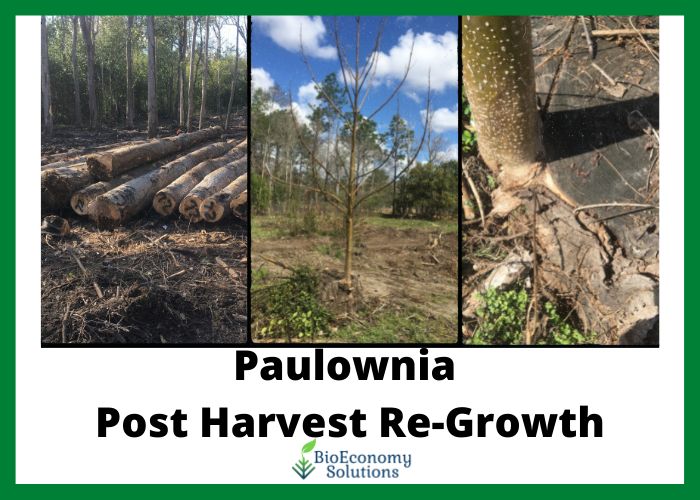
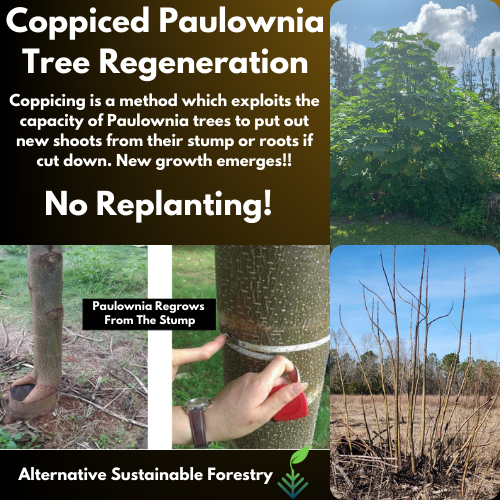
In the world of sustainable forestry, few trees offer the impressive regenerative capabilities of the Paulownia species. Often dubbed the t, a practice known as coppicing, makes it an exceptionally valuable asset for timber production, biomass generation, and environmental restoration.

Coppicing is an ancient woodland management technique that harnesses a tree’s natural tendency to sprout new shoots from its base or root collar when its main stem is harvested. For Paulownia, this characteristic is particularly pronounced. Unlike many trees that require replanting after each harvest, Paulownia’s established root system remains intact, ready to fuel rapid new growth.

The Power of the Established Root System

The secret to Paulownia’s phenomenal regrowth lies in its extensive and mature root system. When a young Paulownia tree is cut back, especially in its dormant phase (typically one to three years after initial planting), the robust roots, which have been developing for years, provide an immediate and abundant supply of nutrients and energy to the new sprouts. This allows the fresh shoots to grow at an astonishing rate, sometimes reaching several feet in a single growing season.

Advantages of Coppicing Paulownia

  • Accelerated Growth Cycles: Coppicing significantly reduces the time between harvests. Paulownia can reach harvestable size in as little as 5-7 years, and after coppicing, subsequent rotations can be even quicker, often ready for cutting in 3-5 years. This rapid turnaround maximizes productivity from the same land area.
  • Reduced Reforestation Costs: Eliminating the need for replanting after each harvest dramatically cuts down on labor, seedling costs, and the associated environmental impact of site preparation. This makes Paulownia plantations highly economical and efficient.
  • Continuous Timber Supply: The consistent regeneration ensures a steady and predictable supply of wood, supporting a more stable timber market and reducing pressure on natural, old-growth forests.
  • Enhanced Carbon Sequestration: Paulownia’s rapid growth translates to impressive carbon sequestration rates. The continuous cycle of growth and regrowth means these trees are constantly absorbing atmospheric CO2, contributing significantly to climate change mitigation efforts.
  • Soil Stabilization and Health: The deep and widespread root system of Paulownia helps prevent soil erosion, especially on degraded or vulnerable lands. As the tree regrows, it continues to improve soil structure and enrich it with organic matter.
  • Multi-Cycle Harvesting: A single Paulownia root system can support multiple harvest cycles, often as many as 4 to 8 times over its lifespan, providing decades of continuous yield from the same planting.
Managing for Optimal Regrowth

To maximize Paulownia’s coppicing potential, careful management practices are crucial. This typically involves:

  • Initial Coppicing: Often, growers will coppice young Paulownia trees (1-3 years old) to encourage a single, straight, and vigorous stem for high-quality timber. This initial cut allows the root system to develop fully before focusing energy on a primary trunk.
  • Selective Sprout Management: After coppicing, multiple sprouts will emerge. For timber production, growers often select the strongest, straightest shoot and remove the others, directing all the root’s energy into developing a single, high-quality trunk. For biomass, multiple shoots may be allowed to grow for maximum yield.
  • Dormant Season Harvesting: Harvesting during the dormant season (winter) is generally recommended, as the tree’s energy reserves are concentrated in the roots, optimizing the subsequent spring’s regrowth.

A Sustainable Solution

Paulownia’s exceptional ability to regrow post-harvest solidifies its position as a leading species for sustainable forestry and renewable resource management. This inherent regenerative power offers a compelling solution for meeting the growing demand for timber and biomass while simultaneously contributing to environmental conservation and a more circular economy. As the world increasingly seeks eco-friendly alternatives, the “Phoenix tree” stands tall as a testament to nature’s remarkable capacity for renewal.


Contact Us

Where To Buy Paulownia Core Materials? QUESTIONS?

Visit our web page. https://bioeconomysolutions.com/paulownia-lumber/

What is paulownia wood? https://bioeconomysolutions.com/what-is-paulownia-wood/

We’re happy to organize a time to speak with you about our paulownia trees and lumber we have for sale. Please book your preferred time to speak directly.

Here’s a link to my online calendar/schedule:

www.bioeconomysolutions.com/bookcall

BioEconomy Solutions

mail@BioEconomySolutions.com

Office: 843.305.4777

Visit us at: https://bioeconomysolutions.com/paulownia-carbon-credits/ Let’s chat about paulownia tree solutions for sustainable Forest carbon credits projects.

LIKE|SHARE|COMMENT
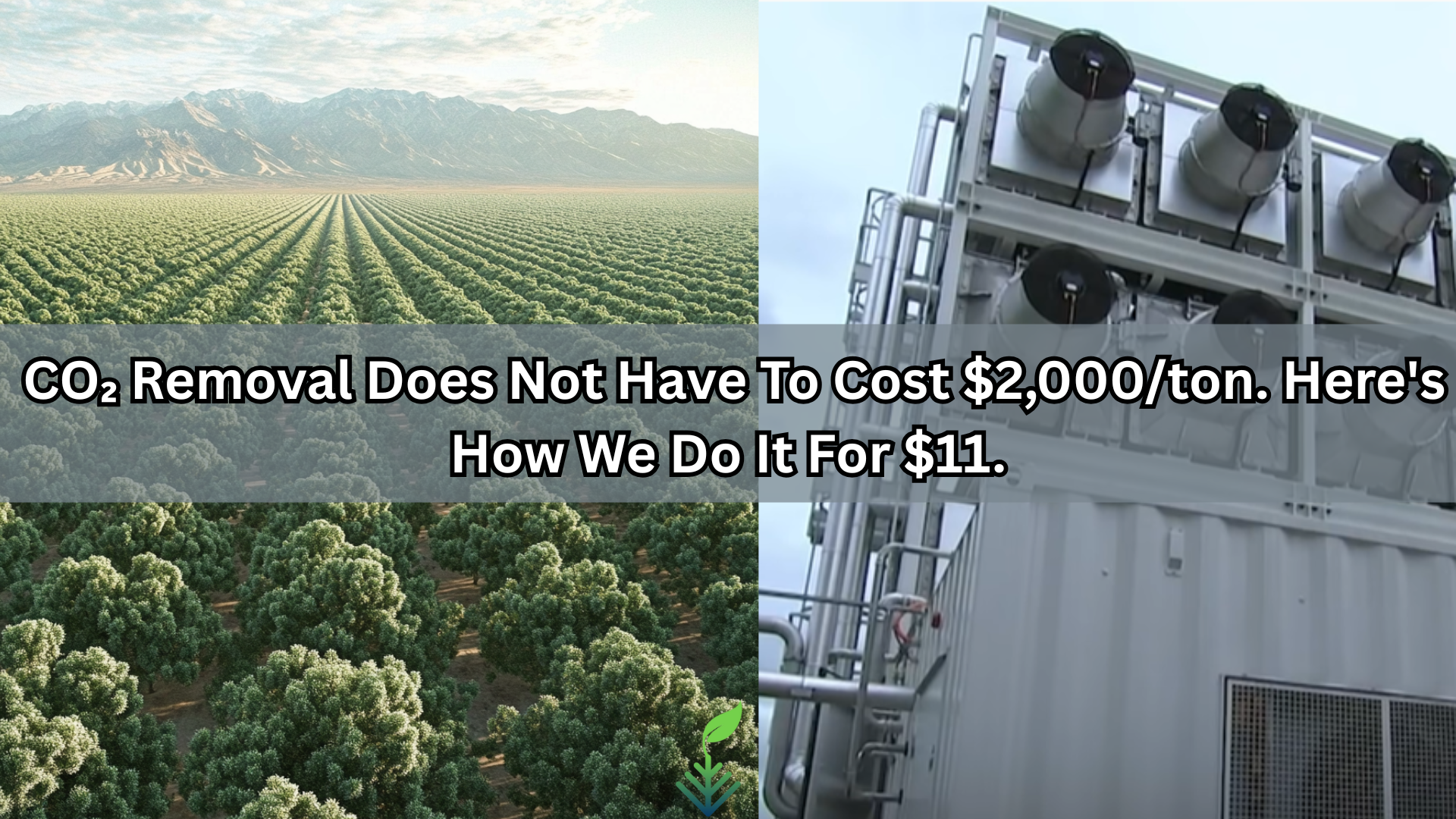
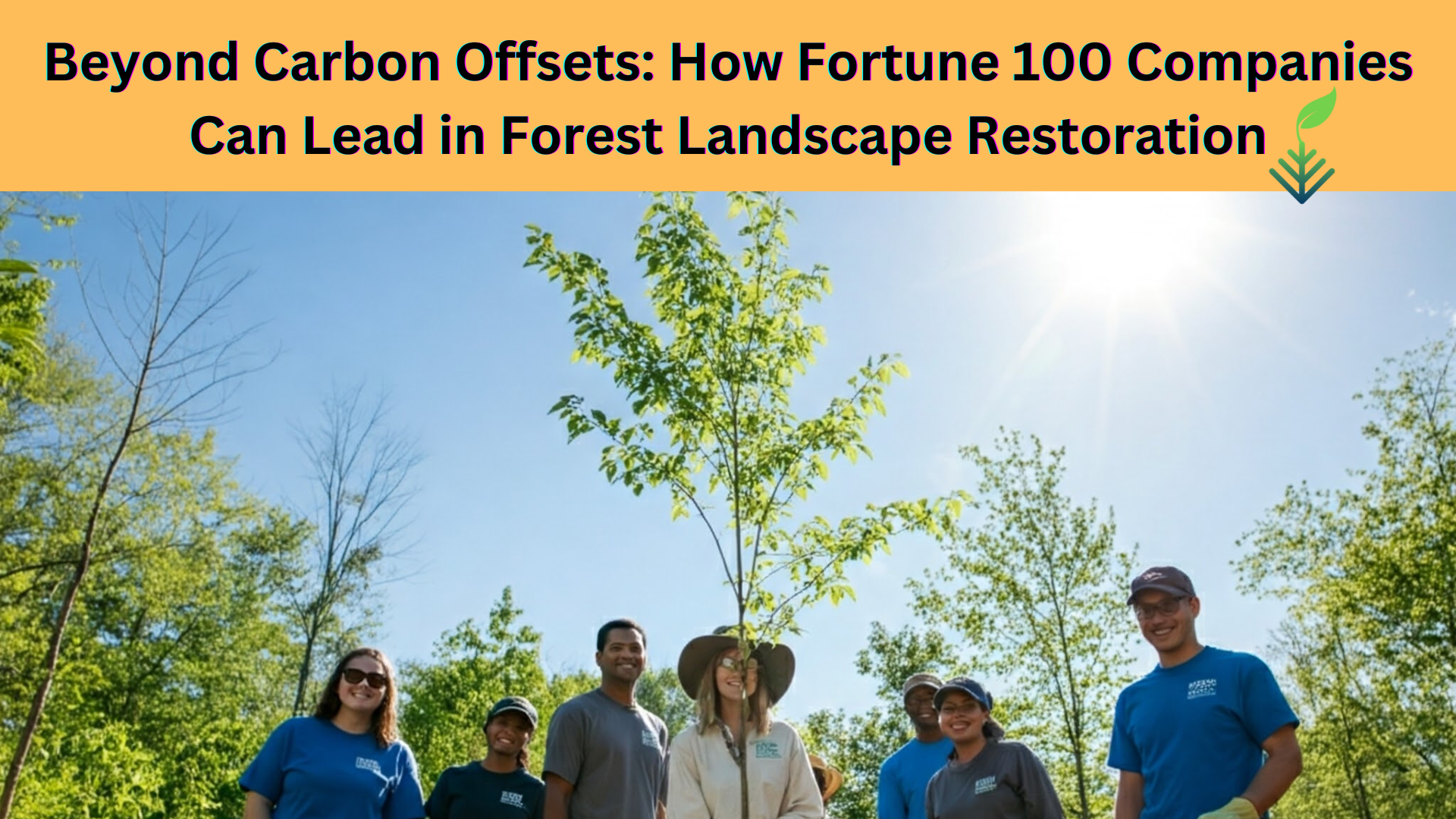
The urgency of the climate crisis has pushed corporations to seek ways to neutralize their environmental impact. While tree-planting initiatives and carbon offset programs have gained popularity, a more holistic and impactful approach is emerging: Forest Landscape Restoration (FLR).

Fortune 100 companies, with their significant resources and influence, have a unique opportunity to lead the charge in this critical area, and incorporating fast-growing, versatile trees like Paulownia can significantly enhance these efforts and make them profitable! #carbonmining.

The Advantages of Simple Tree Planting For Carbon Offsets

Simple tree planting does have valuable advantages, especially when done right. Here are some key areas to consider:

1. Cost-Effectiveness

  • Compared to many technological carbon removal solutions, tree planting is often more affordable upfront.
  • This makes it accessible to a wider range of organizations and individuals who want to take climate action.

2. Scalability

  • Tree planting can be implemented on a large scale, across diverse landscapes, semi arid conditions and geographies.
  • This allows for significant carbon removal potential when projects are implemented strategically.

Trees Provide Numerous Benefits Beyond Carbon Sequestration

3. Co-Benefits What you need to know about tree planting co-benefits:

  • Biodiversity: They create habitats for wildlife, supporting ecosystem health.
  • Water Cycle Regulation: Trees improve water infiltration, reduce runoff, and help regulate local water cycles.
  • Soil Health: Tree roots stabilize soil, prevent erosion, and improve soil fertility.
  • Air Quality: Trees filter air pollution and improve air quality.
  • Community Benefits: Tree planting can provide jobs, resources (like fruit or timber), and improve the livelihoods of local communities.
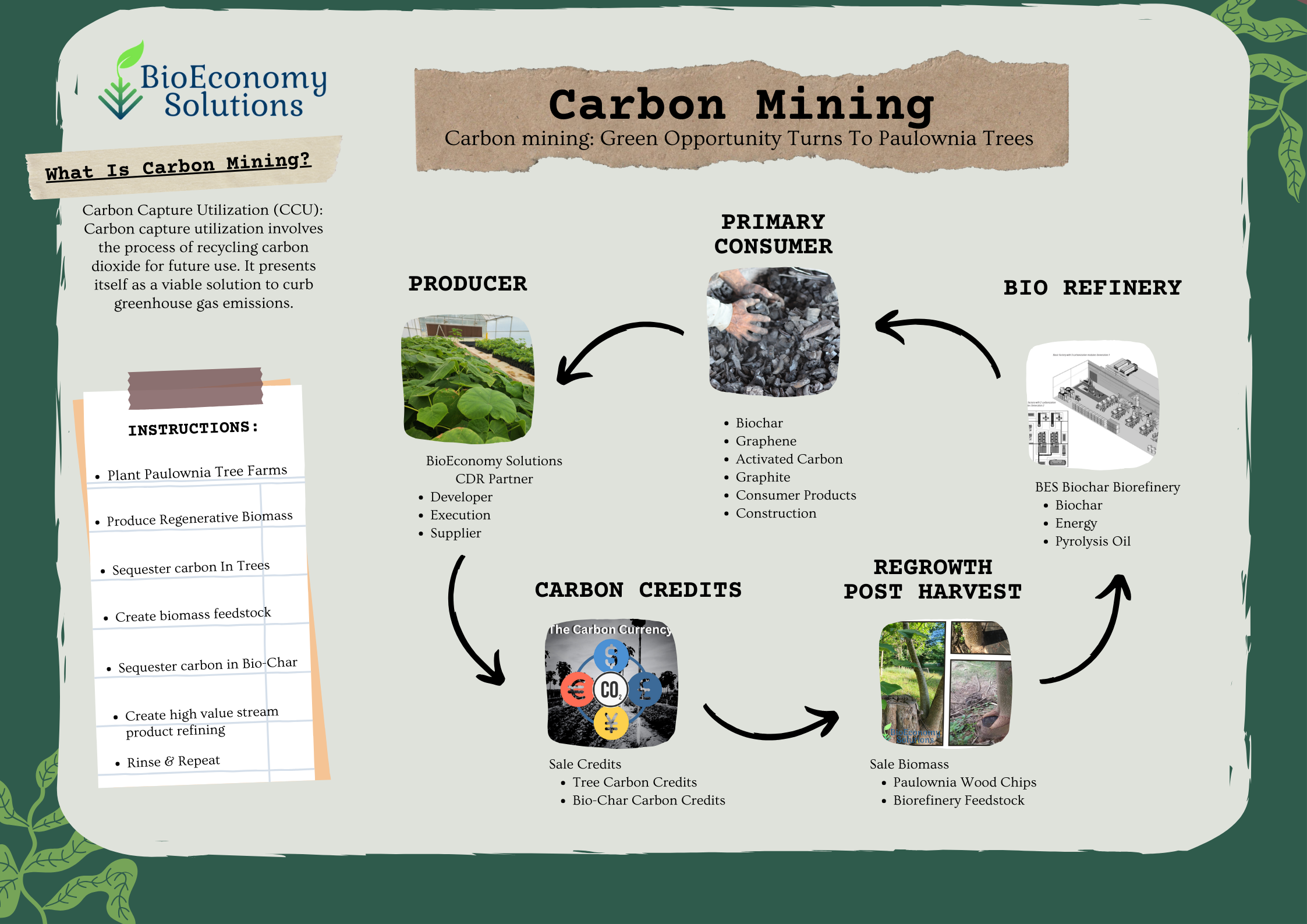
  • Income Benefits For CDR Project Stakeholders: Planting trees for #carbonmining, trees are the store of value for the creation of, carbon credits, woody biomass, biochar, graphite, graphene and more. What is  Carbon Mining?

4. Relative Simplicity

  • While effective tree planting requires planning and management, the basic concept is relatively simple to understand and implement.
  • This can encourage broader participation in climate action from individuals, communities, and organizations.

5. Tangible Impact

The Power of Forest Landscape Restoration

FLR goes beyond simply planting trees. It’s a holistic approach that aims to restore the ecological integrity of entire landscapes, bringing a multitude of benefits:

  • Enhanced Carbon Sequestration: FLR focuses on restoring diverse and resilient forests that maximize carbon storage over the long term.
  • Increased Biodiversity: By restoring native species and habitats, FLR helps protect and enhance biodiversity, crucial for ecosystem health and resilience.
  • Improved Water Security: Healthy forests regulate water cycles, improve water quality, and reduce the risk of floods and droughts.
  • Community Empowerment: FLR often involves local communities in planning and implementation, creating economic opportunities and improving livelihoods.

The Paulownia Advantage

Incorporating Paulownia trees into FLR initiatives can further amplify the positive impact:

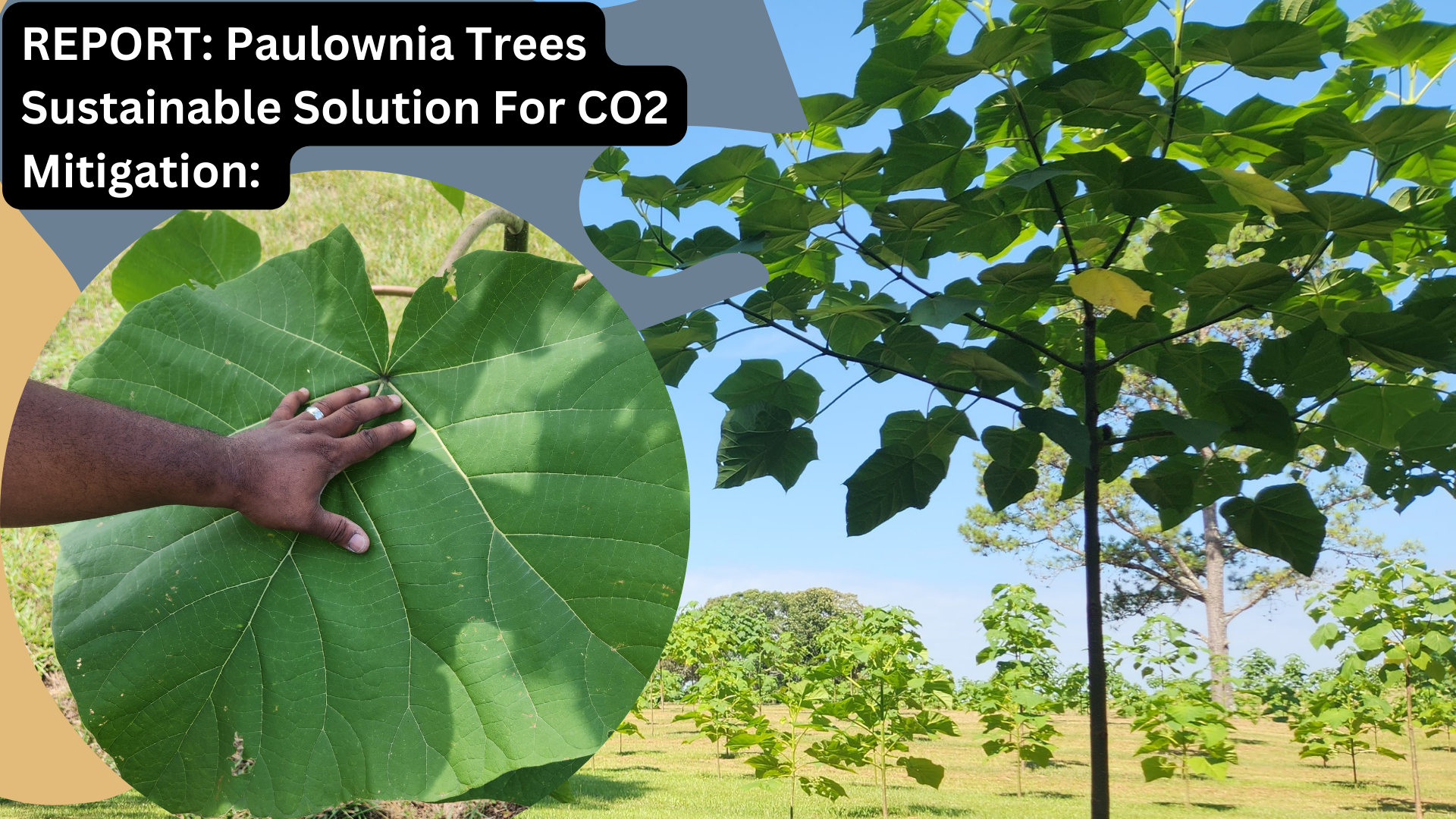
  • Rapid Growth and Carbon Sequestration: Paulownia is known for its exceptionally fast growth rate, allowing for rapid carbon sequestration and biomass production.
  • Soil Improvement: Paulownia’s deep root system helps improve soil structure, prevent erosion, and enhance water infiltration.
  • Biodiversity Support: Paulownia plantations can be designed to support biodiversity by integrating native species and creating diverse habitats.
  • Economic Opportunities: Paulownia timber is valuable for a variety of uses, providing economic benefits for local communities.

Fortune 100 Leaders in Forest Landscape Restoration (FLR)

Several Fortune 100 companies are already demonstrating leadership in FLR:

  • International Paper: This global paper and packaging company has committed to restoring 1 million acres of forestland in the southern US, focusing on biodiversity conservation and sustainable forest management.
  • Microsoft: Through its AI for Earth program, Microsoft is supporting FLR projects around the world, using technology to monitor forest health, track progress, and optimize restoration efforts.
  • Unilever: This consumer goods giant has partnered with organizations like the World Resources Institute to support FLR initiatives in key sourcing regions, promoting sustainable agriculture and forest conservation.

Actionable Steps for Companies

Here’s how Fortune 100 companies can integrate FLR into their sustainability strategies:

  1. Go Beyond Offsets: Shift from a transactional approach to a long-term commitment to forest restoration.
  2. Embrace a Holistic Approach: Consider the ecological, social, and economic dimensions of FLR, engaging local communities and stakeholders.
  3. Invest in Science and Technology: Utilize the latest research and technologies to optimize restoration efforts and monitor progress with “Net Eco Exchange”.
  4. Partner for Impact: Collaborate with BioEconomy Solutions, governments, and local communities to leverage expertise and resources.
  5. Communicate Transparently: Report on FLR initiatives and their impact, showcasing leadership and inspiring others.
  6. Explore Paulownia: Investigate the potential of Paulownia trees as an nature-based solution for carbon sequestration, soil health, and biodiversity in FLR projects.

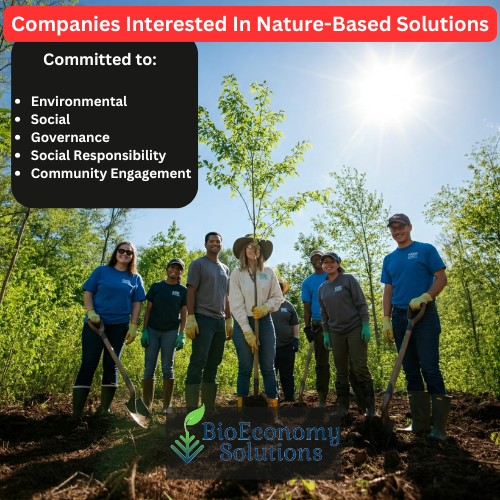
By embracing FLR and incorporating innovative Nature-Based Solutions like Paulownia, Fortune 100 companies can meet and exceed their commitments to:

  • Environmental, Social, Governance (ESG)
  • Social Responsibility Investments (SRI)
  • Community Engagement

Move your organization beyond carbon offsets and become true leaders in creating a more sustainable and resilient future for our planet.


CONTACT US

LEARN MORE

Visit us at: https://bioeconomysolutions.com/paulownia-carbon-credits/ Let’s chat about paulownia tree solutions for sustainable Forest carbon credits projects.

Where to buy paulownia? We’re providing new paulownia trees from our U.S. South Carolina Paulownia tree farm facility.

Contact Us for details. Office: 843.305.4777 | Email: mail@bioeconomysolutions.com Here’s a link to our online calendar, schedule a conference call with us: www.bioeconomysolutions.com/bookcall

LIKE|SHARE|COMMENT

Enjoy this article? You may also enjoy “Top Ten Reasons to Choose Paulownia Trees for Your Next Carbon Development Project”

https://www.linkedin.com/pulse/top-ten-reasons-choose-paulownia-trees-your-next-victor-garlington-ybkie