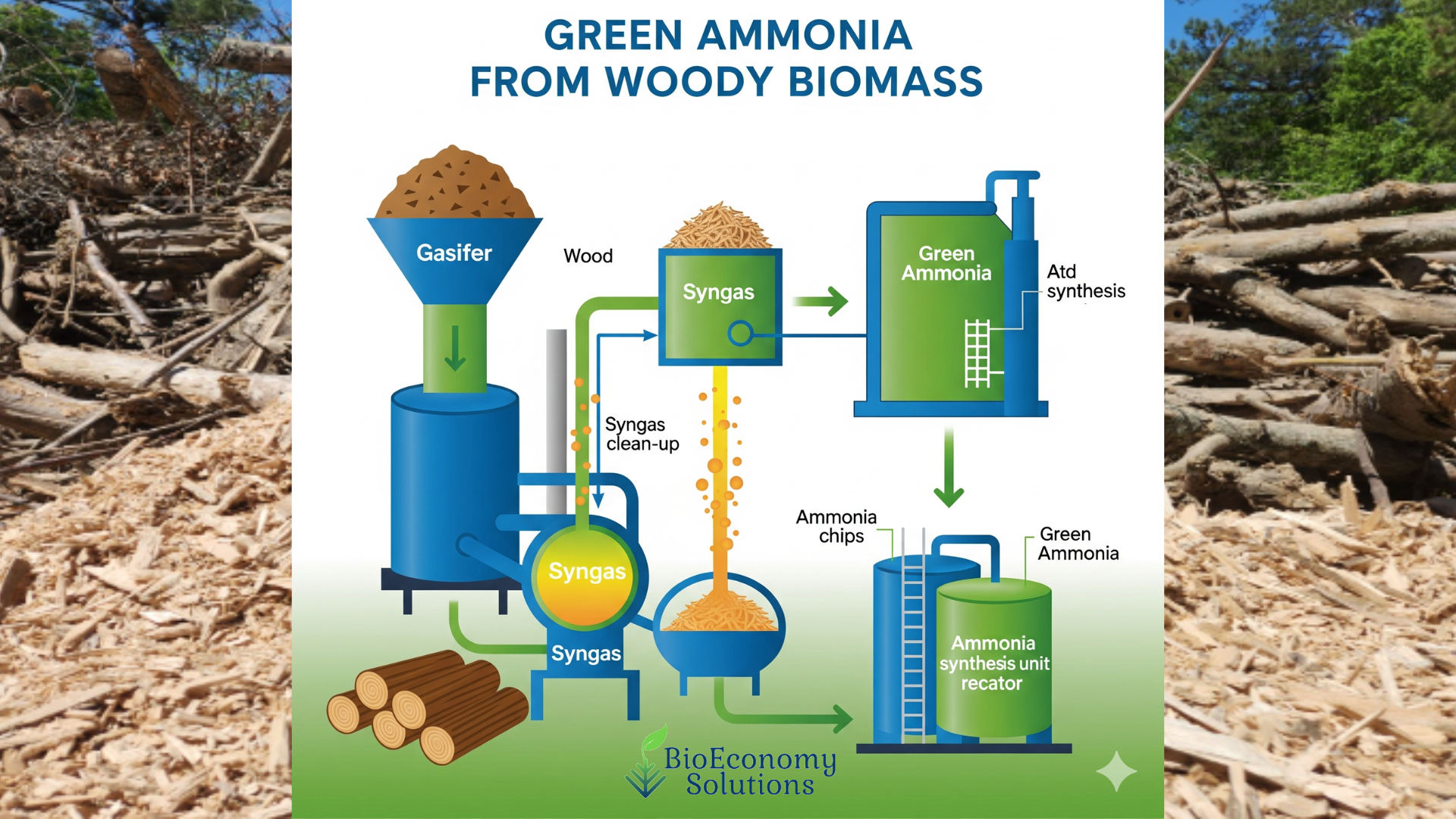
The world is racing to decarbonize agriculture and heavy industry. One of the biggest game-changers? Green ammonia—a clean fuel and fertilizer made without fossil fuels. But what if you could produce it from a fast-growing, carbon-sequestering tree? Enter Paulownia.

Why Green Ammonia?

Ammonia (NH₃) is a critical ingredient in fertilizer and a promising zero-carbon fuel. Traditionally, it’s made from natural gas, releasing huge amounts of CO₂. Green ammonia, produced using renewable energy and sustainable feedstocks, is the future of both food and energy security.

The primary USDA program supporting alternative fertilizers is the Fertilizer Production Expansion Program (FPEP), which provides grants to U.S. businesses and organizations to increase domestic manufacturing and processing of fertilizers and nutrient alternatives, aiming to lower costs, reduce reliance on foreign suppliers, and promote sustainable practices. Eligible projects include modernizing equipment, adopting new technologies, and building plants for producing innovative fertilizers, including biobased and organic options, and those that enhance soil health and nutrient use efficiency.

What the Program Does

  • Increases Domestic Production:
  • Promotes Innovation:
  • Boosts Competition:
  • Reduces Foreign Dependence:

The Paulownia Advantage

Paulownia trees are among the fastest-growing on earth, thriving on degraded land and capturing massive amounts of CO₂. Their wood chips are a renewable, high-yield biomass source—perfect for green ammonia production.

How It Works: Biomass Pathways

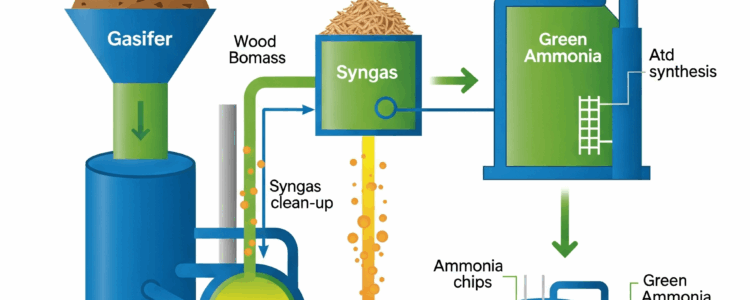
  1. Paulownia Cultivation
  2. Biomass Gasification
  3. Hydrogen Extraction
  4. Green Ammonia Synthesis

Why Carbon is Money

  • Carbon Credits: Every ton of CO₂ sequestered by Paulownia and every ton avoided by green ammonia production can be monetized as carbon credits. Biochar byproducts can generate 2.5–3.26 credits per ton.
  • Premium Markets: Green ammonia commands a price premium in global fertilizer and shipping markets.
  • Multiple Revenue Streams: Timber, carbon credits, biochar, and now green ammonia—all from the same tree.
Real-World Impact

  • Decarbonize Agriculture: Replace fossil-based fertilizers with green ammonia, slashing emissions.
  • Clean Shipping Fuel: Ammonia is emerging as a zero-carbon fuel for ships.
  • Rural Economic Growth: Farmers and landowners can profit from carbon, timber, and energy markets.

The Bottom Line

Paulownia isn’t just a tree—it’s a carbon mining platform. By turning its biomass into green ammonia, you’re not just growing trees. You’re growing money, decarbonizing the planet, and building the future of clean energy and agriculture.

Carbon is money. Paulownia is the bank. Green ammonia is the future.


Conclusion

The Paulownia tree, with its FAST growth rate, carbon capture abilities, and adaptability, is a powerful tool in climate change mitigation, biodiversity support, and sustainable forest management. When used appropriately in afforestation and reforestation projects, it holds the potential to restore ecosystems, combat deforestation, and provide long-term environmental and economic benefits.

Contact Us

BioEconomy Solutions is a Carbon Dioxide Removal (CDR) Project Developer. Talk to us about our TREE PLANTING strategies with Paulownia trees.

We’re happy to organize a time to speak with you about our paulownia trees and lumber we have for sale. Please book your preferred time to speak directly.

Here’s a link to my online calendar/schedule:

www.bioeconomysolutions.com/bookcall

BioEconomy Solutions

mail@BioEconomySolutions.com

Office: 843.305.4777

Visit us at: https://bioeconomysolutions.com/paulownia-carbon-credits/ Let’s chat about paulownia tree solutions for sustainable Forest carbon credits projects.

LIKE|SHARE|COMMENT

Enjoy this article? You may also enjoy “Carbon Developers Choose Paulownia Trees” https://www.linkedin.com/pulse/carbon-developers-choose-paulownia-trees-victor-garlington-imh4e/

Subscribe to our newsletter
Subscribe to our newsletter

Green Methanol Woody Biomass
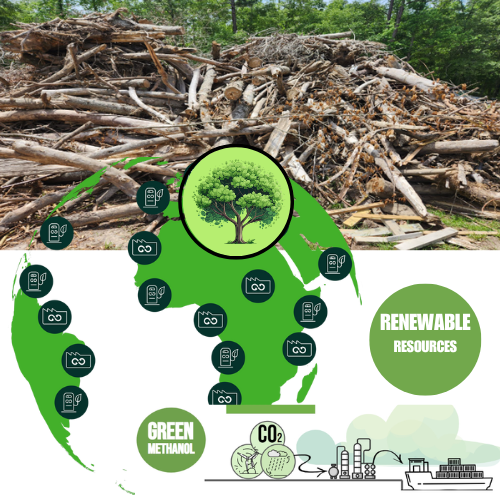
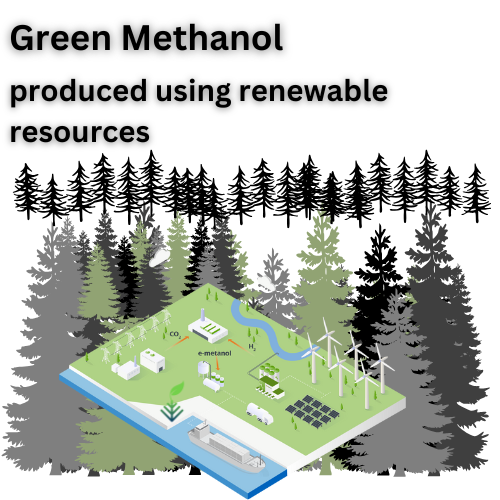
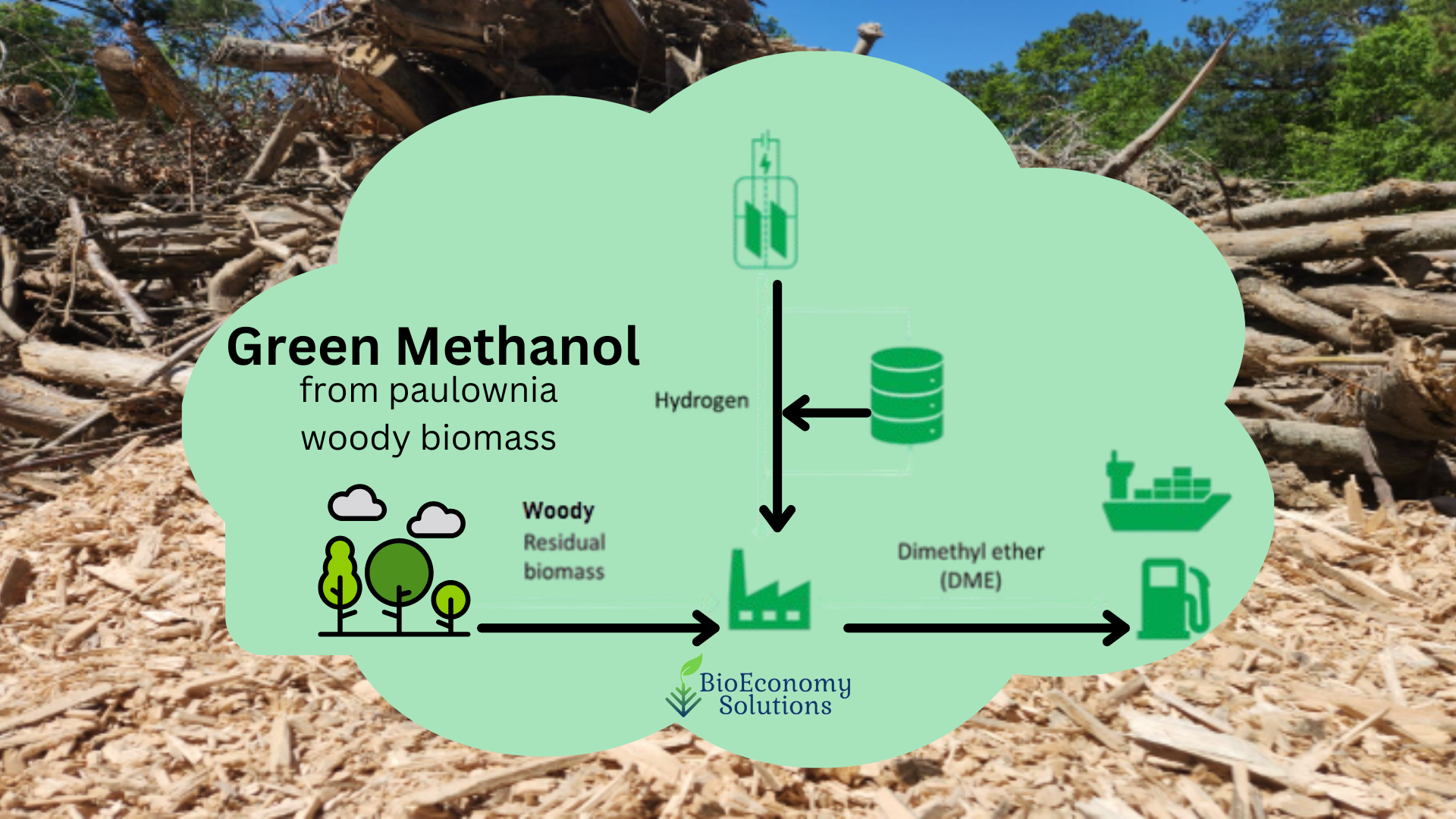
Green methanol from paulownia woody biomass is a promising sustainable alternative to fossil-fuel-derived methanol. Green methanol is produced using renewable resources and has the potential to significantly reduce greenhouse gas emissions. Here’s a breakdown of the process and its benefits:

Production Process:
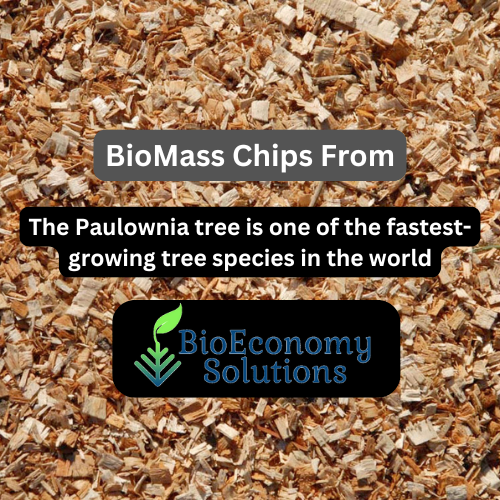
Wood Chips BioMass: BioMass Chips From https://www.linkedin.com/pulse/fast-growing-purposed-grown-paulownia-biomass-victor-garlington-3ride/

The Paulownia tree is one of the fastest-growing tree species in the world, capable of growing up to 10-15 feet in a single year under ideal conditions. With a potential biomass yield of up to 150 tons per acre per year, this tree offers an abundant, renewable feedstock.

Biomass Gasification: Paulownia Woody biomass, from forest residues, wood chips, or dedicated energy crops, is heated in a controlled environment with limited oxygen. This process converts the biomass into a synthesis gas (syngas), primarily composed of hydrogen, carbon monoxide, and carbon dioxide.

BioChar Production: Utilizes pyrolysis to produce biochar and has numerous benefits to the environment and the bottom line. This process emits syngas. What is biochar? https://bioeconomysolutions.com/what-is-biochar/

Syngas Cleaning and Conditioning: The syngas is cleaned to remove impurities like tar and adjusted to the proper hydrogen-to-carbon monoxide ratio (2:1) for methanol synthesis.

Methanol Synthesis: The purified syngas is then reacted over a catalyst at elevated temperatures and pressures to produce methanol.

Methanol Purification: The raw methanol is purified to remove any remaining impurities and achieve the desired quality.

Benefits of Green Methanol from Woody Biomass:
Renewable and Sustainable: paulownia woody biomass is a renewable resource that can be sustainably sourced, reducing reliance on fossil fuels.

Reduced Greenhouse Gas Emissions: Compared to conventional methanol production, this process can significantly reduce greenhouse gas emissions. The biomass feedstock absorbs carbon dioxide during growth, creating a closed carbon loop.

Energy Security: Utilizing domestic paulownia woody biomass resources can enhance energy security and reduce dependence on foreign oil.

Economic Development: It can create jobs and stimulate economic growth in rural areas with abundant biomass resources.

Versatile Applications: Green methanol can be used as a fuel in various applications, including transportation, power generation, and the production of chemicals and plastics.

Growing Green Methanol Market

Multiple companies and research institutions are actively involved in developing and commercializing green methanol production from paulownia woody biomass.

Feedstock Availability: Ensuring a sustainable and reliable supply of paulownia woody biomass can be challenging, especially when considering competition with other biomass uses like bioenergy or biofuels. Fast growing purpose grown paulownia biomass ensures biomass feedstock availability for the market.

Production Costs: Currently, green methanol production from paulownia woody biomass can be more expensive than conventional methanol. However, advancements in technology and economies of scale are expected to reduce costs in the future.

Infrastructure: Existing infrastructure for methanol production and distribution may need to be adapted or expanded to accommodate green methanol in certain market places.

Scale-up: The main bottleneck for near-future scaling is the capacity to construct new bio-methanol production facilities

Overall, green methanol from paulownia woody biomass represents a promising pathway towards a more sustainable and decarbonized energy future. Green methanol produced from paulownia woody biomass and other renewables could fuel a growing percentage of vehicles and ships in the coming decades.

As technology advances and production costs decrease, it has the potential to play a significant role in various sectors, reducing our reliance on fossil fuels and mitigating climate change.

CONTACT US

Visit us at: https://bioeconomysolutions.com/paulownia-carbon-credits/ Let’s chat about Fast Growing Purposed Grown Paulownia BioMass solutions for sustainable Forest carbon credits projects.

Where to buy paulownia? We’re providing new paulownia trees from our U.S. South Carolina Paulownia tree farm facility.

Contact Us for details. Office: 843.305.4777 | Email: mail@bioeconomysolutions.com Here’s a link to our online calendar, schedule a conference call with us: www.bioeconomysolutions.com/bookcall

LIKE|SHARE|COMMENT

Enjoy this article? You may also enjoy “Carbon Mining: Green Opportunity Turns To Paulownia Treeshttps://www.linkedin.com/pulse/carbon-mining-green-opportunity-turns-paulownia-trees-garlington-895se/