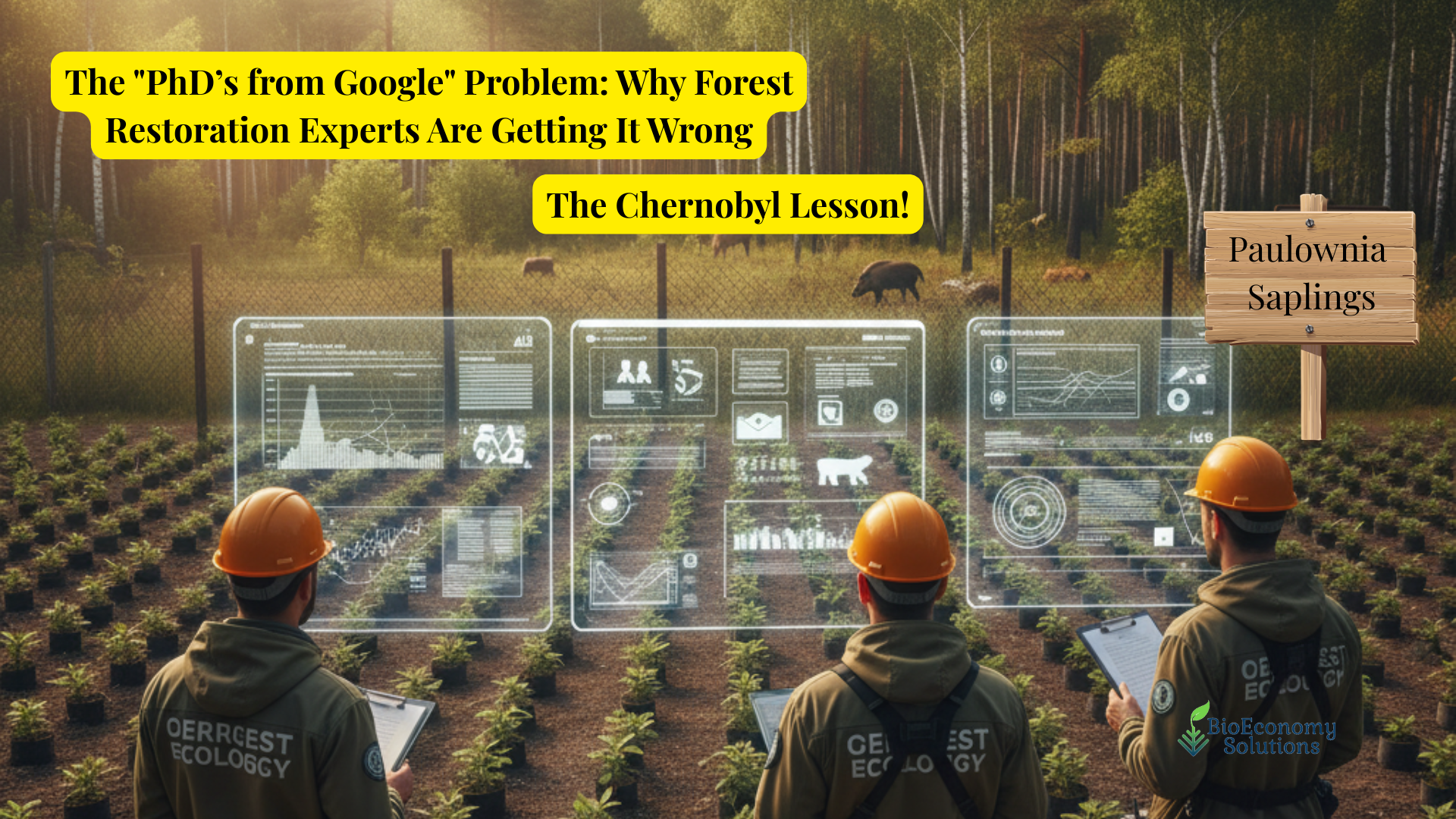
The “PhD from Google” Problem: Why Forest Restoration Experts Are Getting It Wrong (And What Chernobyl Teaches Us)!

They have PhDs in ecology. They study forest restoration for decades.

But they’re missing the biggest lesson hiding in plain sight.

While forest restoration experts debate the evils of “monoculture” tree planting, there’s a radioactive wasteland that became Europe’s most biodiverse ecosystem—without a single PhD managing it.

The lesson from Chernobyl changes everything we think we know about restoration.

The Academic Blind Spot
Walk into any forest restoration conference and you’ll hear the same refrain:

  • “Tree planting is just monoculture!”
  • “Single species plantations create green deserts!”
  • “We need natural diversity, not fast-growing exotics!”

They’re not wrong about the problem.

Most large-scale tree planting does create ecological dead zones:

  • Single species (pine, eucalyptus) for easy management
  • No understory diversity
  • Vulnerable to pests and disease
  • Poor soil health and nutrient cycling
  • But they’re missing the solution hiding in their own backyard.
The Chernobyl Revelation
April 26, 1986: Nuclear disaster creates 2,600 km² exclusion zone.

What happened next shocked ecologists:

The most contaminated place on Earth became Europe’s most biodiverse ecosystem.

How is this possible?

The answer reveals everything wrong with modern restoration thinking:

Human Absence > Perfect Management

What Chernobyl eliminated:

  • Hunting and trapping
  • Industrial agriculture
  • Logging and development
  • Chemical inputs
  • Intensive land management

The result:

  • Wolf populations 7x higher than surrounding areas
  • Brown bears returned after century-long absence
  • Elk, deer, boar thriving despite radiation
  • Diverse habitats: forests, meadows, wetlands, abandoned settlements
  • The brutal truth: Removing human interference worked better than decades of restoration science.

The Rewilding Revolution
Smart farmers are learning from Chernobyl’s accidental lesson.

The new trend: Agricultural rewilding

Instead of fighting nature, they’re stepping back and letting ecological processes lead.

Two Rewilding Models:

Land Sparing:

Convert marginal land entirely to rewilding
Intensify sustainable production on best land
Create wildlife corridors and habitat patches

Land Sharing:

Integrate nature recovery across entire farm
Agroecology, rotational grazing, wide margins
Harmonize food production with biodiversity
The Economic Breakthrough:
Traditional farming: Single revenue stream, high input costs
Rewilding farms: Multiple income sources

Ecotourism and nature experiences
Government environmental payments
Carbon and biodiversity credits
Reduced input costs (fertilizers, pesticides)
Why Forest Experts Miss the Point
The academic trap: Perfect is the enemy of good.
While PhDs debate species composition and natural succession, degraded land sits empty for decades waiting for the “perfect” restoration plan.

Meanwhile, practical solutions exist:

The Guardian Species Approach
Instead of monoculture OR natural diversity, smart restoration uses pioneer species that enable native recovery.

Example: Paulownia as ecosystem catalyst

Fast establishment: Creates habitat structure in 3-5 years vs. decades
Soil improvement: 15-foot taproots break hardpan, increase organic matter 400%
Microclimate creation: Large leaves provide shade, reduce evaporation
Native species enablement: 85% survival rate for native seedlings vs. 30% on bare land
This isn’t monoculture—it’s strategic succession.

The Intercropping Advantage
Academic view: Single species = bad
Reality: Strategic species can support incredible diversity

Paulownia plantations support:

Food crops (soybeans, groundnuts) between rows
Pollinator habitat from flowers
Wildlife corridors and nesting sites
Soil biology restoration
Water retention and erosion control
The Data That Changes Everything
China’s Loess Plateau: World’s largest ecosystem restoration project

35,000 square miles of degraded land restored
Pioneer species approach using fast-growing trees
Result: 2.5 million people lifted from poverty while sequestering massive carbon

Costa Rica’s forest recovery:

Forest cover increased from 24% to 54% in 30 years
Strategy: Fast-growing species + native conservation
Economic model: $500 million forest economy
The pattern: Successful restoration combines speed with diversity, economics with ecology.
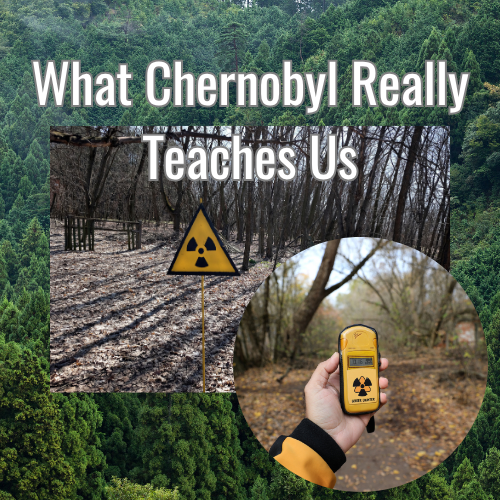
What Chernobyl Really Teaches Us

Lesson 1: Absence of harm > presence of perfection
Sometimes the best management is minimal management.

Lesson 2: Nature is more resilient than we think
Even radiation couldn’t stop ecological recovery when human pressure was removed.

Lesson 3: Diversity emerges from opportunity, not planning
Create the right conditions, and biodiversity follows naturally.

Lesson 4: Time scales matter
Chernobyl’s 40-year recovery timeline shows patience pays off—but strategic intervention can accelerate the process.

The New Restoration Paradigm

Old thinking: Plan perfect ecosystem, plant native species, wait decades
New thinking: Create conditions for natural recovery, accelerate with strategic species

The Practical Framework:
Phase 1: Rapid Establishment (Years 1-3)

Plant fast-growing pioneer species (like Paulownia)
Establish basic habitat structure
Improve soil conditions and microclimate

Phase 2: Diversity Integration (Years 3-7)

Introduce native species in improved conditions
Allow natural colonization from seed sources
Manage for increasing complexity

Phase 3: Ecosystem Maturation (Years 7-20)

Reduce management intervention
Allow natural succession processes
Monitor and adapt as needed
The Economic Engine:
Revenue streams fund restoration:

Timber from pioneer species
Carbon credits from sequestration
Biodiversity credits from habitat creation
Sustainable products from managed harvests

Self-funding restoration: Projects pay for themselves while delivering ecological benefits.

Why This Matters Now
The restoration challenge is massive:

2 billion hectares of degraded land globally
Climate targets requiring rapid carbon sequestration
Biodiversity crisis demanding habitat restoration
Economic pressures on rural communities

Traditional approaches are too slow:

Decades for native forest establishment
High failure rates on degraded soils
Limited economic incentives
Academic debates while land stays degraded

The Chernobyl lesson:

Sometimes stepping back and letting nature lead—with strategic assistance—works better than micromanagement.

The Path Forward For restoration practitioners:

Embrace pioneer species that enable native recovery
Design for economic sustainability from day one
Focus on ecosystem function over species purity
Learn from natural succession patterns

For policymakers:

Support restoration approaches that combine speed with diversity
Create economic incentives for ecosystem services
Reduce regulatory barriers to innovative restoration
Fund long-term monitoring and adaptive management

For landowners:

Consider rewilding marginal or degraded land
Explore multiple revenue streams from restoration
Partner with restoration experts and carbon markets
Think in decades, not years
The Bottom Line

The forest restoration debate isn’t really about monoculture vs. diversity.

It’s about perfection vs. progress.

While academics debate ideal species compositions, degraded land sits empty. While experts plan perfect ecosystems, climate change accelerates.

Chernobyl’s accidental lesson: Nature is incredibly resilient when given the chance to recover—even under the worst possible conditions.

The practical solution: Strategic intervention that accelerates natural processes while creating economic incentives for long-term stewardship.

The choice: Wait decades for perfect restoration, or start now with good restoration that improves over time.

Sometimes the best forest management is knowing when to step back and let nature lead.

But first, you have to create the conditions for success.

That’s where strategic species selection, economic sustainability, and long-term thinking converge.

The radioactive wasteland that became a biodiversity hotspot shows us the way.

Ready to rethink restoration? The lessons from Chernobyl, rewilding farms, and successful ecosystem recovery projects point toward a new paradigm: strategic intervention that enables natural recovery while creating economic incentives for long-term success.

The forest restoration revolution isn’t about choosing between human management and natural processes—it’s about finding the sweet spot where both work together.


CONTACT US
Contact BioEconomy Solutions for afforestation, reforestation & carbon portfolio assessment.

Your next audit could be a profit opportunity instead of a compliance expense.

We’re happy to organize a time to speak with you about our paulownia trees and lumber we have for sale. Please book your preferred time to speak directly.

Book a Conversation: Here’s a link to my online calendar/schedule:

www.bioeconomysolutions.com/bookcall

BioEconomy Solutions

mail@BioEconomySolutions.com

Office: 843.305.4777

LIKE|SHARE|COMMENT

Join Our Newsletter – Get a FREE copy of Paulownia Carbon Report

Subscribe to our newsletter
Subscribe to our newsletter

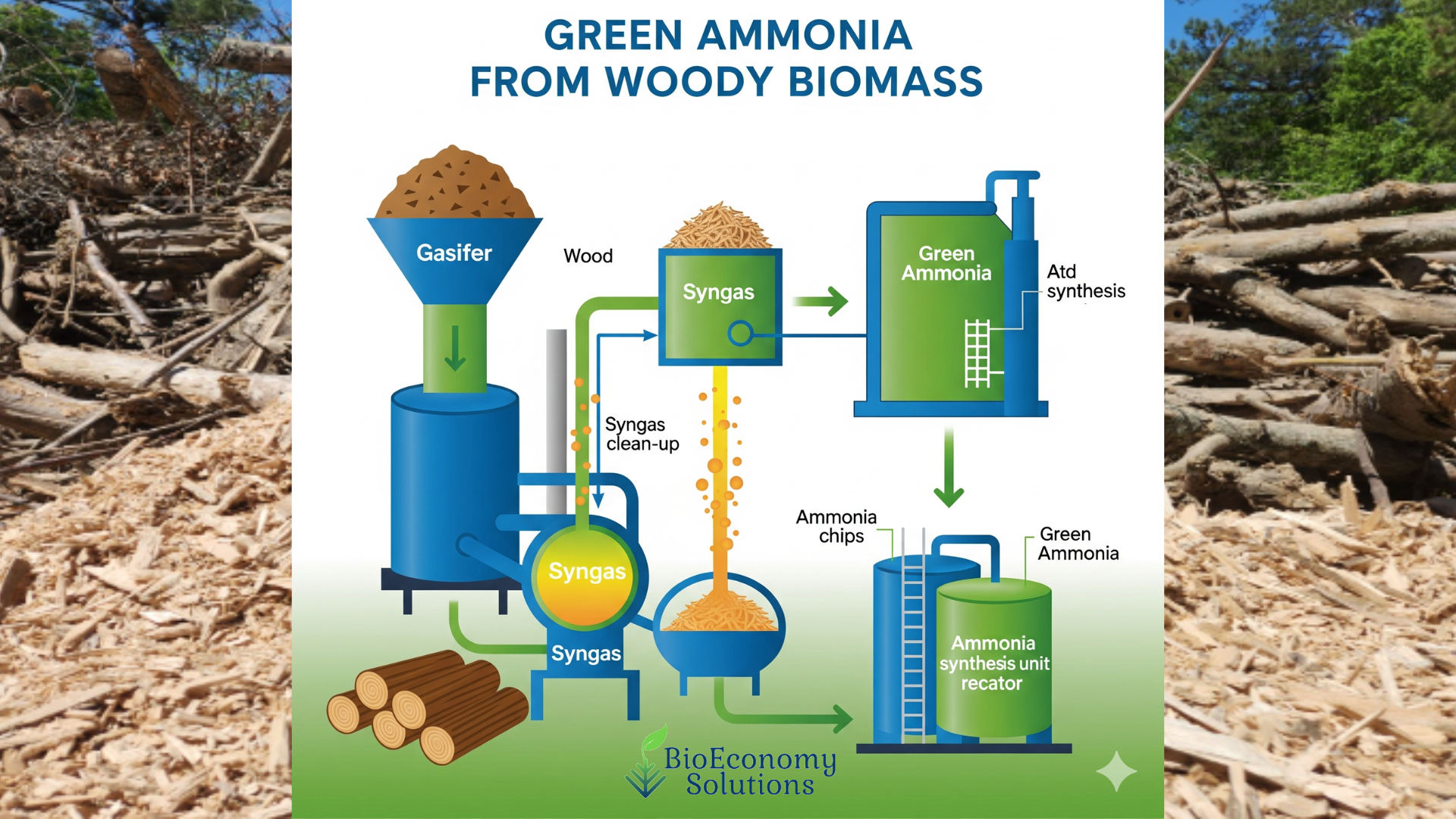
The world is racing to decarbonize agriculture and heavy industry. One of the biggest game-changers? Green ammonia—a clean fuel and fertilizer made without fossil fuels. But what if you could produce it from a fast-growing, carbon-sequestering tree? Enter Paulownia.

Why Green Ammonia?

Ammonia (NH₃) is a critical ingredient in fertilizer and a promising zero-carbon fuel. Traditionally, it’s made from natural gas, releasing huge amounts of CO₂. Green ammonia, produced using renewable energy and sustainable feedstocks, is the future of both food and energy security.

The primary USDA program supporting alternative fertilizers is the Fertilizer Production Expansion Program (FPEP), which provides grants to U.S. businesses and organizations to increase domestic manufacturing and processing of fertilizers and nutrient alternatives, aiming to lower costs, reduce reliance on foreign suppliers, and promote sustainable practices. Eligible projects include modernizing equipment, adopting new technologies, and building plants for producing innovative fertilizers, including biobased and organic options, and those that enhance soil health and nutrient use efficiency.

What the Program Does

  • Increases Domestic Production:
  • Promotes Innovation:
  • Boosts Competition:
  • Reduces Foreign Dependence:

The Paulownia Advantage

Paulownia trees are among the fastest-growing on earth, thriving on degraded land and capturing massive amounts of CO₂. Their wood chips are a renewable, high-yield biomass source—perfect for green ammonia production.

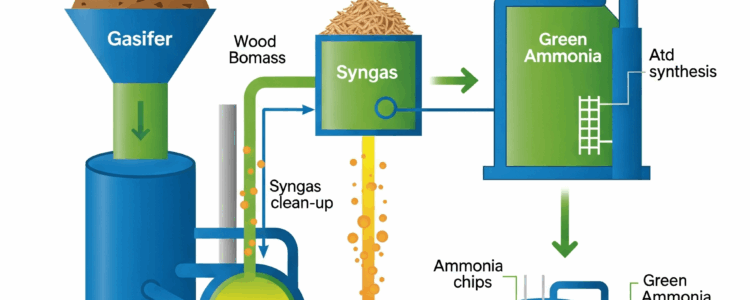
How It Works: Biomass Pathways

  1. Paulownia Cultivation
  2. Biomass Gasification
  3. Hydrogen Extraction
  4. Green Ammonia Synthesis

Why Carbon is Money

  • Carbon Credits: Every ton of CO₂ sequestered by Paulownia and every ton avoided by green ammonia production can be monetized as carbon credits. Biochar byproducts can generate 2.5–3.26 credits per ton.
  • Premium Markets: Green ammonia commands a price premium in global fertilizer and shipping markets.
  • Multiple Revenue Streams: Timber, carbon credits, biochar, and now green ammonia—all from the same tree.

Real-World Impact

  • Decarbonize Agriculture: Replace fossil-based fertilizers with green ammonia, slashing emissions.
  • Clean Shipping Fuel: Ammonia is emerging as a zero-carbon fuel for ships.
  • Rural Economic Growth: Farmers and landowners can profit from carbon, timber, and energy markets.

The Bottom Line

Paulownia isn’t just a tree—it’s a carbon mining platform. By turning its biomass into green ammonia, you’re not just growing trees. You’re growing money, decarbonizing the planet, and building the future of clean energy and agriculture.

Carbon is money. Paulownia is the bank. Green ammonia is the future.


Conclusion

The Paulownia tree, with its FAST growth rate, carbon capture abilities, and adaptability, is a powerful tool in climate change mitigation, biodiversity support, and sustainable forest management. When used appropriately in afforestation and reforestation projects, it holds the potential to restore ecosystems, combat deforestation, and provide long-term environmental and economic benefits.

Contact Us

BioEconomy Solutions is a Carbon Dioxide Removal (CDR) Project Developer. Talk to us about our TREE PLANTING strategies with Paulownia trees.

We’re happy to organize a time to speak with you about our paulownia trees and lumber we have for sale. Please book your preferred time to speak directly.

Here’s a link to my online calendar/schedule:

www.bioeconomysolutions.com/bookcall

BioEconomy Solutions

mail@BioEconomySolutions.com

Office: 843.305.4777

Visit us at: https://bioeconomysolutions.com/paulownia-carbon-credits/ Let’s chat about paulownia tree solutions for sustainable Forest carbon credits projects.

LIKE|SHARE|COMMENT

Enjoy this article? You may also enjoy “Carbon Developers Choose Paulownia Trees” https://www.linkedin.com/pulse/carbon-developers-choose-paulownia-trees-victor-garlington-imh4e/

Subscribe to our newsletter
Subscribe to our newsletter
They said this desert land was worthless.

5 years later, it’s a thriving forest ecosystem.

Here’s how Paulownia trees are turning the world’s most degraded landscapes into carbon-sequestering goldmines:

I just reviewed restoration data from 7 countries.

The results will change how you think about “impossible” land.

The Degraded Land Crisis:

• 2 billion hectares of degraded land globally

• $10.6 trillion in lost ecosystem services annually

• Traditional restoration: 50+ years, 60% failure rate

• Climate change accelerating desertification

Enter Paulownia’s secret weapon: The taproot system

While other trees struggle in compacted, nutrient-poor soil…

Paulownia’s roots dive 15+ feet deep, breaking through hardpan layers that have defeated restoration efforts for decades.

The Phytoremediation Process:

Year 1-2: Soil Breaking • Deep taproots fracture compacted earth • Root channels improve water infiltration by 300% • Mycorrhizal networks begin soil biology restoration

Year 3-5: Chemical Cleanup • Absorbs heavy metals (lead, cadmium, zinc) into biomass • Nitrogen fixation improves soil fertility • Large leaves create beneficial microclimate

Year 5+: Ecosystem Transformation • Soil organic matter increases 400% • Native species survival rates jump to 85% • Water table stabilization prevents further erosion

Real-World Success Stories:

🏜️ China’s Gobi Desert Project

  • 17+ million Paulownia planted
  • 35,000 square miles restored
  • 2.5 million people lifted from poverty

🌍 Pakistan’s Punjab Province

  • Degraded farmland rehabilitation
  • Sustainable timber + biomass production
  • Community-based economic development

🔅 Ethiopian Highlands

  • Slope stabilization preventing landslides
  • Watershed protection for downstream communities
  • Carbon credit revenue funding expansion

🔆 Spain’s Mediterranean Drylands

  • Drought-resistant restoration model
  • Integration with native oak recovery
  • Tourism revenue from restored landscapes

The Economics of Restoration:

Traditional Approach:

  • $15,000/hectare upfront cost
  • 20+ years to see results
  • High failure rates in degraded soils

Paulownia-Led Restoration:

  • $5,000/hectare initial investment
  • Revenue generation starts Year 3
  • 90%+ establishment success rate
  • Self-funding through timber/carbon sales

The Multiplier Effect:

Each Paulownia tree enables: • 5-10 native species to establish successfully • 50+ tons additional carbon sequestration • 1,000+ liters annual water retention • Habitat for 20+ bird species.

Why This Matters Now:

The UN Decade on Ecosystem Restoration needs to restore 1 billion hectares by 2030.

At current rates, we’ll achieve maybe 10% of that goal.

Paulownia doesn’t replace native forests. It makes native forest restoration economically viable.

The Investment Opportunity:

• $50+ billion in degraded land available globally • Carbon credits: $50-150/ton for restoration projects • Timber markets: $200-500/cubic meter for fast-growth species • Biodiversity offsets: Emerging premium market

Countries actively scaling Paulownia restoration: China, Pakistan, Ethiopia, Spain, Kenya, Niger, India, Egypt, Australia, USA

The Climate Urgency:

We can’t wait 50 years for traditional restoration.

We need solutions that work in degraded soils, generate immediate economic returns, and scale across continents.

Paulownia isn’t just growing trees. It’s growing hope on land the world gave up on.


What “impossible” restoration challenges are you facing?

Sometimes the fastest way forward is to plant the right tree first. 🌳

Tag someone working on land restoration projects – they need to see this.


Conclusion

The Paulownia tree, with its FAST growth rate, carbon capture abilities, and adaptability, is a powerful tool in climate change mitigation, biodiversity support, and sustainable forest management. When used appropriately in afforestation and reforestation projects, it holds the potential to restore ecosystems, combat deforestation, and provide long-term environmental and economic benefits.

Contact Us

BioEconomy Solutions is a Carbon Dioxide Removal (CDR) Project Developer. Talk to us about our TREE PLANTING strategies with Paulownia trees.

We’re happy to organize a time to speak with you about our paulownia trees and lumber we have for sale. Please book your preferred time to speak directly.

Here’s a link to my online calendar/schedule:

www.bioeconomysolutions.com/bookcall

BioEconomy Solutions

mail@BioEconomySolutions.com

Office: 843.305.4777

Visit us at: https://bioeconomysolutions.com/paulownia-carbon-credits/ Let’s chat about paulownia tree solutions for sustainable Forest carbon credits projects.

LIKE|SHARE|COMMENT

Enjoy this article? You may also enjoy “Carbon Developers Choose Paulownia Trees” https://www.linkedin.com/pulse/carbon-developers-choose-paulownia-trees-victor-garlington-imh4e/

Subscribe to our newsletter
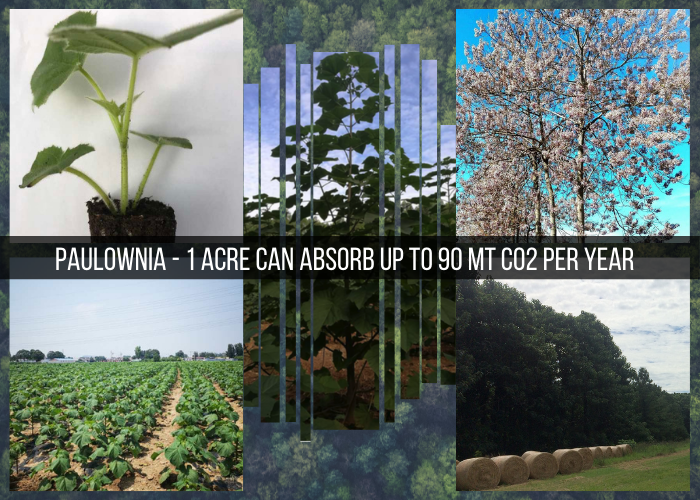
Subscribe to our newsletter
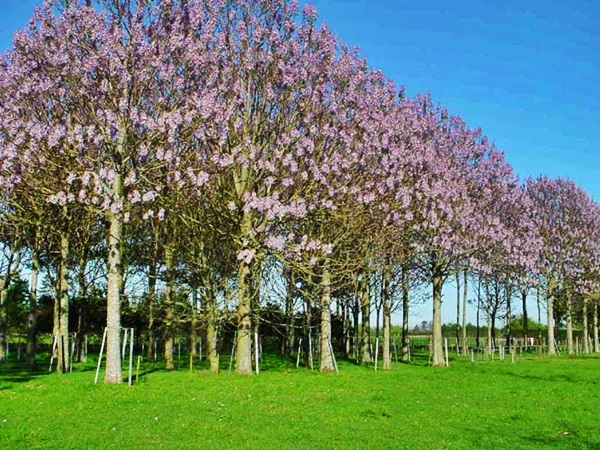
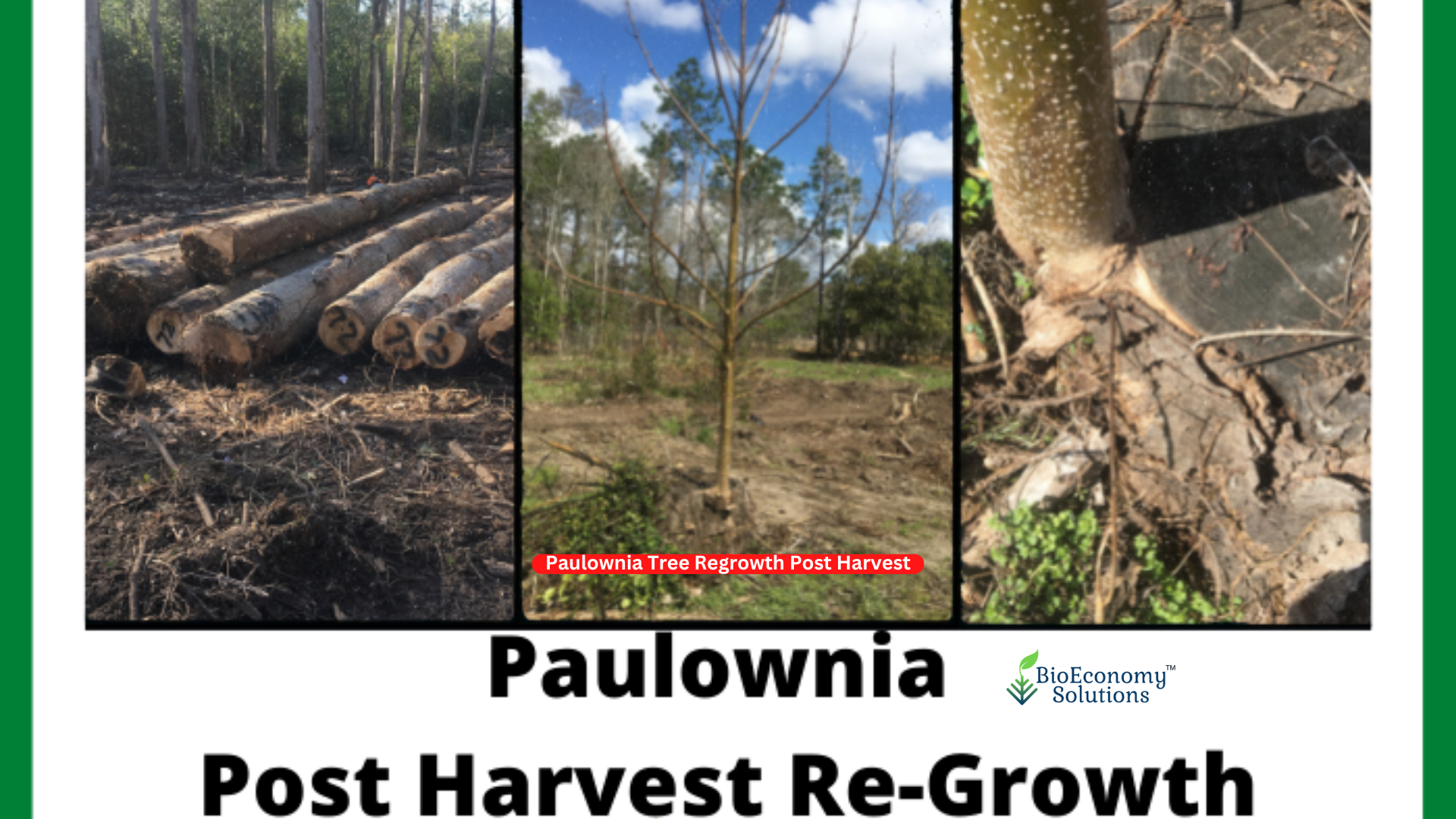
Cut it Down. Watch it Regrow in 90 Days.

In traditional forestry, cutting down a tree means starting over. You plant a seedling, wait years—or even decades—before it matures. That lag time makes lumber production slow, costly, and often unsustainable.

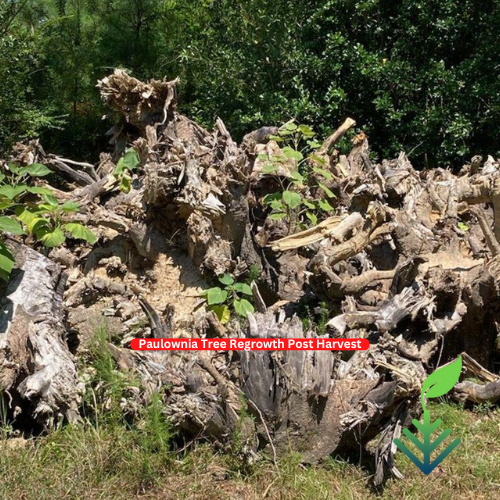
But what if a tree could regrow from its own stump in just 90 days?

That’s not science fiction—it’s the Paulownia tree.

The Tree That Refuses to Die

The Paulownia is sometimes called the “Phoenix Tree” for a reason. After harvest, it doesn’t need replanting. Instead, it regenerates from its existing root system—sprouting new growth within weeks.

In just three months, you can witness significant regrowth. In a few short years, the tree is ready for another harvest cycle—without ever having to replant.

This ability to regrow rapidly isn’t just a neat biological trick. It’s a game-changer for forestry, climate solutions, and the bioeconomy.

Why This Matters for Sustainability

Deforestation is one of the planet’s biggest challenges. Conventional logging wipes out ecosystems, requires constant replanting, and disrupts soil health. Paulownia changes that model.

Here’s why:

  • Regenerative Harvesting – Instead of clear-cutting and replanting, Paulownia keeps regenerating from the same root system.
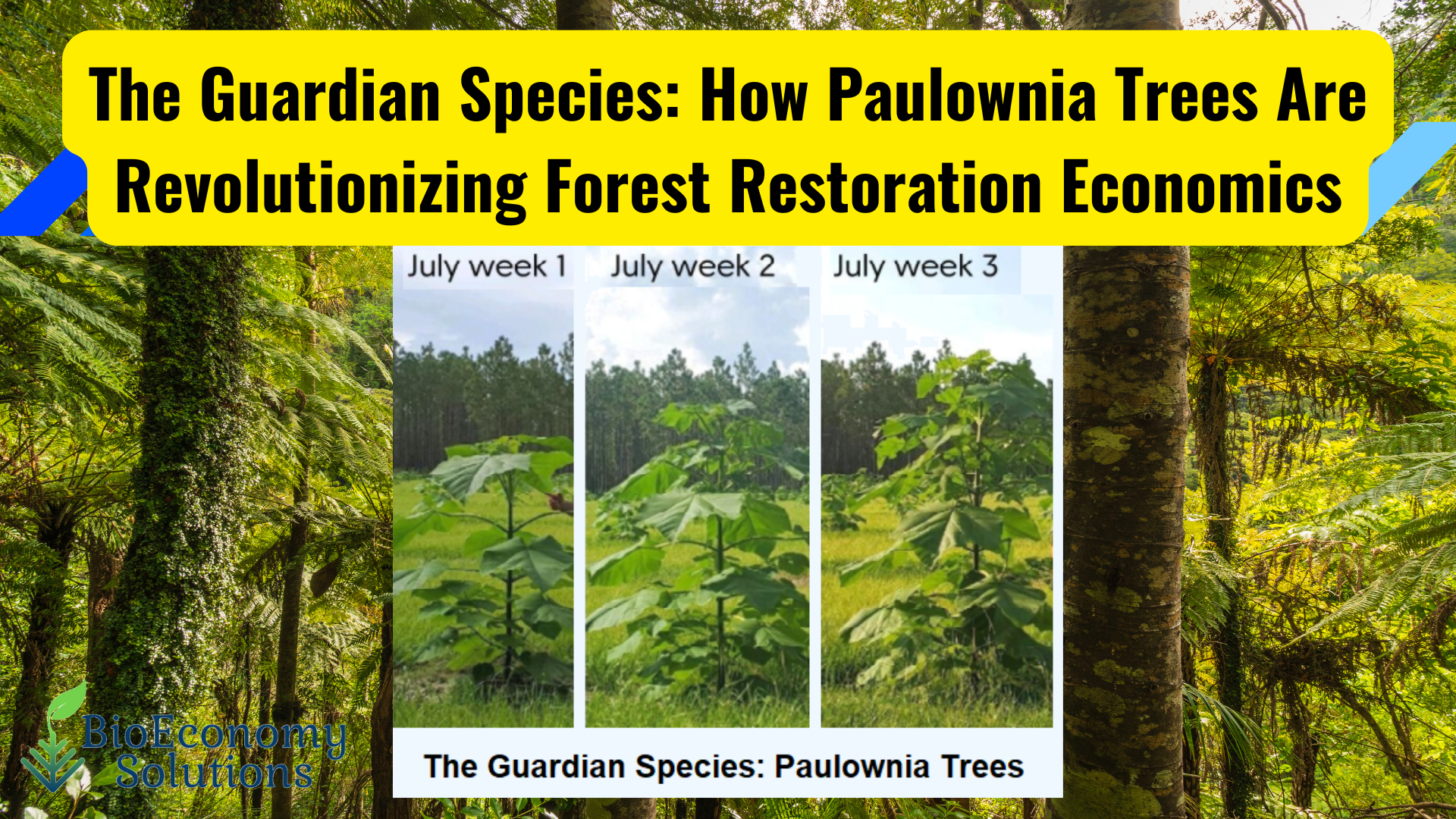
  • Faster Growth – It’s among the fastest-growing hardwoods in the world, reaching maturity in just 7–10 years.
  • Carbon Capture – The tree absorbs CO₂ at up to 10x the rate of oak, turning forestry into a powerful climate solution.
  • Premium Wood – Lightweight, strong, and water-resistant, Paulownia lumber has high demand in global markets.

This isn’t just sustainable forestry—it’s forestry upgraded.

A New Standard for the Bioeconomy

At BioEconomy Solutions, we’re scaling Paulownia agroforestry to redefine what’s possible in sustainable wood production and carbon markets.

✅ Regrowth in 90 days.

✅ No replanting required.

✅ Verified carbon credits at a fraction of current costs.

✅ Sustainable lumber supply for the future.

Imagine a world where we can meet global wood demand without destroying forests—and remove carbon affordably in the process. That’s the Paulownia promise.

The Takeaway

The Paulownia isn’t just another tree. It’s proof that nature already solved one of our biggest problems: how to grow, harvest, and regrow in harmony with the planet.

The 90-Day Regrowth Time-lapse is more than a visual—it’s a window into the future of forestry, climate finance, and sustainable development.

👉 See how we’re building that future at BioEconomySolutions.com and schedule a private consultation


Conclusion

The Paulownia tree, with its FAST growth rate, carbon capture abilities, and adaptability, is a powerful tool in climate change mitigation, biodiversity support, and sustainable forest management. When used appropriately in afforestation and reforestation projects, it holds the potential to restore ecosystems, combat deforestation, and provide long-term environmental and economic benefits.

Contact Us

BioEconomy Solutions is a Carbon Dioxide Removal (CDR) Project Developer. Talk to us about our TREE PLANTING strategies with Paulownia trees.

We’re happy to organize a time to speak with you about our paulownia trees and lumber we have for sale. Please book your preferred time to speak directly.

Here’s a link to my online calendar/schedule:

www.bioeconomysolutions.com/bookcall

BioEconomy Solutions

mail@BioEconomySolutions.com

Office: 843.305.4777

Visit us at: https://bioeconomysolutions.com/paulownia-carbon-credits/ Let’s chat about paulownia tree solutions for sustainable Forest carbon credits projects.

LIKE|SHARE|COMMENT

Enjoy this article? You may also enjoy “Carbon Developers Choose Paulownia Trees” https://www.linkedin.com/pulse/carbon-developers-choose-paulownia-trees-victor-garlington-imh4e/

Subscribe to our newsletter

Subscribe to our newsletter
Here’s The Conservation Paradox We Can’t Ignore

Conservation projects fail at an alarming rate. Not because of bad intentions, but because of bad economics.

Traditional reforestation takes 20-50 years to show meaningful results. Investors lose patience. Communities lose income. And our climate crisis can’t wait.

But what if there was a way to accelerate ecosystem restoration while generating immediate economic returns?

Enter the concept of “guardian species” – fast-growing trees that protect and nurture native forests while delivering rapid carbon sequestration and sustainable revenue streams.

Why Native-Only Approaches Fall Short

The Brutal Reality:

  • Native tree seedlings have 30-60% mortality rates in degraded soils
  • Zero economic returns for the first 10-15 years
  • Vulnerable to drought, pests, and human encroachment
  • Limited carbon sequestration during critical establishment phase

The Economic Death Spiral: Without immediate returns, conservation projects become charity cases. Funding dries up. Local communities seek alternative income sources. The cycle of deforestation continues.

The Guardian Species Solution

Paulownia trees don’t compete with native species – they enable their success.

Here’s how the guardian model works:

Phase 1: Rapid Establishment (Years 1-3)

  • Paulownia trees establish quickly in degraded soils
  • Deep taproots break up compacted earth
  • Large leaves create beneficial microclimate
  • Immediate carbon sequestration begins (10-15 tons CO2/acre/year)

Phase 2: Ecosystem Preparation (Years 3-5)

  • Nitrogen fixation improves soil fertility
  • Canopy provides wind protection for native seedlings
  • Root systems prevent erosion and improve water retention
  • First timber harvest generates revenue for native species planting

Phase 3: Native Integration (Years 5-15)

  • Native species planted in improved soil conditions
  • Paulownia provides nurse tree protection
  • Selective Paulownia harvesting creates forest gaps for native growth
  • Continuous revenue stream funds long-term conservation

Phase 4: Mature Ecosystem (Years 15+)

  • Native canopy established with 80%+ higher survival rates
  • Paulownia transitions to understory or edge species
  • Diversified forest ecosystem with enhanced biodiversity
  • Sustainable economic model proven and replicable

The Economic Game-Changer

Traditional Conservation Model:

  • $5,000-10,000/acre upfront investment
  • 20+ years to break even
  • High failure rates
  • Dependent on grants and donations

Guardian Species Model:

  • $3,000-5,000/acre initial investment
  • Revenue generation begins Year 3
  • 15-20% IRR over 10 years
  • Self-sustaining economic engine

Revenue Streams Include:

  • Premium timber harvests every 5-7 years
  • Carbon credits ($50-150/ton for biochar)
  • Soil improvement services
  • Biodiversity offset credits
  • Sustainable biomass for local energy needs

Real-World Success Stories

China’s Loess Plateau Restoration: The world’s largest ecosystem restoration project used fast-growing pioneer species to restore 35,000 square miles of degraded land. The economic model? Guardian species generated income that funded native forest establishment, lifting 2.5 million people out of poverty while sequestering massive amounts of carbon.

Costa Rica’s Payment for Ecosystem Services: By combining fast-growing timber species with native conservation, Costa Rica reversed deforestation while creating a $500 million forest economy. Forest cover increased from 24% to 54% in just 30 years.

The Climate Urgency Factor

We don’t have 50 years to wait for native forests to mature.

Climate models show we need massive carbon sequestration within the next decade. Guardian species like Paulownia can:

  • Sequester 50-100 tons CO2/acre in first 5 years
  • Enable native species establishment with 3x higher success rates
  • Create economic incentives for long-term forest protection
  • Scale rapidly across degraded landscapes worldwide

Addressing the Skeptics

“Isn’t this just greenwashing with exotic species?”

No. Guardian species are carefully selected, sterile hybrids that cannot spread naturally. They’re tools for ecosystem restoration, not ecosystem replacement.

“What about biodiversity concerns?”

Guardian species actually enhance biodiversity by:

  • Creating habitat corridors during establishment
  • Improving soil conditions for native species
  • Providing economic alternatives to habitat destruction
  • Enabling larger-scale conservation projects through economic viability

“How do we ensure native species aren’t abandoned?”

The economic model requires native species success for long-term sustainability. Guardian species revenue funds native planting, monitoring, and protection in perpetuity.

The Investment Opportunity

ESG funds and impact investors are sitting on $30+ trillion in assets seeking measurable environmental returns. The guardian species model offers:

Measurable Impact:

  • Verified carbon sequestration
  • Biodiversity monitoring protocols
  • Soil health improvements
  • Community economic development

Financial Returns:

  • 15-20% IRR potential
  • Multiple exit strategies
  • Inflation-hedged timber assets
  • Growing carbon credit premiums

Scalability:

  • Applicable across 60+ countries
  • Proven in diverse ecosystems
  • Standardized implementation protocols
  • Technology-enabled monitoring

The Path Forward

The guardian species model isn’t just about trees – it’s about reimagining conservation economics.

For Investors: Access to a $50 billion nature-based asset class with measurable returns and impact.

For Conservationists: A tool to accelerate ecosystem restoration while ensuring long-term economic sustainability.

For Communities: Immediate income opportunities that grow into generational wealth through forest stewardship.

For Our Planet: A scalable solution that addresses climate change, biodiversity loss, and rural poverty simultaneously

The Time Is Now

Every month we delay ecosystem restoration is another month of accelerating climate damage. Traditional approaches, while well-intentioned, simply can’t scale fast enough.

Guardian species offer a bridge between urgent climate action and long-term conservation success. They’re not the complete solution – but they’re the catalyst that makes comprehensive solutions economically viable.

The question isn’t whether we can afford to try this approach.

The question is whether we can afford not to.


Ready to explore guardian species opportunities for your portfolio or conservation project? The economics of forest restoration are changing. The early movers will capture both the highest returns and the greatest impact.

Contact us to learn how Paulownia guardian species can accelerate your ecosystem restoration timeline while generating sustainable returns.

Contact Us!

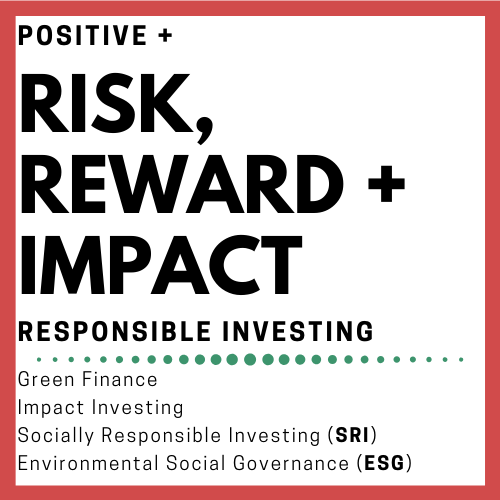
📣 If you’re an investor, policy leader, or sustainability advocate—we invite you to connect. Let’s put capital to work in nature-based carbon sequestration that delivers at scale.

This isn’t just green finance. This is regenerative economics.

BioEconomy Solutions is a Carbon Dioxide Removal (CDR) Project Developer. Talk to us about our TREE PLANTING strategies with Paulownia trees.

We’re happy to organize a time to speak with you about our paulownia trees and lumber we have for sale. Please book your preferred time to speak directly.

Here’s a link to my online calendar/schedule:

www.bioeconomysolutions.com/bookcall

BioEconomy Solutions

mail@BioEconomySolutions.com

Office: 843.305.4777

Visit us at: https://bioeconomysolutions.com/paulownia-carbon-credits/ Let’s chat about paulownia tree solutions for sustainable Forest carbon credits projects.

LIKE|SHARE|COMMENT

Enjoy this article? You may also enjoy “Carbon Developers Choose Paulownia Trees” https://www.linkedin.com/pulse/carbon-developers-choose-paulownia-trees-victor-garlington-imh4e/

Download Your FREE REPORT 

Subscribe to our newsletter
Why the 2025 Green Bond Principles Are a Game-Changer for Nature-Based Carbon Projects. We’re not planting trees. We’re building a regenerative asset class—and the bond market just caught up.

The world is waking up to a new generation of climate finance—and BioEconomy Solutions is at the forefront.

With the release of the 2025 Green Bond Principles (GBP) by ICMA, the door is now open for companies like ours to raise sustainable capital for nature-based solutions rooted in science, scalability, and impact.

International Capital Market Association’s (ICMA)
The International Capital Market Association’s (ICMA) Green Bond Principles (GBP) are voluntary guidelines that promote transparency and integrity in the green bond market. The June 2025 update clarifies how the Green Enabling Projects Guidance is linked to the GBP and expands the definition of “Green Projects” to include “activities” in addition to assets and investments.

The GBP’s four core components for alignment are:

  • Use of Proceeds
  • Process for Project Evaluation and Selection
  • Management of Proceeds
  • Reporting

The principles aim to help issuers finance environmentally sound and sustainable projects that support a net-zero emissions economy and protect the environment. They also provide categories for eligible Green Projects, such as renewable energy, clean transportation, and sustainable water management, and encourage issuers to report on the use of proceeds to improve transparency and track the environmental impact.

Core Updates in 2025 Version

1. Expanded Definition of “Green Projects”

  • Now explicitly includes “activities” such as R&D and supporting actions in addition to assets and investments.
  • Aligns with new Green Enabling Projects Guidance (June 2024), recognizing enabling infrastructure (e.g. manufacturing of components) as eligible if they support broader green initiatives.

2. Four Core Components Remain Foundation

  • Use of Proceeds: Funds must go exclusively to eligible green assets, investments, or activities, with quantified environmental benefits.
  • Project Evaluation & Selection: Clear disclosure of selection process, sustainability objectives, and risk mitigation.
  • Management of Proceeds: Net bond proceeds must be tracked via specific sub-accounts or portfolios, adjusted until full allocation; external verification is encouraged.
  • Reporting: Annual and timely impact reports required, including list of funded projects, descriptions, amounts allocated, and expected environmental impact figures—using ICMA’s Harmonised Framework where feasible.

3. Strengthened Recommendations

  • Green Bond Frameworks: Issuers are expected to publish frameworks or legal documentation aligning with the four core components and situate disclosure within broader sustainability strategy (e.g. references to taxonomies, Paris-aligned transition plans, or Climate Transition Finance Handbook).
  • External Reviews: Pre- and post‑issuance reviews by qualified third parties are recommended. Providers should disclose credentials and scope; templates are available on ICMA’s site.

Green Enabling Projects Guidance

  • Clarifies that some projects not directly delivering environmental impact may be eligible if they form enabling elements of broader green initiatives (e.g. infrastructure manufacturing).
  • Mapped to existing GBP categories, these should still avoid locking in high emissions and monitor risks like double-counting in impact reporting.

Related 2025 Releases

  • A Practitioner’s Guide: Sustainable Bonds for Nature was launched concurrently, introducing a thematic overlay for nature‑related projects and allowing issuers to use the secondary label “Nature Bond.” It also offers nature-related KPIs for inclusion in SLBs or sustainability frameworks.
  • Updates were issued to ICMA’s Guidance Handbook, Allocation Reporting Guidance, and Q&A sections, alongside other frameworks like the Social Bond Principles (SBP) and Sustainability‑Linked Loans financing Bonds Guidelines.

Why Paulownia?

Every hectare of Paulownia under cultivation can sequester up to 560 tons of CO₂ annually, while restoring degraded land, and produces Class A fire-rated lumber—making it ideal for low-carbon construction.

It’s a WIN WIN for the local economy & environment!

Combined with our nature-based methodologies and end-to-end traceability, we’re ready to turn regenerative forestry into a green financial instrument.

Contact Us!

📣 If you’re an investor, policy leader, or sustainability advocate—we invite you to connect. Let’s put capital to work in nature-based carbon sequestration that delivers at scale.

This isn’t just green finance. This is regenerative economics.

BioEconomy Solutions is a Carbon Dioxide Removal (CDR) Project Developer. Talk to us about our TREE PLANTING strategies with Paulownia trees.

We’re happy to organize a time to speak with you about our paulownia trees and lumber we have for sale. Please book your preferred time to speak directly.

Here’s a link to my online calendar/schedule:

www.bioeconomysolutions.com/bookcall

BioEconomy Solutions

mail@BioEconomySolutions.com

Office: 843.305.4777

Visit us at: https://bioeconomysolutions.com/paulownia-carbon-credits/ Let’s chat about paulownia tree solutions for sustainable Forest carbon credits projects.

LIKE|SHARE|COMMENT

Enjoy this article? You may also enjoy “Carbon Developers Choose Paulownia Trees” https://www.linkedin.com/pulse/carbon-developers-choose-paulownia-trees-victor-garlington-imh4e/

Get a FREE copy of Paulownia Carbon Report

Get a FREE copy of Paulownia Carbon Report