Your Net-Zero strategy is only as strong as your carbon credits.

For: CFOs, Chief Sustainability Officers (CSOs), and Chief Risk Officers (CROs) at Fortune 500 companies.

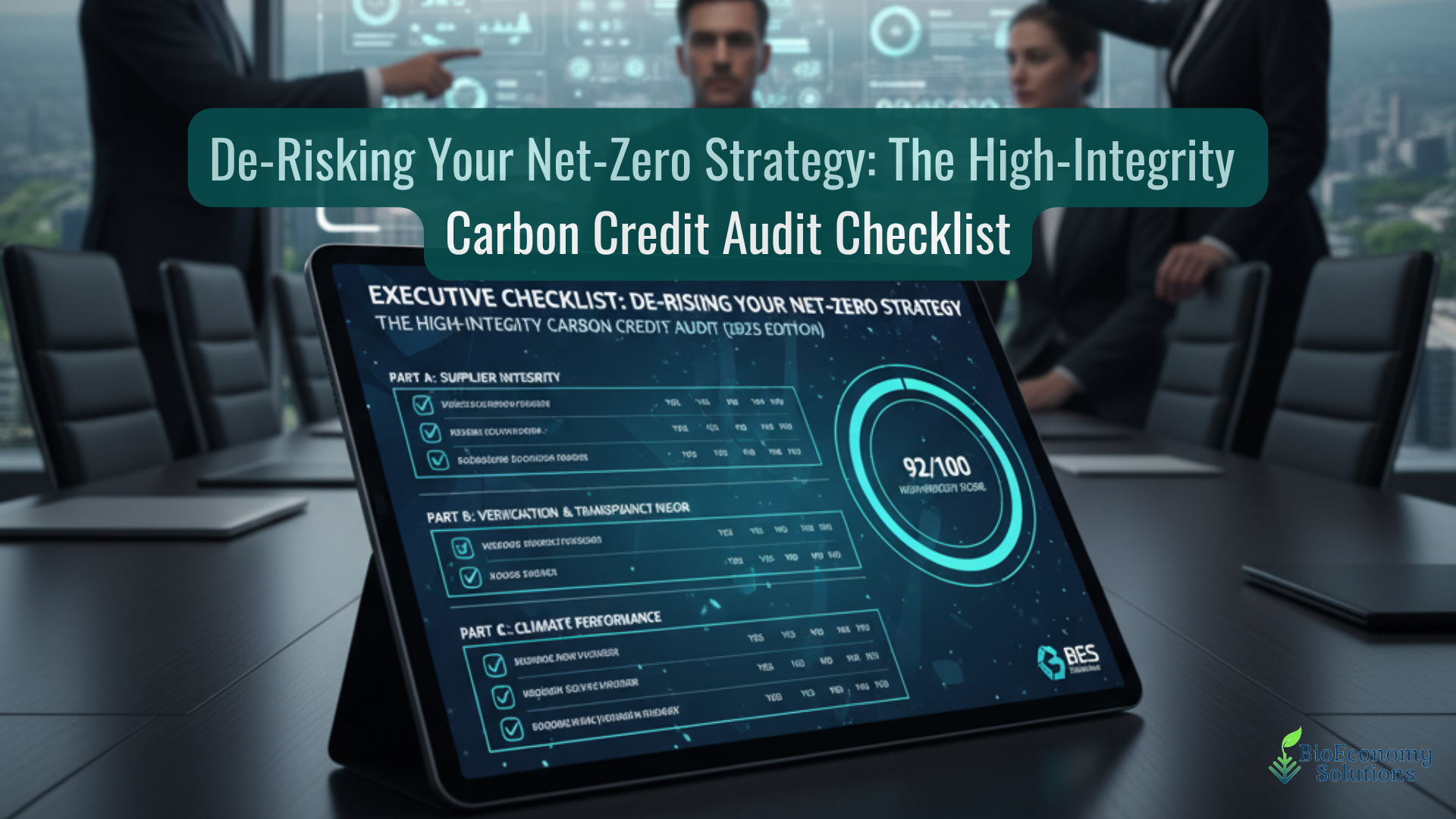
Here’s Your Supplier Carbon Credit Audit CHECK LIST ✅

The market has shifted: risk management now outweighs lowest price considerations. Your Net-Zero strategy is under scrutiny, and the goal is no longer just to buy credits, but to buy verifiable integrity to protect your company from greenwashing and reputational risk.
Here is an executive guide to auditing your carbon credit suppliers based on the three pillars of a high-integrity asset:


1. Audit Supplier Integrity & Alignment (Partner vs. Broker)

Focus on eliminating middlemen and securing long-term supply.

  • Direct Partnership: Does the supplier own or directly control the core asset and project development, eliminating all brokers?
  • Supply Security: Are they able to offer multi-year forward contracts backed by performance bonds?
  • ICP Focus: Is their business model structured to serve high-volume corporate buyers, not commodity traders?
  • Reputational Risk: Does the supplier have a public track record free of “Greenwashing” allegations or retracted credits?

2. Audit Verification & Transparency Rigor (The Data Standard)

Demand the highest global standards for measurement and auditability—your legal compliance depends on it.

  • ISO Standard: Is the verification process based on international standards for GHG statements, such as ISO 14064-3?
  • Third-Party VVB: Is the project verified by a globally recognized, independent Verification Body (SGS, DNV or Other)?
  • Digital Monitoring (dMRV): Do they use Digital Monitoring, Reporting, and Verification systems (like Flux Towers, Satellite, and AI modeling)?
  • Blockchain/DLT: Is the final, verified carbon data recorded on an immutable ledger to prevent double-counting?

3. Audit Biological & Climate Performance (Real-World Impact)

Ensure the environmental impact is demonstrably superior and the CO2 permanence is durable.

  • 10x CO2 Removal: Does the project achieve CO2 removal rates demonstrably 5x or more than traditional forestry (e.g., BES achieves 33.15 tons/ha vs. 3−5 tons)?
  • Durable C-Sink: Is the sequestered CO2 stored in durable products (e.g., quality timber), not just short-lived vegetation?
  • Coppicing Ability: Does the tree species regenerate from the stump, ensuring continuous forest cover and supply without costly replanting?

Quick Tip for Executives: If your current carbon supplier scores below 50 on an audit across these criteria, STOP BUYING. You are exposed to High Reputational and Compliance Risk. Pivot immediately to a direct-partnership model.

Ready to De-Risk Your 2025 Carbon Strategy?

Get a FREE copy of Executive Checklist: De-Risking Your Net-Zero Strategy

Get a FREE copy of Carbon Executive Checklist: De-Risking Your Net-Zero Strategy:

Checklist: De-Risking Your Net-Zero Strategy:

Want more information on BioEconomy Solutions Nature-Based High Integrity Carbon Credits?

Click Here to Schedule Your Confidential Briefing: https://bioeconomysolutions.com/bookcall

What BioEconomy Solutions (BES) Uniquely Offers:

✅ Direct plantation ownership (1M+ hectare capacity)

✅ Real-time MRV systems (flux towers, satellite, IoT)

✅ Blockchain verification (Compliance)

✅ Multi-year contracts (3-7 year forward agreements)

✅ Premium performance (10x sequestration vs. competitors)

CONTACT US

Contact BioEconomy Solutions for a carbon portfolio assessment.

Your next audit could be a profit opportunity instead of a compliance expense.

Visit our web page. https://bioeconomysolutions.com

We’re happy to organize a time to speak with you about our nature-based carbon solutions. Please book your preferred time to speak directly.

Book a Conversation: Here’s a link to my online calendar/schedule:

www.bioeconomysolutions.com/bookcall

BioEconomy Solutions

mail@BioEconomySolutions.com

Office: 843.305.4777

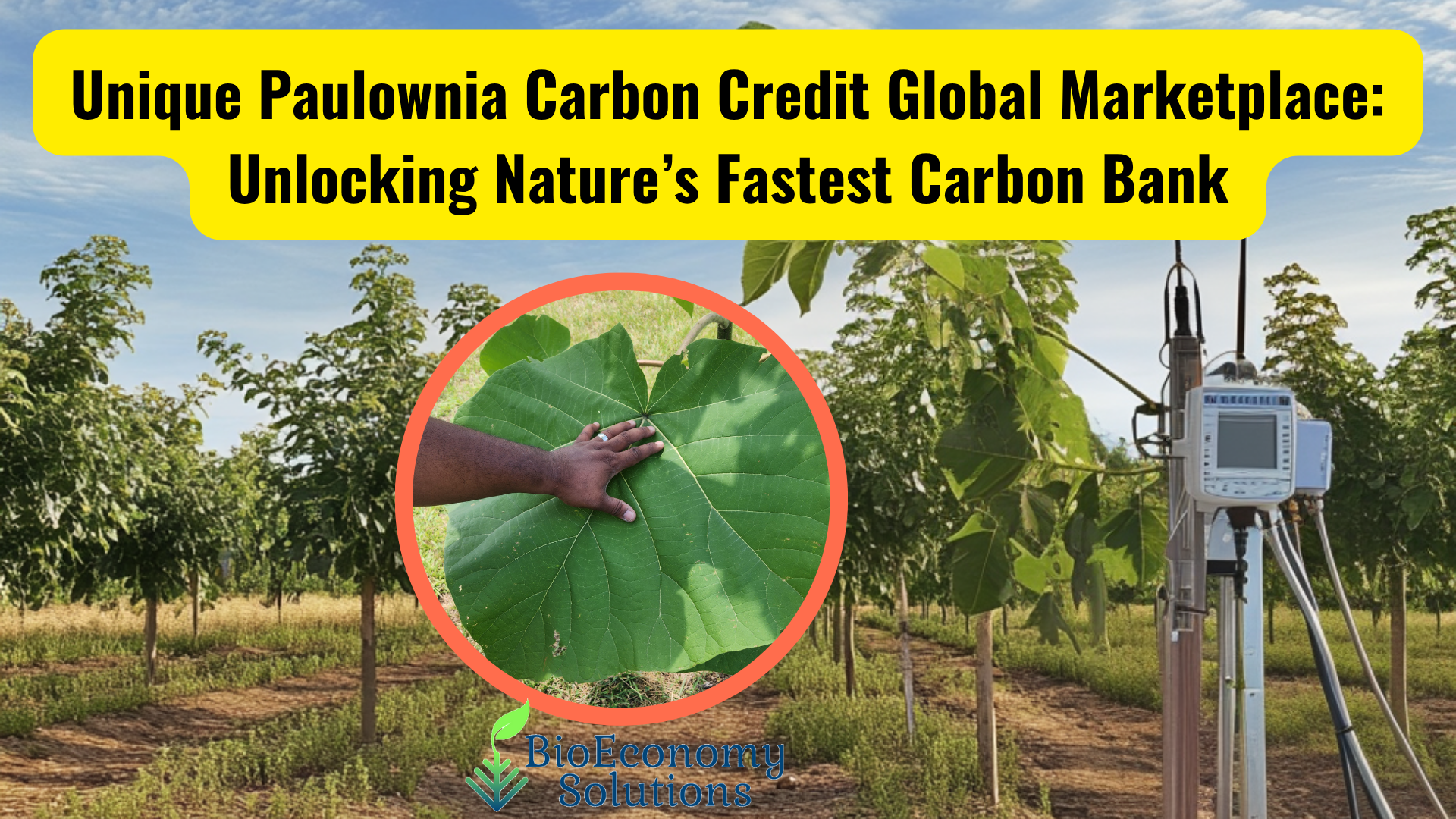
Did You enjoy this article? You may also enjoy “Unique Paulownia Carbon Credit Global Marketplace: Unlocking Nature’s Fastest Carbon Bank

https://www.linkedin.com/pulse/unique-paulownia-carbon-credit-global-marketplace-bank-garlington-jnpwe/?lipi=urn%3Ali%3Apage%3Ad_flagship3_pulse_read%3BeP8PR0mlR8i5uHWmJ3hQgA%3D%3D

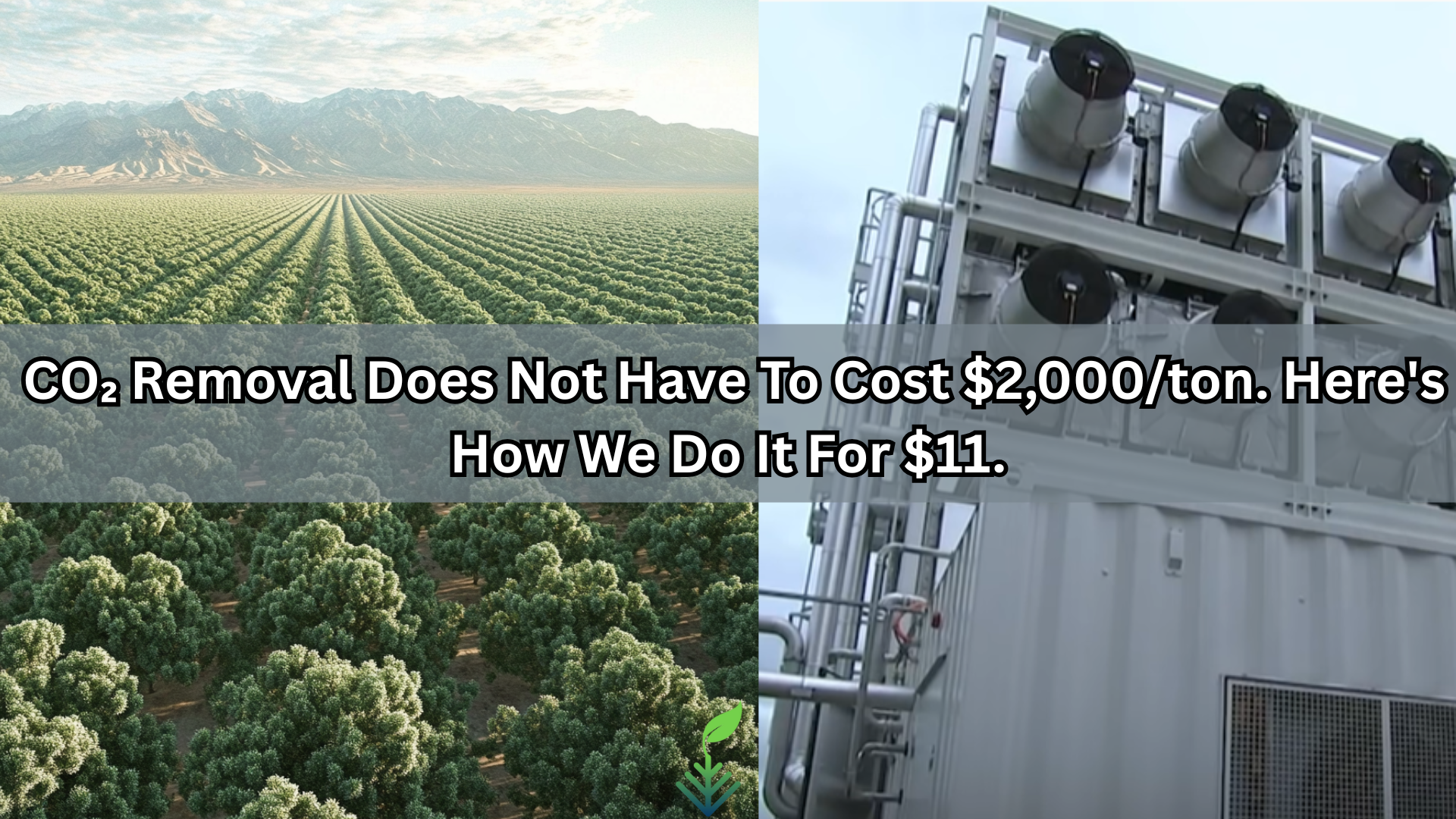
Tech v.s. Trees: What $6.66 Billion Taught Us About Real Carbon Removal

Carbon removal is no longer a future goal — it’s a present necessity.

But here’s the hard truth: most of the money is going to the wrong solutions. Direct Air Capture (DAC) has received the lions share of American government funding.

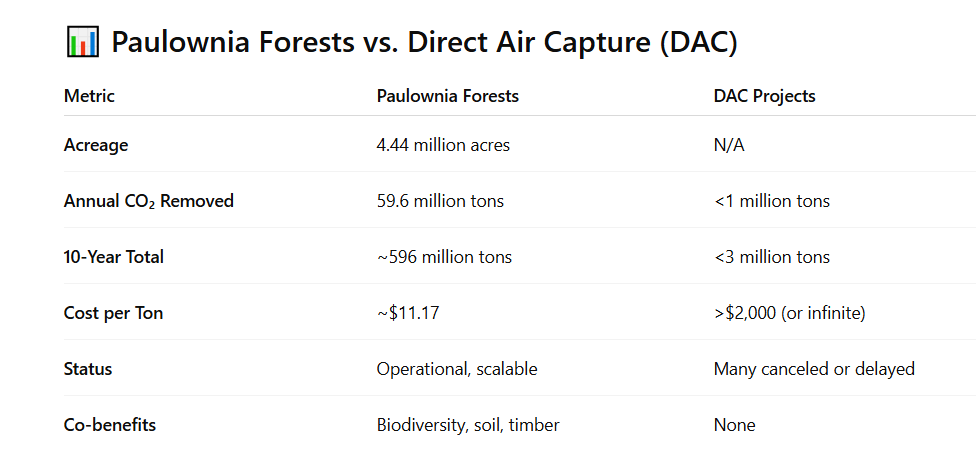
We compared two carbon removal paths using the same budget:
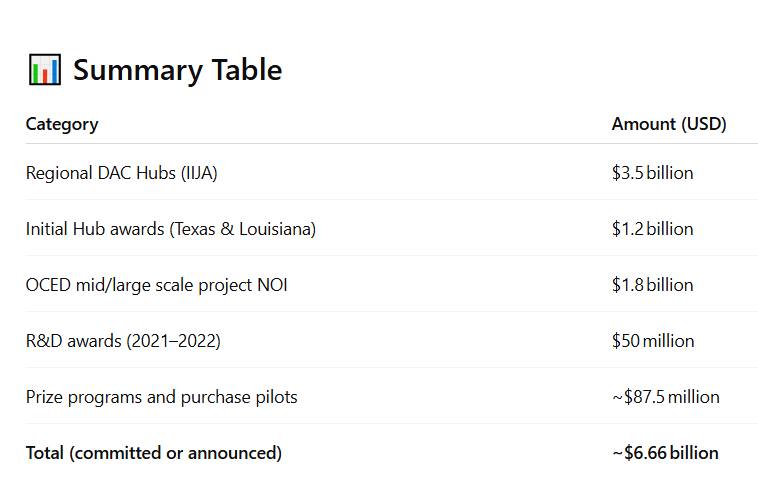
$6.66 billion. America already has spent billions on DAC.

Failed Direct Air Capture Projects DAC 

Failed Direct Air Capture Projects DAC ($6.66 Billion Spent)

Download The FULL REPORT (Free Download)


🔍 What This Means

With Paulownia trees:

  • We remove nearly 600 million tons of CO₂ over a decade

  • The cost per ton is 99.5% lower than DAC

  • We also restore ecosystems, soil, generate sustainable timber, and create rural jobs

With DAC:

  • The same spend removes <0.5% of the CO₂

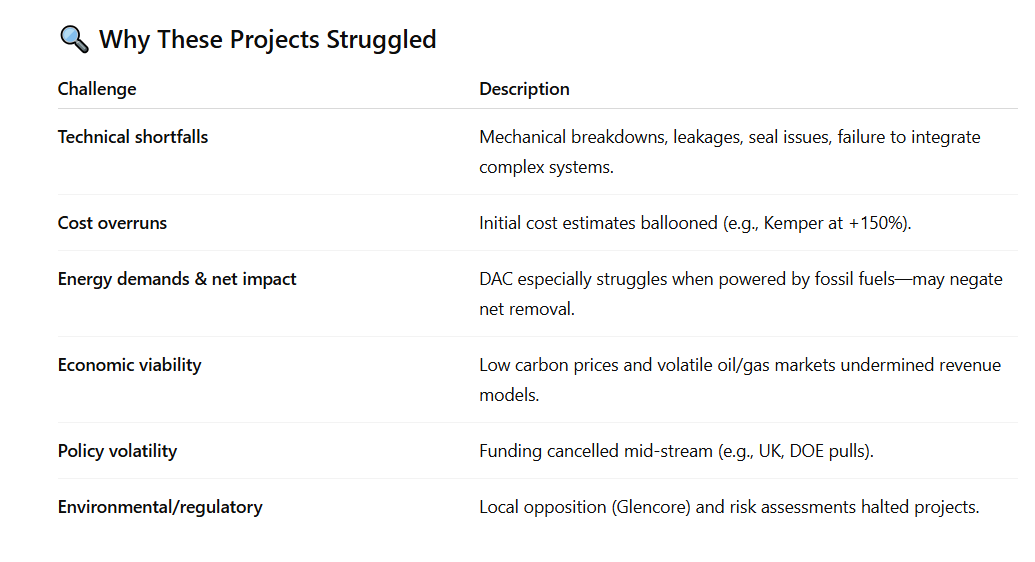
  • Many projects are stalled, shelved, or shut down

  • There are no added environmental or economic benefits


🌍 Nature Works. Tech Still Needs Work.

Paulownia isn’t just a tree. It’s a fast-growing, high-carbon-removal, IoT-tracked, blockchain-backed engine of climate regeneration.

We believe the future of carbon removal is nature-powered and digitally verified.

Instead of betting billions on unproven tech, it’s time to scale what’s already working.


✅ Want to See the Model?

We’re planting millions of trees now.
We’re tokenizing their carbon impact.
And we’re inviting partners to scale globally.

📩 Let’s talk:
📅 Book a call → info586.youcanbook.me
📧 Mail@BioEconomySolutions.com
📞 (843)-305-4777

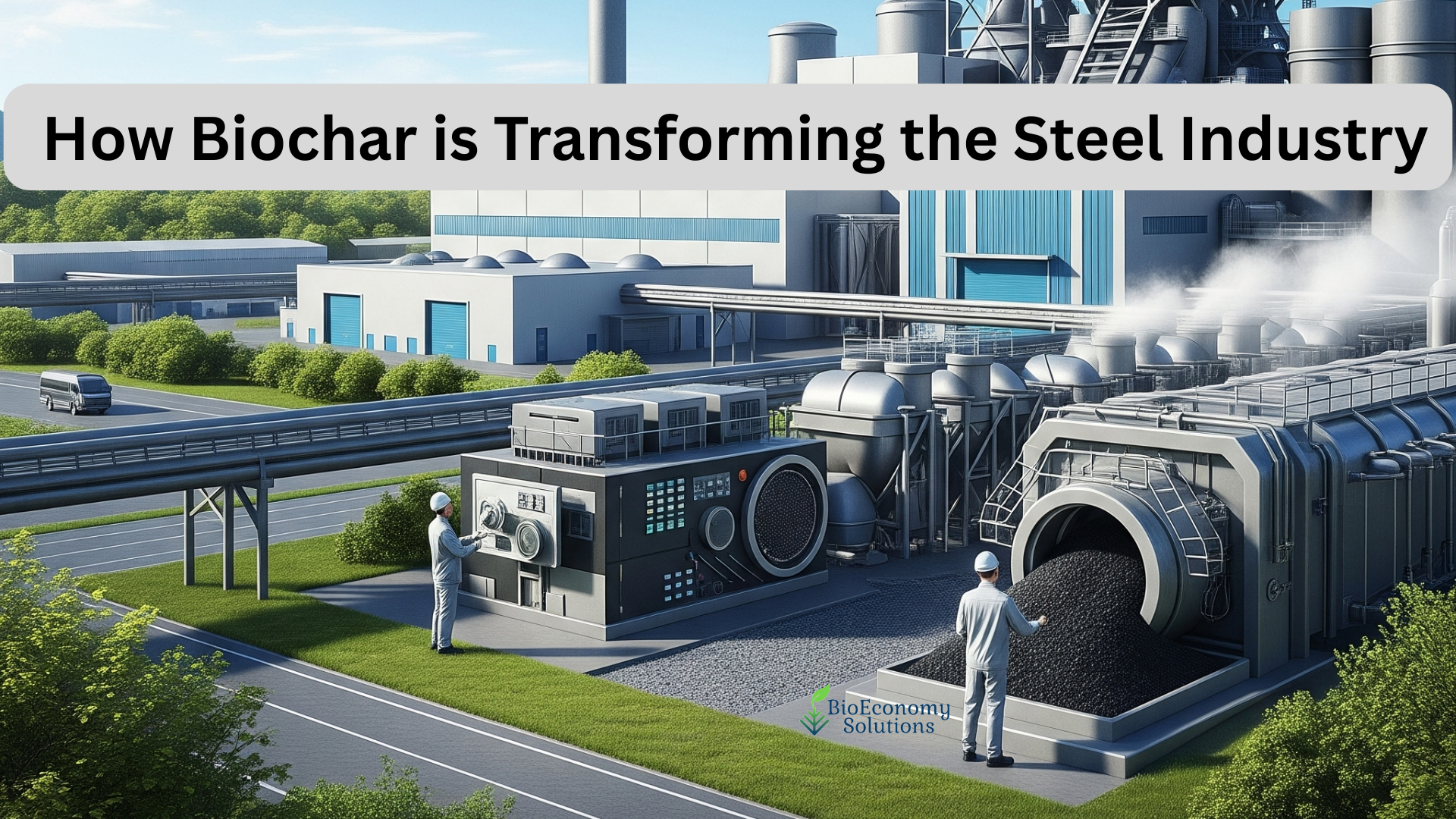
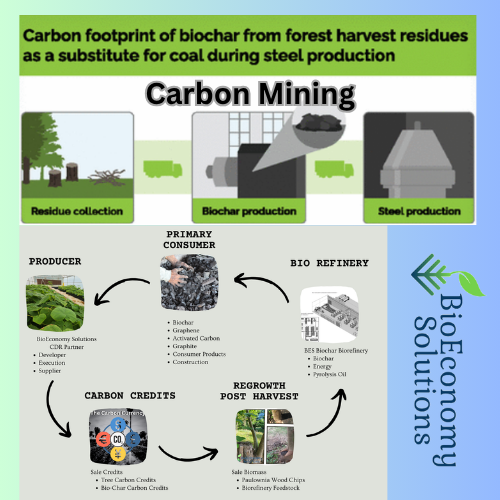
The steel industry is one of the largest industrial emitters of carbon dioxide, accounting for approximately 7–9% of global CO₂ emissions. At the heart of its carbon footprint is coal, used not only as a fuel but also as a chemical input in key processes. But what if we could replace that fossil carbon with a renewable, carbon-negative alternative?

Biochar Forging a Greener Future

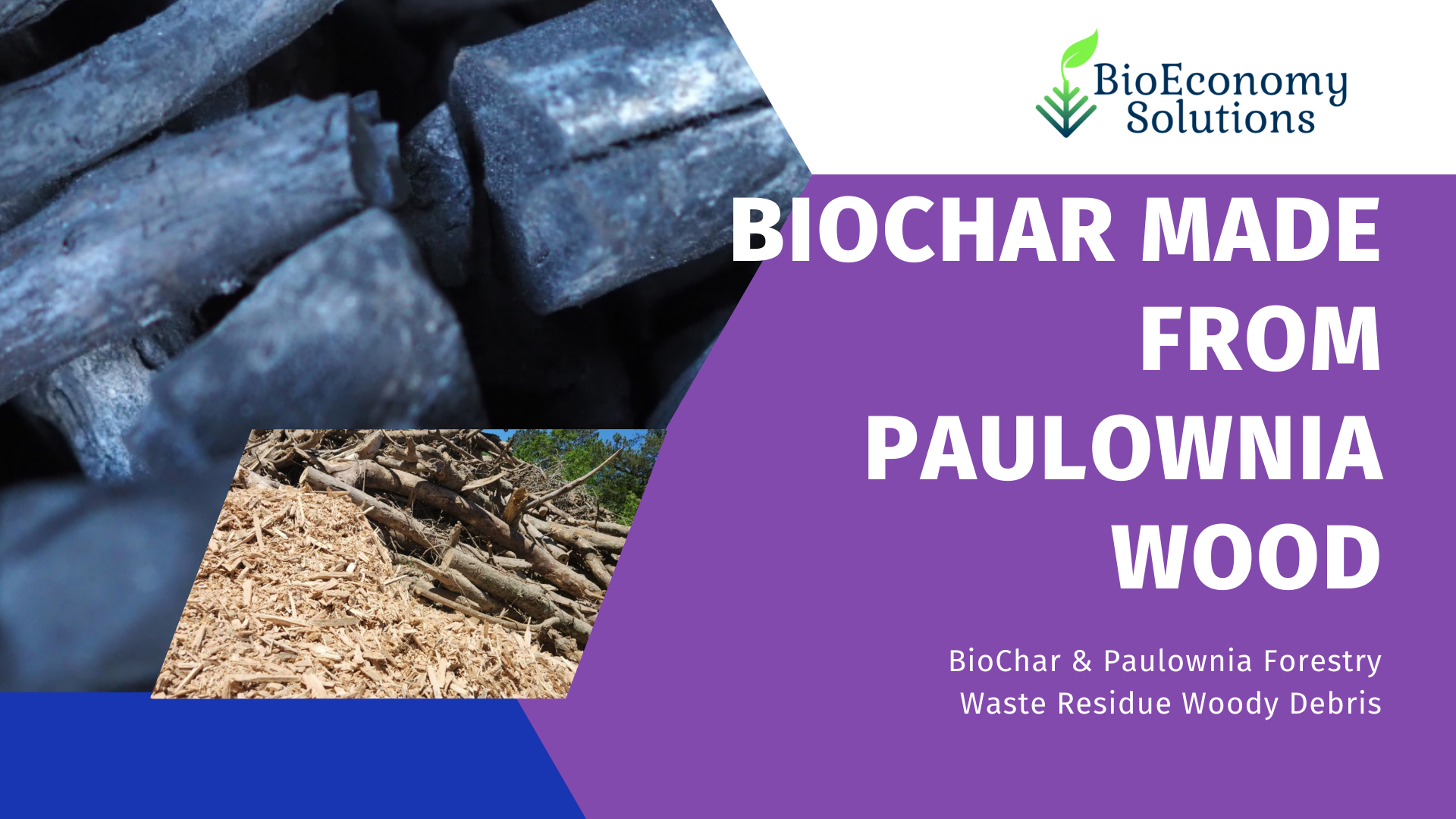
What’s biochar? — a carbon-rich, plant-based material produced through pyrolysis. Already gaining attention for its role in soil enhancement and carbon sequestration, biochar is now being explored as a sustainable substitute for coal in steelmaking — and the implications are enormous.

Coke-Making: Replacing Fossil Carbon With Biochar Source

Coke, produced from metallurgical coal, is traditionally the primary carbon source in blast furnace operations. Biochar can be blended into the coking process to partially replace this fossil carbon:

  • Biochar as a co-carbon in coke ovens improves reactivity while reducing overall CO₂ emissions.
  • ✅ Reduces dependency on imported coking coal, improving supply chain resilience.

Ongoing trials suggest up to 20% biochar substitution is feasible without compromising coke quality.

Sintering: Cleaner Agglomeration for Iron Ores
In sintering, iron ore fines are agglomerated into porous lumps using coke breeze. This step emits significant particulates and CO₂.

🌱 Biochar can replace up to 40% of coke breeze without harming sinter strength or productivity (per studies on ScienceDirect).

🧪 Its higher porosity also supports better combustion efficiency and lower emissions of SOx and NOx.

Blast Furnaces: Biochar Injection and Coke Replacement

The blast furnace is where most emissions occur in steelmaking — and it’s also where biochar shines:

  • 🌬️ Pulverized Biochar Injection (PBI) into the blast furnace air inlets, offers a direct, drop-in substitute for pulverized coal injection (PCI).
  • 🌱 Partial coke replacement with dense, high-carbon biochar is under advanced testing — it supports iron ore reduction while releasing less CO₂.

Early data shows up to 28% CO₂ reduction potential when biochar replaces both PCI and part of the coke input.


Direct Reduction: A Future-Forward Path

Biochar is being explored as a renewable reducing agent in Direct Reduced Iron (DRI) processes — an alternative to blast furnaces:

  • 🔁 Combines well with hydrogen or natural gas for low-emission DRI production.
  • ♻️ Can serve as the sole solid reductant in emerging rotary kiln technologies.

As green hydrogen scales, biochar-enhanced DRI could become a key player in near-zero-emission steel.


Electric Arc Furnaces (EAF): Slag Foaming & Carbon Additives

In EAFs — where scrap metal is melted using electricity — biochar can also replace traditional carbon sources:

  • 🌋 Used to enhance slag foaming, critical for thermal efficiency and protecting furnace linings.
  • 🌱 Biochar’s light density and high carbon content make it a strong candidate for carbon injection in EAFs.

Replacing Fossil Carbon With Green Carbon

Replacing fossil coal with biochar could cut steelmaking emissions by up to 28%, according to recent studies.

Net Benefits:

✅ Lower carbon footprint

✅ Renewable feedstock

✅ Cleaner air and water

✅ Supports regenerative agriculture

Our company offers:

  • Direct Biochar production feedstock supply chain contracts.
  • Quality and consistency that matches your industrial standards.
  • Biochar & cost-competitive supply chain over traditional coal.
  • Direct carbon credit purchases for carbon offsets.

From Black Coal to Black Gold

Biochar offers more than just a coal alternative — it offers a blueprint for regenerative industry. It supports climate goals, strengthens supply chains, and enables a circular approach to carbon — all while producing the steel that still forms the backbone of modern civilization.

As the world demands climate-smart industry, biochar may well be the key to unlocking net-zero steel.


Dedicated Biochar Feedstock Supply Chain

Contact Us For Details

BioEconomy Solutions is a BIOCHAR Carbon Dioxide Removal (CDR) Project Developer. Talk to us about our biochar processing technology.

We’re happy to organize a time to speak with you about our high carbon biochar we have for sale. Please book your preferred time to speak directly.

Here’s a link to my online calendar/schedule:

www.bioeconomysolutions.com/bookcall

BioEconomy Solutions

mail@BioEconomySolutions.com

Office: 843.305.4777

Visit us at: https://bioeconomysolutions.com/paulownia-carbon-credits/ Let’s chat about paulownia tree solutions for sustainable Forest carbon credits projects