Your Net-Zero strategy is only as strong as your carbon credits.

For: CFOs, Chief Sustainability Officers (CSOs), and Chief Risk Officers (CROs) at Fortune 500 companies.

Here’s Your Supplier Carbon Credit Audit CHECK LIST ✅

The market has shifted: risk management now outweighs lowest price considerations. Your Net-Zero strategy is under scrutiny, and the goal is no longer just to buy credits, but to buy verifiable integrity to protect your company from greenwashing and reputational risk.
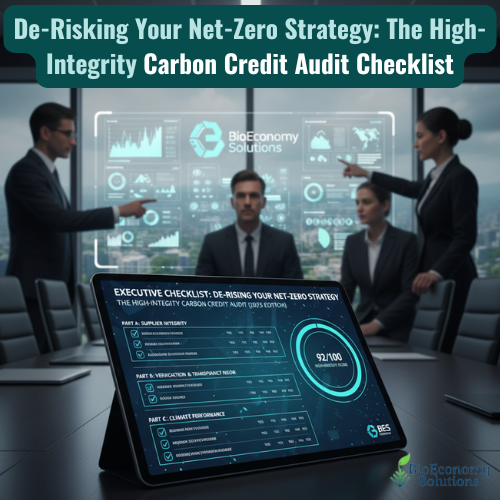
Here is an executive guide to auditing your carbon credit suppliers based on the three pillars of a high-integrity asset:


1. Audit Supplier Integrity & Alignment (Partner vs. Broker)

Focus on eliminating middlemen and securing long-term supply.

  • Direct Partnership: Does the supplier own or directly control the core asset and project development, eliminating all brokers?
  • Supply Security: Are they able to offer multi-year forward contracts backed by performance bonds?
  • ICP Focus: Is their business model structured to serve high-volume corporate buyers, not commodity traders?
  • Reputational Risk: Does the supplier have a public track record free of “Greenwashing” allegations or retracted credits?

2. Audit Verification & Transparency Rigor (The Data Standard)

Demand the highest global standards for measurement and auditability—your legal compliance depends on it.

  • ISO Standard: Is the verification process based on international standards for GHG statements, such as ISO 14064-3?
  • Third-Party VVB: Is the project verified by a globally recognized, independent Verification Body (SGS, DNV or Other)?
  • Digital Monitoring (dMRV): Do they use Digital Monitoring, Reporting, and Verification systems (like Flux Towers, Satellite, and AI modeling)?
  • Blockchain/DLT: Is the final, verified carbon data recorded on an immutable ledger to prevent double-counting?

3. Audit Biological & Climate Performance (Real-World Impact)

Ensure the environmental impact is demonstrably superior and the CO2 permanence is durable.

  • 10x CO2 Removal: Does the project achieve CO2 removal rates demonstrably 5x or more than traditional forestry (e.g., BES achieves 33.15 tons/ha vs. 3−5 tons)?
  • Durable C-Sink: Is the sequestered CO2 stored in durable products (e.g., quality timber), not just short-lived vegetation?
  • Coppicing Ability: Does the tree species regenerate from the stump, ensuring continuous forest cover and supply without costly replanting?

Quick Tip for Executives: If your current carbon supplier scores below 50 on an audit across these criteria, STOP BUYING. You are exposed to High Reputational and Compliance Risk. Pivot immediately to a direct-partnership model.

Ready to De-Risk Your 2025 Carbon Strategy?

Get a FREE copy of Executive Checklist: De-Risking Your Net-Zero Strategy

Get a FREE copy of Carbon Executive Checklist: De-Risking Your Net-Zero Strategy:

Checklist: De-Risking Your Net-Zero Strategy:

Want more information on BioEconomy Solutions Nature-Based High Integrity Carbon Credits?

Click Here to Schedule Your Confidential Briefing: https://bioeconomysolutions.com/bookcall

What BioEconomy Solutions (BES) Uniquely Offers:

✅ Direct plantation ownership (1M+ hectare capacity)

✅ Real-time MRV systems (flux towers, satellite, IoT)

✅ Blockchain verification (Compliance)

✅ Multi-year contracts (3-7 year forward agreements)

✅ Premium performance (10x sequestration vs. competitors)

CONTACT US

Contact BioEconomy Solutions for a carbon portfolio assessment.

Your next audit could be a profit opportunity instead of a compliance expense.

Visit our web page. https://bioeconomysolutions.com

We’re happy to organize a time to speak with you about our nature-based carbon solutions. Please book your preferred time to speak directly.

Book a Conversation: Here’s a link to my online calendar/schedule:

www.bioeconomysolutions.com/bookcall

BioEconomy Solutions

mail@BioEconomySolutions.com

Office: 843.305.4777

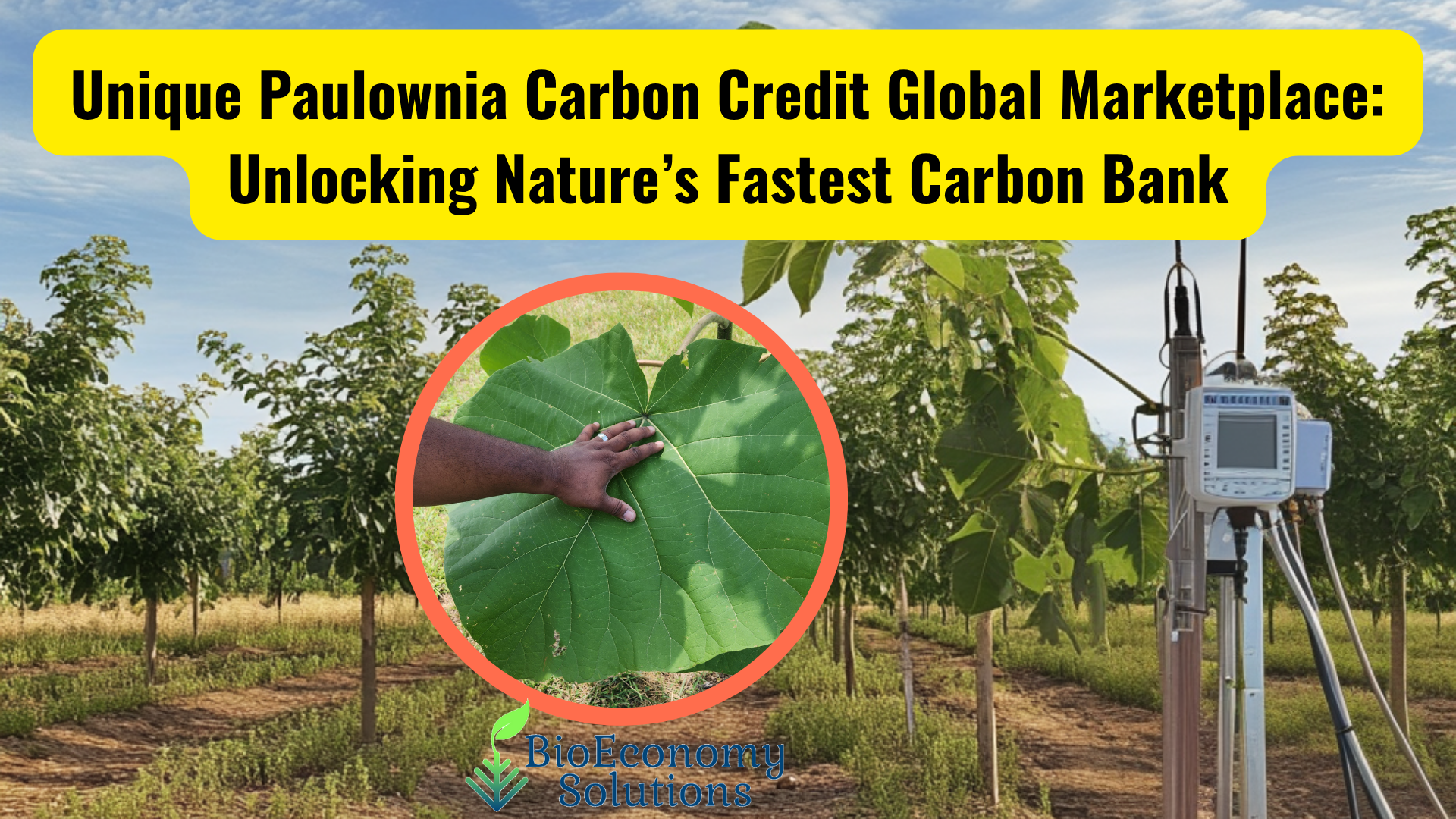
Did You enjoy this article? You may also enjoy “Unique Paulownia Carbon Credit Global Marketplace: Unlocking Nature’s Fastest Carbon Bank

https://www.linkedin.com/pulse/unique-paulownia-carbon-credit-global-marketplace-bank-garlington-jnpwe/?lipi=urn%3Ali%3Apage%3Ad_flagship3_pulse_read%3BeP8PR0mlR8i5uHWmJ3hQgA%3D%3D

The urgency of the climate crisis has pushed corporations to seek ways to neutralize their environmental impact. While tree-planting initiatives and carbon offset programs have gained popularity, a more holistic and impactful approach is emerging: Forest Landscape Restoration (FLR).

Fortune 100 companies, with their significant resources and influence, have a unique opportunity to lead the charge in this critical area, and incorporating fast-growing, versatile trees like Paulownia can significantly enhance these efforts and make them profitable! #carbonmining.

The Advantages of Simple Tree Planting For Carbon Offsets

Simple tree planting does have valuable advantages, especially when done right. Here are some key areas to consider:

1. Cost-Effectiveness

  • Compared to many technological carbon removal solutions, tree planting is often more affordable upfront.
  • This makes it accessible to a wider range of organizations and individuals who want to take climate action.

2. Scalability

  • Tree planting can be implemented on a large scale, across diverse landscapes, semi arid conditions and geographies.
  • This allows for significant carbon removal potential when projects are implemented strategically.

Trees Provide Numerous Benefits Beyond Carbon Sequestration

3. Co-Benefits What you need to know about tree planting co-benefits:

  • Biodiversity: They create habitats for wildlife, supporting ecosystem health.
  • Water Cycle Regulation: Trees improve water infiltration, reduce runoff, and help regulate local water cycles.
  • Soil Health: Tree roots stabilize soil, prevent erosion, and improve soil fertility.
  • Air Quality: Trees filter air pollution and improve air quality.
  • Community Benefits: Tree planting can provide jobs, resources (like fruit or timber), and improve the livelihoods of local communities.
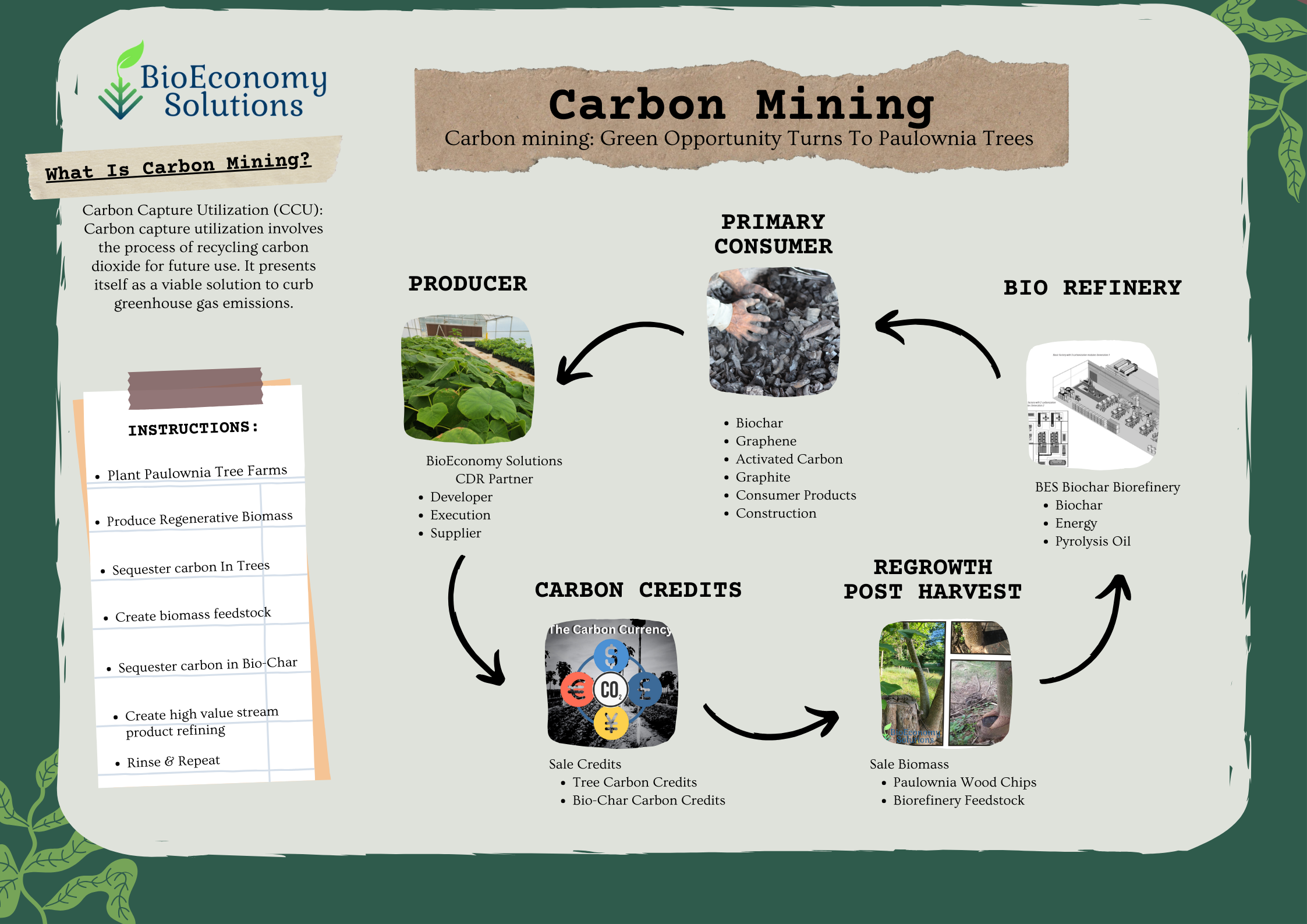
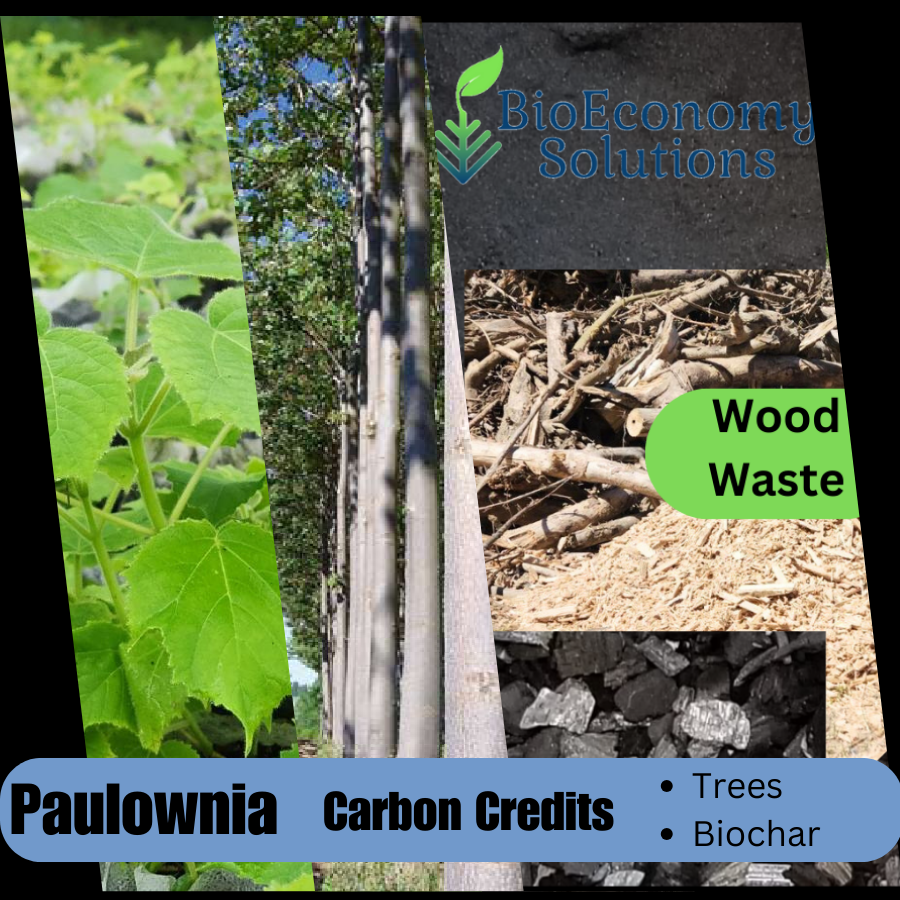
  • Income Benefits For CDR Project Stakeholders: Planting trees for #carbonmining, trees are the store of value for the creation of, carbon credits, woody biomass, biochar, graphite, graphene and more. What is  Carbon Mining?

4. Relative Simplicity

  • While effective tree planting requires planning and management, the basic concept is relatively simple to understand and implement.
  • This can encourage broader participation in climate action from individuals, communities, and organizations.

5. Tangible Impact

The Power of Forest Landscape Restoration

FLR goes beyond simply planting trees. It’s a holistic approach that aims to restore the ecological integrity of entire landscapes, bringing a multitude of benefits:

  • Enhanced Carbon Sequestration: FLR focuses on restoring diverse and resilient forests that maximize carbon storage over the long term.
  • Increased Biodiversity: By restoring native species and habitats, FLR helps protect and enhance biodiversity, crucial for ecosystem health and resilience.
  • Improved Water Security: Healthy forests regulate water cycles, improve water quality, and reduce the risk of floods and droughts.
  • Community Empowerment: FLR often involves local communities in planning and implementation, creating economic opportunities and improving livelihoods.

The Paulownia Advantage

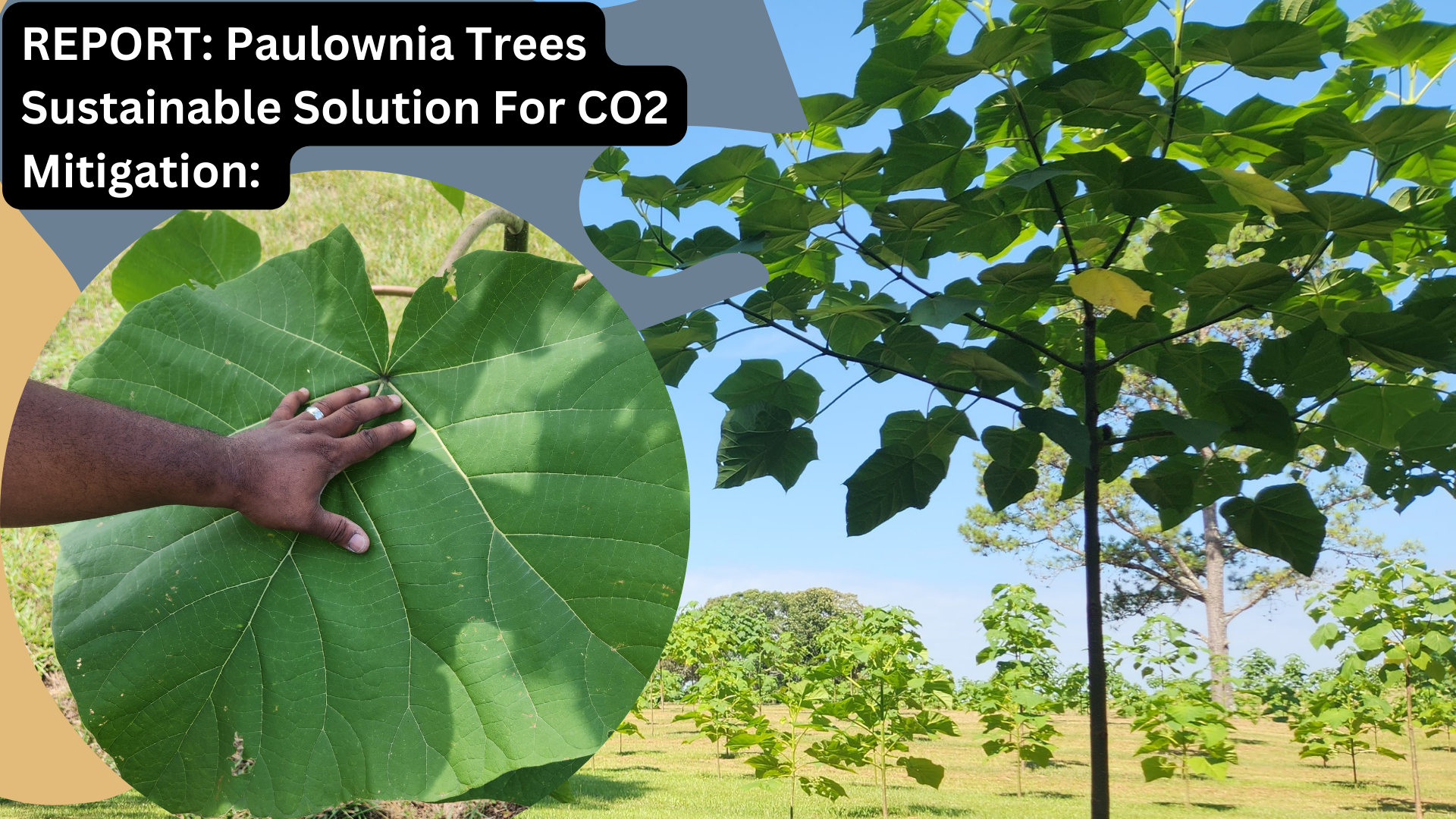
Incorporating Paulownia trees into FLR initiatives can further amplify the positive impact:

  • Rapid Growth and Carbon Sequestration: Paulownia is known for its exceptionally fast growth rate, allowing for rapid carbon sequestration and biomass production.
  • Soil Improvement: Paulownia’s deep root system helps improve soil structure, prevent erosion, and enhance water infiltration.
  • Biodiversity Support: Paulownia plantations can be designed to support biodiversity by integrating native species and creating diverse habitats.
  • Economic Opportunities: Paulownia timber is valuable for a variety of uses, providing economic benefits for local communities.

Fortune 100 Leaders in Forest Landscape Restoration (FLR)

Several Fortune 100 companies are already demonstrating leadership in FLR:

  • International Paper: This global paper and packaging company has committed to restoring 1 million acres of forestland in the southern US, focusing on biodiversity conservation and sustainable forest management.
  • Microsoft: Through its AI for Earth program, Microsoft is supporting FLR projects around the world, using technology to monitor forest health, track progress, and optimize restoration efforts.
  • Unilever: This consumer goods giant has partnered with organizations like the World Resources Institute to support FLR initiatives in key sourcing regions, promoting sustainable agriculture and forest conservation.

Actionable Steps for Companies

Here’s how Fortune 100 companies can integrate FLR into their sustainability strategies:

  1. Go Beyond Offsets: Shift from a transactional approach to a long-term commitment to forest restoration.
  2. Embrace a Holistic Approach: Consider the ecological, social, and economic dimensions of FLR, engaging local communities and stakeholders.
  3. Invest in Science and Technology: Utilize the latest research and technologies to optimize restoration efforts and monitor progress with “Net Eco Exchange”.
  4. Partner for Impact: Collaborate with BioEconomy Solutions, governments, and local communities to leverage expertise and resources.
  5. Communicate Transparently: Report on FLR initiatives and their impact, showcasing leadership and inspiring others.
  6. Explore Paulownia: Investigate the potential of Paulownia trees as an nature-based solution for carbon sequestration, soil health, and biodiversity in FLR projects.

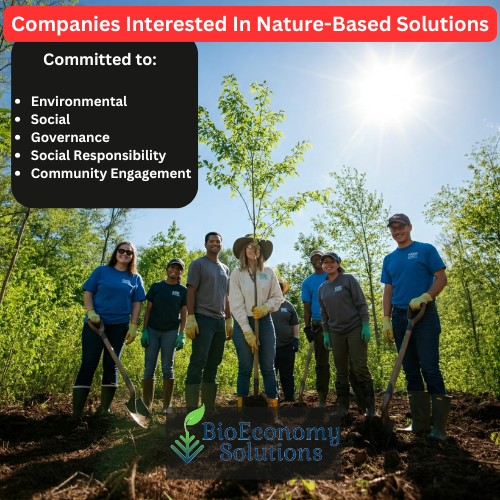
By embracing FLR and incorporating innovative Nature-Based Solutions like Paulownia, Fortune 100 companies can meet and exceed their commitments to:

  • Environmental, Social, Governance (ESG)
  • Social Responsibility Investments (SRI)
  • Community Engagement

Move your organization beyond carbon offsets and become true leaders in creating a more sustainable and resilient future for our planet.


CONTACT US

LEARN MORE

Visit us at: https://bioeconomysolutions.com/paulownia-carbon-credits/ Let’s chat about paulownia tree solutions for sustainable Forest carbon credits projects.

Where to buy paulownia? We’re providing new paulownia trees from our U.S. South Carolina Paulownia tree farm facility.

Contact Us for details. Office: 843.305.4777 | Email: mail@bioeconomysolutions.com Here’s a link to our online calendar, schedule a conference call with us: www.bioeconomysolutions.com/bookcall

LIKE|SHARE|COMMENT

Enjoy this article? You may also enjoy “Top Ten Reasons to Choose Paulownia Trees for Your Next Carbon Development Project”

https://www.linkedin.com/pulse/top-ten-reasons-choose-paulownia-trees-your-next-victor-garlington-ybkie