
If You’re The Black Sheep Of Your Family, You’d be The One Who’d Break The Rules and is often accompanied by a sense of being misjudged or misunderstood. Well this is the story of Paulownia tomentosa…
“THE BLACK SHEEP” of the Paulownia Family.
Paulownia tomentosa (also known as the Princess tree or Empress tree) is the most well-known species of Paulownia. When you search paulownia on the internet, this is the one that got the lion’s share of bad press listed as an invasive species.
Invasive Potential:
P. tomentosa, have become invasive in some parts of the world.Tomentosa paulownia has the potential to become invasive in some regions due to its rapid growth, prolific seed production, and ability to spread through root suckers. It is important to check local regulations and consider the potential impact before planting tomentosa paulownia trees.
Yet did you know?:
There are 17 different species of paulownia trees (depending on taxonomic authority) in the family Paulowniaceae.
Only one, the tomentosa, is listed as invasive in some areas. This single species has painted the entirety of the genus into the corner of being labeled as invasive and gets all the attention, while the other species are assumed to have the same traits. This is an incorrect assumption that requires further exploration.
The species as a whole should not be labeled as invasive. The seeds are extremely difficult to germinate and the trees actually have a low survival rate in the wild compared to native trees.
Paulownia offer many ecosystem benefits including:
- carbon drawdown
- soil restoration
- pollination services
- shade for companion crops not found in other trees.
All together, these characteristics make the paulownia an ideal tree to grow for both economic and environmental reasons.
Most of the information found on the internet does not differentiate between the 17 different species within the genus Paulownia, but only one, the tomentosa, is invasive in some areas of the world.

PAULOWNIA TREES
Six to 17 species, including: Paulownia catalpifolia Paulownia elongata Paulownia fargesii Paulownia fortunei Paulownia kawakamii Paulownia taiwaniana Paulownia tomentosa
Tested and confirmed species:[13]
- Paulownia kawakamii
- Paulownia tomentosa
- Paulownia catalpifolia
- Paulownia x taiwaniana
- Paulownia elongata
- Paulownia fargesii
- Paulownia fortunei — dragon tree.[25]
- Potential variety, hybrid, and synonym species:
- Paulownia glabrata
- Paulownia grandifolia
- Paulownia imperialis
- Paulownia australis
- Paulownia lilacina
- Paulownia longifolia
- Paulownia meridionalis
- Paulownia mikado
- Paulownia recurva
- Paulownia rehderiana
- Paulownia shensiensis
- Paulownia silvestrii
- Paulownia thyrsoidea
- Paulownia duclouxii
- Paulownia viscosa
It is native to central and western China but has been widely cultivated in Asia, Europe, and North America. It’s a deciduous tree that can grow up to 50 feet tall, with large, heart-shaped leaves and showy, fragrant lavender flowers in spring.
There are at least 17 other species of Paulownia, and numerous hybrids. Some of the other notable species include:
- Paulownia fortunei: Native to southeast Asia, this species is known for its rapid growth and tall stature. It’s often used for timber production.
- Paulownia elongata: This species is similar to P. fortunei but is even faster-growing. It’s also used for timber production and is popular for carbon sequestration projects.
- Paulownia kawakamii: Native to Taiwan, this species is smaller than most other Paulownias, typically growing to around 30 feet tall. It has beautiful, deep purple flowers.
There are also many hybrids of Paulownia, which are often created to combine the desirable traits of different species. For example, the hybrid Paulownia Shan Tong is a cross between P. tomentosa and P. fortunei and is known for its fast growth, cold hardiness, and high-quality timber.
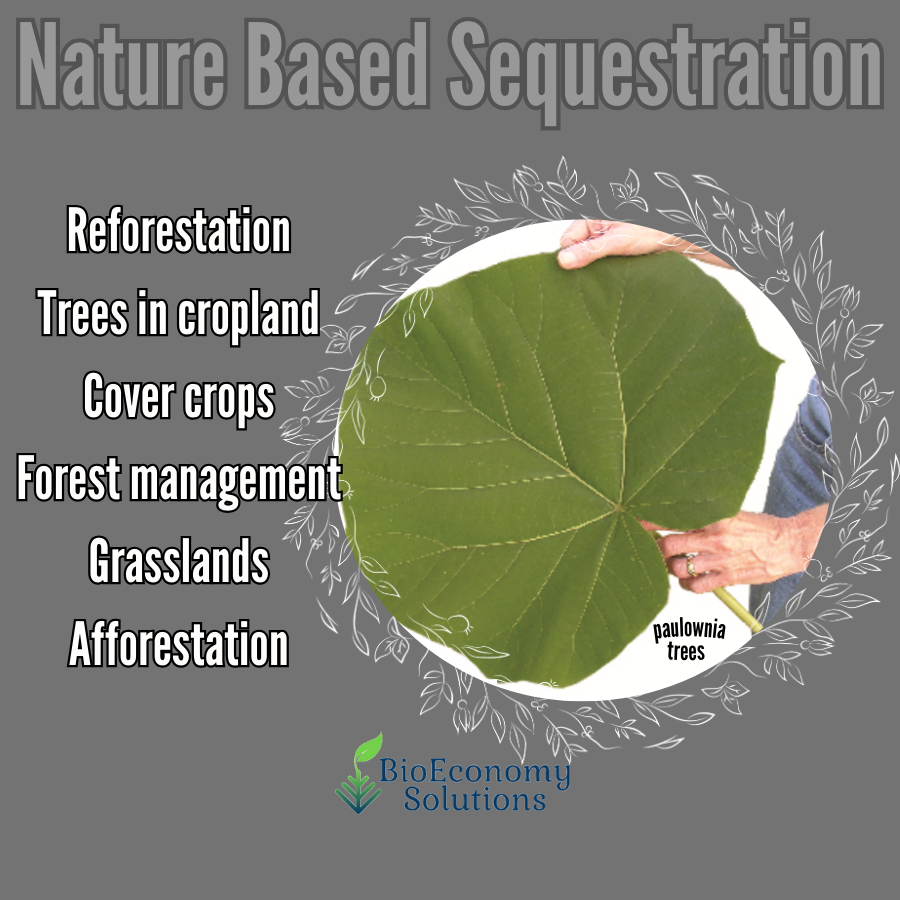
LEAVES – Leaves: Large, heart-shaped leaves that can grow up to 12 inches wide.
- Growth Rate: Extremely fast-growing, capable of adding 10-20 feet per year in optimal conditions.
- Mature Size: Can reach heights of 30-50 feet with a similar spread.
- Hardiness: Zones 5-9
Uses:
- Ornamental: Popular for its attractive flowers and rapid growth, often used for shade or as a specimen tree.
- Timber: Valued for its lightweight, strong, and rot-resistant wood, used for furniture, musical instruments, and other crafts.
Environmental: Used for erosion control, reforestation, and carbon sequestration due to its fast growth and ability to absorb pollutants.
The Paulownia Royal Empress Tree, also known as the Princess Tree or Foxglove Tree, is a fast-growing deciduous tree native to central and western China. It is known for its beautiful purple, foxglove-like flowers that bloom in the spring, large heart-shaped leaves, and rapid growth rate.
Characteristics:
- Growth Rate: One of the fastest-growing trees in the world, it can grow up to 15 feet in a single year.
- Flowers: Showy, fragrant, lavender-blue flowers that bloom in large clusters in the spring.
- Leaves: Large, heart-shaped leaves that can grow up to 12 inches wide.
- Hardiness: Hardy in USDA zones 5-9.
- Size: Can reach heights of 30-50 feet with a spread of 20-30 feet.
Benefits:
- Fast Shade: Due to its rapid growth, it can provide shade quickly.
- Wind Block: Due to its rapid growth, it can provide a wind buffer quickly.
- Ornamental Value: Its beautiful flowers and foliage make it a popular ornamental tree.
- Erosion Control: Its extensive root system can help prevent soil erosion.
- Wildlife Habitat: The flowers attract pollinators like bees and butterflies.
Overall, the Paulownia Royal Empress Tree is a beautiful and fast-growing tree that can be a great addition to a landscape. However, it is important to be aware of its potential drawbacks before planting.
The conclusion is…. There are 17 different species of paulownia which does not include the many hybrid species in the market place now. Everyone reading this post must do their homework.
At BioEconomy Solutions we grow a A fast growing, high-yield, non-invasive, non-GMO hybrid Paulownia tree that makes planet Earth a better place to live for all forms of life. The tree is a trans-genera clone; it is not a genetically modified organism (GMO). As is the case with all trans-genera clones (example:peach x apricot = sterile nectarine), it is seed-sterile and therefore non-invasive. Paulownia Trees:
Please let us know if you have any other questions.
Want to purchase paulownia saplings for your project? Have a reforestation or afforestation project? Contact us for more information.
Contact Us for details. Office: 843.305.4777 | Email: mail@bioeconomysolutions.com Here’s a link to our online calendar, schedule a conference call with us: https://info586.youcanbook.me


🌱 A Poem for the Empress Tree — In Honor of Ray Allen, the Johnny Appleseed of Tomorrow 🌱
In Fresno’s sun, where orchards sleep,
A man once sowed a dream so deep.
Dr. Ray Allen, humble and wise,
Looked not just down — but to the skies.
With roots that whisper to the ground,
He found a tree not often found.
Not native, no — but nature-blessed,
A royal bloom, unlike the rest.
Three trees were blended, branch by leaf,
Through Stanford’s quiet, green belief.
A sterile seed, so it won’t roam —
Yet gives the earth a living home.
Its pods don’t spread in wild decree,
It honors rules of each state tree.
Even in California’s care,
It grows with grace — and leaves none bare.
The soil it heals, the sky it clears,
It answers prayers of future years.
And though the world has much to learn,
These trees give more than they could earn.
I walk like Muir among their shade,
And marvel at the life he made.
Dr. Allen, like Appleseed,
Planted more than just a seed.
So raise your eyes and watch them grow,
From Fresno’s fields to winds that blow.
Thank Bio Economy for the flame
They keep alive — in Ray’s great name.
Let this tree’s truth at last be known:
The Empress stands where hope is grown. 🌍🌳