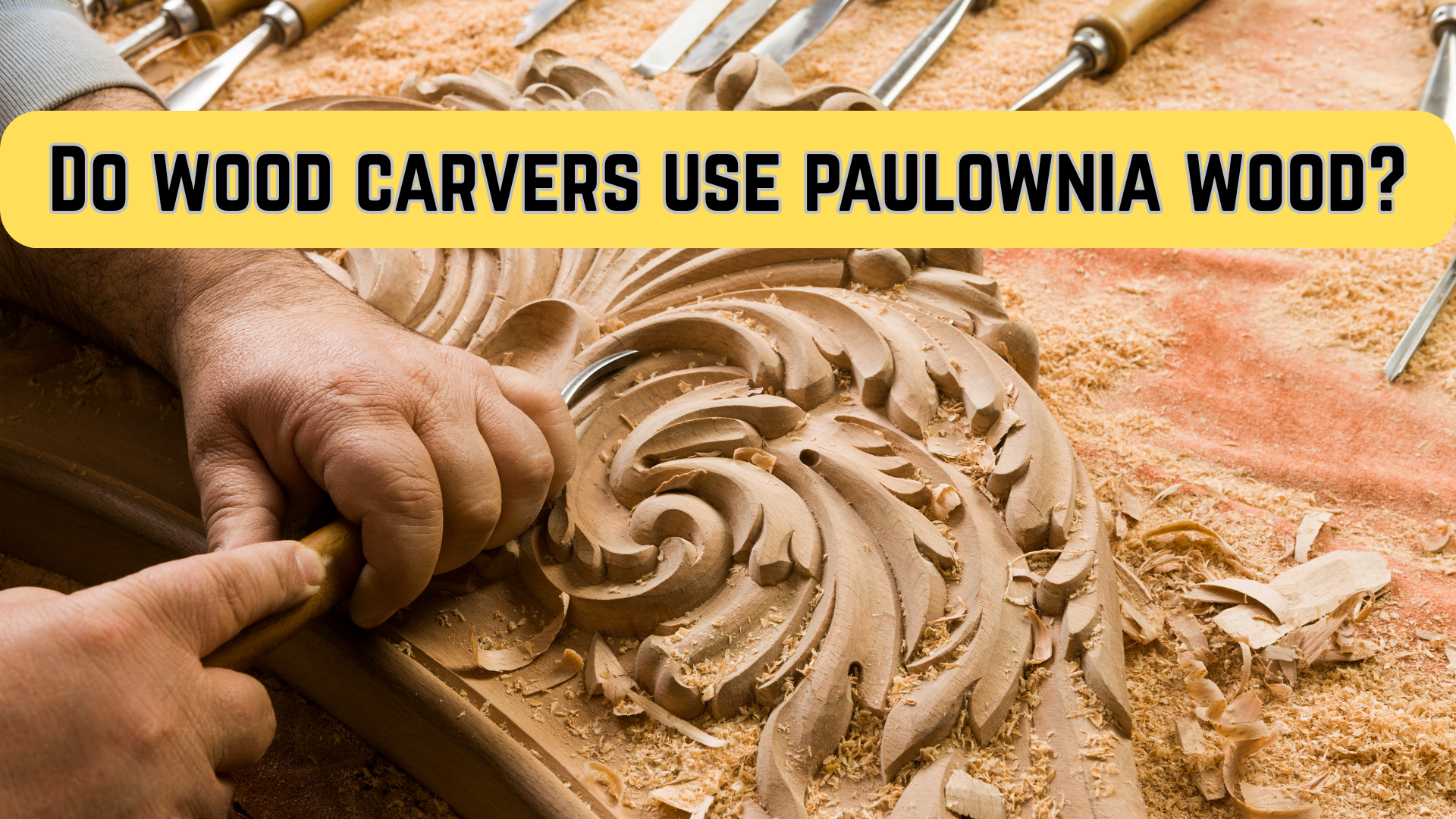
Do Wood Carvers Use Paulownia Wood? They SURE DO!
It is a popular choice due to its lightweight nature, fine grain, and ease of carving, making it suitable for both hand and power tool carving. Paulownia’s resistance to warping and cracking, further enhance its appeal for various carving projects.
Why Carve With Paulownia Wood?
Here are the top reasons paulownia is considered suitable for carving, and why stumps specifically might be used:
- Easy to Work With: Paulownia is known for being a very soft and lightweight wood with a straight, uniform grain. This makes it exceptionally easy to carve, especially for detailed work. It’s often compared to balsa wood in its workability, though it’s generally stronger.
- Good for Beginners: Due to its softness, it’s a popular choice for those new to wood carving as it’s forgiving and less prone to splitting.
- Takes Finishes Well: Paulownia readily accepts stains, glues, and other finishes, allowing carvers to achieve various aesthetic results.
- Lightweight: Its low density makes it ideal for projects where weight is a concern, such as smaller decorative items or even larger, portable carvings.
- Sustainability: Paulownia is one of the fastest-growing trees in the world, making it a sustainable and environmentally friendly choice for wood. This rapid growth also means that stumps can be readily available.
Visit the great folks at Woogity Wood Works who carve with paulownia wood regularly.

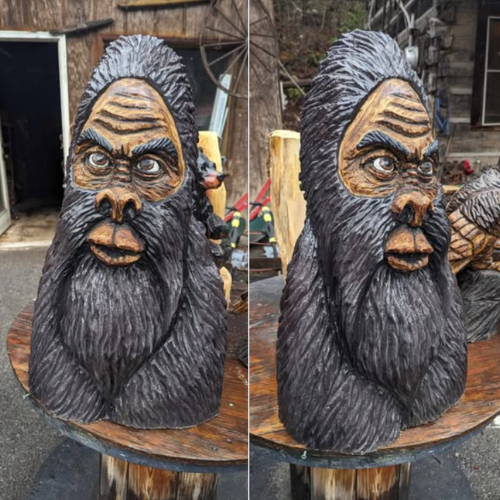
Using Paulownia Stumps for Carving:
While dimensional lumber is common for carving, wood stumps offer unique possibilities:
- Natural Shape and Form: Stumps provide an organic, often irregular shape that can inspire unique carvings. A carver might work with the natural contours of the stump to create a piece that feels deeply connected to the wood’s original form.
- Larger Scale Projects: Depending on the size of the stump, it can be suitable for larger, more substantial carvings that might be difficult to create from smaller, milled pieces of wood.
- Accessibility: In areas where paulownia trees are grown, stumps might be a readily available and potentially cost-effective source of carving material.
Basswood (also known as lime wood) is often cited as the most popular wood for carving, particularly for beginners, paulownia is gaining recognition for its unique properties and suitability for a range of carving projects.
While paulownia is a good choice for many types of carving, due to its softness means it might become your second choice for very fine, intricate details that need to withstand heavy handling or impact, as it can dent relatively easily. However, for decorative carvings, sculptures, and art pieces, paulownia wood stumps can be an excellent medium.
Where To Buy USA Paulownia Lumber?
Need paulownia for your next project?
Where to buy paulownia? We’re harvesting our mature U.S. South Carolina Paulownia Timber and have millions of board foot available. We can mill lumber for your business needs. Contact Us for details. Office: 843.305.4777 | Email: mail@bioeconomysolutions.com Here’s a link to our online calendar, schedule a conference call with us:
USA Paulownia Wood Lumber For Sale – Need paulownia wood lumber for your next project? https://bioeconomysolutions.com/paulownia-lumber/
You will discover that paulownia wood is the “Light Strong Alternative Wood” used in many processes to obtain many types of products.
Weather you are a hobbyist or full time manufacturing company, paulownia wood grown in South Carolina USA may be a new expression of your talent.
We sell Custom Paulownia boards: rough sawn or planed, we offer various sizes and thicknesses. Our Paulownia boards are processed using sustainable Paulownia hardwood grown right here in South Carolina USA.
👉 If you’re interested in paulownia, want to grow or currently growing, Subscribe to our newsletter: https://bioeconomysolutions.com/carbonreport
LIKE|SHARE|COMMENT
Want more information on the Paulownia vs. Balsa? You may also enjoy this article: Discussion Paulownia Wood v.s. Balsa??? Check out this post https://bioeconomysolutions.com/tag/model/